
Choosing the right baby bottle accessories is a fundamental step in establishing a comfortable, safe, and efficient feeding routine for your infant. Among the most critical decisions parents face is selecting the material for the bottle nipple: silicone or latex. While both materials are widely available, they offer distinct physical properties, durability profiles, and safety considerations. Silicone is a clear, firm, and highly durable synthetic material that withstands rigorous sterilization, making it the modern standard for many households. Latex, made from natural rubber, is softer, more flexible, and closely mimics the natural feel of skin, which can be highly beneficial for babies struggling to latch. Ultimately, neither material is universally superior; the safest and most durable option depends on your baby’s feeding preferences, potential allergy risks, and your daily cleaning routine.
Key Differences Between Silicone and Latex Nipples
Silicone is a clear, firm, and synthetic polymer. Because it is man-made, it is highly stable, non-porous, and completely free from natural proteins. This synthetic composition ensures that silicone nipples do not absorb odors, flavors, or colors from breast milk or formula, maintaining a clean and neutral feeding surface over time.
Latex is a natural rubber product harvested from rubber trees, giving it a distinct yellowish-brown tint. It is highly elastic, incredibly soft, and exceptionally pliable. These natural properties allow the nipple to stretch and flex easily in the baby’s mouth, closely mimicking the physical dynamics of breastfeeding.
Products mentioned in this guide
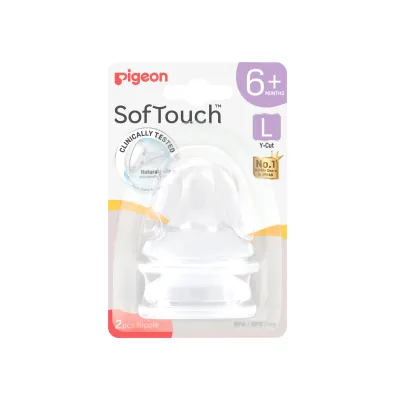
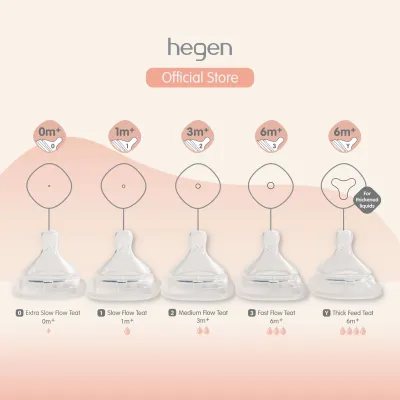
Prices are valid at publication and may change. Please refer to the product page for the latest price.
These differing material origins directly impact how the nipples look, feel, and age. Silicone remains crystal clear and retains its structural firmness throughout its lifespan. Latex, being a natural organic material, has a matte, slightly opaque appearance and is highly sensitive to environmental factors like heat, sunlight, and moisture, which cause it to darken and soften over time.
Safety and Health Considerations
Because latex is derived from natural rubber trees, it contains plant proteins that can trigger allergic reactions in sensitive infants. While rare, a latex allergy can manifest as redness, swelling, hives, or skin irritation around the baby’s mouth during or after feeding. If you observe any unusual skin reactions or breathing changes, stop using latex nipples immediately and consult a qualified healthcare professional.

Chemical safety is another crucial factor when selecting baby bottle accessories. Always check product packaging to verify that the nipples are certified BPA-free, ensuring they do not contain harmful bisphenol compounds. Because chemical regulations and manufacturing standards can vary, take the time to review the manufacturer’s safety declarations and compliance labels on the packaging.
Regardless of the material you choose, preventing choking hazards requires active caregiver supervision and regular physical inspections. Before every single feeding session, perform a quick safety check by pulling the nipple bulb firmly in all directions. Inspect the surface closely for tiny tears, punctures, bite marks, or structural thinning. If you detect any physical compromise, discard the nipple immediately to prevent pieces from tearing off during feeding.
Durability and Replacement Signs
Silicone is highly durable and retains its shape, firmness, and flow rate over months of continuous use. It has excellent heat resistance, allowing it to undergo repeated high-temperature sterilization cycles without breaking down. However, silicone is less elastic than latex; once a teething baby punctures or bites a silicone nipple, the tear can expand rapidly, requiring immediate replacement.
Latex is highly elastic and initially resists tearing from biting better than silicone, but it degrades much faster under daily wear and tear. In warm, humid climates, natural rubber latex can deteriorate rapidly if stored in warm, non-air-conditioned spaces. Over time, exposure to milk fats, saliva, and heat causes latex to become sticky, soft, swollen, and discolored.
To ensure your baby’s safety, establish a routine visual and tactile check. For silicone nipples, look for cloudiness, fine cracks, or an unusually fast flow rate that indicates the hole has enlarged. For latex nipples, feel the material; if it feels sticky, tacky, or unusually soft, or if the nipple collapses easily when pressed, it has degraded and must be discarded. A latex nipple that has turned dark brown or has stretched out of its original shape is also past its usable lifespan.
Feeding Experience and Baby's Preference
The tactile experience of feeding plays a major role in how well a baby accepts a bottle. Latex nipples are exceptionally soft and warm up quickly to match the temperature of the milk, closely mimicking the natural warmth and elasticity of skin. This familiar texture can make the transition from breastfeeding to bottle-feeding smoother for some infants.
Silicone’s firmness is also its strength when it comes to flow consistency. It retains its structural shape perfectly during vigorous sucking, ensuring a steady, predictable flow of milk. Latex, being highly flexible, can collapse or flatten if a baby sucks with significant force, which can temporarily block the flow of milk and cause the baby to swallow excess air.
If your baby is struggling to latch or constantly rejects the bottle, experimenting with different materials can help. You can safely test both silicone and latex options to observe your baby’s preference under close supervision. Watch how they latch, whether they seem comfortable, and if they can maintain a steady feeding rhythm without fussing.
Cleaning, Sterilization, and Maintenance
Cleaning routines differ significantly between the two materials due to their physical properties. Silicone has excellent heat tolerance, making it compatible with almost all sterilization methods. You can safely boil silicone nipples, place them in steam sterilizers, or use UV sterilizers without worrying about material degradation.
Latex has very poor heat tolerance. Repeated exposure to boiling water or steam sterilizers accelerates the breakdown of natural rubber, causing it to lose its elasticity and become sticky within a short period. If you use latex, gentler cleaning methods or shorter sterilization cycles are typically required to preserve the material.
Silicone is non-porous, meaning it resists absorbing odors, oils, and colors from breast milk, formula, or dish soaps. Latex is highly porous and tends to absorb milk fats and odors over time, which can result in a lingering smell or a cloudy, stained appearance that cannot be washed away.
Because manufacturing processes and material blends vary, it is essential to always verify the specific care and sterilization instructions printed on the product packaging. Some brands may advise against using certain chemical sterilizers or UV devices on natural rubber, while others may have specific boiling time limits. Adhering to these guidelines ensures the longevity of your baby bottle accessories.
How to Choose the Right Nipple for Your Baby
Choose silicone if you want a highly durable, low-maintenance option that can be sterilized frequently using high-heat or steam methods. Silicone is also the ideal choice if your baby has sensitive skin, if there is a family history of latex allergies, or if you prefer a clear, hygienic material that retains its shape and flow rate over several months. While silicone nipples might cost slightly more upfront—often priced at a few S$ per pack at local baby boutiques—their long lifespan makes them a highly cost-effective choice for daily feeding.
Choose latex if your baby is highly selective, struggles to latch onto firmer silicone nipples, or is transitioning from breastfeeding and prefers a softer, skin-like texture. Latex can also be a helpful temporary option for babies who tend to bite down hard on their bottle accessories, as its high elasticity resists immediate tearing.
Before making your final decision, verify if your baby shows any signs of skin sensitivity or if there is a known rubber allergy in your household. If your baby has specific medical feeding needs, such as reflux or cleft palate, consult a pediatrician or a qualified lactation consultant before changing nipple materials. Finally, check that your chosen nipple material is fully compatible with your existing home sterilizer to avoid accidentally damaging your new purchases.
Frequently Asked Questions (FAQ)
Can I mix silicone and latex nipples for the same baby?
While it is physically possible to alternate between silicone and latex nipples, it is generally recommended to maintain consistency for your baby’s feeding routine. Babies develop a specific sucking pattern based on the flexibility and texture of the nipple they use. Constantly switching between a firm silicone nipple and a highly flexible latex nipple can cause flow confusion, leading to inefficient feeding or fussiness. Furthermore, if you suspect any potential latex sensitivities in your household, sticking exclusively to silicone is the safest way to avoid accidental exposure and cross-contamination.
How often should I replace bottle nipples regardless of the material?
As a general guideline, most manufacturers recommend replacing baby bottle accessories every one to three months, depending on how frequently they are used and sterilized. However, you should not rely solely on a calendar schedule. Perform daily visual and tactile checks, and replace any nipple immediately if you detect signs of damage, such as tears, cracks, structural thinning, or a sticky texture. If your baby has started teething and actively bites the nipple, you may need to replace them much more frequently to prevent choking hazards and ensure a safe feeding experience.
Community discussion
Share your experience or ask a question. Comments are reviewed before publication.