
Choosing the right baby nipple is a fundamental step in establishing a comfortable, safe, and efficient bottle-feeding routine. As you browse the feeding aisle, you will primarily encounter two materials: silicone and latex. While both serve the same essential purpose, they differ significantly in their physical properties, durability, safety profiles, and how they feel to your baby.
Silicone is a clear, synthetic polymer known for its exceptional durability, heat resistance, and hypoallergenic properties. Latex, made from natural rubber, is a softer, more flexible material that closely mimics the natural feel of skin but degrades more quickly and carries a risk of allergic reactions.
To make the best decision for your household, you must weigh these material characteristics against your baby’s unique feeding preferences, health history, and your daily cleaning routine. In warm, humid environments like Singapore, factors such as storage conditions and material degradation rates become even more critical to monitor.
Products mentioned in this guide
![[NEW] Pigeon SofTouch™ Wide Neck Nipple (Promo)](https://img.lazcdn.com/g/p/9ad1bd0730a6805e5e1f59444563dce2.jpg_400x400q80.jpg_.webp)
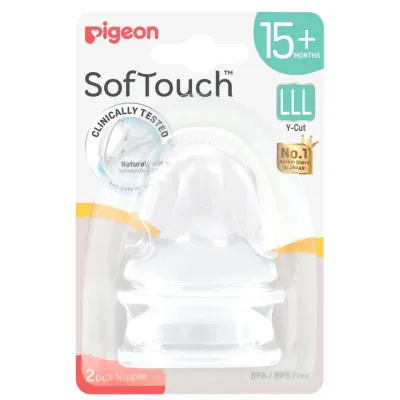
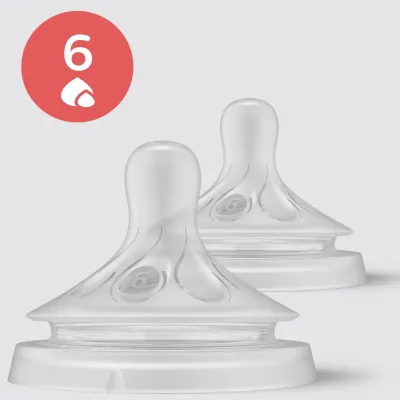
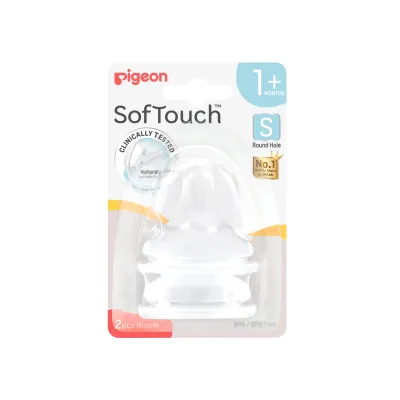
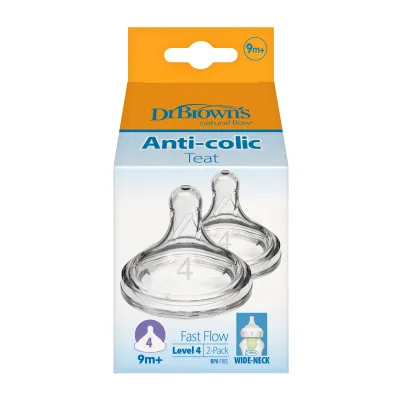
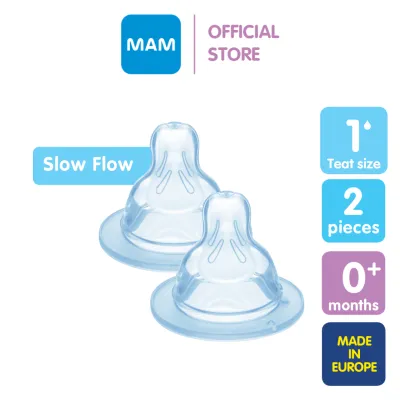
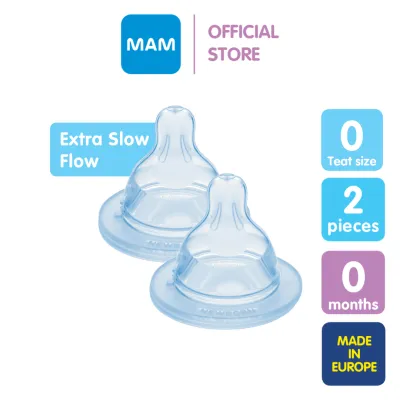
Prices are valid at publication and may change. Please refer to the product page for the latest price.
Material Basics: How Silicone and Latex Nipples Differ
Silicone nipples are easily recognizable by their crystal-clear transparency and firm structure. Because silicone is a synthetic material composed of silicon, oxygen, carbon, and hydrogen, it is highly stable and inert. This chemical stability means silicone does not readily react with milk, cleaning agents, or environmental factors, allowing it to retain its shape, color, and firmness over months of regular use.
Latex nipples, on the other hand, are made from natural rubber sap harvested from rubber trees. They have a distinct opaque appearance, typically ranging from a light yellow to a warm amber-brown color. Tactilely, latex is significantly softer, more pliable, and more elastic than silicone. When squeezed, a latex nipple stretches easily and conforms quickly to pressure, whereas a silicone nipple offers more resistance and snaps back to its original shape immediately.
These physical differences directly influence how each material behaves over time. Silicone’s rigid molecular structure ensures that the nipple hole remains a consistent size, maintaining a predictable flow rate throughout its lifespan. Latex’s natural elasticity means that the material will gradually stretch, soften, and expand with repeated sucking, which can alter the flow of milk as the nipple ages.
Safety and Allergy Risks: What to Check Before Buying
When evaluating safety, the primary concern with natural rubber latex is the potential for allergic reactions. Because latex is derived from natural plant sources, it contains proteins that can trigger sensitivities or allergic responses in some infants. If your family has a history of latex allergies, or if your baby has sensitive skin or eczema, it is generally recommended to avoid latex nipples entirely to minimize the risk of a reaction.

Silicone is inherently hypoallergenic because it is a synthetic, inorganic material. It does not contain the plant proteins found in natural rubber, making it an exceptionally safe choice for babies with sensitive skin or known allergies. For parents prioritizing a low-risk material profile, silicone provides peace of mind without the need for allergy monitoring.
Regardless of which material you choose, you must carefully inspect the product packaging for chemical safety certifications. Look for clear labels indicating that the nipples are free from Bisphenol A (BPA), Bisphenol S (BPS), and phthalates. These chemical compounds, historically used in some plastics and rubbers, are widely restricted in modern baby products, but verifying these claims directly on the packaging remains an essential step for every purchase.
If you notice any unusual skin reactions, persistent redness around your baby’s mouth, or unexplained fussiness during or after feeding, pause bottle use immediately. Consult a pediatrician or qualified healthcare professional to evaluate whether a material sensitivity is present and to receive personalized guidance on the safest feeding equipment for your child.
Durability, Cleaning, and Signs of Wear
The durability of a baby nipple is closely tied to its heat tolerance and how it responds to daily sterilization. Silicone is highly heat-resistant, allowing it to withstand various sterilization methods without degrading. You can safely sterilize silicone nipples using boiling water, electric steam sterilizers, or UV sterilization systems, provided you follow the specific manufacturer’s guidelines.
Latex is far more sensitive to heat, light, and moisture. High temperatures from boiling or steam sterilization can accelerate the breakdown of natural rubber, causing it to warp, lose its elasticity, or become sticky. UV sterilization can also degrade natural rubber over time. If you choose latex, you must strictly adhere to the manufacturer’s cleaning instructions, which often recommend gentle hand-washing with warm, soapy water rather than intense heat sterilization.
Because of these differences in material stability, the recommended replacement intervals vary significantly. Latex nipples degrade relatively quickly and typically need to be replaced every 4 to 6 weeks, depending on usage. Silicone nipples are much more durable and can often last between 2 to 3 months before requiring replacement. However, these are general guidelines; always check the specific product packaging for the manufacturer’s recommended lifespan.
Regardless of the material, you must perform a thorough visual and tactile inspection of the nipple before every feeding session. For silicone, look closely for any tiny tears, cracks, or punctures, especially if your baby has started teething, as torn silicone can pose a choking hazard. For latex, watch for signs of structural breakdown such as stickiness, swelling, discoloration, thinning, or a stretched nipple hole that allows milk to flow too quickly.
Proper cleaning and storage are vital to extending the life of your baby’s nipples, particularly in Singapore’s warm and humid climate. After washing the nipples with a dedicated bottle brush and mild dish soap, ensure they dry completely in a well-ventilated area. Storing damp nipples in closed cupboards can encourage mold growth and accelerate the degradation of natural rubber. Keep them in a cool, dry place away from direct sunlight, which can quickly discolor and weaken latex.
Feeding Experience: Texture, Flow, and Baby's Acceptance
The physical texture of the nipple plays a major role in how easily your baby accepts bottle-feeding. Because latex is exceptionally soft, warm, and flexible, it closely mimics the natural feel of a mother’s breast. This skin-like texture can make latex highly appealing to newborns or breastfed babies who are transitioning to bottle-feeding, as it requires a similar sucking technique and feels familiar in the mouth.
Silicone is naturally firmer and cooler to the touch, which can sometimes result in initial rejection by babies accustomed to the softness of breastfeeding. However, many infants adapt to silicone without any difficulty. The firmness of silicone actually provides a distinct advantage for older babies or those with a strong suck, as it prevents the nipple from collapsing under pressure, ensuring a steady, uninterrupted flow of milk.
If your baby initially rejects a silicone nipple, there are practical strategies you can use to encourage acceptance. Try warming the nipple slightly by dipping it in warm water before offering it to your baby, which makes the temperature feel more natural. You can also experiment with different nipple shapes—such as wide-neck or orthodontic designs—to find a profile that matches your baby’s latch style, rather than relying solely on a change in material.
Making the Final Choice: Which Nipple Fits Your Baby?
Selecting the right nipple material involves balancing your baby’s comfort with your practical household needs. To simplify your decision, consider a condition-based approach that aligns with your specific priorities.
Choose silicone if your primary goals are long-term durability, ease of sterilization, and convenience. Silicone is the ideal choice if you want a low-maintenance nipple that can be tossed into a steam or UV sterilizer, if you want to minimize the frequency and cost of replacement purchases, or if you want to eliminate any risk of latex allergies.
Choose latex if your baby is highly sensitive to nipple texture, rejects firmer silicone options, or is transitioning between breastfeeding and bottle-feeding. Latex is suitable if you are willing to commit to more frequent replacements, hand-washing routines, and careful monitoring for signs of wear, provided your baby has no known sensitivities to natural rubber.
Before making a final purchase, always verify the compatibility of the nipples with your existing bottle collars and rings, as mixing mismatched brands can lead to leaks. Review the manufacturer’s age and flow-rate recommendations to ensure the nipple matches your baby’s developmental stage. If you are caring for a premature infant or a baby with specific medical or feeding challenges, consult your pediatrician or a lactation consultant to receive tailored recommendations.
Frequently Asked Questions (FAQ)
Can I mix silicone and latex nipples on the same bottle brand?
Whether you can mix silicone and latex nipples on the same bottle depends entirely on the manufacturer’s design. Some brands manufacture both silicone and latex options that are fully interchangeable and fit securely onto the same bottle collar. However, you must always check the product manual or packaging to confirm cross-compatibility. Avoid using unverified third-party nipples or forcing a nipple onto an incompatible collar, as an improper fit can cause milk leaks, air ingestion, or cause the nipple to collapse during feeding.
How do I know if my baby is allergic to latex nipples?
An allergic reaction to natural rubber latex typically presents as localized skin irritation around the mouth, lips, and cheeks where the nipple makes contact. You may observe redness, swelling, small bumps, hives, or a persistent rash shortly after a feeding session. In rare and more severe cases, a latex allergy can cause respiratory symptoms such as coughing, wheezing, or nasal congestion. If you observe any of these signs, stop using the latex nipple immediately, switch to a silicone alternative, and seek professional medical evaluation from your pediatrician.
Community discussion
Share your experience or ask a question. Comments are reviewed before publication.