
Choosing the right bottle teat is a critical step in ensuring a comfortable, safe, and efficient feeding experience for your baby. When selecting an Avent teat, caregivers are primarily faced with a choice between two distinct materials: silicone and natural rubber latex. Each material offers unique physical properties that affect how your baby latches, how the teat is cleaned, and how often it must be replaced.
Silicone is a highly durable, heat-resistant, and hypoallergenic synthetic material that has become the modern standard for most bottle-feeding systems. In contrast, natural rubber latex is a softer, more flexible organic material that closely mimics the natural feel of skin, though it requires more delicate care and carries a risk of allergic reactions. Ultimately, the best choice depends on your baby’s latch preference, your family’s sterilization routine, and any history of material sensitivities.
Quick Answer: Which Avent Teat Material Should You Choose?
When deciding between silicone and latex Avent teats, the primary trade-off lies between long-term durability and initial physical softness. Silicone teats are robust, withstand frequent high-temperature sterilization, and maintain their structural integrity over months of use. Latex teats offer a highly flexible, pliable texture that some infants find easier to accept initially, but they degrade rapidly when exposed to heat, moisture, and light.
Products mentioned in this guide
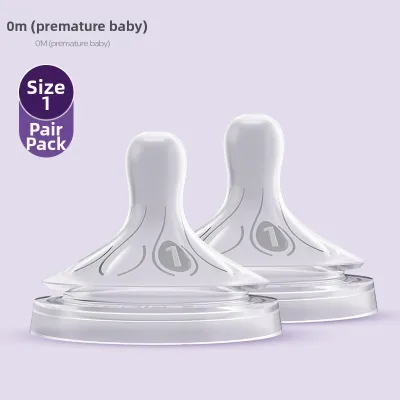
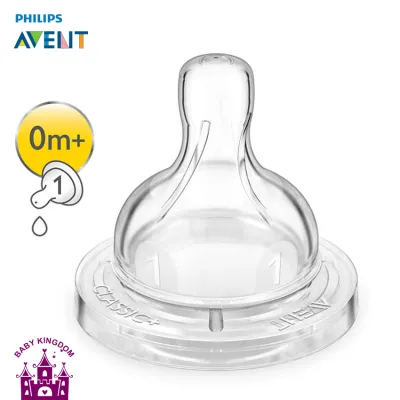
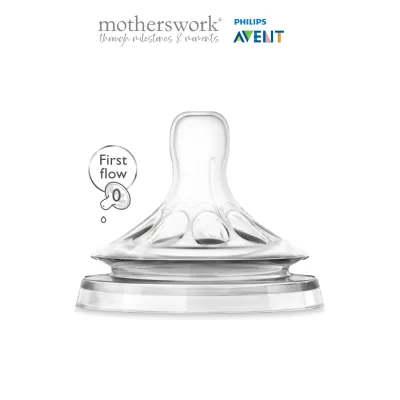
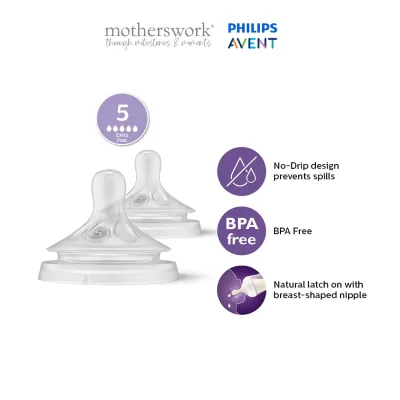
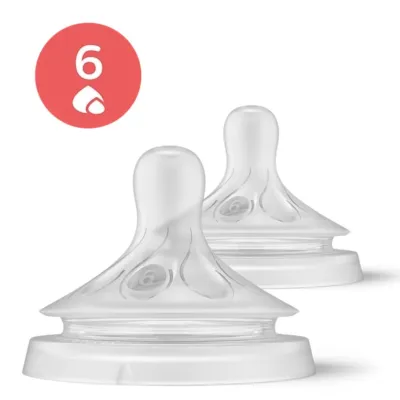
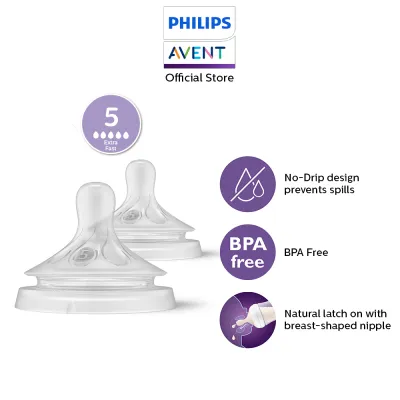
Prices are valid at publication and may change. Please refer to the product page for the latest price.
Your final decision should align with your baby’s feeding behavior and your daily maintenance preferences. If you prefer using steam sterilizers or dishwashers and want a low-maintenance, hypoallergenic option, silicone is generally the more practical choice. If your baby consistently rejects firm teats or is transitioning from breastfeeding and struggles with a standard latch, latex may offer the necessary flexibility, provided there is no family history of latex allergies.
Because product offerings and material formulations can change, always check the specific Avent product packaging for current material specifications, age-specific flow rates, and safety certifications before purchasing.
Material Feel and Baby Acceptance
The physical sensation of the teat plays a major role in how comfortably your baby feeds and how easily they transition between breast and bottle. Silicone is a synthetic polymer that is naturally firmer than latex. This firmness allows the teat to retain its shape during vigorous sucking, preventing the nipple from collapsing and ensuring a consistent, predictable flow of milk. For many babies, this structural stability supports a secure, steady latch.

Latex, being a natural rubber, is inherently softer and more elastic than silicone. It stretches and flexes easily in response to the movement of your baby’s tongue and jaw, closely mimicking the natural mechanics of breastfeeding. This high level of flexibility can be highly comforting for newborns or breastfed infants who find firmer synthetic materials unfamiliar or difficult to compress.
However, this flexibility also means that latex teats can behave differently under pressure. A baby with a very strong suck may compress a soft latex teat too easily, occasionally causing the teat to collapse and temporarily block the flow of milk. Conversely, a baby struggling with oral motor strength might find the resistance of a firm silicone teat tiring, leading to shorter feeding sessions or fatigue.
To determine which texture suits your baby, closely observe their feeding cues and latch quality. Signs that a teat material may not be ideal include frequent slipping of the latch, excessive air swallowing, milk leaking from the corners of the mouth, or signs of frustration such as crying and pushing the bottle away. If your baby struggles to maintain a seal on a firm silicone teat, experimenting with a softer material under careful supervision may help improve their feeding comfort.
Durability, Cleaning, and Replacement Routines
The daily routine of washing, sterilizing, and preparing bottles highlights the stark practical differences between silicone and latex. Silicone is exceptionally heat-tolerant and chemically stable. It can withstand repeated exposure to boiling water, electric steam sterilizers, microwave sterilizing bags, and the high-temperature cycles of domestic dishwashers without warping, melting, or losing its shape. This resilience makes silicone highly convenient for busy parents who rely on automated sterilization methods.
Latex is far more sensitive to environmental factors and requires a gentler touch. Because it is an organic material, natural rubber latex degrades when exposed to high heat, ultraviolet (UV) light, and prolonged moisture. Repeated steam sterilization or boiling will accelerate the breakdown of latex, causing the material to become porous, discolored, or sticky.
In warm, humid climates like Singapore, environmental factors play an even larger role in material longevity. Natural rubber latex degrades rapidly when exposed to ambient heat, high humidity, and sunlight, which can cause the material to become sticky, soft, or discolored much faster than in cooler climates. To prevent rapid degradation, caregivers in Singapore often need to store latex teats in cool, dry cupboards away from windows and avoid leaving them in damp drying racks for extended periods.
Regardless of the material you choose, regular safety inspections are essential to prevent choking hazards. Before every single feeding session, perform a thorough visual and tactile check of the teat. Pull gently on the bulb of the teat in all directions to check for structural integrity. For latex teats, look for signs of aging such as swelling, a sticky or tacky texture, cracking, or a dark discoloration. For silicone teats, inspect for cloudy patches, fine hairline cracks, or small tears, which can quickly expand under the pressure of feeding.
If you detect any changes in texture, shape, or flow rate, discard the teat immediately. Because wear and tear can occur invisibly, always refer to the manufacturer’s product insert for recommended replacement intervals. While silicone teats generally last longer, both materials must be replaced promptly at the first sign of wear or when your baby outgrows the recommended age and flow stage indicated on the Avent packaging.
Safety Checks and Allergy Awareness
Safety is the paramount consideration when introducing any feeding accessory to your infant. The most significant safety distinction between the two materials is the risk of allergic reactions associated with natural rubber latex. Latex contains naturally occurring proteins that can trigger contact dermatitis or more severe systemic allergic reactions in sensitive individuals. If there is a documented family history of latex allergies, asthma, or eczema, it is highly advisable to consult your pediatrician before using latex teats.
Silicone, being a fully synthetic material, is completely free of natural rubber proteins and is widely recognized as hypoallergenic. It does not support bacterial growth as easily as porous materials and does not absorb odors or flavors from milk and dish soap. For families prioritizing a low-risk, hypoallergenic feeding setup, silicone provides a highly reliable and consistent option that minimizes the likelihood of skin irritation or allergic complications.
When purchasing Avent teats, always verify the safety credentials printed on the packaging. Ensure the product is explicitly labeled as BPA-free (bisphenol A), as this chemical is prohibited in infant feeding products due to potential developmental risks. Additionally, look for clear material purity claims and compliance marks indicating that the product meets local or international safety standards for infant nursery equipment.
Never assume suitability based on the brand name alone. Always cross-reference the age recommendations, flow rates, and material safety warnings on the packaging with your baby’s current developmental stage. If your baby was born prematurely or has specific medical conditions affecting their swallowing or immune system, consult a qualified healthcare professional to select the safest material and flow rate for their unique needs.
How to Decide: Silicone vs Latex
Choosing between silicone and latex does not have to be overwhelming if you systematically evaluate your family’s lifestyle, sterilization habits, and your baby’s physical responses. By weighing these factors against the unique properties of each material, you can make a confident, informed decision that supports safe and comfortable feeding.
Choose silicone if:
- You prefer a low-maintenance routine that allows for frequent high-heat steam sterilization or dishwasher cleaning.
- You want a highly durable teat that maintains its shape, flow rate, and structural integrity over a longer period.
- Your baby has sensitive skin, or there is a family history of allergies, making a hypoallergenic, synthetic material the safer choice.
- You want a material that does not absorb food odors, stains, or soap flavors over time.
Choose latex if:
- Your baby consistently rejects firmer silicone teats and requires a softer, highly flexible texture to establish a comfortable latch.
- You are transitioning a breastfed baby to bottle-feeding, and they respond better to the natural warmth and pliability of rubber.
- You are willing to follow a gentler cleaning routine that avoids high heat, UV sterilizers, and direct sunlight to prevent rapid degradation.
- Your pediatrician has confirmed that your baby has no risk factors or sensitivities related to natural rubber latex.
Verify first if:
- Your baby exhibits any unusual fussiness, redness, or skin irritation around the mouth during or after feeding sessions.
- The teat collapses frequently during feeds, which may indicate that the material is too soft or the flow rate is too slow for your baby's suction strength.
- The sterilization instructions on the specific Avent packaging conflict with your home sterilizing equipment, as using the wrong method can rapidly damage the teat.
Frequently Asked Questions (FAQ)
Can I mix silicone and latex teats for the same baby?
It is generally not recommended to alternate between silicone and latex teats regularly, as the physical differences between the two materials can cause latch confusion. Silicone is noticeably firmer and holds its shape, while latex is highly pliable and stretches easily. Switching back and forth can disrupt your baby’s sucking rhythm and lead to bottle rejection or frustration during feeds. Once your baby has established a comfortable, efficient latch on one material, it is best to stick with that option. If you must transition from one material to another, do so gradually and observe your baby’s feeding behavior closely, or consult a lactation specialist for guidance.
How do I know if my baby is reacting to a latex teat?
An allergic reaction or sensitivity to natural rubber latex typically manifests as localized skin irritation. Look for redness, small bumps, or dry, flaky patches around your baby’s mouth and lips where the teat makes contact. Your baby may also show unusual fussiness, pull away from the bottle, or rub their face frequently during or after feeding. In rare cases, more systemic signs like congestion or watering eyes can occur. If you suspect any reaction, stop using the latex teat immediately, switch to a hypoallergenic silicone alternative, and consult a pediatrician or healthcare professional for an accurate diagnosis and personalized advice.
Do silicone Avent teats degrade over time like latex?
Silicone is highly stable and does not degrade, become sticky, or turn gummy over time the way natural rubber latex does when exposed to heat and light. However, silicone is still subject to physical wear and tear. As your baby grows and starts teething, they may bite or chew on the teat, which can create micro-tears or punctures. These small tears can compromise the flow rate or split completely during a feed, posing a choking hazard. For this reason, you must perform a thorough pull-test and visual inspection of silicone teats before every use, and replace them immediately if you notice any damage or changes in flow.
Community discussion
Share your experience or ask a question. Comments are reviewed before publication.