
Quick Answer: Which Edge Guard Material Fits Your Needs?
When baby proofing your home, selecting the right edge guard material depends on balancing your child’s developmental stage, your furniture types, and your aesthetic preferences. There is no single material that excels in every category, so your choice should align with the specific risks in each room.
- Choose silicone if you prioritize high durability, easy cleaning, and a discreet, low-profile look on glass, metal, or modern wood surfaces. It resists biting and tearing, making it excellent for curious toddlers.
- Choose foam if maximum impact cushioning for sharp, hard corners is your top priority. Foam provides a thick, soft barrier that absorbs heavy bumps when toddlers are learning to walk.
- Choose rubber if you need a balance of shock absorption and a firm grip on heavy-use, textured, or uneven furniture surfaces.
Before purchasing any baby proofing edge guard, always verify the manufacturer’s age recommendations, weight limits, and safety warnings on the product packaging. Remember that edge guards are safety aids and do not replace active adult supervision.
Comparing Cushioning and Impact Protection
Evaluating how different materials absorb shock is essential for protecting active toddlers from painful bumps. The physical structure of foam, silicone, and rubber determines how they behave when a child accidentally collides with a sharp corner.
Products mentioned in this guide
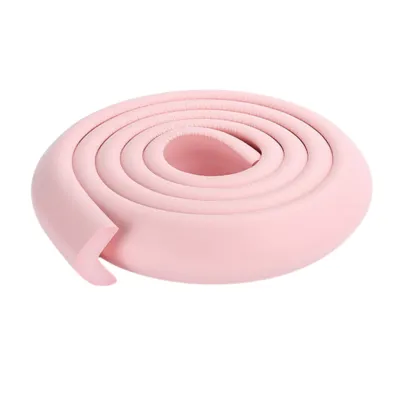
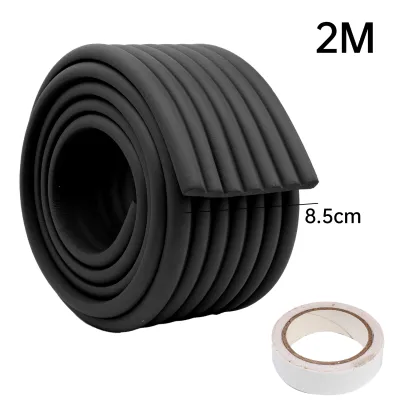
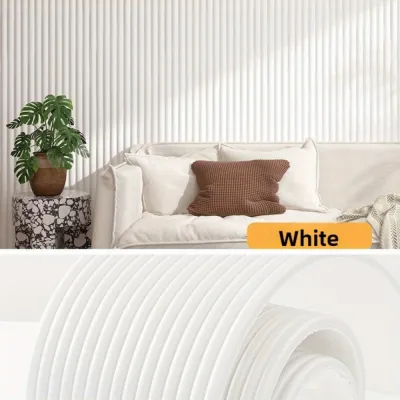
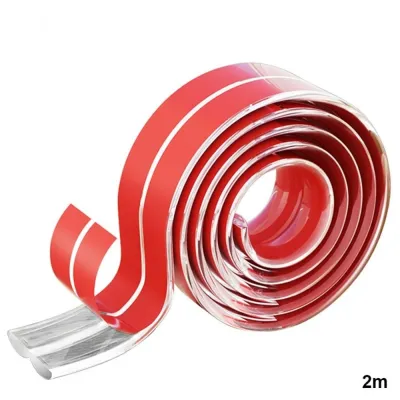
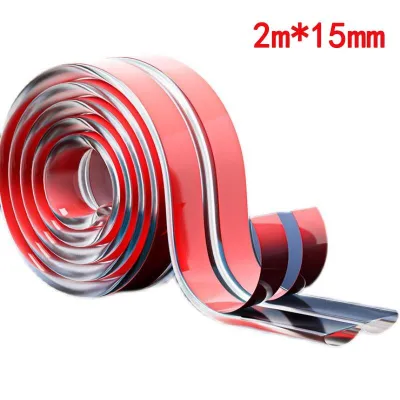
![[SG] Transparent Corner Protector | Corner Guard Baby Safety Corner Protector for Table & Furniture Corner Edge Bumper](https://img.lazcdn.com/g/p/2c50bffc2ff9a577f539ca8b522b78f3.jpg_400x400q80.jpg_.webp)
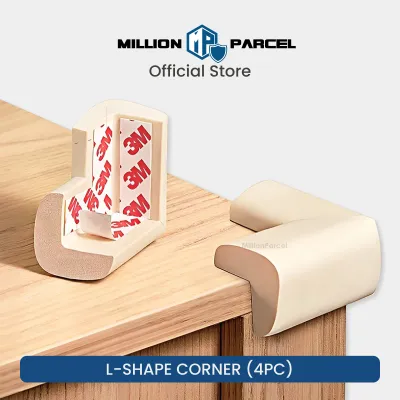
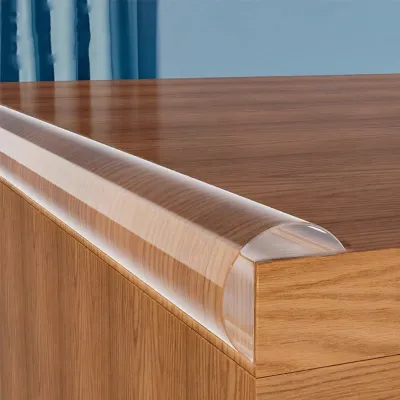
Prices are valid at publication and may change. Please refer to the product page for the latest price.

Foam guards, typically made from expanded materials like Nitrile Butadiene Rubber (NBR) or Ethylene-Vinyl Acetate (EVA), feature a high volume of tiny air pockets. This cellular structure allows the foam to compress deeply under sudden pressure, dispersing the force of a high-velocity impact. If you have low, heavy coffee tables made of solid wood or stone, thick foam guards offer the most forgiving barrier for a falling child.
Silicone, by contrast, is a dense elastomeric polymer. It does not compress as easily as foam, meaning it provides less “give” during a hard fall. However, silicone excels at preventing a child’s body from making direct contact with the sharp edge beneath. It is highly effective on thinner surfaces, such as glass tabletops or metal shelving units, where a bulky foam guard might slip or fail to cover the narrow edge properly.
Rubber guards offer a middle ground. They are denser than foam but more pliable than silicone, providing reliable shock absorption without requiring excessive thickness. When evaluating these materials, check the product labels for density specifications or shock-absorption claims. Look for products that explicitly state they are free from heavy metals, phthalates, and flame retardants, as children frequently touch and sometimes mouth these surfaces.
Evaluating Durability and Adhesion Strength
An edge guard is only effective if it stays securely attached to the furniture. Daily wear, cleaning routines, and curious toddlers who try to peel or bite the guards will test the limits of both the material and its adhesive backing.
Foam is highly susceptible to physical damage. Toddlers who are teething often find the soft texture of foam appealing to bite, which can lead to pieces tearing off. This not only ruins the guard but also creates a serious choking hazard. If you notice any signs of tearing, biting, or crumbling on a foam guard, stop use immediately and replace it.
Silicone and rubber are exceptionally durable and highly resistant to tearing, biting, and general deformation. Silicone can withstand years of wiping, scrubbing, and pulling without losing its shape or structural integrity. This longevity makes silicone a highly cost-effective option for high-traffic areas like dining tables and kitchen counters.
Adhesion strength depends heavily on how the backing tape interacts with the guard material and the furniture surface. Because silicone is naturally non-stick, it requires specialized, high-bond acrylic adhesives to stay in place. In humid climates, such as in Singapore, standard adhesives can degrade faster due to moisture in the air. To ensure a long-lasting bond, always check the manufacturer’s instructions for surface preparation and curing times. Many high-quality adhesives require up to 24 hours to cure fully before they can withstand pulling.
Aesthetics and Furniture Compatibility
Maintaining a cohesive home decor while baby proofing is a common priority for parents. The visual profile and flexibility of each material play a significant role in how well they blend into your living space.
Silicone guards are highly favored for their aesthetic versatility. They are widely available in clear, transparent profiles that allow the natural wood grain or glass edge of your furniture to show through. This transparency makes them nearly invisible from a distance, preserving the design of modern or minimalist interiors. Silicone is also highly flexible, allowing it to wrap smoothly around tight curves, circular dining tables, and irregular edges without creasing.
Foam and rubber guards are opaque and inherently bulky. They are available in various solid colors, such as brown, black, grey, and cream, allowing you to match them roughly to your furniture’s wood tones or paint colors. While they do not blend in as seamlessly as clear silicone, they are highly flexible and can be easily cut to custom lengths or mitered around complex corners using household scissors.
Before applying any adhesive-backed guard, it is crucial to consider the potential for furniture damage. Strong adhesives can strip paint, varnish, or delicate wood veneers when removed. Always test a small, inconspicuous area of your furniture with a piece of the adhesive tape before installing the guards across the entire piece. This simple check can save expensive finishes from permanent damage.
Material Comparison Matrix
To help you weigh the trade-offs of each material, the table below summarizes their key characteristics under typical household conditions.
| Material | Cushioning Level | Durability & Bite Resistance | Aesthetic Profile | Best Furniture Types | Cleaning Ease | Key Verification Points |
|---|---|---|---|---|---|---|
| Silicone | Moderate | High | Clear / Low-profile | Glass, metal, modern wood | Excellent | Check for food-grade certification and adhesive type |
| Foam | High | Low to Moderate | Opaque / Bulky | Heavy wood, stone hearths | Moderate | Verify non-toxic certifications (phthalate-free) |
| Rubber | Moderate to High | High | Opaque / Matte | Textured wood, utility areas | Good | Check for heavy-metal testing and outdoor ratings |
How to Choose the Right Baby Proofing Edge Guard
Selecting the right edge guard requires a systematic approach to ensure every hazard in your home is addressed appropriately.
Step 1: Audit Your Furniture
Walk through your living spaces at your child’s eye level. Identify sharp corners, low coffee tables, glass dining tables, TV consoles, and textured surfaces like brick or stone hearths. Note which surfaces are high-risk for falls and which ones are in high-traffic pathways.
Step 2: Define the Primary Risk and Aesthetic Preference
Determine if you need maximum impact protection for a toddler who is just learning to walk (where foam excels) or if you need a durable, discreet solution for a dining table that gets daily use and spills (where silicone excels). Decide how important visual transparency is for each specific piece of furniture.
Step 3: Match the Material and Verify the Adhesive
Select the material that fits the audited needs of each room. Ensure the adhesive supplied with the guard is compatible with your furniture’s surface finish. For example, ensure the adhesive packaging explicitly states it is safe for use on polyurethane finishes, glass, or painted wood, depending on your needs.
Step 4: Measure and Plan Your Coverage
Measure the total linear footage of the edges you plan to cover. Purchasing continuous rolls rather than pre-cut segments helps minimize the number of seams and joints. Fewer joints mean fewer weak points where a child can grip and peel the guard away from the furniture.
Installation and Maintenance Best Practices
Proper installation is the key to ensuring your edge guards perform as intended and do not damage your home.
Before applying any adhesive, thoroughly clean the furniture surface to remove dust, oils, and polish residue. Use a mild degreasing agent or rubbing alcohol, ensuring the surface is completely dry before application. Any moisture or oil trapped beneath the adhesive will severely compromise the bond, especially in warm or humid environments.
When it is time to remove the guards, do not rip them off forcefully. Use a hairdryer on a low, warm setting to gently heat the adhesive backing. This softens the glue, allowing you to peel the guard away slowly without lifting the underlying wood veneer or paint. Any remaining residue can usually be cleaned with a mild adhesive remover or vegetable oil.
Establish a routine inspection habit. Check the guards weekly for any signs of peeling, cracking, or loose edges. If a guard becomes loose, it loses its protective value and can quickly become a choking hazard if a child manages to pull it free. Replace damaged or peeling guards immediately to maintain a safe environment for your family.
Frequently Asked Questions (FAQ)
Are clear silicone edge guards completely invisible on glass tables?
While clear silicone guards are highly discreet, they are not completely invisible. Light refraction through the silicone and the presence of the adhesive backing will create a visible border along the edge of the glass. To minimize the visual impact, take great care during installation to smooth out any air bubbles, as trapped air will make the adhesive layer much more noticeable.
Can I use the same edge guard material for both indoor furniture and outdoor play areas?
Standard indoor edge guards are generally not suitable for outdoor use. Exposure to direct sunlight, temperature fluctuations, and rain will rapidly degrade standard adhesives and cause materials like foam to crumble or discolor. If you need to protect outdoor play areas, look for specialized, weather-resistant rubber guards that are explicitly rated for outdoor durability and UV exposure.
Community discussion
Share your experience or ask a question. Comments are reviewed before publication.