
Quick Answer: Which Bumper Material Fits Your Needs?
Selecting the ideal baby bumper protector requires evaluating your furniture surfaces, edge sharpness, and your child’s developmental stage. No single material excels in every scenario; the right choice depends on balancing impact cushioning, durability, and aesthetics.
- Silicone: Best for glass, acrylic, and smooth modern surfaces where maintaining a low-profile, transparent aesthetic is key.
- Foam: Best for sharp, hard edges (like low wooden coffee tables or stone hearths) requiring deep, compressible cushioning to absorb high-impact falls.
- Rubber: Best for high-impact, high-traffic zones (like heavy wooden bed frames or desk corners) where heavy-duty durability and tear resistance are paramount.
While these passive safety accessories lower the risk of minor injuries, no bumper replaces active adult supervision. Caregivers must regularly inspect all protective gear for wear, lifting, and potential choking hazards.
Silicone, Foam, and Rubber: Material Profiles
Baby bumper protectors, also known as edge guards, are designed to soften sharp corners and edges when infants begin crawling and walking. The material choice dictates how effectively a bumper absorbs impacts, how it integrates visually into your living space, and how it responds to a child’s natural urge to explore with their mouth. Material density, flexibility, and transparency vary significantly across silicone, foam, and rubber.
Products mentioned in this guide
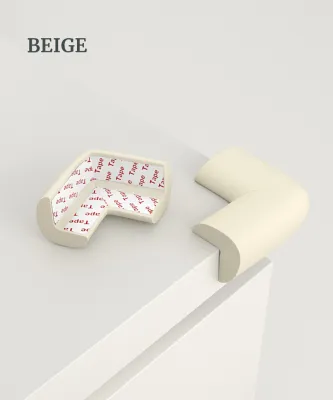
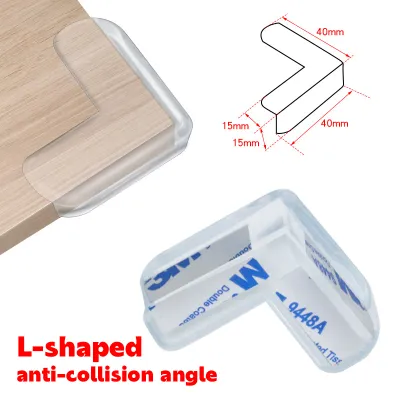
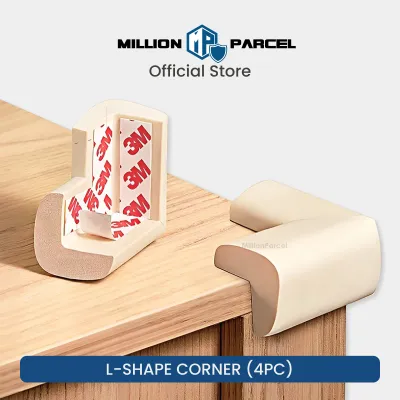
![[SG] Baby Corner Protector Baby Safety Bumper Corner Thickening Soft Table Corner Protector](https://img.lazcdn.com/g/p/f2b804a156a2f52e71743aba898a45d8.jpg_400x400q80.jpg_.webp)
Prices are valid at publication and may change. Please refer to the product page for the latest price.

Silicone Bumper Protectors
Silicone is a highly flexible, synthetic elastomer known for its excellent thermal stability and durability. In babyproofing, it is typically manufactured as a solid, semi-rigid, yet elastic material that bends easily around curved edges without losing its shape. It features a naturally smooth, non-porous surface that prevents it from absorbing liquids or household grime.
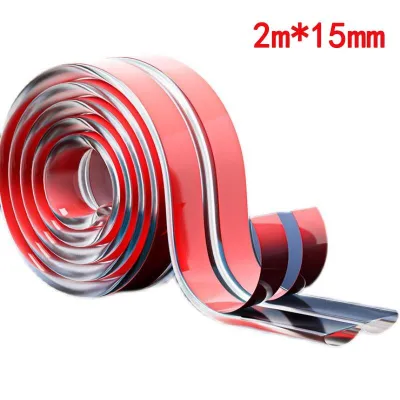
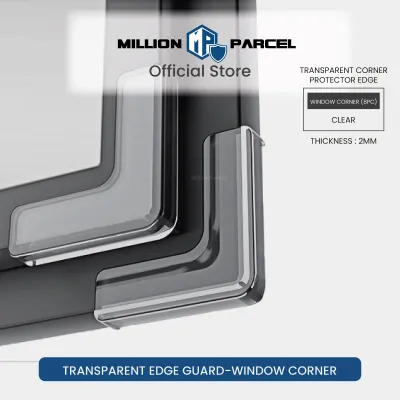
Commonly found as small hemispherical dots, pre-molded L-shaped corner guards, and thin edge strips, silicone offers a major aesthetic advantage. Because it can be produced with high transparency, it remains virtually invisible once applied. This makes it ideal for modern interiors, glass tables, mirrors, or polished metals where bulky, colored guards would disrupt the decor.
Additionally, silicone is exceptionally easy to clean. It can be wiped down quickly with a damp cloth and mild soap, ensuring a hygienic surface in dining or food-prep areas.
Foam Edge Guards
Foam edge guards are lightweight, highly compressible cushions designed for maximum shock absorption. Most high-quality foam bumpers are made from closed-cell materials like Nitrile Butadiene Rubber (NBR) or Ethylene-Vinyl Acetate (EVA) foam. This closed-cell structure traps tiny air pockets, allowing the material to compress deeply under sudden pressure and slowly rebound.
These guards typically come in thick, continuous L-shaped or U-shaped rolls that can be cut to custom lengths, accompanied by pre-molded corner caps. They are available in solid colors like cream, brown, grey, and black to coordinate with wooden or painted furniture.
The primary benefit of foam is its superior initial cushioning on very sharp, narrow edges. However, foam is bulky and highly visible, which can clash with minimalist or high-end home decors.
Rubber Bumpers
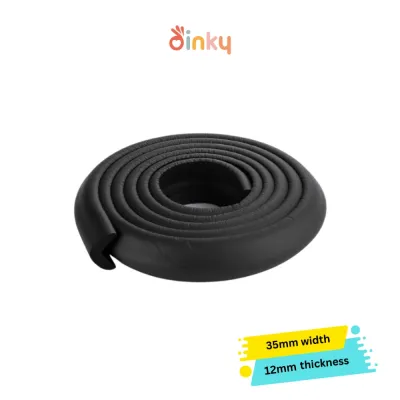
Rubber bumpers are dense, heavy-duty safety guards made from natural or synthetic solid rubber compounds. Unlike soft foam, solid rubber has minimal compressibility but possesses excellent structural memory and rebound, resisting permanent deformation even under repeated heavy impacts.
Commonly available as thick corner protectors, heavy-gauge edge strips, and large impact pads, rubber bumpers are engineered for high-traffic zones and heavy furniture. They provide a long-lasting barrier on bed frames, door frames, and low structural corners.
The main trade-off is their utilitarian and industrial appearance. They are typically limited to basic colors like black or dark brown and do not blend easily into delicate interiors. However, their structural integrity makes them highly effective for protecting heavy, solid-wood furniture.
Comparing Safety, Durability, and Furniture Compatibility
Choosing the right bumper requires looking beyond basic cushioning. Parents must evaluate how these materials perform under real-world conditions, including how they withstand a teething baby, how they age over time, and how their adhesives interact with different furniture surfaces.
Impact Absorption and Choking Hazards
The physical mechanism of impact absorption differs fundamentally between compressible foam and dense materials like silicone and rubber. Foam relies on deep compression, which is highly effective for protecting against narrow, sharp edges because the material deforms easily to absorb the concentrated force of a collision. Silicone and solid rubber rely on surface dispersion and material density; they do not compress deeply but instead distribute the force of an impact across a wider area, preventing a child’s head from bottoming out against a broad, hard surface.
A critical safety boundary that caregivers must evaluate is the potential for a bumper to become a choking hazard. Foam edge guards are highly susceptible to being bitten, chewed, or picked apart by teething infants who naturally explore their environment with their mouths. A child can easily tear off small, swallowable chunks of soft foam with their teeth or fingernails, creating an immediate choking risk.
In contrast, solid silicone and rubber possess high tensile strength and cohesive elasticity, making them extremely difficult for a baby to bite through or tear apart. While the material itself is highly resistant to tearing, these heavier guards can still pose a safety risk if their adhesive fails, causing the entire guard to detach.
To mitigate these risks, caregivers must verify the age recommendations and developmental warnings on the product packaging. It is essential to perform daily visual and physical inspections of all installed bumpers; if any guard shows signs of tearing, bite marks, or loose edges, it must be removed and replaced immediately.
Tear Resistance and Teething Durability
Tear resistance is a key indicator of how long a safety bumper will remain effective. Solid rubber and high-grade silicone offer superior tear resistance, easily withstanding the pulling, scratching, and biting actions of toddlers without structural failure. Foam guards, particularly lower-density NBR options, have low tear resistance and can degrade rapidly if subjected to constant physical friction or direct scratching.
Environmental factors also play a significant role in material degradation, particularly in warm, humid climates. Prolonged exposure to direct sunlight (UV rays) or heat sources can cause NBR foam to dry out, become brittle, and eventually crumble. Some natural and synthetic rubber materials can oxidize over time when exposed to high humidity, resulting in a sticky surface texture or discoloration. Silicone is exceptionally stable under UV exposure and high humidity, maintaining its elasticity, color, and smooth texture over years of use.
When selecting a product, parents should physically inspect the material’s density by squeezing it firmly to assess its resistance to compression and tearing. Always verify the manufacturer’s technical specifications regarding material durability, UV resistance, and chemical safety to ensure the product is free from harmful substances such as BPA, lead, and phthalates.
Adhesive Strength and Surface Safety
A baby bumper protector is only as reliable as the adhesive backing that secures it. Common mounting options include double-sided acrylic gel tape, which is highly transparent and offers clean removal, and traditional double-sided foam tape, which is thicker and better suited for filling minor gaps on textured or uneven surfaces.
The high-tack adhesives required to secure heavy rubber or thick foam bumpers can pose a significant risk to delicate furniture finishes. When removed, these strong adhesives can strip away varnishes, lacquers, shellac, or paint, and they can even peel thin wood veneers or damage delicate leather surfaces. Silicone bumpers often utilize clear, pressure-sensitive acrylic gel adhesives that form a strong bond on non-porous surfaces like glass, metal, and polished laminate while remaining relatively easy to remove without leaving permanent surface damage.
In humid environments, such as Singapore’s tropical climate, airborne moisture can significantly interfere with the initial chemical curing process of adhesives. If the furniture surface is not perfectly dry and free of oils during installation, or if the adhesive is not allowed to cure completely, the bumper is highly likely to peel away prematurely under minimal pressure.
To protect your household investments, always check the furniture manufacturer’s care and maintenance instructions before applying any adhesive safety products. It is highly recommended to test a small piece of the adhesive tape on an inconspicuous, hidden area of the furniture first to evaluate its impact on the finish. When removing the bumper, never pull it off forcefully; instead, use a hairdryer on a low-warm setting to gently heat and soften the adhesive before carefully peeling it away.
Decision Framework: Which Material Should You Buy?
To simplify your purchasing decision, use the following structured, condition-based framework to match the right bumper material to your specific household needs, furniture types, and child’s behavior.
Choose Silicone if:
- The primary surfaces requiring protection are glass, acrylic, polished metals, or high-gloss laminates, such as modern dining tables, coffee tables, or media consoles.
- You prioritize a highly discreet, low-profile safety solution that preserves the natural aesthetic and design of your home interior.
- Your child is in the early stages of mobility (such as crawling or pulling up) and is not actively chewing or teething on furniture edges.
- The bumpers will be installed in dining, kitchen, or high-chair areas where frequent spills occur and an easily washable, non-porous surface is required.
Choose Foam if:
- You need to secure long, highly irregular, or exceptionally sharp edges, such as low-lying wooden coffee tables, stone hearths, or metal shelving units.
- Maximum initial impact cushioning is your absolute top priority to protect a highly active toddler who is prone to frequent falls.
- You are committed to performing daily physical inspections of the guards to check for bite marks, punctures, crumbling, or tearing.
- The underlying furniture surface is painted, utility-focused, or robust enough to tolerate standard double-sided foam tape without risk of costly damage.
Choose Rubber if:
- You are protecting heavy, high-impact zones that experience frequent physical contact from toys, vacuum cleaners, or heavy foot traffic, such as bed frames, door frames, or thick wooden desk corners.
- Your child is an aggressive teether who actively chews on household objects, requiring a guard with maximum tear resistance and structural integrity.
- You do not mind an opaque, utilitarian, or industrial appearance in exchange for long-term durability and heavy-duty physical protection.
- The furniture is made of solid, unfinished, or heavily sealed hardwood that can easily withstand the application and removal of high-strength adhesive backings.
Verify First if:
- You intend to apply adhesive bumpers to antique furniture, freshly painted surfaces (which require at least 4 to 6 weeks of curing time before adhesive application), or delicate wood veneers. In these sensitive scenarios, you must prioritize surface safety over impact thickness. Consider using temporary physical barriers, moving the delicate furniture out of the child's active play area, or consulting a professional furniture restoration specialist for advice on adhesive compatibility before proceeding.
Safe Installation and Maintenance Practices
Proper installation and diligent ongoing maintenance are essential to ensure that baby bumper protectors function effectively and do not introduce new safety hazards into your home.
Surface Preparation:
- Before applying any adhesive tape, the target furniture surface must be completely free of dust, oils, wax, polish, and moisture.
- Clean the area thoroughly using a clean, lint-free microfiber cloth dampened with isopropyl alcohol (rubbing alcohol).
- Always test a small, hidden spot on the furniture first to ensure the isopropyl alcohol does not dull or damage the finish.
- Allow the surface to dry completely; any remaining moisture or cleaning residue will severely compromise the adhesive's chemical bond, leading to premature lifting.
Application Technique:
- Carefully measure the furniture edge and cut the bumper material to the exact required length using sharp shears. If you are installing pre-molded corner guards, dry-fit them first to ensure perfect alignment.
- Apply the double-sided adhesive tape firmly to the inside surfaces of the bumper, ensuring there are no air bubbles or gaps.
- Peel the protective backing from the tape, align the bumper precisely with the furniture edge, and press it firmly into place. Apply strong, even pressure along the entire length of the guard for at least 30 to 60 seconds to activate the pressure-sensitive adhesive.
- Allow the adhesive to cure undisturbed for the full duration recommended on the product packaging, which is typically 24 hours. Keep your child away from the newly installed bumper during this curing period, as any early pulling or tugging will permanently weaken the bond.
Routine Maintenance:
- Establish a strict weekly inspection schedule for all edge and corner guards in your home. Run your hands along each bumper to check for lifting corners, peeling tape, or signs of material degradation.
- Inspect foam guards closely for any evidence of biting, scratching, missing pieces, or crumbling. If any damage is detected, or if the adhesive begins to fail, the bumper must be addressed immediately to prevent a choking hazard.
Safe Removal:
- To remove an old or damaged bumper without damaging your furniture's finish, use a handheld hairdryer set to a low-warm temperature. Apply gentle heat directly along the adhesive seam to soften the gel or foam tape.
- Slowly and gently peel the bumper away from the surface. For stubborn or high-strength adhesives, slide a piece of dental floss or a flexible plastic scraper (such as an old credit card) between the bumper and the furniture to slice through the softened adhesive bond.
- Clean away any remaining adhesive residue using a mild, surface-safe solvent, citrus-based cleaner, or warm soapy water, verifying compatibility on a hidden area of the furniture first.
End-of-Life:
- Baby bumper protectors are temporary safety aids and are not designed for permanent use. Once a bumper loses its structural shape, shows signs of permanent compression, or exhibits reduced adhesion, it must be replaced immediately. A loose, peeling, or severely degraded bumper no longer provides adequate impact protection and can easily become a tripping or choking hazard for your child.
Community discussion
Share your experience or ask a question. Comments are reviewed before publication.