
As your baby transitions from crawling to those first unsteady steps, your home’s sharp edges suddenly present a constant hazard. Finding the ideal baby corner protector is not a one-size-fits-all task; the most effective material depends entirely on the specific furniture surface you are covering and the level of impact protection required.
To make the right choice, you must weigh safety needs against the preservation of your furniture. Clear silicone protectors are the premier choice for glass tables, display cabinets, or delicate, light-colored wood where aesthetics and residue-free removal are your primary concerns. High-density foam guards provide maximum shock absorption for sharp wooden desk edges, heavy dressers, or hard metal bed frames where a toddler is likely to collide with significant force. Rigid plastic protectors, on the other hand, offer minimal impact absorption and are generally unsuitable for sharp corners, serving better to prevent minor scratches on thick, blunt edges.
Beyond selecting the material, verifying the adhesive type and understanding how it interacts with different finishes is critical to preventing permanent damage to your home. In tropical climates like Singapore, high relative humidity can cause adhesives to degrade, become gummy, or fail prematurely, making proper selection and installation even more vital.
Products mentioned in this guide
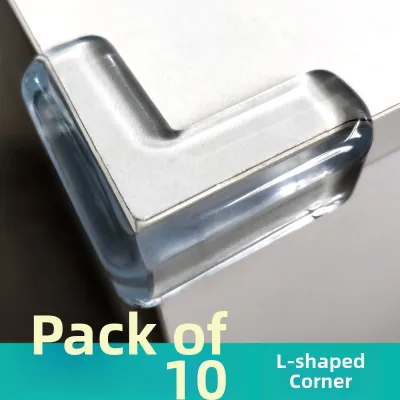
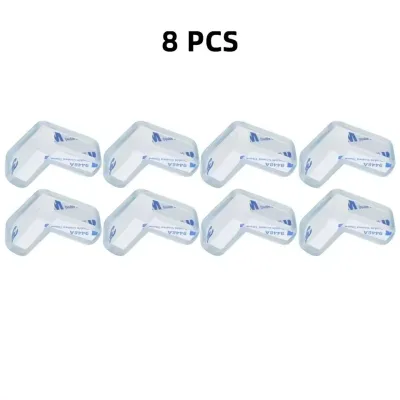
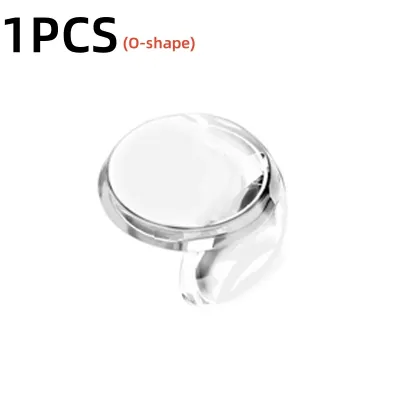
![[SG] Baby Corner Guard | Corner Protector | Baby Head Protector | Edge Protector | Bumper Protector | Table Corner P](https://img.lazcdn.com/g/p/6d0ad5feda800271fcef3fd03f6ba8d8.jpg_400x400q80.jpg_.webp)
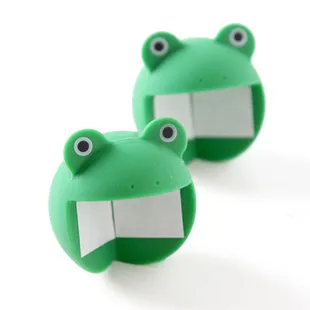
![[SG FREE ] 1M Soft Clear PVC Table Edge Furniture Guard Corner Protector Baby Safety Care](https://img.lazcdn.com/g/p/0afe03bf84a2a62b7eed62cfa40bc98b.jpg_400x400q80.jpg_.webp)
Prices are valid at publication and may change. Please refer to the product page for the latest price.
Comparing Silicone, Foam, and Plastic Corner Protectors
To choose the right protective barrier for your child, you must first understand the physical properties, impact-absorption limits, and aesthetic trade-offs of the three primary materials available on the market.
Silicone Protectors (Clear and Gel-Based)
Silicone corner protectors are highly favored for their discreet appearance and flexible, rubber-like texture. Because they are typically transparent or semi-translucent, they blend seamlessly with glass, acrylic, and light-coloured wood finishes, allowing you to maintain your home’s interior styling without drawing unnecessary attention to the safety modifications.
In terms of physical performance, silicone provides moderate shock absorption. The elastomeric nature of silicone allows it to compress and distribute the force of a minor bump or scrape, which is generally sufficient for low-velocity impacts. However, because silicone is denser and thinner than high-density foam, it can “bottom out” under high-force impacts, meaning a fast-running toddler might still feel a significant portion of the hard corner underneath.
Silicone is naturally highly cohesive, giving it a strong, flexible grip on smooth surfaces. When paired with high-quality, clear acrylic adhesives, silicone protectors can be removed cleanly with minimal residue, making them excellent for rental properties or high-value furniture pieces.
When shopping for silicone protectors, do not rely solely on product marketing claims. Always check the packaging or manufacturer documentation to verify that the material is non-toxic, BPA-free, and certified to food-grade or medical-grade standards. Because teething babies frequently mouth and chew on low-lying corner guards, ensuring the material is free from harmful chemical additives is a critical safety step.
Foam Guards (EVA and High-Density NBR)
Foam corner and edge guards are the industry standard for high-impact protection. Typically manufactured from Ethylene-Vinyl Acetate (EVA) or Nitrile Butadiene Rubber (NBR), these materials feature a closed-cell structure that traps tiny pockets of air. This physical composition allows the foam to compress deeply upon impact, absorbing and dissipating the kinetic energy of a severe collision far better than silicone or plastic.
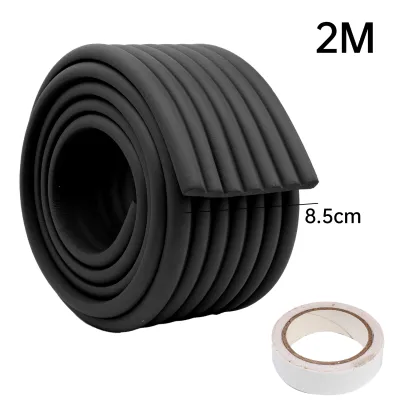
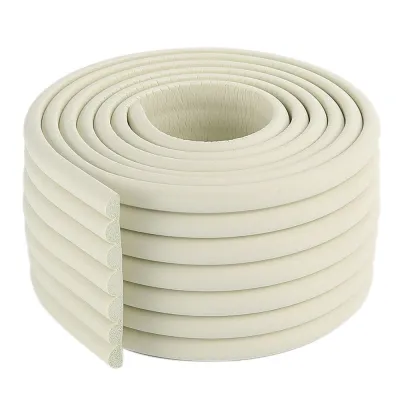
High-density NBR foam is particularly effective for active toddlers who are learning to walk or run, as it provides a thick, cushiony barrier over sharp edges. Because foam is inherently opaque and available in limited solid colors (such as brown, black, grey, or cream), it is highly visible and will alter the aesthetic of your furniture. However, for many caregivers, the visual trade-off is well worth the peace of mind.
Another significant advantage of foam is its versatility. It is frequently sold in long, continuous rolls alongside matching corner pieces, allowing you to cover both the sharp corner and the extended adjacent edges of long dining tables, low TV consoles, or stone hearths.
Despite its superior protective qualities, foam carries a risk of furniture damage. The heavy-duty, double-sided acrylic tapes typically supplied with foam guards are designed for permanent or semi-permanent bonding. When the time comes to remove these guards, the aggressive adhesive can easily strip paint, varnish, or delicate wood veneers if not removed with extreme care.
Hard Plastic Protectors
Hard plastic corner protectors, often made from rigid polyvinyl chloride (PVC) or polycarbonate, are sometimes marketed for baby proofing, but they have severe limitations. Because these materials are rigid and non-compressible, they offer virtually zero impact absorption. When a child collides with a hard plastic protector, the kinetic energy of the impact is transferred directly back to the child’s body, doing little to mitigate the risk of bruises or cuts.
Instead of child safety, the primary functional use case for hard plastic guards is furniture preservation. They are highly effective at preventing heavy vacuum cleaners, toys, or suitcases from scratching or chipping the blunt, thick corners of walls, kitchen islands, or heavy wooden crates.
Because of this lack of cushioning, you should avoid using hard plastic protectors on low coffee tables, desks, or any furniture situated at head-height for a crawling or cruising toddler. A fall onto a rigid plastic corner can be just as dangerous as a fall onto the unprotected furniture corner itself.
Furthermore, rigid plastic protectors often rely on stiff, double-sided tape or even suction cups. These mounting methods require perfectly flat, non-porous surfaces to hold. On uneven, textured, or slightly curved wooden and metal surfaces, the rigid plastic cannot flex to match the contour, leading to rapid adhesive failure and a loose guard that can quickly become a choking hazard.
Matching Protector Materials to Specific Furniture Surfaces
Every furniture material in your home has unique physical properties, surface textures, and finishes. To ensure both child safety and furniture preservation, you must pair the correct protector material with the specific surface type.

Glass Tables and Display Cabinets
Glass furniture, such as modern coffee tables, dining tables, and display cabinets, presents a double hazard: the edges are exceptionally sharp, and the material itself is fragile. For these smooth, non-porous surfaces, clear silicone is the definitive recommendation.
Silicone’s natural transparency ensures that the visual appeal of the glass is preserved. More importantly, clear acrylic adhesives bond exceptionally well to smooth glass, creating a secure, long-lasting seal that curious fingers cannot easily peel away. The flexible nature of silicone also allows it to wrap snugly around the thin profile of a glass tabletop.
Avoid using thick, opaque foam guards with heavy-duty, colored double-sided tape on glass. Not only does this look unsightly, but the aggressive adhesives used for foam can leave a stubborn, gummy residue on the glass. Removing this residue often requires harsh chemical solvents or scraping tools, which run the risk of scratching the glass surface or damaging the surrounding metal or wooden frames and seals.
Before purchasing silicone protectors for glass, measure the glass thickness and examine the edge bevel. Some glass tables have highly rounded or beveled edges that prevent standard L-shaped silicone guards from seating properly. Look for specialty U-shaped silicone guards designed to slide over the glass edge, ensuring a snug, slip-free fit.
Wooden Furniture, Desks, and Dressers
Wooden furniture ranges from sturdy, solid oak desks to delicate, veneered coffee tables and antique heirlooms. Because wood is a natural, porous material finished with paints, stains, varnishes, or lacquers, it requires a highly balanced approach to baby proofing.
For antique, painted, or highly delicate wood surfaces, clear silicone protectors paired with a gentle, residue-free adhesive are highly recommended. These adhesives provide sufficient grip to keep the protector in place without bonding so aggressively that they tear away the wood’s protective topcoat or paint during removal.
For modern, solid-wood furniture where high-impact protection is necessary—such as a heavy dining table or a sharp-edged study desk—high-density foam is the superior safety choice. However, because the adhesives supplied with foam can be highly aggressive, you must take steps to protect the wood finish.
- Test the Adhesive: Before applying any adhesive tape to visible wood grain, cut a tiny piece of the tape and apply it to an inconspicuous area, such as the underside of the table leg. Leave it for 24 hours, then peel it off to check if it lifts the finish.
- Consider Putty: If your furniture manufacturer's care instructions explicitly warn against using acrylic adhesive tapes, consider using a specialized, furniture-safe adhesive putty or a low-tack tape designed specifically for delicate surfaces.
- Account for Humidity: Wood is highly sensitive to environmental conditions, expanding and contracting as humidity levels shift. In Singapore's tropical climate, this movement can put constant stress on rigid adhesive bonds. Opting for flexible silicone or compliant foam guards allows the adhesive layer to flex slightly with the wood, preventing premature peeling.
Metal Frames, Cribs, and Appliances
Metal surfaces—such as steel bed frames, powder-coated table legs, aluminum filing cabinets, and stainless steel kitchen appliances—are incredibly unforgiving. A collision with a metal corner carries a high risk of deep cuts or severe bruising, making robust protection essential.
High-density NBR foam is the ideal choice for these hard metal surfaces. The thick, energy-absorbing foam provides a vital cushion against high-velocity impacts. Because metal is highly durable and non-porous, it can tolerate the strong, heavy-duty adhesives typically paired with foam guards, allowing you to secure the guards firmly without worrying about ruining a delicate finish.
To ensure a successful bond on metal, thorough surface preparation is mandatory. Metal furniture and appliances often carry a thin film of manufacturing oil, protective wax, or accumulated household dust. If you apply the adhesive directly over this film, the tape will bond to the oil rather than the metal, causing the protector to fall off within days.
Before installation, inspect the metal surface carefully. Check for any signs of rust, peeling powder-coating, or sharp, uneven welding seams. Applying adhesive over rust or loose paint will compromise the bond, and uneven seams may require you to trim the foam guard slightly with scissors to ensure a flush, secure fit.
Safety Checks, Installation, and Damage-Free Removal
Proper installation and ongoing maintenance are just as important as choosing the right material. A poorly installed corner protector can easily fall off, failing to protect your child and potentially becoming a dangerous choking hazard.
Surface Preparation
To achieve a maximum adhesive bond, you must prepare the surface meticulously. Begin by cleaning the target area with mild dish soap and warm water to remove surface dirt, skin oils, and grease. Avoid using harsh chemical solvents, heavy household detergents, or glass cleaners that contain wax or silicone, as these can leave an invisible residue that prevents the adhesive from bonding correctly.
Once cleaned, dry the surface completely with a clean, lint-free microfiber towel. Any trapped moisture underneath the adhesive can lead to mold growth, particularly on wooden furniture, and will severely weaken the adhesive bond over time.
Adhesion and Curing
When applying the corner protector, peel the adhesive backing and position the guard precisely on the corner. Press down firmly on all sides of the protector for at least 30 seconds. This pressure-sensitive adhesive requires physical force to activate the microscopic bonding agents and conform to the microscopic texture of the furniture surface.
Once applied, it is critical to let the adhesive cure undisturbed. Most manufacturer guidelines specify a curing time of 24 to 48 hours. During this window, keep your child away from the area and avoid touching or testing the strength of the guard. Allowing the polymer chains in the adhesive to fully cross-link ensures a long-lasting bond that can withstand daily bumps and tugs.
Choking and Wear Inspection
Baby corner protectors are subject to constant physical stress from vacuum cleaners, toys, and curious children. Establish a strict routine to inspect all installed guards at least once a week.
Foam guards can easily tear or crumble, especially if a teething baby bites or chews on them. Silicone guards can degrade or become loose if exposed to constant moisture or direct sunlight. If you notice any signs of peeling, bite marks, tearing, or loose adhesive, replace the protector immediately. Small pieces of torn foam or a completely detached silicone guard pose a severe choking hazard to young children.
Always remember that baby proofing products are secondary safety aids. They are designed to reduce the severity of accidental bumps, but they do not replace active adult supervision. Never leave a child unattended in an area with potential hazards.
Safe Removal Protocol
When your child outgrows the need for corner protectors, removing them safely requires patience to avoid damaging your furniture finishes. Do not attempt to rip the guards straight off, as this sudden force is highly likely to pull up paint, varnish, or wood veneer.
To remove a guard safely, use a hairdryer set to a low, warm heat setting. Direct the warm air at the adhesive seam for 1 to 2 minutes to soften the acrylic glue. Once the adhesive becomes warm and pliable, slowly peel the protector back at a shallow 45-degree angle, applying continuous, gentle tension.
If any adhesive residue remains on the surface, do not use metal scrapers or harsh chemical solvents. Instead, apply a small amount of a mild natural oil, such as baby oil or olive oil, to the residue and let it sit for 5 to 10 minutes to break down the adhesive binders. Gently wipe the residue away with a soft cloth. Always consult your furniture manufacturer’s original care instructions before applying any commercial adhesive removers or oils to ensure compatibility with your specific finish.
Frequently Asked Questions (FAQ)
How do I remove corner protector adhesive without damaging wood?
To remove adhesive from wood safely, use a hairdryer set to low, warm heat to gently warm the corner protector for 1 to 2 minutes. This softens the adhesive without scorching or drying out the wood finish. Slowly peel the guard back at a flat, 45-degree angle rather than pulling straight up. For any remaining sticky residue, apply a few drops of baby oil or a specialized, wood-safe citrus-based cleaner to a soft microfiber cloth and rub gently in the direction of the wood grain. Always consult your furniture’s original care manual first, as some modern lacquers, water-based paints, and antique shellacs are highly sensitive to heat and oils.
Are foam corner protectors a choking hazard?
Yes, foam corner protectors can become a serious choking hazard if they are damaged or poorly maintained. Teething babies and toddlers frequently bite and chew on low-lying furniture edges, and their sharp primary teeth can easily bite off small pieces of soft EVA or NBR foam. Caregivers must inspect all foam guards daily for any signs of tearing, bite marks, or compression damage. If your child frequently mouths or chews on furniture edges, stop using foam guards immediately and transition to chew-resistant, food-grade silicone protectors. Remember that no safety device is completely indestructible, and active adult supervision is always required to keep your child safe.

Community discussion
Share your experience or ask a question. Comments are reviewed before publication.