
When baby-proofing your home, choosing the right safety accessories is a crucial step in keeping your little one secure as they begin to crawl and walk. If you are deciding between silicone and foam edge guards (often searched as 防撞垫), there is no single option that fits every household perfectly. The ideal choice depends on your furniture’s material, your child’s current developmental stage, and your aesthetic preferences. High-density foam excels at absorbing heavy impacts on sharp, unforgiving surfaces like stone or glass, while silicone offers unmatched durability, bite resistance, and a subtle profile for wooden or curved items.
While the choice of material is vital, remember that baby-proofing is a multi-layered safety strategy. A bumper is only as reliable as its installation and the adhesive holding it in place. Understanding the unique characteristics of both silicone and foam will help you select the most effective protection for your specific home environment, ensuring your child remains safe from painful bumps and bruises.
Protection and Shock Absorption: Silicone vs Foam
The primary job of any edge guard is to cushion impacts and prevent severe injuries when a toddler collides with furniture. However, silicone and foam handle the physics of impact in fundamentally different ways. Understanding these mechanical differences will help you match the right material to the specific hazards in your home.
Products mentioned in this guide
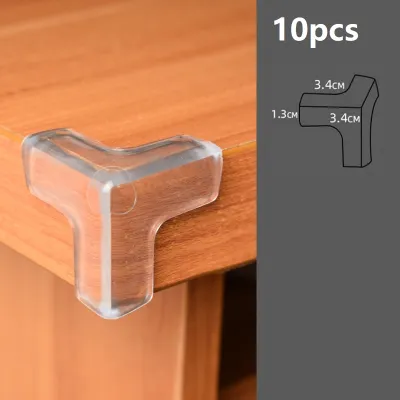
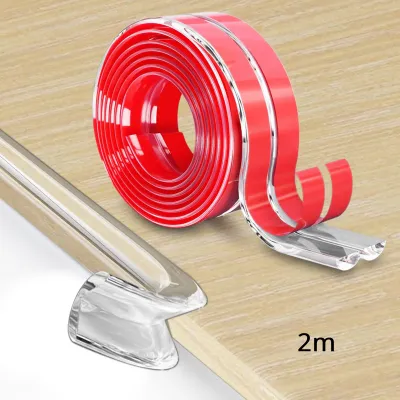
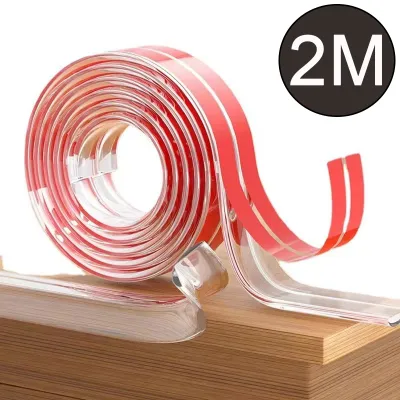
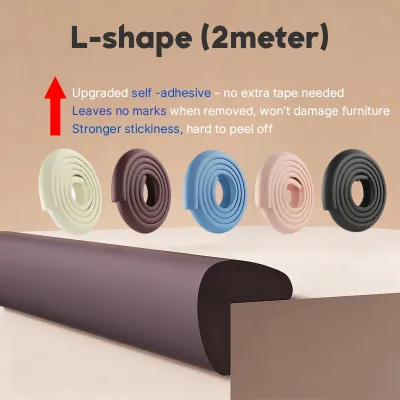
Prices are valid at publication and may change. Please refer to the product page for the latest price.
Foam Edge Guards (EVA/NBR)
Foam edge guards are typically manufactured from Nitrile Butadiene Rubber (NBR) or Ethylene-Vinyl Acetate (EVA). These materials consist of closed-cell structures that trap tiny pockets of air within the material. When a child falls against a foam bumper, these air pockets compress under pressure, absorbing and dissipating the kinetic energy of the impact over a wider surface area. This mechanical deformation significantly reduces the peak force exerted on the child’s head or body, making it highly effective at preventing severe trauma.
This superior shock absorption makes foam the ideal choice for high-risk zones. It is particularly suited for sharp glass tables, heavy metal bed frames, or hard granite and marble countertop edges where a severe fall could otherwise cause deep cuts or serious bruising. However, parents should be aware that not all foam products offer the same level of protection. It is important to verify the thickness and density specifications on the product packaging, as low-density foam can easily bottom out under a heavy impact, failing to provide the expected cushioning.
Silicone Edge Guards
Silicone is a synthetic polymer made of silicon, oxygen, carbon, and hydrogen. Unlike closed-cell foam, silicone is inherently denser, firmer, and less compressible. Instead of compressing deeply to absorb energy, silicone relies on its high elasticity and tensile strength to distribute the force of an impact across its structure. It provides a firmer, rubbery barrier rather than a soft, pillowy cushion.
This physical profile makes silicone better suited for moderate hazards. It is excellent for rounded corners, low-clearance areas, or surfaces where a child is more likely to brush past or bump lightly rather than fall with full body weight. Furthermore, because silicone is firmer, it does not deform easily under lateral forces. When a child collides with a silicone guard at an angle, the material’s structural integrity helps deflect the impact and prevents the bumper from shifting or sliding off the furniture edge.
Durability, Adhesion, and Furniture Compatibility
Beyond impact protection, an edge guard must stay securely in place and withstand the daily wear and tear of a busy household. How each material interacts with adhesives and different furniture finishes is a major factor in its long-term performance.

Adhesion and Surface Matching
The bond between the bumper and the furniture is the ultimate point of failure for any baby-proofing project. Silicone guards are typically paired with clear, high-performance acrylic adhesives. These pressure-sensitive adhesives form a strong, molecular bond with smooth, non-porous surfaces such as tempered glass, polished wood, metal, and plastic. One of the primary benefits of acrylic adhesive is its optical clarity, which matches the transparent nature of many silicone guards, and it generally leaves less sticky residue behind when eventually removed.
In contrast, foam edge guards are commonly supplied with double-sided rubber-based tape. This adhesive is thicker and more conformable, allowing it to fill small gaps on textured, semi-porous, or slightly uneven surfaces. However, rubber-based adhesives can degrade more quickly when exposed to heat and humidity—a significant factor in tropical climates like Singapore. Over time, the adhesive can turn into a sticky, gummy residue that is difficult to remove without solvent cleaners, and it may damage delicate wood veneers, lacquers, or paint finishes. To protect your investment, always test any adhesive on a hidden, inconspicuous area of the furniture before full application.
Wear and Tear Resistance
Durability is another area where these two materials diverge significantly. Teething babies are naturally drawn to chewing on soft, textured surfaces, and edge guards at eye level are prime targets. Silicone is exceptionally resilient in this regard. It possesses high tear strength and is virtually impervious to human teeth, saliva, and moisture. This means it can withstand months of teething and daily cleanings with mild soap and water without losing its structural integrity or hygienic properties.
Foam, on the other hand, is highly vulnerable to physical wear. NBR and EVA foams are soft and easily gouged. A determined toddler can easily bite off chunks of foam, which not only ruins the guard but also poses immediate health risks. Furthermore, foam is porous, meaning it can absorb saliva, sweat, and spilled liquids, creating a breeding ground for bacteria if not cleaned frequently. Over time, exposure to household cleaning chemicals can cause foam to dry out, crumble, or lose its cushioning ability, necessitating frequent inspections and replacements.
Safety, Toxicity, and Choking Hazards
Because baby-proofing products are placed within reach of curious mouths, chemical safety and physical integrity are paramount. Parents must look beyond marketing buzzwords and actively verify safety claims on product packaging.
Material Toxicity and Certifications
While high-quality silicone is naturally inert, hypoallergenic, and free from harmful chemicals, cheaper alternatives may contain fillers. Similarly, foam bumpers can sometimes contain chemical flame retardants or plasticizers. When purchasing edge guards, check for clear labels indicating that the product is non-toxic, BPA-free, lead-free, and phthalate-free.
Look for recognized international safety testing standards and certifications on the packaging. For instance, compliance with European standards (such as EN 71-3 for chemical safety) or American standards (such as ASTM F963) indicates that the product has undergone rigorous testing for heavy metals and toxic substances. Do not rely solely on the material name; verify the manufacturer’s safety credentials to ensure the product is safe for contact with your child’s mouth.
Choking Hazards and Structural Integrity
While the primary purpose of an edge guard is to prevent impact injuries, a poorly maintained or low-quality guard can introduce new hazards. The tendency of foam to tear easily under a child’s bite creates a direct choking hazard. Small, swallowed pieces of NBR or EVA foam can block a young child’s airway or cause digestive issues.
Silicone, while highly resistant to tearing, presents a different type of risk. Because silicone is often sold in long, continuous strips, a failure of the adhesive can cause a significant length of the guard to peel away. A loose, dangling strip of silicone can quickly become a strangulation hazard or a tripping risk for a toddler. To mitigate these risks, parents should establish a strict weekly inspection routine to check all edge guards for signs of peeling, loose corners, or bite marks. If any section is compromised, remove it immediately and replace it with a fresh piece rather than attempting to patch it.
Aesthetics and Visibility on Different Surfaces
Keeping a home safe does not have to mean sacrificing your interior design, which is a key consideration for homeowners in Singapore’s modern, space-conscious apartments. The visual impact of an edge guard can also influence how your child interacts with it.
Clear silicone guards offer an excellent aesthetic solution. Being transparent, they allow the natural grain of wooden tables or the sleek lines of glass furniture to show through. This makes them nearly invisible from a distance, maintaining the clean look of your living space. However, because clear silicone is discreet, it does not draw the child’s attention. This can be beneficial if your child is prone to peeling off colorful objects, but it also means the child may not realize the sharp edge is there.
In contrast, foam guards are opaque and bulky. They are available in a wide range of solid colors, from neutral wood tones to bright, high-contrast shades. While foam can look visually intrusive on delicate furniture, this high visibility can serve a practical safety purpose. For older toddlers who are starting to understand boundaries, a bright foam bumper acts as a clear visual warning. It helps them recognize and navigate around hazardous corners, actively teaching them to avoid collisions. Parents should balance their aesthetic desires with their child’s behavioral patterns, perhaps using discreet silicone in low-traffic areas and highly visible foam in high-traffic play zones.
Silicone vs Foam Edge Guards: Choosing the Right 防撞垫
To help you quickly evaluate the differences between these two materials, the following table summarizes how silicone and foam compare across key performance dimensions.
| Dimension | Silicone Edge Guards | Foam Edge Guards (NBR/EVA) |
|---|---|---|
| Shock Absorption | Moderate; best for light bumps and low clearance | High; excellent for heavy impacts on hard/sharp surfaces |
| Durability & Bite Resistance | Excellent; highly resistant to tearing, chewing, and moisture | Low to Moderate; easily chewed, torn, or degraded by saliva |
| Adhesion & Residue Risk | Strong acrylic adhesive; typically leaves minimal clear residue | Double-sided tape; can leave sticky residue or strip delicate finishes |
| Aesthetics & Discretion | High; transparent options blend seamlessly into decor | Low; bulky and opaque; can disrupt furniture aesthetics |
| Best Furniture Types | Glass, polished wood, metal, curved edges | Stone, heavy metal frames, sharp square corners |
| Choking & Safety Risks | Low bite risk; potential hazard if long strips detach | High bite risk; small torn pieces present a choking hazard |
Note: Specific performance, adhesive strength, and material density vary significantly by manufacturer. Always review individual product specifications and test adhesives on an inconspicuous area before full installation.
How to Choose: Decision Framework for Parents
Making the final decision requires balancing your specific furniture types, your child’s developmental stage, and the practical environment of your home. Use this condition-based framework to guide your purchase.
Choose Foam if:
- You are protecting high-risk, extremely sharp, or hard surfaces such as granite kitchen islands, slate hearths, or heavy steel bed frames.
- Your primary goal is maximum impact cushioning to prevent serious injury from a high-velocity fall.
- Your child is still in the crawling stage and has not yet developed a habit of chewing on furniture or pulling at loose objects.
Choose Silicone if:
- You want a subtle, clean look that preserves the aesthetics of your glass, modern acrylic, or polished wooden furniture.
- Your baby is actively teething and is highly likely to bite, chew, or pick at any soft material within reach.
- You want long-lasting protection on curved edges or round table corners where flexible, highly elastic material is required.
- You prefer an adhesive that is easier to clean and less likely to leave stubborn, gummy residue upon removal.
Verify First if:
- Your furniture features a delicate, antique, veneered, or freshly painted finish. Strong adhesives can easily strip away these surfaces during removal. Always consult the furniture manufacturer's care instructions or test the adhesive in a hidden spot first.
Neither may fit if:
- The target surface is highly textured, rough, heavily oiled, or constantly exposed to moisture (such as outdoor patio furniture or bathroom cabinets). In these scenarios, standard pressure-sensitive adhesives will struggle to form a reliable bond. Consider alternative safety measures, such as temporarily relocating the furniture, using free-standing playpens, or restricting your child's access to the room entirely.
Installation and Maintenance Tips for Maximum Safety
Proper installation is just as critical as selecting the right material to ensure long-term safety. Even the highest-quality edge guard will fail if the adhesive bond is compromised during application.
First, prepare the surface meticulously. Clean the target area thoroughly using rubbing alcohol to strip away household oils, dust, and wax polish. Avoid using multi-surface spray cleaners, as they often leave behind a microscopic residue that prevents the adhesive from bonding fully. Allow the surface to dry completely before applying the guard.
Next, measure and cut the edge guard to size. When applying the adhesive, press firmly along the entire length of the guard for at least 30 seconds to activate the pressure-sensitive bond. Crucially, allow the adhesive to cure completely before letting your child near the furniture. Most manufacturers recommend a curing window of 24 to 48 hours to achieve maximum bond strength. Applying pressure or allowing a child to pull on the guard too early will significantly weaken the adhesive, leading to premature peeling.
Finally, incorporate a quick safety check into your weekly cleaning routine. Inspect each bumper for signs of lifting, cracking, or bite damage. If an edge guard becomes loose or damaged, remove it entirely, clean the surface again, and apply a fresh section. Never attempt to patch a failing bumper with ordinary household tape, as this compromises safety and can create an ingestion hazard.

Community discussion
Share your experience or ask a question. Comments are reviewed before publication.