
When babies transition from crawling to pulling themselves up, every sharp edge in the home suddenly becomes a potential hazard. Installing a corner guard protector is one of the most practical steps parents can take to baby-proof living spaces. However, choosing between silicone and foam protectors requires balancing safety, durability, and how the materials interact with your furniture.
Silicone corner guards offer excellent durability, a low visual profile, and a tough surface that resists biting and tearing, making them ideal for long-term use on modern wood, glass, or metal furniture. Foam corner guards provide thicker, highly compressible cushioning that excels at absorbing impacts on sharp, severe angles, though they are more vulnerable to wear, moisture retention, and toddler tampering. Deciding which material is right for your home depends on your furniture types, your child’s developmental stage, and your maintenance preferences.
Understanding Silicone and Foam Corner Guard Materials
To choose the right protector, it helps to understand the physical properties of solid silicone and expanded foam. Silicone is an elastomeric material known for its high density, rubbery flexibility, and resilience. It is typically molded into slim, low-profile shapes like rounded spheres or clean L-profiles. Because silicone is solid, it maintains its structural integrity under heavy pressure and does not easily deform or tear over time.
Products mentioned in this guide
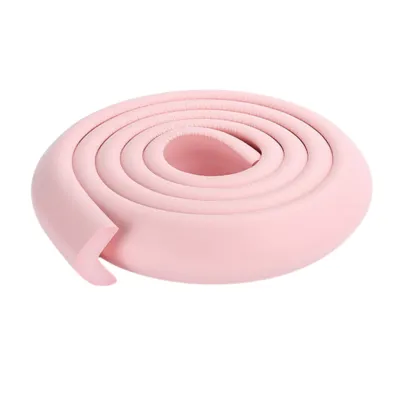
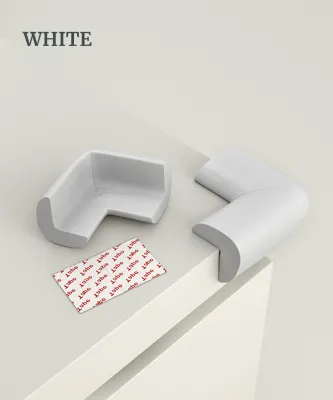
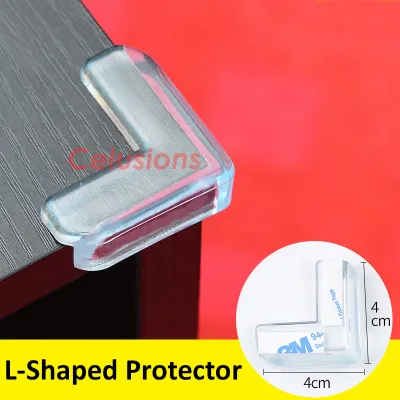
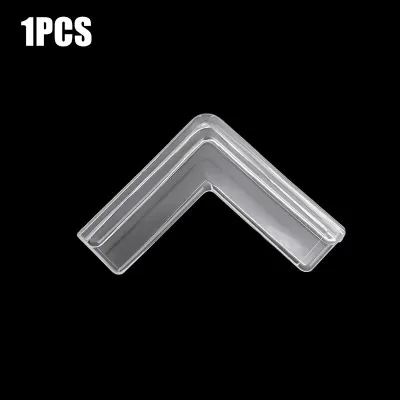
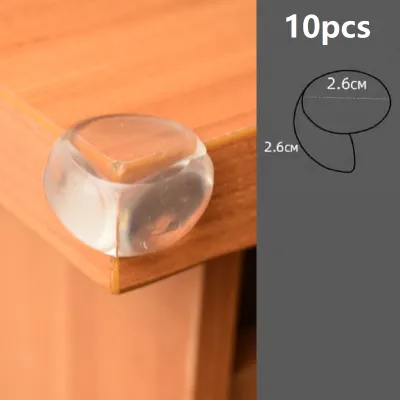
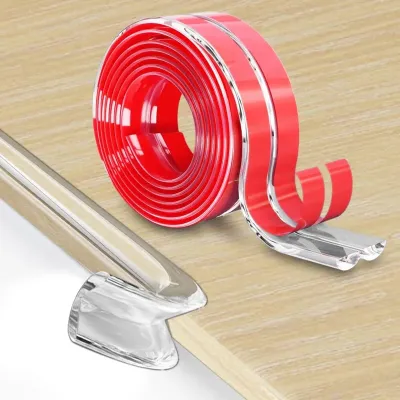
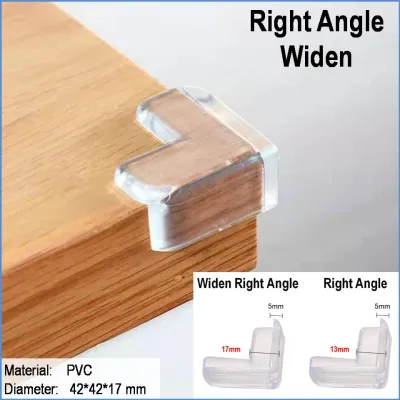
Prices are valid at publication and may change. Please refer to the product page for the latest price.
In contrast, foam corner guards are usually made from expanded synthetic rubbers, such as Nitrile Butadiene Rubber (NBR) or polyurethane. This manufacturing process creates a cellular structure filled with tiny air pockets, resulting in a lightweight, highly compressible, and soft material. Foam protectors are generally much thicker and bulkier than silicone options, providing a deep cushion that physically distances a child from the hard corner underneath.
These structural differences directly affect how each material conforms to your furniture. Silicone is flexible but holds its molded shape firmly, meaning it must be matched precisely to the angle of the furniture corner to ensure proper adhesion. Foam is highly pliable and can easily stretch, compress, or bend to wrap around irregular edges, non-standard angles, or curved surfaces that rigid materials cannot easily accommodate.
Evaluating Safety and Impact Absorption
When evaluating the safety of a corner guard protector, parents must look beyond marketing claims and verify the physical properties of the product. The protective capability of any guard depends on its thickness, material density, and how well it matches the sharpness of the furniture corner. A very soft, low-density foam might bottom out completely during a heavy impact, allowing the child’s head to make contact with the hard wood underneath. Conversely, a dense silicone guard distributes the force of an impact across a wider surface area, even with a thinner profile.

Safety certifications are another critical factor to verify directly on the product packaging or the manufacturer’s official documentation. Because babies and toddlers often explore their environment with their mouths, corner guards must be free from harmful chemicals. Look for products that explicitly verify they are non-toxic, BPA-free, lead-free, and phthalate-free. Since safety standards and chemical regulations can vary, always check for recognized consumer product safety certifications applicable to your region.
Coverage area is equally important for preventing injuries. Ensure the protector wraps fully around the top, side, and bottom edges of the corner. If a guard only covers the top surface, a child pulling themselves up from the floor can still strike the exposed lower edge of the table corner. Measure your furniture dimensions and compare them to the product specifications to ensure a secure, comprehensive fit.
While corner guards are valuable tools for reducing the severity of bumps and bruises, they have physical limits. No safety product can prevent all injuries or replace active caregiving. Parents must maintain active caregiver supervision at all times, especially when infants are learning to walk. If a corner guard becomes loose, damaged, or partially detached, it must be removed or replaced immediately to prevent safety lapses.
Assessing Durability, Adhesion, and Longevity
Toddlers are naturally curious and will often pull, scratch, or bite corner guards. This makes durability and adhesion critical for both child safety and furniture preservation. Foam guards are soft and chewable, which can tempt teething babies to bite off small pieces. This not only destroys the protector but also creates a serious choking hazard. Silicone is highly resistant to biting, scratching, and tearing, making it a much safer option for children who are actively teething.
Adhesive performance varies significantly based on the backing material and the furniture finish. Silicone guards often utilize clear acrylic gel adhesives, which form a strong, transparent bond on smooth, non-porous surfaces like glass, metal, and polished wood. Foam guards typically rely on double-sided foam tape, which provides a thick adhesive layer that conforms well to textured wood but can leave a heavy, sticky residue when removed.
Over time, environmental factors and daily wear will degrade any adhesive. Parents should regularly inspect corner guards for observable signs of degradation, such as peeling edges, crumbling foam, or a loss of bounce-back capability. If a child can easily peel or wiggle a guard, the adhesive has failed. A loose corner guard no longer provides impact protection and quickly turns into a choking hazard if detached completely.
Aesthetics, Cleaning, and Daily Maintenance
Maintaining a clean and visually appealing home is a common concern for parents installing baby-proofing gear. Silicone corner guards excel in visual blending because they are often completely transparent. This allows the natural wood grain, glass, or metal finish of your furniture to show through, making the child-proofing measures highly discreet. Foam guards are opaque and bulky, though they are available in various colors like brown, black, grey, and white to help match painted or stained wood furniture.
Hygiene and cleaning routines also differ between the two materials. Silicone is non-porous, meaning it does not absorb liquids, oils, or dirt. You can easily wipe it clean with a damp cloth and mild soap, or sanitize it without damaging the material. Foam is highly porous and can absorb spilled drinks, food crumbs, drool, and household dust. Over time, this moisture retention can lead to staining, unpleasant odors, and potential bacterial growth within the foam structure.
Local climate conditions can further influence how these materials perform in your home. In warm, humid environments, such as Singapore, high indoor humidity can accelerate the breakdown of certain adhesive backings. Porous foam guards can trap moisture against wooden furniture surfaces, potentially damaging delicate wood finishes or veneers. Silicone’s non-porous nature prevents moisture absorption, but the underlying furniture surface must still be completely dry and clean during installation to prevent the adhesive from slipping.
Silicone vs Foam: Quick Comparison Matrix
| Feature | Silicone Corner Guards | Foam Corner Guards |
|---|---|---|
| Material Structure | Solid, dense, elastic rubber | Expanded, cellular, air-filled synthetic rubber |
| Impact Profile | Slim, low-profile force distribution | Thick, highly compressible cushioning |
| Durability | High; resists biting, tearing, and scratching | Moderate; prone to biting, tearing, and crumbling |
| Cleaning & Hygiene | Non-porous; easy to wipe clean and sanitize | Porous; can absorb moisture, dirt, and spills |
| Adhesion Type | Often uses clear acrylic gel adhesive | Often uses double-sided foam tape |
| Best Use Cases | Glass, metal, polished wood, high-traffic areas | Sharp wooden corners, severe angles, painted furniture |
Note: Specific performance metrics, adhesive strength, and safety certifications vary by brand. Always verify these details on individual product labels and manufacturer documentation before purchasing.
Decision Guide: Choosing the Right Corner Guard Protector
To select the best corner guard protector for your home, evaluate your specific furniture materials, your child’s habits, and your aesthetic preferences using this conditional framework:
- Choose silicone if: You are prioritizing long-term durability, have a teething toddler who likes to chew on surfaces, prefer a discreet and transparent look, and want a material that is easy to wipe clean. Silicone is highly suited for glass coffee tables, metal bed frames, and polished hardwood dining tables.
- Choose foam if: You require thick, soft cushioning for sharp, heavy wooden furniture, need to cover severe or non-standard angles, or want to match the color of painted furniture. Foam is highly effective for low-traffic areas where a softer impact zone is preferred.
- Verify first if: Your furniture features delicate wood veneers, antique finishes, or highly textured surfaces. Some adhesives can strip away weak finishes upon removal, or fail to bond properly to rough, unsealed wood.
- Neither may fit if: The furniture surface is highly textured, constantly exposed to moisture, or made of materials that prohibit proper adhesive bonding. In these cases, rearranging the room to move hazardous furniture out of your child's play area may be the safest alternative.
Safe Installation and Damage-Free Removal
Proper installation is essential to ensure the corner guard protector stays in place when an impact occurs. Begin by preparing the furniture surface thoroughly. Clean the area with rubbing alcohol or mild soap and water to remove all grease, dust, and furniture polish. Allow the surface to dry completely, as any remaining moisture or oily residue will prevent the adhesive from bonding correctly.
Once the surface is dry, apply the adhesive according to the manufacturer’s instructions, pressing the guard firmly onto the corner for at least thirty seconds to secure the bond. Most adhesives require a specific curing time—often up to 24 hours—before they reach maximum strength. Keep your child away from the newly installed guards during this curing period to prevent them from pulling the protectors off before the bond has fully set.
When your child outgrows the need for baby-proofing, removing the guards safely is important to protect your furniture’s finish. Use a hair dryer on a low, gentle heat setting to warm the adhesive backing. This softens the gel or tape, allowing you to peel the guard away slowly and carefully. You can clean up any remaining sticky residue with a mild adhesive remover or a drop of vegetable oil, checking your furniture care manual first to ensure the cleaning agent is safe for your specific finish.
If you notice the wood finish beginning to lift, or if stubborn adhesive residue refuses to budge, stop immediately. Applying too much heat or using harsh chemicals can cause permanent damage to delicate wood stains and veneers. In these situations, consult a professional furniture restoration specialist to safely remove the residue without ruining your furniture.
Frequently Asked Questions (FAQ)
Can I use silicone corner guards on glass tables?
Yes, silicone corner guards are highly compatible with glass tables due to their transparency and excellent adhesion to smooth, non-porous surfaces. When purchasing, check the manufacturer’s specifications to ensure the included adhesive is rated for glass. Regularly inspect the edges of the guard, as any peeling can allow dust to compromise the bond, creating a loose protector that a child could easily pull off and put in their mouth.
How often should I replace baby corner guards?
There is no set timeline for replacement, but you should inspect all corner guards weekly. Replace them immediately if you observe peeling edges, crumbling foam, bite marks, or if the material loses its bounce-back capability. Any guard that can be easily pulled off by a toddler has lost its effectiveness and must be replaced or re-secured using fresh, manufacturer-approved adhesive to prevent choking hazards.
Community discussion
Share your experience or ask a question. Comments are reviewed before publication.