
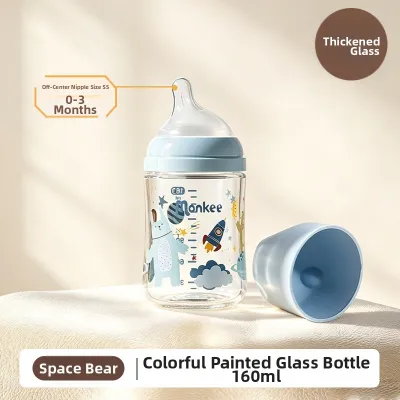
Selecting the right material for a feeding bottle with straw involves balancing safety, durability, and daily convenience. There is no single material that suits every family or developmental stage. Glass offers excellent chemical purity and scratch resistance but is heavy and prone to breaking. Food-grade silicone is highly durable, flexible, and drop-resistant, though it can be vulnerable to sharp baby teeth. Plastic options, such as PPSU, PES, or PP, are lightweight and highly practical for travel, but they require regular replacement as they scratch and age. Your choice should depend on your child’s age, motor skills, and how you plan to clean and sterilize the bottle.
When babies transition to a straw bottle, they often shake, drop, and tilt the container. This makes the physical properties of the bottle material just as important as its chemical safety. Understanding how each material interacts with heat, cleaning tools, and daily wear allows you to make an informed decision that protects your child while fitting seamlessly into your daily routine.
Safety Standards and Material Checks for Straw Bottles
When evaluating any feeding bottle with straw, verifying the safety credentials of the materials is the first step. For plastic and silicone bottles, always check the packaging for clear labels indicating that the product is free from bisphenol A (BPA) and bisphenol S (BPS). These synthetic compounds can mimic hormones and are particularly undesirable in products subjected to high heat during sterilization. Look for recognized food-grade certifications on the packaging to ensure the material meets international safety standards for food contact.
Products mentioned in this guide
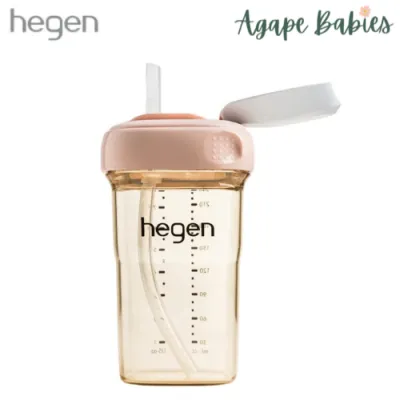
![[Nature Love Mere] Anti-leak Lightweight Straw Bottle | For >6 Months | Medical Grade PPSU](https://img.lazcdn.com/g/p/e7f6ac3448c11733291ff00546f41325.png_400x400q80.png_.webp)
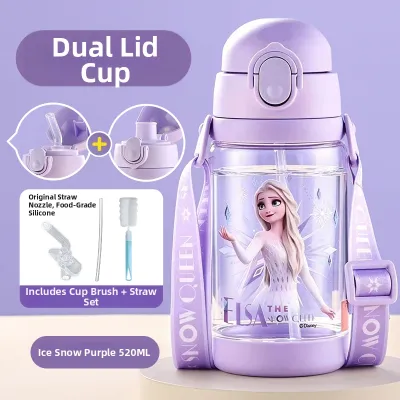
![[Authorized Distributor] LIMITED EDITION Grosmimi X Knotted PPSU Sugar Bear Straw Cup (200/300ml)](https://img.lazcdn.com/g/p/9ae7f109cbdb5b85ccb2ac5e28b29e01.jpg_400x400q80.jpg_.webp)
Prices are valid at publication and may change. Please refer to the product page for the latest price.
Sterilization habits play a significant role in material safety. Different materials have varying maximum heat tolerances, which you must verify in the manufacturer’s instructions. For instance, while high-quality plastics like polyphenylsulfone (PPSU) can withstand high temperatures, lower-grade plastics may degrade or leach chemicals if exposed to extreme heat. If you use a steam sterilizer, a UV sterilizer, or boiling water, check that both the bottle body and the straw components are rated for your specific sterilization method.
Glass bottles are naturally free from synthetic chemicals and do not carry the same risks of chemical leaching as plastics. However, a glass straw bottle is rarely made entirely of glass. The collar, the straw mechanism, and the handles are typically made of silicone or plastic. You must inspect these secondary components with the same scrutiny as the bottle itself. Ensure the silicone straw is food-grade and the plastic collar is BPA-free to maintain a completely safe feeding environment.
Durability and Daily Wear: How Each Material Holds Up
Daily use puts feeding bottles through significant wear and tear, especially when babies begin to feed independently. Glass is highly durable when it comes to resisting scratches, stains, and odors. It does not cloud over time, even after hundreds of sterilization cycles. However, the primary drawback of glass is its vulnerability to impact. A single drop onto a hard tile floor can shatter the bottle, creating a safety hazard. If you choose glass, using a thick, protective silicone sleeve is highly recommended to absorb shocks from accidental drops.

Food-grade silicone offers excellent shock absorption and is virtually unbreakable. It can survive repeated drops from high chairs and strollers without cracking or chipping. This makes it a highly durable option for active babies. The main durability concern for silicone is not impact, but teething. As babies develop teeth, they often chew on the soft straw and the flexible bottle body. Aggressive biting can cause punctures, tears, or small pieces to break off, which requires immediate replacement of the damaged parts to prevent choking hazards.
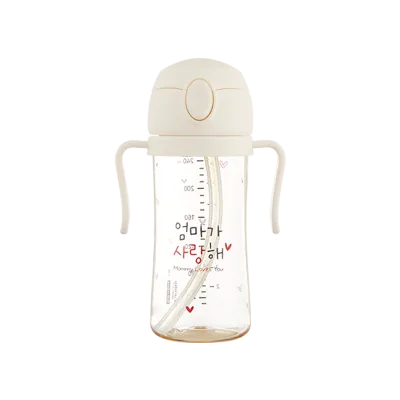
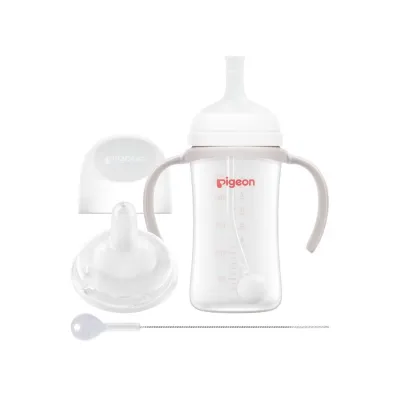
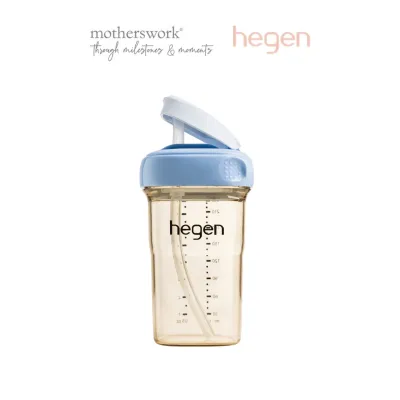
Plastic bottles are lightweight and highly resistant to breaking when dropped, making them a popular choice for busy households. However, plastic is the least durable material when it comes to long-term wear. Cleaning brushes can easily create micro-scratches on the inner walls of plastic bottles. These tiny grooves can harbor bacteria and milk residue, making them difficult to sanitize thoroughly. Over time, repeated sterilization will cause plastic to become cloudy, brittle, or discolored, indicating that the bottle has reached the end of its usable lifespan.
Practicality for Straw Feeding and Cleaning
The weight and flexibility of a bottle directly affect how easily your baby can use it. Glass is the heaviest option, which can make it difficult for younger infants to hold independently while they are learning to coordinate their straw-drinking skills. If a baby cannot lift the bottle comfortably, they may become frustrated or adopt a poor feeding posture. In contrast, silicone and plastic are lightweight, allowing babies to grasp and tilt the bottle with minimal effort, promoting self-feeding skills.
The flexibility of the material also influences the effectiveness of the bottle’s seal. A secure connection between the bottle neck, the straw collar, and the leak-proof valve is essential to prevent spills. Silicone bottles are flexible, which sometimes requires extra care when screwing on the collar to ensure a tight, even seal. Plastic and glass bottles have rigid necks, making it easier to thread the collar securely and maintain an airtight vacuum, which is necessary for the straw mechanism to function properly without leaking.
Cleaning routines vary significantly depending on the material you choose. Glass and silicone are highly heat-resistant, making them compatible with almost all cleaning and sterilization methods, including dishwashers, boiling water, and steam sterilizers. Plastic bottles require more careful handling, as some types may warp or degrade under prolonged high heat. Regardless of the bottle material, the straw itself is always the most challenging part to clean. You will need a dedicated, slim straw brush to clean the inside of the straw and valve assembly daily to prevent mold growth.
Decision Framework: Which Material Fits Your Routine?
To choose the right straw bottle, consider your baby’s developmental stage and your family’s daily lifestyle. No single material is perfect for every situation, but matching the bottle’s characteristics to your routine will make feeding time much smoother.
You should choose a glass bottle if you prioritize maximum chemical purity and long-term scratch resistance. This option is best suited for families who primarily feed at home, where the bottle can be used under direct adult supervision on carpeted or cushioned surfaces. Using a protective silicone sleeve is a wise precaution to minimize the risk of breakage during handling.
You should choose a silicone bottle if you want an unbreakable, lightweight option that is easy for your baby to hold independently. This material is excellent for travel, outdoor use, and transition phases. However, you must be willing to inspect the bottle and straw regularly for any signs of wear, especially if your baby is actively teething and prone to chewing on soft surfaces.
You should choose a plastic bottle if you need the lightest and most portable option for on-the-go feeding, such as trips to the park or infant care centers. Plastic is highly convenient and budget-friendly, but you must commit to monitoring the bottle closely. Plan to replace plastic bottles at the first sign of cloudiness, deep scratches, or persistent odors to ensure continued hygiene.
Before making your final purchase, verify that the straw’s flow rate and the bottle’s weight match your baby’s current motor skills. A baby who is just transitioning from a standard nipple may struggle with a heavy bottle or a fast-flowing straw. Starting with a lightweight material and a slow-flow, spill-proof straw valve can help your baby build confidence as they learn this new feeding skill.
Frequently Asked Questions (FAQ)
Can I use a glass straw bottle for a toddler on the go?
While glass is an exceptionally clean and durable material, using it for an active toddler on the go carries safety risks. Toddlers who are walking or running are highly likely to drop their bottles on hard outdoor surfaces like concrete or asphalt. Even with a protective silicone sleeve, the risk of breakage remains. For outdoor activities, travel, or stroller rides, it is safer to use a lightweight, shatterproof silicone or high-quality plastic straw bottle, reserving glass bottles for supervised, stationary feeding sessions at home.
How often should I replace the straw and silicone parts?
The straw, leak-proof valves, and silicone seals of a feeding bottle degrade much faster than the bottle body itself. These components are subjected to constant moisture, biting, and stretching during assembly and cleaning. You should inspect these soft parts weekly for any signs of tearing, discoloration, mold, or loss of elasticity. As a general rule, follow the manufacturer’s recommended replacement timeline, which is typically every two to three months for silicone straws and valves, or immediately if you detect any physical damage or persistent odor.

Community discussion
Share your experience or ask a question. Comments are reviewed before publication.