
Choosing the right table corner bumper depends on balancing your child’s developmental stage, your furniture’s material, and your home’s aesthetic. Silicone bumpers offer a discreet, low-profile solution that blends seamlessly with glass and polished wood surfaces. Foam bumpers provide high impact absorption, making them a practical choice for sharp, heavy edges like marble or stone where active toddlers are prone to falls. Rubber bumpers deliver heavy-duty durability and strong grip, excelling on outdoor furniture, metal surfaces, or in high-humidity environments.
To make a well-informed decision, caregivers must evaluate several primary factors: impact absorption capacity, adhesion compatibility with specific table finishes, visual discretion, and resistance to toddler picking or chewing.
Safety remains the absolute baseline. When shopping for a table corner bumper, always look for packaging that explicitly verifies non-toxic certifications, such as BPA-free, phthalate-free, or compliance with regional toy safety standards. Because no material is entirely immune to wear, caregivers should also check for choking hazard warnings and inspect the physical integrity of the bumpers regularly. Remember that material composition alone does not guarantee safety; proper installation and ongoing maintenance are critical to keeping your living space secure.
Products mentioned in this guide

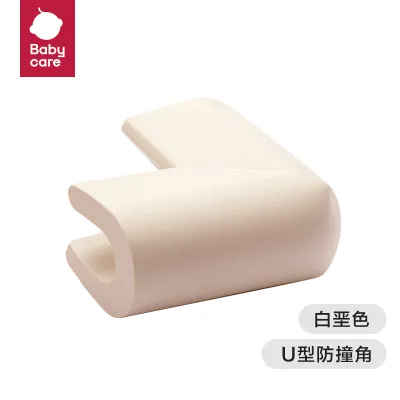
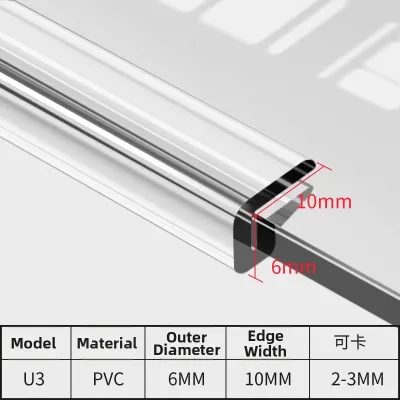
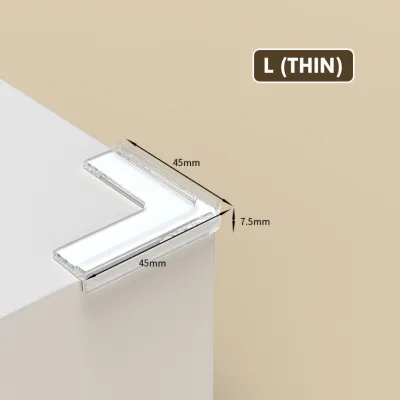
![[SG SELLER] [FREE SHIPPING] Corner Protectors Edge Bumper Guard Furniture Table Cupboard Cabinet Baby Child Safety](https://img.lazcdn.com/g/p/67150798fd253b3efc8ab49a68eb4b7f.jpg_400x400q80.jpg_.webp)
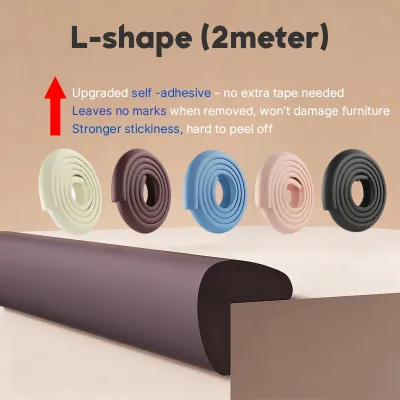
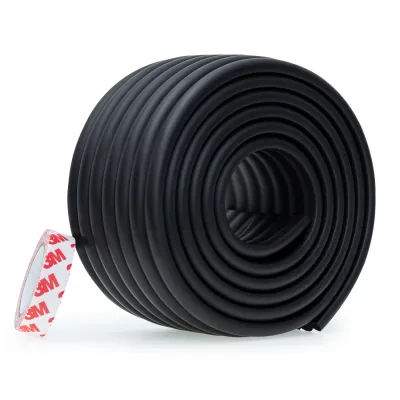
Prices are valid at publication and may change. Please refer to the product page for the latest price.
Silicone Bumpers: Discreet Protection for Smooth Surfaces
Silicone has become a popular choice for modern households, primarily due to its minimalist appearance. If you have spent years selecting the perfect glass coffee table, a polished hardwood dining table, or a sleek lacquer console, you likely want to preserve their visual appeal. Clear or translucent silicone bumpers allow the natural color and texture of your furniture to show through, minimizing the visual clutter often associated with baby-proofing.
The physical properties of silicone make it highly compatible with smooth, non-porous surfaces. When paired with high-quality double-sided acrylic tape, silicone forms a tight, reliable bond on glass, polished stone, and sealed wood. Because silicone is naturally flexible yet firm, it resists tearing and stretching, meaning it can withstand the daily bumps of vacuum cleaners, toys, and passing adults without losing its shape.
However, silicone does come with distinct trade-offs. While it provides excellent protection against direct cuts and bruises by covering sharp points, it is generally firmer than soft foam. This means it offers less deceleration during a high-velocity impact. If a toddler falls directly onto a silicone bumper, the impact will still feel relatively hard, though the sharp edge itself is shielded. Additionally, clear silicone is prone to environmental degradation over time. Exposure to sunlight and ambient dust can cause the material to yellow or develop a cloudy appearance, and the edges can collect fine particles that weaken the adhesive bond.
When selecting silicone bumpers, always check the manufacturer’s specifications regarding material hardness and recommended age ranges. A softer, medical-grade silicone may offer slightly more cushion than a rigid industrial-grade variant. Ensure the product is designed specifically for child safety rather than general industrial corner protection, as baby-safe versions are formulated without harmful chemical plasticizers.
Foam Bumpers: High-Impact Cushioning for Active Toddlers
For households with highly active toddlers who are just learning to walk, run, or climb, foam bumpers represent a reliable standard for shock absorption. Made from high-density materials like Nitrile Butadiene Rubber (NBR) or Ethylene-Vinyl Acetate (EVA), these bumpers act like miniature cushions for your furniture. When a child collides with a foam-guarded corner, the cellular structure of the foam compresses, absorbing and dispersing the kinetic energy of the impact far more effectively than silicone or solid rubber.

This cushioning makes foam a preferred choice for exceptionally hard, unforgiving surfaces. If your home features heavy marble coffee tables, granite countertops, or solid rustic oak dining sets, foam provides the thick physical barrier necessary to prevent serious head injuries. The soft, yielding texture of foam ensures that even a direct, forceful fall is significantly cushioned.
Despite these safety benefits, foam bumpers have a highly visible physical footprint. They are thick, bulky, and opaque, which can dramatically alter the look of your carefully curated interior design. While manufacturers offer foam in various colors like brown, black, grey, and cream to match different wood tones, they remain highly noticeable.
A more critical concern for parents is the picking hazard. Toddlers are naturally curious and often explore their environment with their hands and mouths. The soft, squishy texture of foam can be incredibly tempting for a teething child to bite, chew, or peel. If a toddler manages to bite off a piece of the foam bumper, it immediately becomes a severe choking hazard. To mitigate this risk, caregivers must look for high-density, tear-resistant foam options and verify that the adhesive backing is exceptionally strong. The adhesive must be robust enough to resist a child’s attempts to peel it off, yet formulated to prevent stripping the underlying table finish when it is eventually removed.
Rubber Bumpers: Heavy-Duty Grip for Demanding Environments
Rubber corner bumpers are the heavy-duty workhorses of the baby-proofing world. While less common in formal indoor living rooms, rubber excels in demanding environments where other materials fail. If you have metal-framed tables, wrought iron furniture, or outdoor patio sets, rubber is often the only material that can withstand the physical and environmental stress.
One of rubber’s primary advantages is its resilience against temperature fluctuations and moisture. In Singapore’s hot, humid climate, standard adhesives on foam or silicone can quickly degrade, especially on semi-outdoor balconies or patios. Rubber bumpers, particularly those designed for heavy-duty or outdoor use, maintain their structural integrity and grip even when exposed to high humidity, occasional rain splashes, or intense sunlight.
In terms of shock absorption, rubber sits comfortably between foam and silicone. It is firmer than foam, meaning it will not compress as easily under light pressure, but it offers significantly more give and tear resistance than silicone. This makes it highly durable against pets, heavy vacuum impacts, and older children who might run toy cars along the edges of the furniture.
The trade-off for this durability is aesthetic. Rubber bumpers are almost always opaque, bulky, and industrial in appearance. They are typically available in limited, utilitarian colors like black, dark grey, or brown, which can look out of place on a delicate glass or light-colored wooden table. When purchasing rubber bumpers for outdoor or high-humidity areas, always check the product labels for UV resistance and weather-proofing certifications to ensure the material will not dry out, crack, or leach chemicals over time.
Matching the Material to Your Table Type and Edge Profile
To simplify your decision-making process, it is helpful to map specific table materials and edge shapes to the most compatible bumper type. Different furniture surfaces react uniquely to adhesives, and the physical shape of the edge dictates whether a pre-molded corner or a continuous roll is required.
Below is a practical comparison framework to guide your selection based on table material, adhesion requirements, and impact needs:
| Table Material | Recommended Bumper Material | Adhesion Considerations | Primary Benefit |
|---|---|---|---|
| Glass | Silicone | Requires high-clarity acrylic adhesive; clean surface thoroughly before applying. | Highly discreet; preserves transparency and modern aesthetics. |
| Polished Wood / Veneer | Foam or Silicone | Use gentle, surface-safe adhesives; test on a hidden area to prevent varnish damage. | Foam protects against hard wood edges; silicone offers a lower profile. |
| Marble / Stone | High-Density Foam | Requires strong, heavy-duty adhesive due to the weight and texture of the stone. | Maximum shock absorption for exceptionally hard, unforgiving surfaces. |
| Metal / Iron | Rubber | Excellent grip; resists sliding on smooth, cold metal surfaces. | High durability; withstands rough contact and environmental changes. |
| Outdoor / Balcony Furniture | Weather-Resistant Rubber | Must use moisture-resistant adhesive rated for outdoor or high-humidity environments. | Resists UV degradation and adhesive failure in humid climates. |
Beyond the table material, you must consider the edge profile of your furniture. Standard tables with sharp, 90-degree corners are best served by pre-molded corner pieces. These pieces are designed to fit snugly over the corner, providing uniform coverage on all three intersecting planes. However, if your table has rounded corners, beveled edges, or irregular profiles, a continuous roll of foam or flexible silicone is much more effective. Continuous rolls can be cut to custom lengths and wrapped around curved edges, ensuring there are no exposed gaps.
Before applying any bumper to your furniture, always perform a “Verify First” step. Apply a small piece of the included adhesive tape to an inconspicuous area of the table—such as the underside of a leg or the back of a frame. Leave it on for 48 hours, then carefully remove it to check if the adhesive strips away varnish, paint, veneer, or delicate finishes. This simple check can save you from costly furniture damage.
Finally, caregivers must remember that no table corner bumper, regardless of material or thickness, can replace active adult supervision. Baby-proofing products are designed to reduce the severity of accidental bumps and scrapes, not to eliminate all household risks. Heavy tables, particularly those with narrow bases or top-heavy designs, should be checked for stability to ensure they cannot tip over if a child pulls on the bumper or climbs on the edge.
Safe Installation, Adhesion Checks, and Damage-Free Removal
The effectiveness of any table corner bumper relies heavily on how well it is installed. Even the highest-quality foam or silicone will fail to protect your child if the adhesive backing peels away after a few days. Proper surface preparation is the most critical step in the installation process.
Begin by thoroughly cleaning the target area. Dust, skin oils, and polish residue will prevent the adhesive from forming a secure bond. Wipe the corner and surrounding edges with isopropyl alcohol and a clean, lint-free cloth. Allow the surface to dry completely. Avoid using household glass cleaners or multi-surface sprays, as these often leave behind a thin chemical film that compromises adhesive performance.
Once the surface is clean and dry, apply the adhesive tape to the bumper first, pressing down firmly along the entire length to eliminate air bubbles. Carefully align the bumper with the table corner and press it into place. Apply firm, steady pressure with your hands for at least 30 seconds. Crucially, allow the adhesive to cure undisturbed for the manufacturer’s recommended time—typically 24 hours—before allowing your child near the table. Letting the adhesive cure fully ensures the bond reaches its maximum strength, making it much harder for curious little fingers to peel off.
When your child outgrows the need for corner protection, removing the bumpers safely requires patience to avoid damaging your furniture. Never use sharp metal tools, screwdrivers, or putty knives to scrape off the bumpers, as these can easily gouge wood, scratch glass, or chip stone.
Instead, use a hairdryer set to low or medium heat. Gently direct the warm air at the bumper for one to two minutes to soften the adhesive backing. Once the adhesive is warm and pliable, slowly peel the bumper away from the corner, pulling parallel to the surface rather than straight up. If any sticky residue remains on the table, apply a small amount of a gentle, surface-safe solvent (such as vegetable oil, baby oil, or a dedicated adhesive remover) to a cloth, let it sit on the residue for a few minutes, and then wipe it clean. Always test the solvent on a hidden area first to ensure it does not dull the furniture’s finish.
Frequently Asked Questions (FAQ)
Are clear silicone bumpers truly invisible on glass tables?
While clear silicone bumpers are highly discreet and blend far better than opaque foam or rubber, they are not completely invisible. Differences in light refraction between the glass and the silicone mean the bumper will still be noticeable upon close inspection. Over time, dust, pet hair, and fine debris can collect along the adhesive edges, creating a visible border. To maintain their clarity and keep them looking as clean as possible, wipe the outer surfaces of the bumpers regularly with a damp microfiber cloth and avoid touching the adhesive backing during installation.
How do I know when it is time to replace a corner guard?
Caregivers should inspect table corner bumpers weekly for signs of wear and tear. Replace a bumper immediately if you observe peeling edges, loose adhesive, deep bite marks, or missing chunks of material. For foam bumpers, check if the material has become permanently compressed or brittle; if it no longer rebounds when pressed, its shock-absorbing capacity is compromised. Any loose or damaged bumper poses an immediate choking hazard or risk of failure during an impact, and must be swapped out for a fresh guard right away.
Is it safe to use foam bumpers on tables near heat sources?
Standard foam bumpers are not designed to withstand high temperatures. If placed on tables near radiators, space heaters, fireplaces, or in direct, intense sunlight (such as on a sunny balcony in Singapore), the foam can degrade, become brittle, melt, or release unpleasant chemical odors. The heat can also melt the adhesive backing, causing the bumper to slide off. For furniture positioned near heat sources or exposed to constant direct sunlight, opt for high-temperature resistant silicone or specialized heat-resistant rubber bumpers instead, and always verify the manufacturer’s temperature limits on the product packaging.

Community discussion
Share your experience or ask a question. Comments are reviewed before publication.