
The best silicone corner guards for baby-proofing are those that match your specific furniture geometry, feature high-density impact absorption, and use reliable, surface-safe adhesives. Because every home features a mix of sharp wooden coffee tables, glass TV consoles, and low shelving, choosing the right guard requires evaluating material safety certifications, thickness, and shape profiles rather than relying on a one-size-fits-all solution. Active caregiver supervision remains the primary line of defense, but high-quality silicone guards provide a crucial physical buffer during your child’s early crawling and cruising stages.
When baby-proofing your living space, the sheer variety of protective gear can feel overwhelming. Silicone has emerged as a highly popular material choice for corner and edge protection due to its durability, soft texture, and flexibility. Unlike traditional foam guards, which can easily be bitten off or degraded over time, silicone offers a resilient barrier that withstands daily wear while remaining gentle on impact. To make an informed decision, you must look beyond aesthetic appeal and focus on the structural and chemical properties of the guards you introduce into your home.
Key Safety and Material Checks Before You Buy
Before purchasing any silicone corner guards, verifying the chemical safety of the material is paramount. Because infants and toddlers naturally explore their surroundings by touching and mouthing objects, the guards must be free from harmful substances. Look for products that explicitly claim to be made from food-grade silicone or are certified as BPA-free, phthalate-free, and lead-free. Since these safety claims are dynamic and vary by manufacturer, always inspect the product packaging, labels, or official manufacturer documentation to verify compliance with recognized international safety standards. Avoid products that emit a strong, chemical odor upon opening, as this can indicate the presence of low-quality fillers or volatile organic compounds.
Products mentioned in this guide
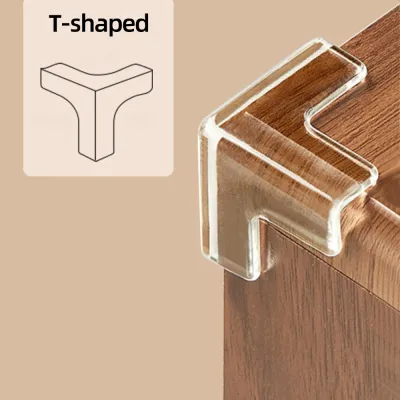
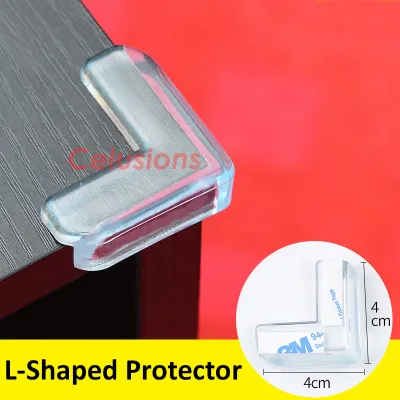
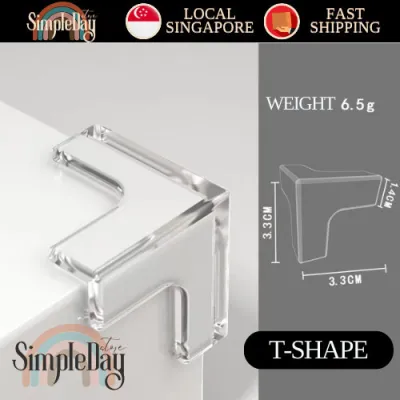
![[SG Stock] Corner Protector❤️Table Furniture Sharp Edge Safety Guard Silicone Bumper Baby Kids Children Protection](https://img.lazcdn.com/g/p/9b72f18b7a5af8ec7a091b97a2a1b5fc.jpg_400x400q80.jpg_.webp)
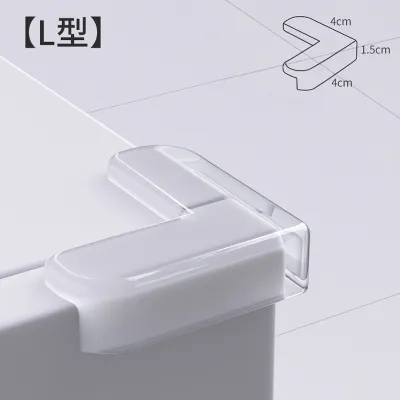
Prices are valid at publication and may change. Please refer to the product page for the latest price.
The physical structure of the silicone determines how effectively it cushions an impact. When evaluating guards, pay close attention to both thickness and density. A guard that is too thin or overly soft will easily bottom out under the force of a fall, allowing your child’s head or body to make direct contact with the hard furniture corner underneath. Conversely, an extremely rigid guard will not compress sufficiently to absorb the energy of a collision. Opt for high-density silicone that offers a firm yet springy resistance when squeezed firmly between your thumb and forefinger. This balance ensures the material can deform slightly under pressure to disperse the force of an impact while maintaining its protective shape.
Adhesive quality is another critical factor that dictates the performance and longevity of your corner guards. Most silicone guards rely on pre-applied double-sided adhesive tape to secure them to furniture. Acrylic-based adhesives are highly common and provide a strong, immediate bond on smooth surfaces like glass and finished wood, but they can sometimes be difficult to remove without lifting delicate paint or varnish. Gel-based adhesives are typically thicker and conform better to slightly textured or uneven surfaces, though they may require a longer curing time to reach maximum strength. Before buying, check the manufacturer’s specifications to ensure the adhesive is compatible with your specific furniture materials, whether they are solid wood, veneer, metal, or glass.
Matching Guard Shapes to Your Furniture
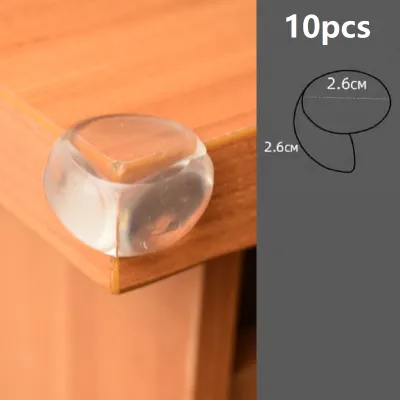
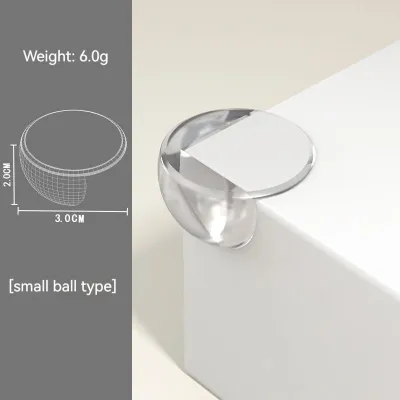
Selecting the right guard shape is essential for ensuring comprehensive coverage and maintaining the structural integrity of the installation. Ball-shaped or spherical silicone guards are specifically designed for sharp, isolated corners, such as those found on low coffee tables, sideboards, and TV stands. Their rounded, three-dimensional profile provides multi-directional impact absorption, which is particularly beneficial when a child falls toward a corner from an angle. These guards are highly effective at neutralizing the sharpest points of your furniture, but they do not protect the long, straight edges running between the corners.

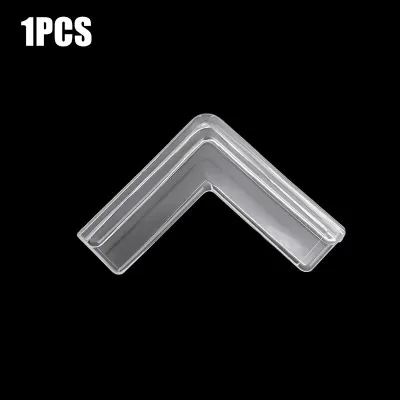
For standard 90-degree edges on wooden tables, laminate desks, or low shelving units, L-shaped or right-angle guards are the most appropriate choice. These guards feature a flat, right-angle profile that hugs both the top and side surfaces of the edge. They can be purchased as individual corner pieces or as continuous rolls that you cut to length. L-shaped guards provide a clean, streamlined look and are excellent for protecting long stretches of furniture where a cruising baby might lose their balance and bump their forehead. However, they require a flat, even surface on both sides of the edge to adhere properly; if the furniture edge is rounded or beveled, an L-shaped guard may not sit flush, leading to weak spots that are easily pulled off.
U-shaped or continuous edge guards are specifically engineered for thin, flat surfaces, such as glass tabletops, metal sheets, or thin wooden shelves. These guards wrap completely around the top, edge, and bottom of the surface, creating a secure, clamp-like fit. Because they cover both the upper and lower edges of a thin surface, they prevent a child from bumping their chin or face against the underside of the table. The wrap-around design also makes it incredibly difficult for a curious toddler to get their fingers underneath the guard to peel it away, making it one of the most secure options for glass furniture.
Each guard shape has distinct limitations, and relying on a single type throughout your home is rarely sufficient. For example, while ball guards protect the sharpest points, they leave the long, hard edges of a dining table completely exposed. Conversely, continuous L-shaped guards may not conform well to complex, decorative corner joints. To achieve comprehensive safety, you will likely need to combine different shapes—using continuous U-shaped guards for your glass coffee table, L-shaped guards for your wooden bookshelves, and robust ball guards for the isolated corners of your dining table. Carefully map out the geometry of each piece of furniture to ensure you select the correct profile for every hazard.
Installation and Safe Removal Techniques
Proper installation is the key to ensuring your silicone corner guards remain securely in place when subjected to daily bumps and tugs. Before applying any adhesive, you must prepare the furniture surface thoroughly. Clean the area with mild soap and water or a diluted isopropyl alcohol solution, depending on what the furniture material can safely tolerate. Ensure the surface is completely dry and entirely free of dust, oils, wax, or furniture polish, as even a microscopic layer of residue will severely compromise the adhesive’s ability to bond.
When you are ready to install the guard, peel the protective backing off the adhesive tape, taking care not to touch the sticky surface with your fingers. Align the guard precisely with the corner or edge, then press it down firmly. Apply steady, even pressure across the entire surface of the guard for at least 30 seconds to eliminate any trapped air bubbles and maximize contact between the adhesive and the furniture. Most adhesives require a curing period—typically 24 hours—to reach their full bonding strength. During this time, keep your child away from the newly installed guards to prevent them from pulling or shifting the material before the bond has fully set.
Removing silicone corner guards safely requires a patient, gentle approach to avoid damaging delicate wood finishes, veneers, or painted surfaces. To soften the adhesive, use a hair dryer on a low or medium heat setting to blow warm air directly onto the guard for a few minutes. Once the adhesive becomes warm and pliable, slowly and carefully peel the guard back from one corner, pulling parallel to the surface rather than straight up. This technique minimizes the stress placed on the furniture’s finish.
If any sticky adhesive residue remains on the surface after removal, avoid using harsh chemical solvents like acetone or paint thinner, which can permanently ruin wood finishes and cloud plastic or acrylic surfaces. Instead, apply a small amount of mild vegetable oil, baby oil, or a specialized, surface-safe adhesive remover to the residue. Let it sit for a few minutes to break down the adhesive, then gently wipe it away with a soft microfiber cloth. Always test any cleaning agent or oil on a hidden, inconspicuous area of the furniture first to ensure it does not cause discoloration or damage.
Over time, even the highest-quality corner guards will experience wear and tear. Regularly inspect all installed guards for signs of peeling, cracking, or loss of adhesion. If a guard becomes loose or partially detached, it no longer provides adequate impact protection and can quickly become a physical hazard or a choking risk if a child manages to pull it off completely. Replace any compromised guards immediately to maintain a consistently safe environment.
Building Your Custom Baby-Proofing Shortlist
Creating a customized baby-proofing plan allows you to address the specific hazards in your home systematically, ensuring you spend your budget efficiently. Start by assessing high-risk zones based on your baby’s current developmental stage and mobility. Crawling infants operate close to the floor, making low cabinet corners, baseboards, and the bottom edges of coffee tables the primary hazards. Once your baby begins pulling themselves up to stand and cruising along furniture, their head height increases, bringing dining table corners, kitchen countertops, and TV consoles into the immediate danger zone. Anticipating these milestones allows you to install protection before your child reaches them.
Before purchasing any products, create a detailed measurement checklist. Walk through each room of your home at your child’s eye level and count the exact number of sharp corners that require protection. Measure the total length of straight edges on low-lying furniture to determine how many meters of continuous edge guards you will need. Having these precise numbers prevents you from over-purchasing or running out of materials mid-installation.
Prioritize high-traffic areas where your child spends the majority of their time, such as the living room, play area, and nursery. Focus your initial efforts and budget on these zones, ensuring that the sharpest and most accessible edges are fully protected. Low-risk zones, such as guest bedrooms, home offices, or high-level shelving that is completely out of your child’s reach, can be addressed later or left unprotected if they do not pose an active hazard to a supervised child.
When building your shortlist, evaluate whether to purchase multi-packs or specialized single-corner solutions. Multi-packs of standard L-shaped or ball-shaped guards often provide excellent value, with prices typically ranging from S$10 to S$25, making them ideal for securing multiple standard pieces of furniture across your home. However, for unique furniture shapes, heavy-use areas, or delicate glass surfaces, investing in specialized, high-thickness single-corner guards or custom-fit U-shaped guards is often the safer and more durable choice.
Frequently Asked Questions (FAQ)
Are silicone corner guards safe if my baby chews on them?
While high-quality silicone is inherently non-toxic and free from harmful chemicals, no corner guard is designed to be chewed on. If a baby repeatedly bites or chews on a guard, they can tear off small pieces, creating a serious physical choking hazard. Regularly inspect the guards for bite marks, tears, or loose edges; if you notice any damage, remove and replace the guard immediately. If you suspect your child has ingested any part of a corner guard, stop using the product and consult a pediatrician or qualified healthcare professional immediately.
Can I use silicone corner guards on glass tables?
Yes, silicone corner guards can be used on glass tables, but they require specific considerations. Glass surfaces are highly smooth, which allows for strong adhesive bonding, but it also means any residue will be highly visible upon removal. Continuous U-shaped guards are generally preferred for glass tables because they wrap around the top, edge, and bottom, providing a mechanical grip that is much harder for a child to peel off compared to individual corner pieces. Ensure the glass is thoroughly degreased before application to prevent the guard from sliding or peeling away.
How do I remove adhesive residue without damaging wood furniture?
To remove adhesive residue from wood furniture without stripping the varnish or paint, start by applying gentle heat with a hair dryer to soften the glue. Rub the area gently with a cloth dipped in a small amount of mild vegetable oil or baby oil, avoiding harsh chemical solvents like acetone or paint thinner which can permanently ruin wood finishes. It is critically important to test any oil or cleaning agent on a hidden, inconspicuous area of the furniture first to check for discoloration. If the residue remains stubborn or if you are dealing with an antique or highly valuable wood piece, stop DIY removal and consult the furniture manufacturer’s care instructions or a professional furniture restorer.

Community discussion
Share your experience or ask a question. Comments are reviewed before publication.