
Finding the right interlocking foam mat for outdoor baby play in Singapore requires looking beyond generic brand promises. Because Singapore’s tropical climate features intense UV radiation, high humidity, and sudden downpours, a standard indoor play mat may quickly degrade, warp, or harbor mold when taken outdoors. To ensure a safe, hygienic, and comfortable play space for tummy time or crawling at the park or on a patio, caregivers must evaluate material specifications, weather resistance, and structural stability. While many brands claim outdoor suitability, verifying these claims through physical labels and user feedback is the most reliable way to protect your child. Always remember that no mat replaces active adult supervision, and caregivers should regularly inspect the play area for hazards.
Essential Features for Outdoor Interlocking Foam Mats
Singapore’s climate presents unique challenges for synthetic foam. High UV exposure can break down chemical bonds in untreated plastics, leading to color fading, brittleness, and eventual crumbling. When selecting a mat, look for manufacturer specifications indicating UV resistance or outdoor durability. Water resistance is equally critical. A non-porous surface prevents sudden tropical showers or morning dew from soaking into the core of the foam. If moisture penetrates the mat, it becomes a breeding ground for bacteria and mold, which thrive in Singapore’s high relative humidity. Ensure the surface can be wiped completely dry within minutes.
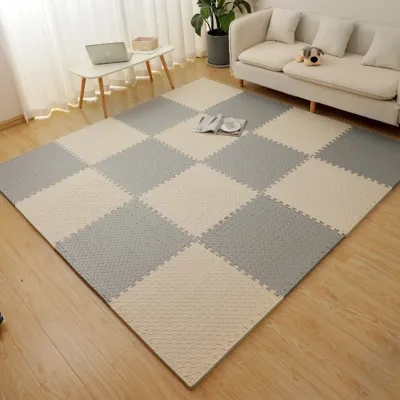
Outdoor use demands a design that is easy to pack, transport, and assemble. Interlocking foam mats are inherently modular, but their portability depends heavily on weight and tile size. Larger tiles (such as 60cm by 60cm) mean fewer joints to assemble but can be awkward to fit into a standard stroller basket or tote bag. Smaller tiles (30cm by 30cm) offer greater packing flexibility but require more assembly time. Look for sets that include a dedicated zippered carrying case or a securing strap. Additionally, examine the interlocking edge design; high-quality mats feature deep, snug-fitting teeth that remain securely joined when lifted or shifted, preventing the tiles from separating during transport or setup.
Products mentioned in this guide
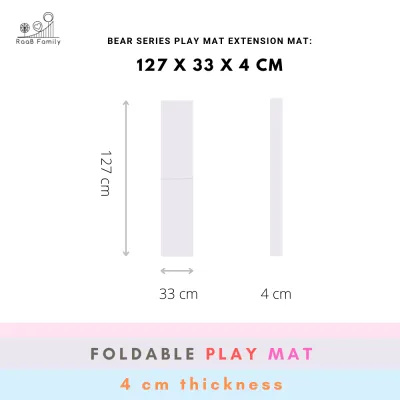
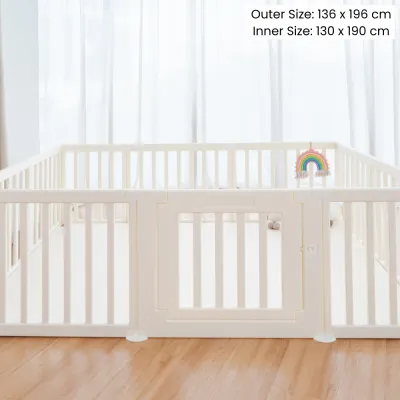
Prices are valid at publication and may change. Please refer to the product page for the latest price.
Outdoor terrains like park grass, concrete patios, or wooden decking present varying levels of friction. A mat with a completely smooth underside will easily slide on polished outdoor tiles or damp grass, posing a slipping hazard for both the baby and the caregiver. Look for mats featuring a dual-textured design: a gently textured, non-abrasive top surface that provides traction for crawling knees without causing friction burns, and a high-friction, cross-hatched, or rubberized bottom pattern that grips the ground. This grip is essential for maintaining a stable play environment as your baby transitions from tummy time to sitting and crawling.
Matching Mat Thickness and Material to Outdoor Surfaces
Foam mats generally range from 1cm to over 2cm in thickness. For outdoor use, the choice of thickness directly impacts both baby comfort and carrying convenience. A 1cm mat is highly portable, lightweight, and easy to pack into a diaper bag, making it suitable for flat, manicured lawns or sandy beaches where the ground itself provides some natural give. However, on hard surfaces like concrete balconies, tiled patios, or gravel-strewn park areas, a 1cm mat may not provide sufficient impact absorption for a baby who is learning to sit up or crawl and might fall backward. A thicker mat (1.5cm to 2cm) offers superior cushioning against hard falls and insulates better against ground heat, but it is significantly bulkier to transport. Caregivers must weigh the convenience of travel against the hardness of the intended outdoor surface.

The two most common materials used in interlocking mats are Ethylene-Vinyl Acetate (EVA) and Cross-linked Polyethylene (XPE). EVA foam is highly flexible, soft, and widely available, but it can retain heat when exposed to direct sunlight, making the surface uncomfortably warm for a baby in Singapore’s heat. XPE foam is lighter, highly moisture-resistant, and generally offers better thermal insulation, meaning it stays cooler underfoot. However, XPE can sometimes be more prone to puncturing from sharp twigs or stones. When shopping, check the manufacturer’s label to verify the material composition. Avoid any products that do not clearly state their material ingredients, and look for options certified as free from harmful substances like formamide, phthalates, and heavy metals.
The performance of an interlocking mat on outdoor surfaces like grass, soil, or sand depends heavily on the precision of its joints. On uneven ground, a mat with loose or shallow interlocking teeth will easily buckle, creating raised edges that a crawling baby can trip over. Furthermore, loose joints allow dirt, sand, insects, and moisture to seep up from the ground onto the play surface. Opt for mats with deep, tight-fitting puzzle edges that lock securely. When assembled, the seams should lie flat and resist pulling apart when the mat flexes over minor ground contours.
Safety Checks and Post-Use Maintenance
Before laying down the mat, thoroughly inspect the ground. Remove any sharp objects, such as twigs, stones, dry leaves, or glass fragments, which could puncture the foam or injure your baby. Check the area for insect nests, particularly ants or wasps, which are common in Singapore’s outdoor spaces. Once the mat is assembled, perform a temperature check by placing the back of your hand firmly on the surface for several seconds. Foam mats absorb solar heat rapidly; if the surface feels hot to your hand, it is too hot for your baby’s sensitive skin. In such cases, move the mat to a fully shaded area or wait for the temperature to drop.
Outdoor exposure introduces dirt, pollen, sweat, and potentially animal waste to the mat’s surface. After every outdoor session, disassemble the tiles and wipe them down with a damp cloth and a mild, baby-safe detergent. Avoid harsh chemical cleaners or bleach, which can degrade the foam material and leave harmful residues. To prevent mold and mildew—a common issue in Singapore’s humid environment—dry the tiles completely before storing them. Lean the tiles individually in a well-ventilated, shaded indoor area. Do not leave them to dry in direct, intense sunlight, as extreme heat can warp the interlocking edges, making them impossible to reassemble. Once fully dry, store them in a breathable bag in a cool, dry place.
Foam mats do not last indefinitely, especially when subjected to outdoor elements. Regularly inspect each tile for signs of degradation. Look for crumbling edges, peeling top layers, or deep punctures. If the foam begins to flake or crumble, stop using the mat immediately; small foam pieces are severe choking hazards for babies who explore objects with their mouths. Additionally, if the interlocking teeth become warped, stretched, or torn, the tiles will no longer lock securely, creating tripping hazards and allowing dirt to penetrate. Replace damaged tiles promptly or retire the entire set if widespread wear is visible.
Building Your Shortlist: Verifying Claims Before Purchase
When browsing options, do not rely on generic marketing claims like “eco-friendly” or “100% safe.” Instead, look for verifiable testing standards printed on the product packaging or official manufacturer specifications. Key certifications to look for include EN71 (European Toy Safety Standard), ASTM F963 (Standard Consumer Safety Specification for Toy Safety), or local consumer safety compliance marks. These standards ensure the product has been tested for mechanical safety, flammability, and the migration of certain chemical elements. If a brand cannot provide proof of these certifications upon request, it is best to exclude them from your shortlist.
Customer reviews on e-commerce platforms and online marketplaces offer valuable real-world insights into how a mat performs over time. When reading reviews, filter for feedback specifically mentioning outdoor use, picnics, or travel. Look for recurring complaints regarding color fading under the sun, joints that loosen after a few uses, or a chemical odor that persists after unpacking. If multiple users note that the mat warps easily in warm weather or that the interlocking teeth tear during disassembly, these are strong indicators that the product may not withstand Singapore’s outdoor conditions.
To ensure your chosen mat set provides adequate play space, calculate the required dimensions before purchasing. A standard play area for a crawling baby should ideally measure at least 1.2 meters by 1.2 meters to allow room for movement and caregiver interaction. If a set contains tiles measuring 30cm by 30cm, you will need a 4×4 grid, totaling 16 tiles. For larger 60cm by 60cm tiles, a 2×2 grid (4 tiles) will cover the same area. Always check if the set includes border pieces; these straight-edge borders seal the outer interlocking teeth, preventing dirt from accumulating in the exposed joints and creating a cleaner, safer perimeter for your baby.
Frequently Asked Questions (FAQ)
Can I leave interlocking foam mats outside overnight?
Leaving interlocking foam mats outside overnight is highly discouraged. Singapore’s high overnight humidity, morning dew, and frequent sudden rainstorms will trap moisture beneath and between the tiles. This trapped water creates an ideal environment for mold, mildew, and bacterial growth, which can ruin the mats and pose health risks to your baby. Furthermore, nocturnal pests, insects, and stray animals may crawl over or damage the foam. To preserve the material integrity and maintain strict hygiene standards, always disassemble the mats, clean them if necessary, and store them indoors after each use.
Are thicker foam mats always better for outdoor baby play?
While thicker mats (1.5cm to 2cm) provide superior cushioning and better insulation against hot ground surfaces, they are not always the most practical choice for outdoor travel. Thicker tiles are significantly bulkier, heavier, and harder to pack into a stroller or travel bag. For flat, soft surfaces like manicured park lawns or sandy beaches, a standard 1cm mat is often sufficient and much easier to transport. However, if you plan to set up the play area on hard concrete patios, wooden decks, or uneven, stony ground, the extra protection of a thicker mat is necessary to keep your baby safe from hard falls.
How do I prevent the mats from sliding on smooth outdoor tiles?
To prevent interlocking foam mats from sliding on smooth outdoor surfaces like polished patio tiles or wooden decking, look for mats with a high-traction, textured bottom grip. If the mats still slide, you can place a non-slip rug underlay or a rubberized mesh liner beneath the assembled tiles. This adds friction without damaging the outdoor floor or the mat itself. Always ensure the ground is completely dry before laying down the mat, as moisture underneath will act as a lubricant and cause the tiles to slide easily. Stop use immediately if the mat continues to slip during active play.
Community discussion
Share your experience or ask a question. Comments are reviewed before publication.