
Potty training is a major milestone in your child’s early development, but finding the right equipment can feel overwhelming with so many options on the market. When choosing a kid toilet seat, there is no single “best” option that works for every family. The ideal choice depends on your child’s physical development, your home’s bathroom layout, and your personal preferences regarding cleaning and maintenance.
For toddlers who are just beginning their training journey—typically between 18 and 24 months of age—a standalone potty is generally the more supportive choice. It sits directly on the floor, providing a secure, low-to-the-ground seating position that helps young children feel safe and physically stable.
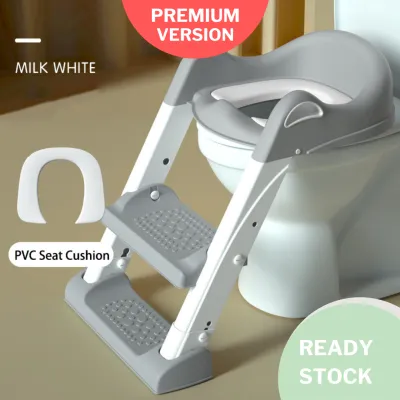
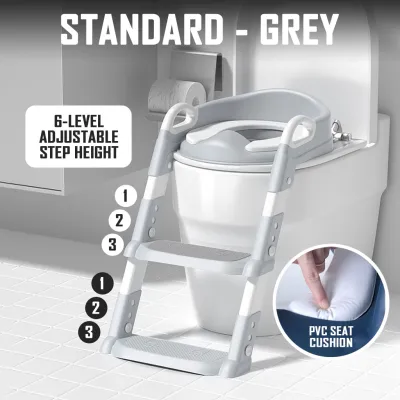
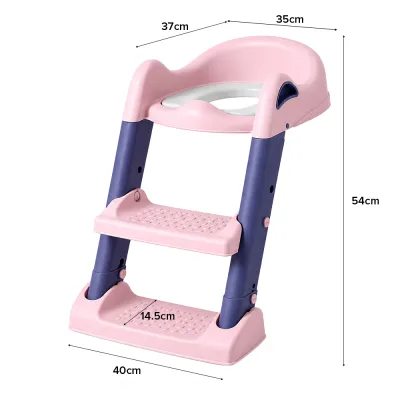
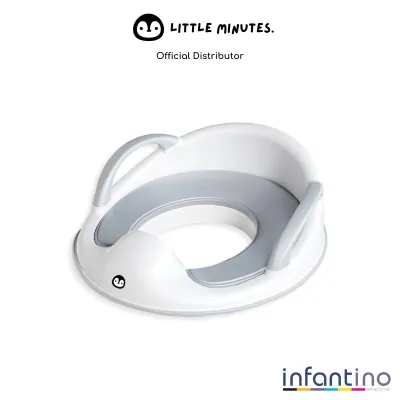
Conversely, a seat reducer (which is paired with a sturdy step stool) is highly suited for older toddlers, usually around two and a half years and older. This option is excellent for families with limited bathroom space, children who are eager to mimic adult habits immediately, or parents who want to avoid a secondary transition phase later on.
Products mentioned in this guide
Prices are valid at publication and may change. Please refer to the product page for the latest price.
To make the most informed decision, you will want to evaluate four core factors: your child’s age and physical readiness, your bathroom’s physical layout, your daily cleaning routine, and the long-term transition process.
Seat Reducer vs Standalone Potty: Core Differences
Before comparing specific features, it is helpful to understand the physical design and underlying philosophy of each kid toilet seat category.
A standalone potty is a self-contained, miniature toilet designed specifically for toddlers. It rests directly on the bathroom floor, or any flat surface in your home, and does not connect to your household plumbing. Most models consist of a sturdy plastic frame, a supportive backrest, a splash guard to prevent spills, and a removable inner bowl. When your child finishes using it, you must manually remove this bowl, empty the contents into your adult toilet, and wash it out.
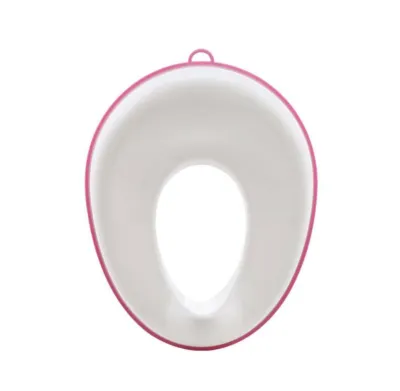
A seat reducer, often referred to as a potty seat insert, is a contoured ring that sits directly on top of your existing adult toilet seat. It reduces the size of the toilet opening so your child can sit comfortably without the fear of slipping inside. Because adult toilets are elevated, a seat reducer almost always requires a separate, slip-resistant step stool. This setup allows your child to climb up independently and provides a solid platform for their feet while they sit.
The primary difference between these two options lies in how they approach the training process. A standalone potty creates a dedicated, low-stress station tailored entirely to a child’s scale. A seat reducer, on the other hand, integrates your child directly into the existing adult bathroom environment and routine from their very first day of training.
4 Key Factors to Compare Before Buying a Kid Toilet Seat
Choosing between these two systems requires looking closely at how your family lives and how your child is developing. Every household has different spatial constraints and routines, and every child progresses at their own pace.

Child's Age, Size, and Potty Readiness
Your child’s physical size and emotional comfort are the most critical elements to consider. Younger toddlers are often intimidated by the sheer scale of an adult bathroom. The height of a standard toilet can make them feel unstable, and the loud, sudden sound of flushing can cause genuine anxiety. For these children, a ground-level standalone potty offers a non-threatening, accessible alternative that they can approach completely on their own terms.
Physical posture also plays a massive role in successful toilet training. To pass bowel movements easily, children need proper foot support that allows their knees to sit slightly higher than their hips. A standalone potty naturally places a toddler in this optimal squatting position because their feet rest flat on the floor. If you choose a seat reducer, you must ensure your step stool is tall enough to prevent your child’s legs from dangling. Dangling legs cause the pelvic floor muscles to tense up, which can lead to straining; if your child experiences persistent physical discomfort or chronic constipation during training, stop use and consult a qualified healthcare professional.
Instead of relying strictly on age milestones, focus on observing your child’s unique readiness cues. Look for signs such as showing curiosity when you use the restroom, possessing the physical coordination to climb stairs, or expressing discomfort with wet diapers. If your child is highly independent and eager to do everything “like a grown-up,” they may reject a babyish standalone potty in favor of a seat reducer on the big toilet.
Bathroom Space and Daily Setup
The physical layout of your home is another major factor in this decision. In compact living environments, such as typical apartments or HDB flats in Singapore, bathroom floor space is at a premium. Many of these bathrooms are designed as wet rooms, meaning the floor frequently gets wet during showers. Placing a standalone potty on a wet, tiled floor can create slipping hazards and requires you to wipe down the exterior of the potty constantly to keep it hygienic.
A seat reducer is an excellent space-saving alternative for smaller bathrooms because it utilizes the existing toilet footprint. However, you will need to plan where to store the reducer ring and the accompanying step stool when adult family members or guests need to use the toilet. Many parents hang the reducer on an adhesive hook on the side of the toilet tank or bathroom wall to keep it off the floor.
You should also consider the logistics of where training will actually take place. During the first few weeks of training, quick access is essential to avoid accidents. A standalone potty is highly portable, allowing you to place it in the living room, playroom, or bedroom where your child spends most of their time. A seat reducer is fixed to the bathroom, requiring your child to make it all the way to the restroom in time, which can be challenging during the early days.
Cleaning Routine and Hygiene
Maintaining a clean and hygienic bathroom is a daily task that looks very different depending on the kid toilet seat you choose. With a standalone potty, the cleaning process is entirely manual. Every single time your child uses the potty, you must carry the removable inner bowl to the adult toilet, dump the waste, rinse the bowl, and sanitize it with child-safe disinfectant. This routine can feel tedious, especially during the high-frequency early stages of training, and some parents find the close handling of waste unpleasant.
A seat reducer offers a much more streamlined cleaning experience because all waste goes directly into the adult toilet bowl. Once your child is finished, you simply flush the toilet, eliminating the need to carry and wash a separate container. However, seat reducers are not entirely maintenance-free. Because children are still learning how to position their bodies, urine can sometimes splash upward or seep underneath the reducer ring, requiring you to wipe down both the insert and the adult toilet seat underneath.
When shopping for either option on e-commerce platforms or at local baby specialty stores, pay close attention to the materials and design. Look for smooth, non-porous plastics that do not have deep crevices where bacteria can hide. If you have a son, a high, integrated splash guard is a crucial feature to look for on both standalone potties and seat reducers to prevent messy spills over the front edge.
Transitioning to the Adult Toilet
It is helpful to view potty training as a multi-stage journey rather than a single event. A standalone potty introduces what educators call a “double transition” challenge. First, your child must transition from diapers to using the small floor potty. Once they have mastered this step and outgrown the miniature seat, they must undergo a second transition to overcome their fear of the high, loud adult toilet. This secondary step can sometimes cause temporary setbacks or resistance.
A seat reducer bypasses this secondary hurdle by familiarizing your child with the adult toilet from day one. They become accustomed to the height, the bathroom environment, and the sound of the flush as a normal part of the process. When they are physically large enough to sit on the adult seat without slipping, you simply remove the reducer ring, making the final transition seamless.
However, some children find comfort in having a personal object that belongs entirely to them. A standalone potty can provide a strong sense of ownership and routine, which can be highly motivating for sensitive or cautious children who need to feel in control of their environment before they are willing to let go of diapers.
Quick Comparison: Standalone Potty vs Seat Reducer
To help you synthesize these details, the table below outlines the primary practical differences between the two options. Keep in mind that while structural characteristics remain consistent, your child’s individual temperament and physical comfort will always play a major role in which setup works best.
| Feature | Standalone Potty | Seat Reducer |
|---|---|---|
| Best Age/Stage | Ideal for early training (18–24 months) and smaller toddlers. | Best for older toddlers (2.5+ years) with good motor skills. |
| Floor Space Required | High; requires dedicated, dry floor space in the bathroom or home. | Low; fits on the existing toilet, though requires storage for the ring and stool. |
| Cleaning Effort | High; requires manual emptying, rinsing, and sanitizing after every use. | Low; waste is flushed directly, though occasional wiping of the seat is needed. |
| Foot Support | Built-in; child's feet rest naturally flat on the floor for optimal posture. | External; requires a separate, sturdy step stool to support the feet. |
| Transition to Adult Toilet | Two-step process; child must eventually transition from the small potty to the big toilet. | One-step process; child is already comfortable using the adult toilet setup. |
When reviewing these features, consider how your daily schedule aligns with the cleaning demands, and measure your bathroom floor space to ensure a standalone unit will not block walkways or slide on wet tiles.
The Final Decision Framework for Parents
To narrow down your choice, use this practical, condition-based decision matrix to identify the setup that aligns best with your household’s daily life.
Choose a Standalone Potty if:
- Your child is starting the potty training process early (under 2.5 years old) and is physically small.
- Your child shows anxiety, fear, or hesitation when sitting on the high adult toilet or hearing it flush.
- You want the flexibility to move the potty to different rooms of the house to ensure quick access.
- You have a spacious, dry bathroom with plenty of floor space, or you do not mind having a small potty chair in your living areas.
- You are comfortable with the daily routine of manually emptying, rinsing, and sanitizing the inner bowl.
Choose a Seat Reducer if:
- Your child is older (2.5 years or more), physically coordinated enough to climb a step stool safely, and tall enough to rest their feet flat on a stool.
- Your child shows a strong desire to mimic adults and wants to use the "big toilet" just like you do.
- You have a compact bathroom, such as in an apartment or HDB flat, where floor space is limited and floors are frequently wet.
- You want to minimize manual cleaning and prefer the convenience of flushing waste away immediately.
- You want to avoid the secondary transition phase of moving your child from a small potty to the adult toilet later on.
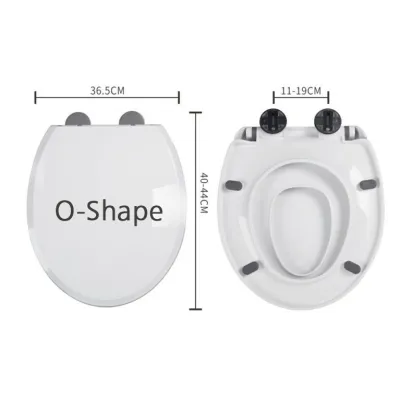
Verify First before Purchasing: Before making your final purchase, always verify the manufacturer’s safety guidelines, weight limits, and height recommendations on the product packaging. If you are choosing a seat reducer, measure your adult toilet seat shape (round vs. oval) to ensure the reducer ring will sit completely flat and secure without wobbling. Always supervise your child closely during the training process, especially when they are climbing up or down from an elevated seat.
Remember that potty training is rarely a perfectly linear process. It is completely normal for a child to show interest and then regress, or to prefer one seat type over another as they grow. Many families find that if their initial choice leads to power struggles or resistance, switching to the alternative method or taking a brief break can reset the process and lead to success.
Frequently Asked Questions (FAQ)
Do I need a step stool with a seat reducer?
Yes, a sturdy, slip-resistant step stool is an absolute necessity when using a seat reducer. The stool serves two critical functions. First, it allows your child to climb up and down from the adult toilet safely and independently, reducing the need for you to lift them every time. Second, and most importantly, it provides a flat, stable surface for their feet to rest on while they are seated. Without a step stool, your child’s legs will dangle in the air. Dangling legs make it physically difficult for a child to balance, causing them to tense their pelvic floor and abdominal muscles. This tension makes it highly challenging to relax enough to pass bowel movements comfortably, which can lead to stool withholding or constipation.
Can I use both a standalone potty and a seat reducer?
Absolutely. Utilizing both options is a highly common and effective hybrid strategy for many families. You can place a standalone potty in your main living area, playroom, or bedroom during the initial days of training. This setup ensures that when your toddler suddenly realizes they need to go, they have an accessible, low-stress option nearby. Simultaneously, you can install a seat reducer and step stool in your primary bathroom. You can encourage your child to use the bathroom setup during structured times, such as right before bath time or first thing in the morning, to build familiarity with the adult toilet. Maintaining a consistent, positive routine and offering gentle encouragement regardless of which seat they choose will help build their confidence.
Community discussion
Share your experience or ask a question. Comments are reviewed before publication.