
Quick Answer: Sealed vs Open-Top Bins for Small Nurseries
When setting up a nursery in a compact Singapore Housing & Development Board (HDB) flat, managing indoor air quality is a primary concern. For most small HDB nurseries, a sealed baby diaper bin provides significantly better odor control because it physically isolates soiled diapers from the surrounding air. This superior containment is highly advantageous in Singapore’s warm, humid climate, where organic waste decomposes rapidly. However, this performance comes with the trade-off of recurring costs for proprietary refills.
An open-top bin, while requiring more frequent emptying and offering less passive odor control, presents a highly economical and low-maintenance alternative. If your nursery has excellent cross-ventilation and you are committed to daily trash disposal, an open-top bin can work well. Ultimately, the choice comes down to a simple trade-off: choose a sealed bin for maximum odor isolation, or an open-top bin for lower ongoing costs and simpler maintenance.
How Sealed and Open-Top Bins Manage Odor in Warm Climates
Singapore’s tropical climate, characterized by ambient temperatures regularly hovering between 28°C and 32°C and relative humidity levels often exceeding 80%, creates an environment where organic waste decomposes rapidly. When a soiled diaper is discarded, anaerobic bacteria immediately begin breaking down the organic matter. This biological process releases volatile organic compounds, including sulfur derivatives and ammonia gas. In a closed, air-conditioned HDB bedroom or a small nursery with limited airflow, these gases can quickly accumulate, leading to a persistent, unpleasant odor that permeates curtains, bedding, and clothing.
Products mentioned in this guide
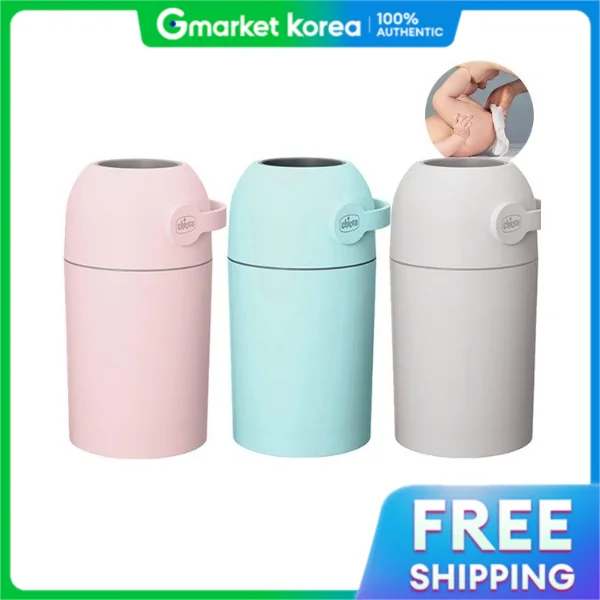
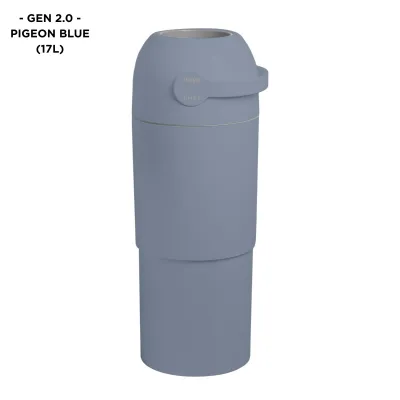
Prices are valid at publication and may change. Please refer to the product page for the latest price.

Sealed diaper bins are engineered specifically to combat this gas diffusion. They typically employ one of three mechanisms: airtight rubber gaskets that seal the lid, a dual-compartment trap-door system that drops the diaper into a lower chamber without exposing the main storage area, or a continuous plastic tubing system that twists to wrap each diaper individually. These designs minimize the volume of air exchanged between the inside of the bin and the room when a new diaper is added. By restricting oxygen flow and trapping the gases within multi-layer barrier films, sealed bins slow down the perceived rate of odor escape.
In contrast, open-top bins—including standard step-on household trash cans or swing-lid bins—rely on basic physical barriers. Every time the lid is opened or swung back, a large volume of air is displaced, pushing a plume of concentrated odor directly into the nursery. Furthermore, because these lids rarely feature airtight seals, gases continuously seep out through small gaps around the rim. In a spacious, well-ventilated house, this minor seepage might dissipate unnoticed. In a compact HDB flat where the nursery is often situated close to the living room or kitchen, even minor odor leaks can quickly become noticeable throughout the entire household.
Key Comparison Dimensions for Compact Spaces
Odor Containment and Hygiene
The primary battleground between these two designs is their long-term hygiene performance. Sealed diaper bins utilize specialized plastics and tight mechanical seals that prevent the escape of volatile gases. This high level of containment is particularly beneficial in Singapore, where warm indoor temperatures can turn a single dirty diaper into a major source of odor within hours. Additionally, the airtight nature of sealed bins acts as a highly effective barrier against common household pests. In tropical urban environments, organic waste can quickly attract fruit flies, ants, and other insects. A sealed bin completely isolates the waste, eliminating the scent trails that attract these pests.
However, sealed bins are not entirely immune to odor issues. Over months of continuous use, the internal plastic walls of a sealed bin can absorb odor molecules, a phenomenon known as plastic off-gassing. When you eventually open the bin to empty the bag, you may experience a highly concentrated “odor burp” that can temporarily overwhelm a small room. Open-top bins, because they do not trap gases under pressure, do not suffer from this sudden release of concentrated odor. However, they require a strict commitment to daily emptying to prevent the steady, continuous release of smells and to keep pests at bay.
Space Footprint and Nursery Layout
HDB bedroom layouts require careful spatial planning. A typical bedroom in a modern 3-room, 4-room, or 5-room flat must accommodate a baby cot, a changing table, wardrobe storage, and often a nursing chair, leaving very little floor space. Consequently, the physical footprint and clearance requirements of your diaper bin are critical considerations. Sealed diaper bins are generally designed with a tall, narrow, cylindrical profile. This vertical orientation allows them to tuck neatly into tight corners or sit flush against the side of a changing table, maximizing usable floor space.
When planning your layout, you must also consider operational clearance. Many sealed bins require vertical clearance because you must open a top lid and push the diaper downward through a mechanical seal. If you plan to place the bin directly underneath a wall-mounted shelf or a low changing table, this vertical movement can be restricted. Open-top bins, particularly those with foot pedals, require front clearance so the user can access the pedal, and top clearance for the lid to swing open. A wide, rectangular open-top bin may take up more valuable floor area, potentially obstructing walkways or preventing wardrobe doors from opening fully. Caregivers should measure the exact dimensions of their designated diaper-changing corner before purchasing any bin.
Daily Convenience and Maintenance
During the first few months of a baby’s life, caregivers perform up to twelve diaper changes a day. In these moments, convenience and safety are paramount. For safety reasons, a caregiver must always keep at least one hand on the infant while they are on the changing table. This makes one-handed or hands-free diaper bin operation essential. Many sealed bins feature a simple push-through design where you drop the diaper into a spring-loaded trap door, or a foot-pedal mechanism that opens the outer lid while keeping the inner seal intact. However, some sealed models require you to manually turn a dial to twist the bag after every drop, which can be cumbersome when managing a squirming baby.
Maintenance is another area where the two designs diverge significantly. If a diaper leaks, overflows, or suffers a blowout, the interior of the bin will inevitably require cleaning. Open-top bins are structurally simple, consisting of a single plastic or metal bucket with no moving parts. This makes them incredibly easy to wipe down, spray with disinfectant, or rinse out in the shower or service yard. Sealed bins, on the other hand, feature complex mechanical assemblies, including springs, gears, rubber gaskets, and dual-door hinges. These crevices can trap moisture, liquid waste, and bacteria, making them much more difficult to clean and sanitize thoroughly. If moisture becomes trapped within these mechanisms in Singapore’s humid climate, it can lead to mold growth, compounding the very odor problems the bin was purchased to solve.
Ongoing Costs: Proprietary Refills vs Standard Trash Bags
The financial comparison between sealed and open-top diaper bins is often the deciding factor for budget-conscious parents in Singapore. Most high-performing sealed diaper bins rely on proprietary refill cassettes or cartridges. These cartridges contain a continuous, multi-layered plastic tube that is specially treated with antimicrobial agents and odor-barrier technology. While highly effective at blocking smells, these refills represent a significant, recurring expense.
To understand the long-term financial impact, consider the math over a typical diapering period of two years. A single proprietary refill cartridge typically costs between S$12 and S$20 in Singapore, depending on the brand and package size. If your baby goes through approximately 6 to 8 diapers a day, one cartridge will generally last between three to four weeks. This means you will need approximately 13 to 17 cartridges per year. Over the course of a single year, this translates to an ongoing cost of S$156 to S$340. Over a two-year diapering cycle, parents can expect to spend between S$312 and S$680 solely on plastic refills, in addition to the initial purchase price of the bin itself, which usually ranges from S$40 to S$90.
In contrast, open-top bins offer complete freedom from proprietary supplies. These bins can be lined with any standard trash bag, including inexpensive flat-pack bags purchased from local supermarkets, biodegradable trash bags, or even clean plastic grocery bags accumulated from daily shopping. A pack of 50 standard trash bags typically costs less than S$3 to S$5, resulting in an annual bag expense of under S$30. This represents a massive cost saving over two years, freeing up hundreds of dollars that can be redirected toward other essential baby supplies, such as diapers, wipes, or barrier creams.
Beyond the financial aspect, the environmental impact of these systems is an important consideration for many modern families. The continuous plastic tubing used in sealed bins generates a substantial amount of non-recyclable plastic waste. Because the tubing is cut and knotted at both ends during every emptying cycle, it inherently uses more plastic per diaper than a standard trash bag. In Singapore, where all non-recyclable waste is incinerated and the ash is sent to the Semakau Landfill, minimizing single-use plastic is a growing priority. Open-top bins allow parents to choose eco-friendly, biodegradable, or compostable bags, significantly reducing their household’s environmental footprint. Before committing to a sealed system, caregivers should check local online marketplaces or official brand stores to verify the long-term availability, bulk pricing options, and potential subscription discounts for refills.
Decision Framework: Choose Sealed or Open-Top?
To help you navigate this choice, use the following structured decision framework tailored to typical Singapore HDB living conditions.
Choose a sealed diaper bin if:
- Odor control is your absolute priority: Your nursery is located in a small, enclosed bedroom (such as a common room in a 3-room or 4-room BTO flat) that lacks consistent cross-ventilation or is frequently air-conditioned with the windows closed.
- The changing station is near living areas: Your baby's changing table is situated in a high-traffic area, such as the living room or right next to your dining space, where any escaping odor would immediately disrupt the household.
- You prefer less frequent trash trips: You want the convenience of only emptying the diaper bin every few days without worrying about smells escaping into the room in the interim.
- Your budget accommodates recurring costs: You are comfortable spending an estimated S$150 to S$300 annually on proprietary refill cartridges to maintain maximum convenience and odor isolation.
Choose an open-top diaper bin if:
- You want to minimize ongoing expenses: You prefer a cost-effective solution that utilizes standard, inexpensive household trash bags or recycled grocery bags, saving hundreds of dollars over your child's diapering years.
- Your nursery has excellent ventilation: The changing area is located near a large window with strong breeze access, or in a well-ventilated utility area or service yard where air circulates freely.
- You are committed to a daily emptying routine: You do not mind taking the trash out to your HDB floor's centralized refuse chute every single day, which naturally prevents odors from building up in the first place.
- You prioritize environmental sustainability: You want the flexibility to use biodegradable, compostable, or recycled plastic bags rather than being locked into proprietary multi-layer plastic cassettes.
Verify first if:
- You need to check physical dimensions: Measure the exact height and width of your designated nursery corner. Ensure that a step-on open-top bin has enough clearance to open fully without hitting shelves, or that a tall sealed bin can be comfortably operated without straining your back.
- Refill supply chains are stable: If leaning toward a sealed bin, check local online marketplaces to ensure that replacement cartridges for your chosen brand are readily available in Singapore and not subject to frequent stockouts.
Practical Tips for Maximizing Odor Control in Small Rooms
Regardless of which diaper bin design you choose, implementing a few simple, low-risk maintenance habits can dramatically improve the air quality in a small HDB nursery.
- Scrape solid waste into the toilet: For older babies who have transitioned to solid foods, always scrape or rinse loose stool into the toilet bowl before rolling up and taping the diaper. Removing the bulk of the organic waste from the diaper before disposal eliminates the primary source of strong odors and significantly slows down gas production inside the bin.
- Utilize natural odor absorbents: Place a moisture-absorbing agent at the absolute bottom of the bin, underneath the plastic liner. Excellent, low-cost options include a small pouch of activated charcoal, a cup of baking soda, or dry coffee grounds. These materials naturally absorb ambient moisture and neutralize acidic gases like ammonia, preventing them from escaping when the bin is opened.
- Establish a strict emptying schedule: In Singapore's warm and humid climate, do not wait for your diaper bin to reach maximum capacity before emptying it. Establish a routine to empty the bin at least once every 24 to 48 hours. Frequent disposal down your HDB block's refuse chute is the single most effective way to prevent deep-seated odors from taking hold.
- Wash and dry the bin regularly: Every time you empty the bin, take a moment to inspect the interior. At least once a week, wash the entire bin with mild dish soap and warm water in your bathroom or service yard. Crucially, allow the bin to dry completely in a well-ventilated area or under direct sunlight before inserting a new bag. Any trapped moisture inside a sealed plastic container will quickly lead to mold, mildew, and sour odors.
Frequently Asked Questions (FAQ)
Can I use regular plastic bags in a sealed diaper bin?
While some hybrid sealed diaper bins are designed to accommodate standard trash bags, the majority of high-efficiency sealed models require proprietary continuous refill cassettes to function as intended. These proprietary systems rely on the specific thickness and multi-layer barrier properties of their custom plastic film to lock in odors. Attempting to force a standard plastic bag or a local grocery bag into a bin designed exclusively for proprietary refills can compromise the airtight seal, cause the mechanical trap doors to jam, or tear the bag during removal. Always consult the manufacturer’s product documentation and user manual to verify bag compatibility before attempting any workarounds, as forcing incompatible bags may damage the internal gears or void your warranty.
How often should I empty the diaper bin in a small room?
In a compact space like a Singapore HDB bedroom, you should empty your diaper bin at least once every 24 to 48 hours, regardless of whether you are using a sealed or an open-top model. Even the most advanced sealed bins can begin to leak minor odors if soiled diapers are left to decompose in high humidity for several days. If a diaper is heavily soiled or contains loose stool from an illness, it is best to bag it individually and dispose of it immediately down your floor’s centralized refuse chute. Maintaining a frequent emptying schedule prevents the buildup of highly concentrated ammonia gas and eliminates the risk of attracting pests to your baby’s sleeping area.
Community discussion
Share your experience or ask a question. Comments are reviewed before publication.