
When choosing a milk formula for your growing child, understanding its nutritional composition is the first step toward supporting their developmental milestones. Sangha milk, a brand option available to parents, is formulated with a blend of essential nutrients designed to meet the dietary needs of infants and toddlers. However, because nutritional requirements shift rapidly during a child’s first years, the exact nutrients your baby receives will depend on the specific product variant, stage, and formulation you select. To ensure your child gets the right balance, it is crucial to understand how to read the product label and align it with professional pediatric advice.
Every infant has a unique developmental trajectory, meaning that what works for one child may not be suitable for another. By learning to analyze the ingredients and nutrient ratios on the packaging, you can make an informed decision that directly supports your baby’s growth. This guide outlines how to evaluate these nutritional components, verify product labels, and practice safe preparation methods to maximize the benefits of your chosen formula.
Understanding Sangha Milk's Nutritional Profile
Approaching any milk formula requires a clear understanding that nutritional claims must always be verified against the physical packaging. Sangha milk is offered in various formulations, each tailored to specific developmental stages, such as infant formula for newborns or growing-up milk for active toddlers. Because these product lines serve different age groups, their ingredient lists and nutrient concentrations vary significantly to match the changing metabolic demands of a growing child.
Products mentioned in this guide
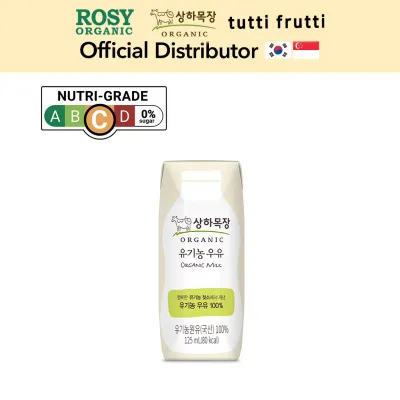
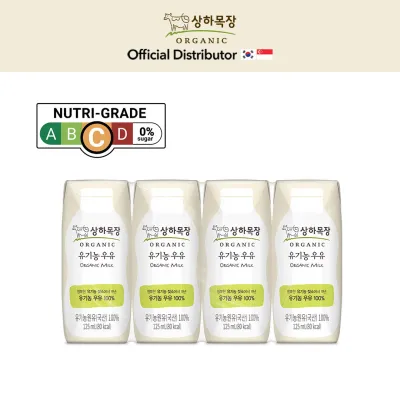
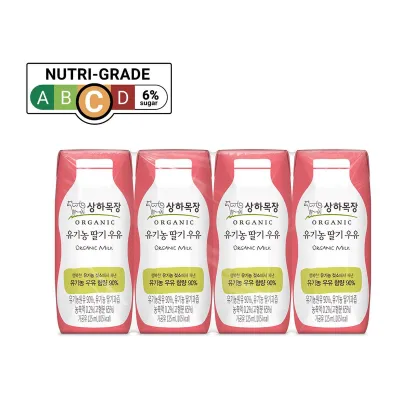
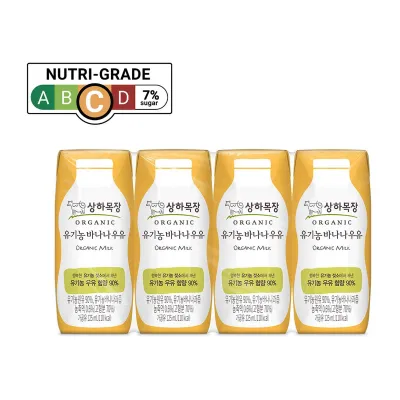
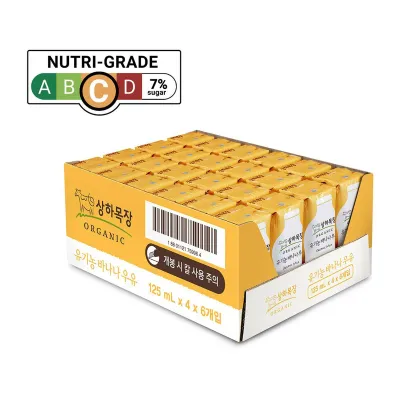

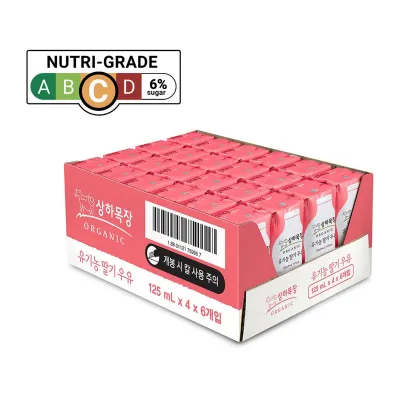
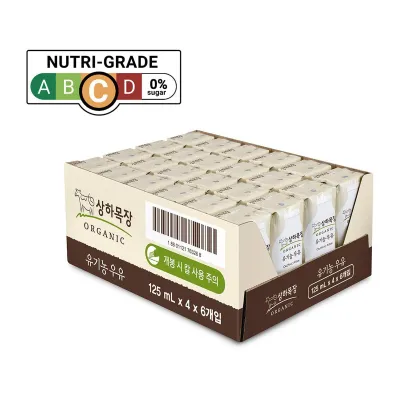
Prices are valid at publication and may change. Please refer to the product page for the latest price.
Exact nutrient levels are not static; they can vary based on the specific product line, manufacturing batch, and regional distribution standards. For this reason, the physical product label on the tin in your hand remains the primary source of truth. Relying on general online overviews can lead to discrepancies, so always check the printed nutritional information panel before introducing a new batch to your baby.
Before committing to a specific formula, consulting a pediatrician or a registered dietitian is highly recommended. A healthcare professional can evaluate your baby’s individual growth chart, dietary intake, and health history to determine if the specific variant of Sangha milk aligns with their needs. This personalized guidance helps prevent nutritional gaps and ensures you are not introducing ingredients that could trigger sensitivities.
How to Read and Verify the Nutrition Label
Interpreting the nutritional information panel on a tin of Sangha milk is an essential skill for monitoring your baby’s daily intake. The label is typically divided into sections showing nutrients per 100 grams of powder and per prepared serving. Start by checking the serving size and the caloric density, which tell you exactly how much energy your baby receives from a standard feed. This allows you to track whether your child is meeting their daily energy requirements without overfeeding.

Next, examine the ingredient list closely to identify the sources of macronutrients and check for any additives. Parents should actively monitor the label for added sugars, artificial flavors, or unnecessary preservatives. While lactose is the naturally occurring sugar in breast milk and high-quality formulas, some products may use alternative sweeteners that you might prefer to limit or avoid depending on your pediatrician’s advice.
Finally, always verify the manufacturing date and the expiration date printed on the bottom or side of the tin. Consuming expired formula can compromise nutrient integrity and pose food safety risks. Additionally, read the manufacturer’s storage instructions carefully; in warm and humid environments like Singapore, keeping the tin tightly sealed in a cool, dry place—and never in the refrigerator—is vital to prevent moisture absorption, clumping, and spoilage.
Essential Nutrients for Baby Development
A balanced profile of both macro- and micronutrients is required to support your baby’s holistic development, from physical growth to cognitive function. During the early stages of life, a baby’s body undergoes rapid cellular division and tissue expansion, requiring a steady supply of high-quality nutrients. A deficiency or an imbalance in these components can impact their developmental timeline.
The specific amounts of nutrients your baby needs depend on several individual factors, including their age, weight, growth rate, and whether they are consuming solid foods. Because these variables change constantly, a healthcare professional should periodically evaluate your baby’s overall diet. This ensures that the milk formula continues to complement their changing nutritional requirements effectively.
Macronutrients for Physical Growth
Macronutrients—proteins, fats, and carbohydrates—provide the structural building blocks and energy necessary for your baby’s daily activities and physical growth. Proteins are fundamental for the development of muscles, organs, and the immune system. When reading the Sangha milk label, identify the primary protein source, which is commonly cow’s milk whey and casein, soy protein, or partially hydrolyzed proteins designed for easier digestion.
Fats are a highly concentrated energy source and are absolutely critical for early brain development and cellular structure. Look for healthy fat sources on the ingredient list, such as high-quality vegetable oil blends that provide essential fatty acids. These fatty acids are crucial because the human body cannot synthesize them naturally, meaning they must be obtained entirely through your baby’s diet.
Carbohydrates serve as the primary fuel source for your baby’s brain and physical movements. Lactose is the preferred carbohydrate in most infant formulas as it mimics the natural composition of breast milk and aids in calcium absorption. Check the label to ensure the carbohydrate source aligns with your baby’s digestive tolerance, especially if they have been diagnosed with specific carbohydrate sensitivities.
Micronutrients for Brain and Bone Health
Micronutrients, consisting of essential vitamins and minerals, act as catalysts for vital biochemical processes, supporting bone density, cognitive function, and immune health. Calcium and vitamin D work synergistically to build strong bones and teeth. Vitamin D is necessary for the body to absorb calcium efficiently; therefore, you should verify on the label that both nutrients are present in balanced proportions to support skeletal development.
Iron is another critical mineral, particularly from the age of six months onward, when a baby’s natural maternal iron stores begin to deplete. Iron is essential for the production of hemoglobin, which carries oxygen throughout the body, and it plays a direct role in neurological development. Ensuring your chosen formula contains adequate iron helps prevent developmental delays associated with iron deficiency.
Additionally, look for zinc and docosahexaenoic acid (DHA) or arachidonic acid (ARA) on the ingredient list. Zinc supports cellular metabolism and immune function, helping your baby fight off common childhood illnesses. DHA and ARA are omega-3 and omega-6 fatty acids, respectively, that are highly concentrated in the brain and retina, making them key components for supporting visual acuity and cognitive processing.
Matching the Formula to Your Baby's Age and Needs
Selecting the correct variant of Sangha milk requires matching the product to your child’s specific developmental stage. Infant formulas designed for the first 12 months of life are highly regulated and formulated to serve as a sole source of nutrition. In contrast, toddler growing-up milks for children aged one to three years are formulated to complement a diversified solid food diet, containing different protein structures and mineral concentrations to suit an older child’s digestive system.
As you introduce or transition between formulas, monitor your baby closely for any observable signs of food intolerance or allergic reactions. Symptoms such as eczema flare-ups, persistent vomiting, chronic diarrhea, blood in the stool, or excessive, inconsolable fussiness after feeding can indicate an adverse reaction to a milk protein or another ingredient. If you observe any of these signs, stop using the product immediately and seek medical attention.
Never attempt to self-diagnose a suspected formula allergy or switch between specialized formulas without professional guidance. Consulting a pediatrician or registered dietitian ensures that any transition is handled safely. A professional can recommend appropriate hypoallergenic or lactose-free alternatives if your baby shows signs of sensitivity, preventing unnecessary digestive distress and ensuring continuous, safe nutrition.
Safe Preparation and Feeding Practices
To preserve the nutritional value of Sangha milk and protect your baby from harmful bacterial contamination, you must adhere to strict preparation guidelines. Always follow the exact water-to-powder ratio specified on the product packaging. Altering this ratio by adding extra powder can strain your baby’s kidneys and cause severe dehydration, while adding too much water dilutes essential nutrients, potentially leading to malnutrition over time.
Use a safe, clean water source for preparation. Boil fresh tap water and allow it to cool to the temperature recommended by the manufacturer or local health guidelines before mixing in the powder. Using water that is too hot can destroy heat-sensitive vitamins and probiotics, while water that is too cold may not dissolve the powder completely, leading to clumping and inconsistent nutrient delivery.
Proper storage of both the powder and prepared bottles is critical for maintaining food safety. Once a tin of Sangha milk is opened, it should typically be used within three to four weeks; write the date of opening on the lid as a reminder. Prepared bottles should be consumed immediately or stored in the refrigerator for no longer than the manufacturer specifies. Always discard any leftover milk remaining in the bottle after a feed, as bacteria from your baby’s saliva can multiply rapidly in the warm liquid.
Frequently Asked Questions (FAQ)
How do I know if my baby is allergic to the ingredients in Sangha milk?
An allergic reaction or intolerance to formula ingredients typically manifests through clear, observable physical symptoms. Watch for skin reactions like hives or worsening eczema, digestive issues such as frequent vomiting, severe diarrhea, or visible blood in the stool, and behavioral signs like extreme fussiness or colic shortly after feeding. If your baby exhibits any of these symptoms, stop feeding them the formula immediately. You should consult your pediatrician promptly to obtain an accurate diagnosis and receive recommendations for safe, alternative feeding options tailored to your baby’s digestive needs.
Can I mix Sangha milk with other baby foods or supplements?
You should avoid mixing milk powder or prepared formula directly with unauthorized supplements, medications, or extra water in the feeding bottle. Doing so alters the carefully balanced nutrient concentration, which can interfere with nutrient absorption, cause accidental nutrient overdosing, or even lead to dangerous water intoxication. If your baby is ready for solid foods, introduce age-appropriate purees, cereals, or mashed foods separately on a spoon alongside their regular milk feeds, following the developmental timeline and feeding plan recommended by your pediatrician.
Community discussion
Share your experience or ask a question. Comments are reviewed before publication.