
When preparing a nursery in Singapore, ensuring your baby cot meets recognized safety standards is the single most critical step in preventing sleep-related accidents. While a cot may look beautiful and match your home’s aesthetic, its primary function is to provide a secure, hazard-free environment for your infant. Because babies spend a significant portion of their first years sleeping unsupervised, the structural integrity, material safety, and design dimensions of the cot must be verified before purchase. Rather than relying on marketing claims or brand popularity, parents should systematically check for official safety certifications, inspect physical components, and understand how to maintain a safe sleep setup.
Understanding Safety Regulations and Certifications
Navigating the nursery furniture market requires a clear understanding of safety certifications. In Singapore, consumer goods are subject to safety regulations, and baby cots sold by reputable retailers should align with established international safety standards. The most widely recognized standards include the European standard (EN 716), the American standard (ASTM F1169), and the British standard (BS EN 716). These standards govern everything from structural strength and material toxicity to specific dimensional requirements designed to prevent accidents.
When shopping for a cot, do not take verbal assurances or vague marketing descriptions at face value. Look for physical labels, stamps, or printed declarations of conformity on the product packaging, the cot frame itself, or within the user manual. A compliant product will clearly state which specific standard it meets. If this information is missing from the product display or online listing, it is essential to ask the retailer or manufacturer directly for verification.
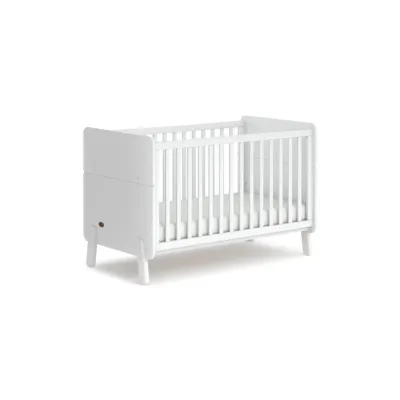
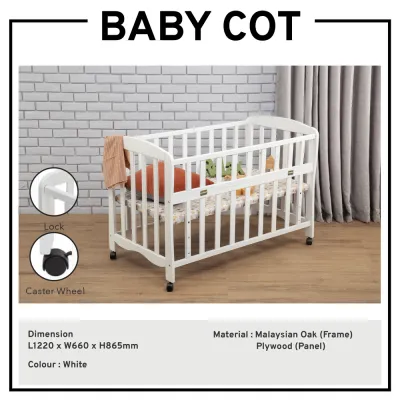
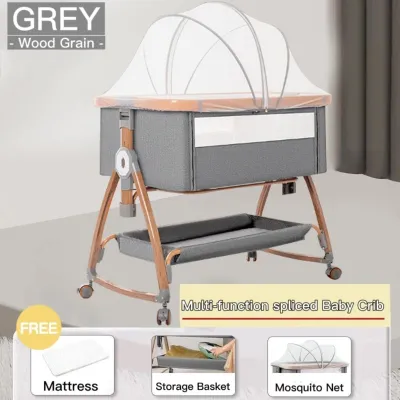
Products mentioned in this guide
![[Jarrons & Co] Happy Dream 4-in-1 Convertible Baby Cot (Free Delivery Installation Teething Rail Side Guard & Mosquito Net)](https://img.lazcdn.com/g/p/1fa2fe8c6ca9054589090bd9450eb2ac.png_400x400q80.png_.webp)
![[SG Stock]Brotish Multifunctional 2 Layer Portable Infant Baby Cot Playpen Travel Cot Bed Double-deck Playpen Sleep Bed](https://img.lazcdn.com/g/p/1d2300a4ca5dde51839ac1a460f68d97.jpg_400x400q80.jpg_.webp)


Prices are valid at publication and may change. Please refer to the product page for the latest price.
To confirm a cot’s safety credentials, ask the retailer for the official test report or certificate of compliance issued by an independent, accredited testing laboratory. Reputable brands and authorized distributors should be able to provide this documentation upon request. If a seller cannot produce proof of testing, or if they offer vague explanations about their manufacturing processes, it is best to look for alternative options. Relying solely on brand reputation is insufficient, as manufacturers often produce different models for different global markets, and not all models carry the same safety certifications.
Essential Physical Safety Checks for Baby Cots
Before assembling or using any baby cot, parents should perform a thorough physical inspection of its structure. One of the most critical safety dimensions is the spacing between the cot slats. If the slats are too far apart, a baby’s limbs or head could become trapped, leading to serious injury. According to standard safety guidelines, the gap between slats should be narrow enough to prevent entrapment. You should refer to the product’s safety manual for the exact tolerances, but a common benchmark is that the gap should not allow a standard soda can or an object of similar width to pass through.

In addition to slat spacing, inspect the entire frame for sharp edges, rough surfaces, or protruding hardware. Run your hands along the wooden or metal rails to check for splinters, sharp corners, or exposed screws and bolts. Any protruding hardware can catch on a baby’s clothing, sleep sack, or pacifier ribbon, creating a dangerous entanglement hazard. Ensure all fasteners are flush with the frame or recessed safely according to the manufacturer’s assembly instructions.
The moving parts and adjustable features of the cot also require close scrutiny. If the cot features an adjustable base height, verify that the locking mechanisms are robust and cannot be accidentally dislodged by a child’s movement. As your baby grows and learns to sit or stand, the base must be lowered to prevent them from climbing or falling out. If the cot is equipped with wheels or castors for mobility, ensure that at least two of the wheels have secure, functional locks. These locks must be engaged whenever the cot is occupied to prevent unintended movement on smooth flooring.
Mattress Fit and Bedding Safety Requirements
A safe cot requires a properly fitted mattress to eliminate dangerous gaps. When placing a mattress inside the cot, there should be virtually no space between the mattress edge and the cot sides. If you can fit more than two fingers between the mattress and the frame, the mattress is too small. A gap of this size poses a severe entrapment risk, as a baby can slip into the space and become wedged. Always check the manufacturer’s specifications for the exact mattress dimensions recommended for your specific cot model.
The firmness of the mattress is another critical factor in preventing suffocation. A baby’s sleep surface must be firm and flat. Soft mattresses, memory foam, or mattress toppers can conform to a baby’s face if they roll over, blocking their airway. To test firmness, press your hand firmly onto the mattress; it should snap back immediately without retaining any indentation. Ensure the mattress cover is breathable and fits tightly around the mattress core without bunching or slipping.
The sleep environment inside the cot must remain completely clear of unnecessary items. Strictly avoid placing soft bedding, pillows, quilts, heavy blankets, stuffed toys, or cot bumpers inside the cot. While cot bumpers are often marketed as a way to protect babies from bumping against the slats, they restrict airflow and present a significant suffocation and climbing hazard. A fitted sheet over a firm mattress is the only bedding required for a safe sleep environment. If you are concerned about your baby staying warm, use a properly fitted sleep sack appropriate for the room temperature instead of loose blankets.
Red Flags and When to Stop Using a Cot
Over time, regular use can cause wear and tear that compromises a cot’s structural integrity. Parents should establish a routine of inspecting the cot every few weeks. Look for loose joints, wobbling, or structural instability. If the cot sways or creaks when gently shaken, the hardware may need tightening, or the joints may be failing. Wood that is cracked, split, or showing signs of warping due to local humidity should be addressed immediately, as compromised wood can splinter or break under a child’s weight.
Peeling paint or finishes are major red flags that require immediate attention. Teething babies often chew on the cot rails, and ingesting paint chips or finishes can expose them to harmful chemicals. Ensure that any paint or finish used on the cot is non-toxic and lead-free, as verified by the manufacturer’s documentation. If you notice any peeling, cracking, or chipping on the rails, discontinue use or install a safe, manufacturer-approved teething guard.
Monitoring for product recalls is another essential aspect of cot safety. Register your purchase with the manufacturer immediately after buying to ensure you receive direct safety alerts and recall notices. You can also check official consumer safety portals and government recall lists regularly. If you are considering a second-hand, modified, or inherited cot, exercise extreme caution. Older cots may not meet modern safety standards, and they often lack instruction manuals, original hardware, or structural history. If a cot has been modified, has missing parts, or shows signs of significant wear, it should be rejected to protect your child’s safety.
Frequently Asked Questions (FAQ)
Are drop-side cots safe to use?
Drop-side cots, which feature a side rail that slides down to make accessing the baby easier, have been associated with serious safety risks. Mechanical failures, warped wood, or incorrect assembly can cause the drop-side rail to detach partially, creating a dangerous gap where an infant can become trapped and suffocate. Many modern safety standards have banned or strictly limited the sale of traditional drop-side cots. If you are considering a model with a drop-side mechanism, check the manufacturer’s current safety alerts and verify that the locking mechanisms are exceptionally secure and fully compliant with modern safety regulations.
How can I verify if a specific cot brand is certified?
To verify a cot brand’s safety claims, start by requesting the official test certificates directly from the retailer or the brand’s official store. A reputable manufacturer will readily provide documentation showing that the specific model has been tested by an independent, accredited testing body. You can cross-reference the certification marks and test report numbers printed on the product or manual with the database of the issuing testing organization. If a brand cannot provide verifiable test reports or if the certificate details do not match the specific model you are purchasing, you should treat their safety claims with skepticism.
Is it safe to buy a second-hand baby cot?
Buying a second-hand baby cot carries inherent risks and requires meticulous inspection. Pre-owned cots may have suffered invisible structural damage, or they may be missing original hardware, which parents sometimes replace with non-standard screws that compromise stability. Additionally, older models may not comply with current safety standards regarding slat spacing or material toxicity. If you choose to buy second-hand, only accept a cot that includes the original assembly manual, has all original hardware, shows no signs of wear or modification, and clearly displays a recognized safety certification label. If any of these elements are missing, it is safer to decline the purchase.

Community discussion
Share your experience or ask a question. Comments are reviewed before publication.