
Selecting a baby sleeping bed is one of the most significant decisions you will make when preparing your nursery. With a wide array of options available in local showrooms and online marketplaces, it is easy to get distracted by aesthetic designs, wood finishes, and space-saving features. However, safety must always remain your primary consideration. A baby sleeping bed is the only place where a child is regularly left unattended for hours, making structural integrity and certified safety standards non-negotiable.
To ensure a secure sleeping environment, parents must learn how to identify recognized international safety certifications, perform hands-on physical inspections, and maintain the crib correctly over its lifespan. Singapore’s unique tropical climate and typical high-rise apartment living also introduce specific environmental factors, such as humidity and space constraints, that influence how you should set up and care for your baby’s bed. This guide provides a comprehensive framework to help you evaluate crib safety before making a purchase.
Recognized Safety Certifications to Look For
When browsing baby sleeping beds, you should look beyond marketing claims. Phrases like “safety tested,” “non-toxic,” or “pediatrician approved” are often used loosely by manufacturers and do not guarantee compliance with rigorous safety protocols. Instead, you must look for physical certification marks stamped on the product frame, printed on the packaging, or detailed in the user manual.
Products mentioned in this guide
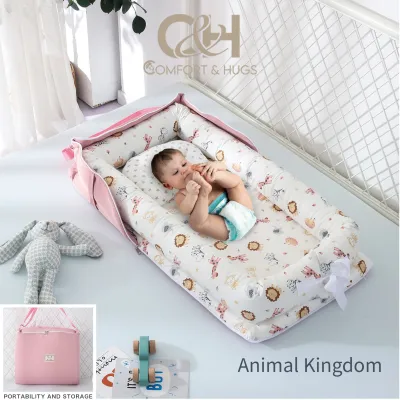
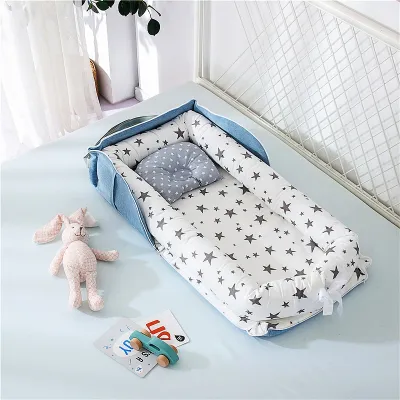

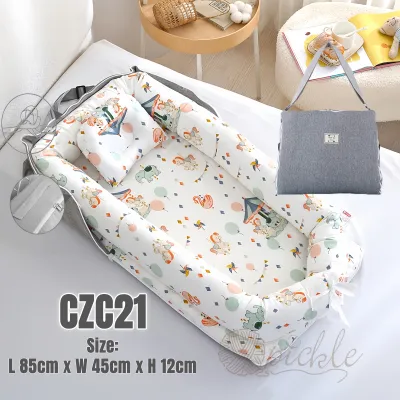
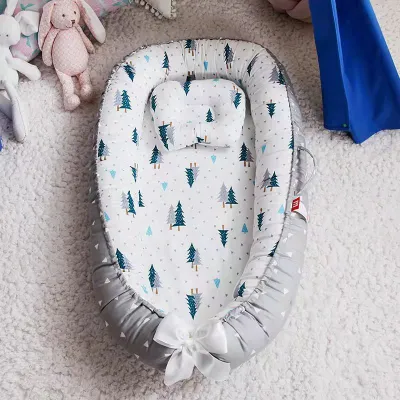
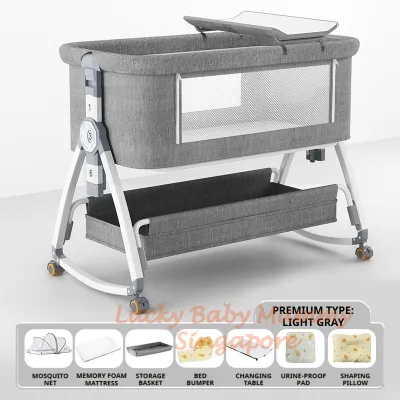
Prices are valid at publication and may change. Please refer to the product page for the latest price.
In Singapore, consumer goods are monitored under safety guidelines, but because many baby products are imported, you will primarily encounter international safety standards. The most widely recognized standards include:
- EN 716 (European Standard): This standard specifies safety requirements and test methods for children's cots for domestic use. It covers structural stability, materials, and physical dimensions.
- ASTM F1169 (American Standard): This standard covers performance requirements, test procedures, and labeling requirements for full-size baby cribs, ensuring they resist structural failures.
- BS EN 716 (British Standard): Similar to the European standard, this certification ensures the crib meets strict safety criteria for the UK and European markets.
When examining a crib, locate the manufacturer’s label. This label should clearly state the specific standard the product complies with, along with the manufacturer’s or importer’s contact details. Additionally, verify the compliance statements regarding age, weight, and developmental limits. For example, some cribs are designed only for infants up to a certain weight or until they can sit up unassisted. Always cross-reference these limits with your child’s current developmental stage to ensure the bed remains safe for them.
Essential Physical Safety Checks Before Purchase
Whether you are shopping in a physical showroom or inspecting a newly delivered baby sleeping bed at home, you must perform a series of physical safety checks. These hands-on evaluations help you identify potential hazards that might not be obvious from online product photos.

First, measure the slat spacing. The distance between the vertical slats of the crib must be narrow enough to prevent your baby’s head, limbs, or torso from slipping through or becoming trapped. The standard safety limit is that the gap between slats must not exceed 60 millimeters. A practical way to test this in-store is to see if a standard soda can or tennis ball can pass through the slats; if it does, the spacing is too wide and poses an entrapment hazard.
Second, evaluate the mattress fit and firmness. The mattress must fit snugly within the crib frame with virtually no gaps. To test this, place the mattress inside the crib and try to insert two fingers between the mattress edge and the crib sides. If you can fit more than two fingers (approximately 30 millimeters of space), the mattress is too small, creating a dangerous gap where a baby’s head could become wedged. Furthermore, the mattress must be exceptionally firm. A soft mattress can conform to a baby’s face and lead to suffocation. Press your hand down on the mattress; it should spring back immediately without retaining the impression of your hand.
Third, inspect the crib for hazardous design features. Look closely at the corner posts. These posts should be flush with the end panels or, if they extend upward, they must not exceed 1.5 millimeters in height. Anything taller can catch on a baby’s clothing, sleep sack, or pacifier cord, presenting a severe strangulation risk. Avoid cribs with decorative cutouts in the headboard or footboard, as these can trap a baby’s head or limbs.
Fourth, carefully consider the mechanism of the crib. Drop-side cribs, which feature a side panel that slides down to make accessing the baby easier, have been banned or heavily restricted in several international markets due to safety concerns. Over time, the plastic or metal tracking hardware on drop-side cribs can warp, break, or become misaligned, creating a gap where an infant can become trapped and suffocate. For maximum safety, opt for a fixed-side baby sleeping bed. If you choose a model with moving parts, ensure the locking mechanisms are robust, dual-action, and completely out of the baby’s reach.
Safe Setup and Ongoing Maintenance
Buying a certified baby sleeping bed is only the first step; assembling and maintaining it correctly is equally vital to prevent accidents. When assembling the crib, strictly adhere to the manufacturer’s instructions. Do not rush the process, and ensure every screw, bolt, bracket, and wooden dowel is installed exactly as pictured.
Never substitute missing hardware with generic screws or parts from a local hardware store. Standard hardware may not have the correct thread pitch, length, or tensile strength required to hold the crib frame securely under the dynamic load of a moving baby. If you find that any parts are missing or damaged during assembly, contact the manufacturer or authorized distributor immediately to request official replacement parts. Keep the assembly manual in a safe place for future reference, such as when you need to adjust the mattress height or disassemble the crib.
Singapore’s humid tropical climate can affect nursery furniture over time. High humidity levels can cause solid wood to expand or contract, potentially loosening joints, screws, and fasteners. It can also affect the integrity of non-toxic glues and finishes. Perform routine visual and physical inspections of the baby sleeping bed at least once a month. Shake the crib gently to check for structural wobbles, tighten any loose bolts, and inspect the wooden surfaces for splinters, cracks, or peeling paint. If you notice any rough spots, sand them down gently or contact the manufacturer if the finish is deteriorating.
As your baby grows, their physical capabilities will change rapidly. Most safety-certified cribs feature adjustable mattress heights. You must lower the mattress base to its lowest setting as soon as your baby shows signs of sitting up, rolling over, or pulling themselves up to a standing position. Keeping the mattress too high when a baby is active increases the risk of them climbing or falling over the side rail. Additionally, ensure the crib is placed in a safe location within the room. Keep it far away from windows, direct sunlight, air conditioning units, electrical outlets, and cords from blinds or baby monitors, which pose strangulation and choking hazards.
Risks of Second-Hand and Modified Cribs
With the rising cost of living, saving money by purchasing a second-hand baby sleeping bed or accepting a hand-me-down from family or friends can be tempting. While this can reduce your nursery setup costs, it introduces significant safety risks that require careful evaluation.
Older crib models may not comply with modern safety standards. For instance, a crib manufactured more than a decade ago might have wider slat spacing, lead-based paint, or outdated drop-side mechanisms that are now recognized as hazardous. Furthermore, second-hand cribs often suffer from structural fatigue. Over years of use and storage, wooden joints can weaken, plastic brackets can become brittle, and metal hardware can rust. These defects are not always visible to the naked eye but can cause the crib to collapse under pressure.
Another common issue with second-hand furniture is missing parts or manuals. Attempting to assemble a crib without the original instructions often leads to mistakes, such as installing panels backward or omitting critical support brackets. Never attempt to modify a crib or use makeshift mattress extenders, custom-cut foam inserts, or DIY wooden additions to make a mattress fit. Modifying the original design compromises the structural integrity of the bed, voids any safety certifications, and can create new, unforeseen hazards for your baby.
If you are considering a second-hand crib, you must verify its history. Ensure you know the exact brand and model name, and check international recall databases to confirm the product has not been recalled. If the crib is missing its original assembly instructions, has visible structural damage, or is missing any original hardware, you should stop using it immediately. In such cases, it is far safer to invest in a new, certified budget-friendly crib than to risk your child’s safety on an unverified second-hand unit.
Frequently Asked Questions (FAQ)
Are bumpers and soft bedding safe for a baby sleeping bed?
No, padded bumpers, pillows, quilts, thick blankets, and soft toys are not safe for a baby sleeping bed. Pediatric health organizations and safety authorities worldwide strongly advise against placing any soft items in a baby’s sleep environment. Padded bumpers, once thought to protect babies from bumping their heads against the slats, actually pose a severe risk of suffocation, entrapment, and strangulation. They can also block airflow, causing the baby to overheat, and can be used as a step by older babies to climb out of the crib. The safest sleep environment is a bare, firm mattress covered only by a tight-fitting sheet. To keep your baby warm in an air-conditioned room, use appropriate sleepwear such as a well-fitting wearable blanket or sleep sack instead of loose blankets.
When should I transition my baby out of the crib?
You should transition your baby out of the crib and into a toddler bed when they show signs of being able to climb out, or when they reach the manufacturer’s specified height or weight limits. A common guideline is to transition your child when they reach a height of approximately 89 centimeters, or when the height of the side rail is less than three-quarters of their height, as this makes climbing over the rail highly likely. Most children make this transition between 18 months and 3 years of age. Always check the user manual for your specific baby sleeping bed to identify the exact weight and height thresholds set by the manufacturer to ensure you do not exceed the product’s safe lifecycle.
Community discussion
Share your experience or ask a question. Comments are reviewed before publication.