
Preparing a nursery for a newborn is an exciting milestone, but ensuring the safety of the sleep environment is the most critical task for any parent. In Singapore, where a wide variety of imported and local nursery furniture is available, understanding the specific safety standards for a newborn bed is essential. A safe sleep space reduces the risk of accidents, entrapment, and sudden infant death syndrome (SIDS). While Singapore’s Consumer Product Safety Office monitors general consumer goods, parents must actively verify that their chosen newborn bed complies with recognized international safety standards. This guide outlines the key certifications, physical safety features, and local verification steps required to secure a safe sleeping environment for your baby.
Understanding Safety Certifications for Newborn Beds
When shopping for a newborn bed in Singapore, you will encounter various safety labels and certification codes. These standards are established by international testing bodies to ensure that nursery furniture undergoes rigorous structural and chemical testing before reaching the market. Understanding these labels helps you make an informed decision rather than relying on unverified marketing claims.
The most common standard you will see on European-designed beds is EN 1130. This specific standard governs cribs, cradles, and bedside sleepers, ensuring they meet strict stability, strength, and breathability requirements. For larger cots that your baby might transition into later, look for the EN 716 standard, which covers children’s cots and folding cots for domestic use.
Products mentioned in this guide
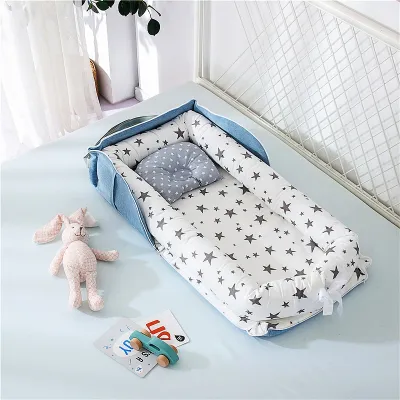
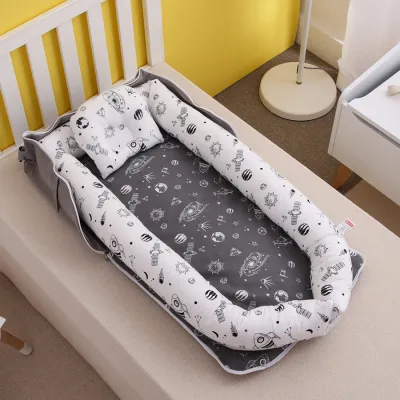
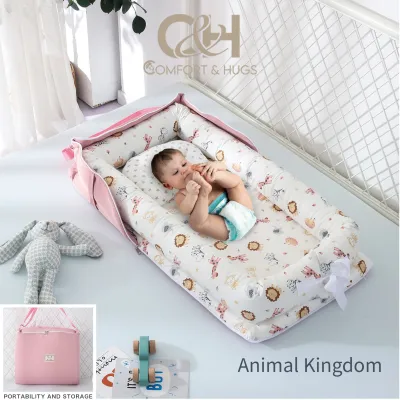

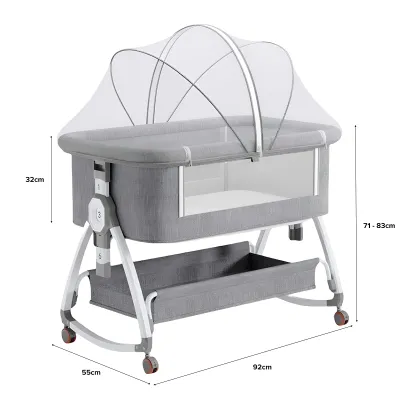
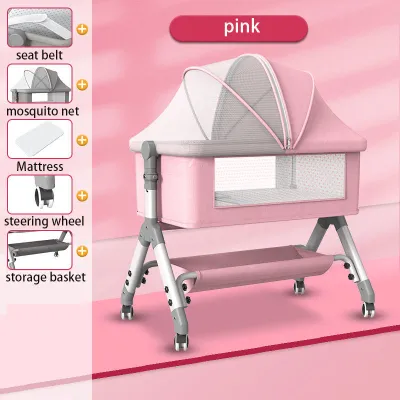
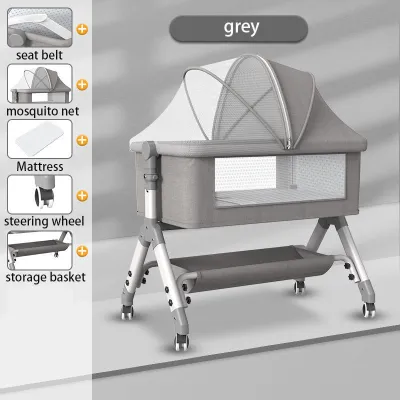
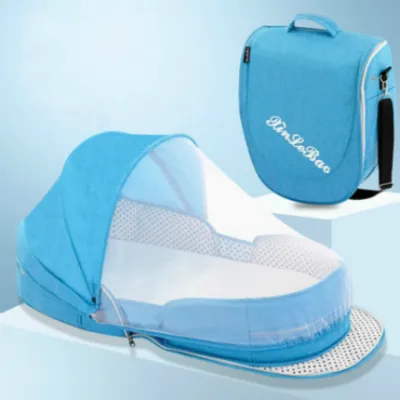
Prices are valid at publication and may change. Please refer to the product page for the latest price.
If you are considering American brands, look for compliance with ASTM F1169 (for full-size baby cribs) or ASTM F1917 (for infant bedding and related products). These standards, developed by the American Society for Testing and Materials, focus on preventing structural failures, slat breakage, and latch malfunctions. Another highly respected standard is AS/NZS 2172, which is the joint Australian and New Zealand standard for household cots, known for its exceptionally strict guidelines regarding mattress firmness and overall structural integrity.
To verify these claims, do not rely solely on the product descriptions on online marketplaces or retail displays. Always check the physical product packaging, the user manual, or the manufacturer’s official website for a registered certification mark. Reputable manufacturers will clearly state which standards their products meet and will often provide compliance certificates upon request.
It is also important to understand the difference between mandatory legal requirements and voluntary manufacturer testing. While some countries have strict mandatory laws banning certain designs, other regions rely on voluntary compliance. In Singapore, consumer goods must meet general safety requirements, but verifying specific international standards gives you the highest level of assurance.
Key Physical Safety Features to Inspect
Beyond looking at certification labels, performing a physical inspection of the newborn bed is a crucial step in preventing physical hazards. The design of the bed must eliminate any potential for entrapment, suffocation, or falls. Taking the time to measure and inspect these features yourself provides an extra layer of security.

First, inspect the spacing of the side slats. If the slats are too far apart, a baby’s head, limbs, or body could slip through and become trapped. According to international safety guidelines, the distance between slats should be no more than 60 millimetres. You can easily check this by ensuring that a standard soft drink can cannot pass through the gaps.
Next, evaluate the fit of the mattress within the bed frame. There should be no significant gaps between the mattress and the sides of the bed. A mattress that is too small creates a dangerous space where a newborn’s head can become wedged, leading to suffocation. When you place the mattress inside, verify that you cannot fit more than two fingers between the mattress edge and the crib frame.
The hardware and structural components of the bed must also be exceptionally secure. Check that all bolts, screws, and brackets are tightly fitted and do not protrude. Loose hardware can cause the bed to wobble or collapse, while protruding parts can snag a baby’s clothing or sleep sack. Avoid beds with drop-side mechanisms, as these have been associated with severe safety failures when the moving parts wear down or break.
Finally, examine the corner posts of the bed frame. The corner posts should be virtually flush with the end panels, protruding no more than 1.5 millimetres. If the corner posts are taller, they can catch on a baby’s clothing, presenting a serious strangulation hazard. The only exception is if the posts are exceptionally tall (such as those designed for a canopy), but even then, they must meet specific safety height requirements to prevent accidental snagging.
Verifying Compliance and Recalls in Singapore
In Singapore, consumer product safety is overseen by the Consumer Product Safety Office (CPSO), which operates under Enterprise Singapore. While the CPSO monitors the market, parents should take proactive steps to verify compliance before making a purchase.
Before buying any newborn bed, search local and international safety databases for active product recalls. The CPSO regularly publishes safety alerts and recall notices for products sold in Singapore that fail to meet safety requirements. Additionally, checking international databases like the US Consumer Product Safety Commission (CPSC) or the European Union’s Safety Gate can alert you to issues with imported brands.
When purchasing from a local retailer or an official brand store, do not hesitate to ask for proof of testing. Authorized distributors should be able to provide documentation or test reports from independent testing laboratories confirming that the specific model complies with EN, ASTM, or AS/NZS standards. If a retailer cannot or will not provide this verification, it is best to look for another product.
The risks multiply significantly when considering second-hand newborn beds. While buying pre-owned furniture is environmentally friendly and cost-effective, second-hand beds often lack original safety labels, user manuals, and assembly hardware. Over time, wood can warp, plastic brackets can degrade, and metal screws can strip, compromising the structural integrity of the bed. Furthermore, older models may not comply with modern safety standards or may have been subject to a recall that the previous owner was unaware of.
If you do purchase a product in Singapore that you discover is unsafe or non-compliant, you have recourse under the Consumer Protection (Fair Trading) Act. You can report unsafe consumer goods to the CPSO, which has the authority to investigate and require suppliers to recall unsafe products from the market.
Safe Setup and Usage Boundaries
Bringing a certified, physically sound newborn bed into your home is only the first step; maintaining its safety profile requires proper setup and strict adherence to usage boundaries. The environment surrounding the bed is just as important as the bed itself.
When positioning the bed in the nursery or your bedroom, keep it well away from windows. In Singapore’s high-rise apartments, window safety is a critical concern. Ensure the bed is placed far from window blind cords, curtain strings, and electrical cords, as these present severe strangulation hazards. Additionally, keep the bed away from heavy furniture, shelves, or wall hangings that could tip over or fall into the sleeping area.
The sleep surface itself must remain completely clear. To reduce the risk of suffocation and SIDS, the newborn bed should contain only a firm mattress and a tight-fitting sheet. Do not place pillows, quilts, heavy blankets, sheepskins, bumper pads, or soft toys inside the bed. While these items are often marketed as decorative or comforting, they pose significant suffocation and entrapment risks for a newborn who cannot yet move their head away from soft surfaces.
Parents must also monitor their baby’s developmental milestones to know when to transition them out of the newborn bed. Bassinets, cradles, and bedside co-sleepers are designed specifically for the early months of life. Once your baby begins to roll over, push up on their hands and knees, or reaches the manufacturer’s specified weight limit, you must transition them to a full-size cot with deeper sides to prevent falls.
Finally, always follow the manufacturer’s exact assembly instructions. Never attempt to assemble a newborn bed without the manual, and do not substitute missing parts with generic hardware from a local store. If you are missing a screw or bracket, contact the manufacturer or authorized distributor directly to obtain the correct, brand-approved replacement parts.
Frequently Asked Questions (FAQ)
Are drop-side newborn beds safe to use?
Drop-side beds, which feature a side panel that slides down to make accessing the baby easier, carry significant safety risks. Over time, the plastic or metal tracking hardware can warp, break, or become loose, creating a gap between the drop-side panel and the mattress. A baby can slip into this gap and become trapped, leading to suffocation. Because of these mechanical risks, drop-side cribs have been banned in countries like the United States and are subject to strict warnings globally. It is highly recommended to choose a fixed-side bed instead.
How do I know if a second-hand newborn bed is safe?
To evaluate a second-hand newborn bed, first check for the original manufacturer’s label, which should display the model number, manufacture date, and safety certifications. Ensure that the bed was manufactured recently and has not been recalled. Inspect the frame thoroughly for any cracks, splinters, or loose joints, and verify that all original hardware is present and intact. If the bed has been modified, painted with unknown finishes, or is missing its instruction manual, it should not be used.
What is the safest mattress type for a newborn bed?
The safest mattress for a newborn is one that is exceptionally firm and flat. When you press your hand down on the mattress and lift it, the surface should spring back immediately without leaving an indentation. Avoid soft mattresses, memory foam, or mattress toppers, as these conform to a baby’s face and increase the risk of suffocation. Additionally, the mattress must fit the bed frame perfectly, leaving no gaps wider than two fingers along the edges to prevent entrapment.
Community discussion
Share your experience or ask a question. Comments are reviewed before publication.