
A foldable baby cot used in Singapore must meet rigorous safety standards to protect infants from physical hazards such as entrapment, falls, and accidental structural collapse. Because portable and folding cots feature moving joints, hinges, and collapsible frames, their structural integrity is inherently more complex than that of traditional fixed cribs. Parents and caregivers must prioritize verifying recognized international safety certifications on product labels before making a purchase. By understanding what these standards require and how to perform physical safety checks, you can take active steps to establish a safer sleeping environment for your child, whether at home or traveling.
Navigating Baby Cot Safety Regulations in Singapore
In Singapore, consumer goods, including children’s nursery furniture, are overseen by Enterprise Singapore under the Consumer Protection (Consumer Goods Safety Requirements) Regulations (CGSR). This regulatory framework stipulates that general consumer products sold in the local market must conform to safety standards set by key international standardization bodies. While some household appliances carry a specific local safety mark, nursery furniture like foldable baby cots typically relies on compliance with established European, American, or international standards to demonstrate safety.
When shopping for a foldable baby cot, look closely at the product packaging, the instruction manual, and the cot frame itself for importer safety declarations or compliance labels. Reputable distributors in Singapore will clearly state the specific safety standards the product has been tested against. If a product lacks clear importer details or fails to reference any recognized safety guidelines, it may not have undergone the necessary quality control checks required for safe distribution.
Products mentioned in this guide
![[Ready Stock] Mamakids Baby Playpen H31 Baby Cot Foldable Portable Baby Bed](https://img.lazcdn.com/g/ff/kf/S19edd75ba48344d4bfe7121cda8f1f5dW.jpg_400x400q80.jpg_.webp)
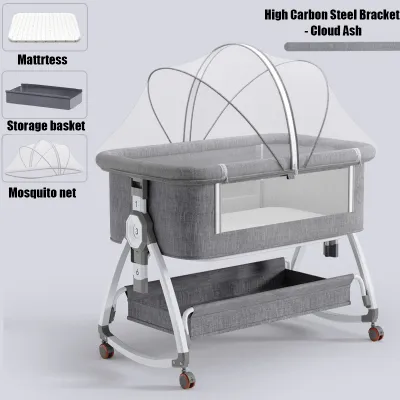
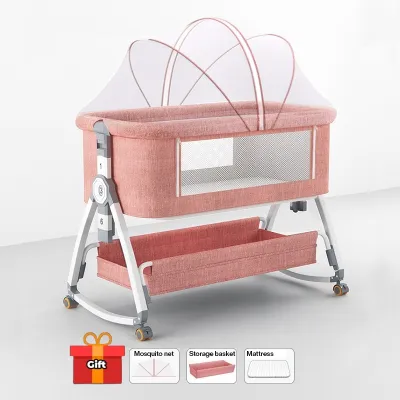
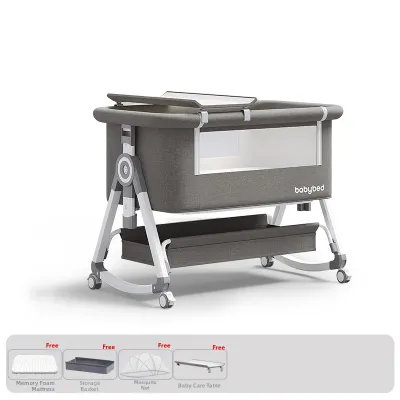
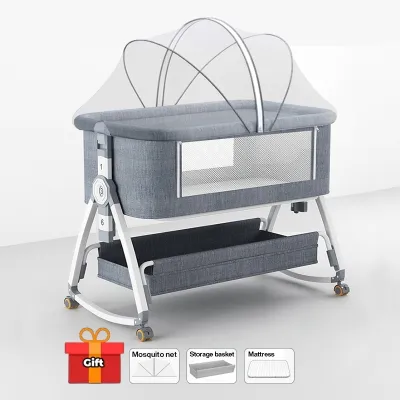
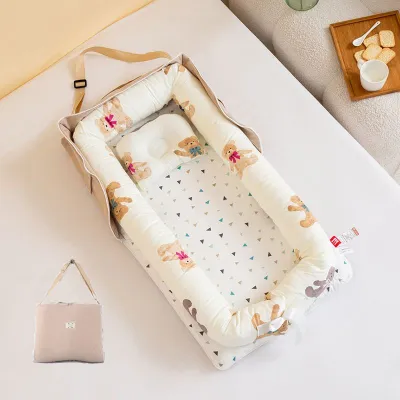
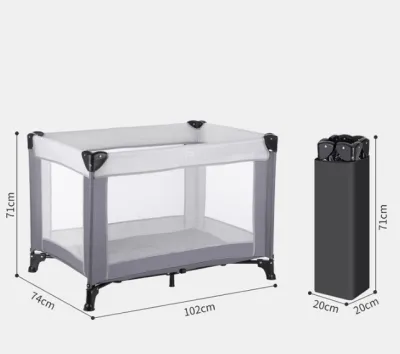

Prices are valid at publication and may change. Please refer to the product page for the latest price.
Relying on recognized international standards is the most reliable way to assess a cot’s safety when a single, exclusive local mandate is not printed on the product. Because the CGSR recognizes standards from organizations such as the European Committee for Standardization (CEN) and ASTM International, a cot certified under these bodies is deemed to meet the safety expectations of local consumer protection authorities. Always treat the presence of these standard numbers as a baseline requirement rather than an optional feature.
Recognized International Safety Standards to Look For
The most common and highly regarded safety standard for foldable cots sold in Singapore is the European standard EN 716 (specifically EN 716-1 and EN 716-2). This standard governs children’s cots and folding cots for domestic use, specifying stringent requirements for dimensions, structural strength, and testing methods. It ensures that the distance between slats or frame components prevents a baby’s head or limbs from becoming trapped, and that the internal height of the cot is sufficient to prevent falls as the child grows.

Another widely recognized benchmark is the North American standard ASTM F406, which covers non-full-size baby cribs and play yards, including foldable and portable designs. ASTM F406 focuses heavily on the stability of the cot, the strength of the mesh side panels, and the integrity of the folding mechanisms. It also includes rigorous testing for latching and locking devices to ensure they cannot be accidentally disengaged by a child or through normal daily use.
When evaluating a foldable baby cot, look for the exact standard numbers, such as “EN 716-1” or “ASTM F406,” explicitly printed on the product’s permanent label or within the user manual. Vague marketing phrases like “tested to safety standards” or “approved for infant use” without a specific standard code are red flags. Genuine compliance means the manufacturer has submitted the product to an accredited third-party laboratory for physical testing, and you should always verify these specific codes before purchasing.
Physical Safety Checks for Foldable Mechanisms
Before placing your baby in a foldable cot, or while inspecting a display model in a retail store, you should perform a series of physical safety checks on the folding mechanisms. First, inspect the folding lock devices to ensure they feature a dual-locking or child-resistant system. A compliant foldable cot must require at least two separate, consecutive manual actions to fold, or require a specific tool to disengage the locks. This design minimizes the risk of the cot collapsing unexpectedly if a sibling bumps into it or if the baby moves vigorously inside.
Next, assess the overall structural stability of the cot. Gently push and shake the frame from different angles to check for excessive wobbling or loose joints. Examine all hinges, brackets, and folding joints to ensure there are no shear points or gaps where small fingers could be pinched or trapped. The fabric or mesh side panels must be tightly tensioned and securely attached to the frame, with no loose seams or fraying threads that could present a choking or entanglement hazard.
Finally, verify the mattress fit within the cot frame. The folding design of portable cots often requires a specific, folding mattress supplied by the manufacturer. Ensure there are no dangerous gaps between the edge of the mattress and the cot sides; a gap wider than 30mm can pose a severe suffocation risk if a baby’s head becomes wedged. Never add a second mattress, thick mattress toppers, or soft bedding to a foldable cot, as these reduce the effective depth of the cot and can allow an active baby to climb or fall out.
Verifying Safety Claims Before Purchasing
When shopping for a foldable baby cot, whether in a physical boutique in Singapore or via an online marketplace, it is essential to validate the merchant’s safety claims. Do not rely solely on promotional images or bulleted product descriptions. Request to see the original instruction manual and, if possible, the manufacturer’s compliance certificates or test reports. Reputable brands and authorized retailers should be able to provide documentation showing that the specific model has passed EN 716 or ASTM F406 testing.
You can cross-reference these safety claims by visiting the manufacturer’s official website or searching third-party product safety databases. Many international safety authorities maintain public registries of certified products and manufacturers. If you are purchasing from an online marketplace, verify that the seller is an authorized distributor and that the product is packaged with clear English instructions, safety warnings, and manufacturer contact details.
Once you complete your purchase, keep the receipt, user manual, and original product labels intact. These documents are vital for traceability, allowing you to quickly check the model and batch numbers if a safety recall is issued. Registering your product on the manufacturer’s website, if the option is available, is also highly recommended so that you can receive direct notifications regarding safety updates or product recalls.
Red Flags and When to Stop Using the Cot
Over time, regular folding, unfolding, and transport can cause wear and tear on a foldable baby cot. Regularly inspect the cot for hardware wear signals, such as loose locking buttons, stiff or rusted hinges, or worn-out plastic joints. Fabric and mesh panels should be checked for tears, especially near stress points where the material connects to the metal frame. Any compromise in these materials can weaken the structure or create entrapment hazards.
Using second-hand foldable cots carries inherent risks and requires extra caution. Second-hand cots often lack the original instruction manual, may have missing parts like mattress support clips, or may only comply with outdated safety standards. Furthermore, you cannot easily verify if a pre-owned cot has been subjected to structural stress, improper storage, or a previous product recall. If you choose to use a second-hand cot, ensure you can source the original manual and verify that all safety mechanisms function perfectly.
You must stop using the foldable cot immediately if you observe any strict stop-use conditions. These include any tendency for the locking mechanisms to slip or disengage, visible deformation of the metal frame, or if you receive a manufacturer recall notice. Additionally, always monitor your child’s growth and development; stop using the cot when the child reaches the manufacturer’s specified weight or height limit, or when they show signs of being able to climb out of the cot, to prevent fall injuries. If you have any concerns about your baby’s sleep safety or development, consult a qualified pediatrician or child safety professional.
Frequently Asked Questions (FAQ)
Do Travel Cots Follow the Same Standards as Foldable Cots?
Yes, travel cots and foldable cots generally follow the same international safety standards, such as EN 716 or ASTM F406, because they share similar folding mechanisms and portable designs. However, travel cots are often optimized for lightweight transport and temporary use, meaning they may have different weight limits, thinner mattress pads, or specific setup instructions compared to heavier, semi-permanent foldable wooden cots. Always consult the product documentation to verify the specific weight and age limits, and ensure the cot is suitable for your child’s developmental stage.
What to Do If the Certification Label Is Missing
If you purchase a foldable baby cot and find that the safety certification label or standard number is missing from both the frame and the packaging, contact the retailer or manufacturer immediately to request proof of compliance. Do not use the cot until you have verified its safety credentials. If the seller cannot provide a valid test report or certificate of conformity to EN 716 or ASTM F406, it is safest to return the product and choose a model with clear, verifiable safety markings to ensure your baby’s sleeping environment is secure.
Community discussion
Share your experience or ask a question. Comments are reviewed before publication.