
When preparing a nursery in Singapore, selecting a safe sleeping environment is the most critical decision a parent can make. A palette box baby cot—typically featuring integrated storage drawers, a solid box-like base, or a design inspired by rustic wooden pallets—offers an appealing blend of space-saving functionality and modern aesthetics. However, because infants spend unsupervised hours sleeping, these specialized designs must be scrutinized against rigorous safety benchmarks before they enter your home.
In Singapore, baby cots are subject to general consumer safety regulations rather than a single, mandatory local certification mark. This means the responsibility often falls on parents to verify that a specific palette box cot complies with recognized international safety standards. Understanding how to navigate these regulations, evaluate structural designs, and identify potential hazards is essential to ensuring your child’s safety.
Navigating Baby Cot Safety Regulations in Singapore
The regulatory landscape for children’s furniture in Singapore is designed to protect consumers from hazardous products, though it operates differently than it does for electrical appliances. The Consumer Product Safety Office (CPSO), which acts as the safety authority under Enterprise Singapore, oversees the safety of general consumer goods. While household electrical appliances require a mandatory safety mark before they can be sold locally, nursery furniture like baby cots falls under the Consumer Protection (Consumer Goods Safety Requirements) Regulations (CGSR).
Products mentioned in this guide

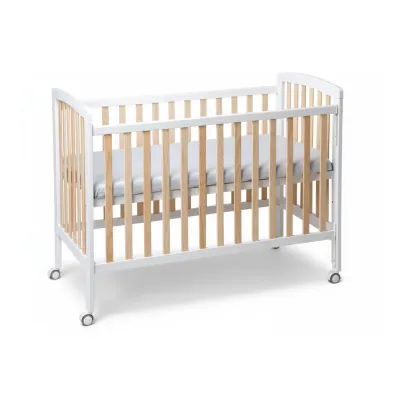
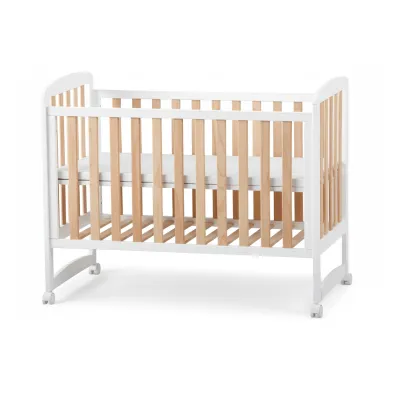

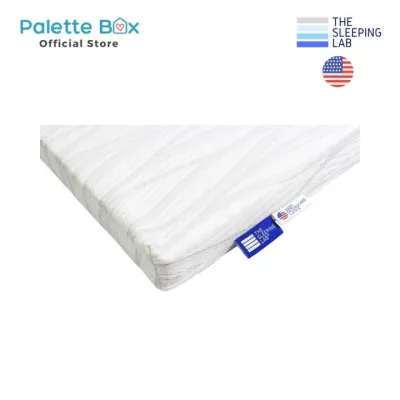
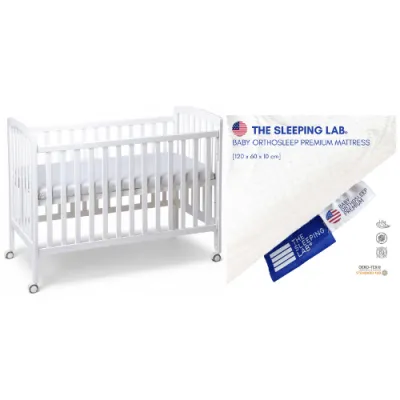
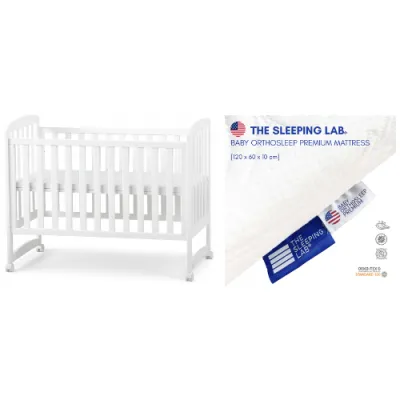
Prices are valid at publication and may change. Please refer to the product page for the latest price.
Under the CGSR, any general consumer product sold in Singapore must not pose a safety hazard to users. The CPSO monitors the market and investigates safety issues, but it does not pre-approve or issue a local safety stamp for every baby cot model. Instead, the law requires that these products comply with established international safety standards. Retailers and manufacturers must be able to produce documentation proving their products have passed testing by accredited laboratories if requested by authorities.
For parents, this regulatory framework means you cannot simply look for a local Singapore safety sticker on a palette box baby cot. Instead, you must actively verify that the manufacturer has aligned their design with recognized global frameworks. Reputable distributors in Singapore will readily provide test reports or certification certificates from international testing bodies. If a retailer cannot provide proof of compliance with recognized international standards, it is best to look for alternative options that prioritize transparent safety testing.
Recognized International Safety Standards for Baby Cots
To ensure a palette box baby cot is structurally sound and chemically safe, parents should look for compliance with one or more major international safety standards. These standards are developed by global expert panels and involve rigorous mechanical, physical, and chemical testing.

The European standard, designated as EN 716 (specifically EN 716-1 and EN 716-2), is widely respected and commonly referenced by retailers in Singapore. This standard focuses heavily on preventing entrapment and fall hazards. It specifies precise limits for the spacing between cot slats to ensure a baby’s head, limbs, or torso cannot become trapped. It also dictates the minimum height of the cot sides from the mattress base to prevent an active infant from climbing or falling out as they grow.
In the United States, the ASTM International standard ASTM F1169 sets the benchmark for full-size baby cribs. This standard is known for its exceptionally strict rules regarding structural integrity and hardware durability. Notably, US standards completely prohibit traditional drop-side mechanisms due to historical safety risks associated with hardware failure. If you are considering a palette box cot that features a drop-side mechanism, you must verify that the hardware meets modern, stringent safety requirements and has not been subject to international recalls.
Australia and New Zealand enforce the AS/NZS 2172 standard, which is highly regarded for its comprehensive testing of moving parts, structural stability, and impact resistance. This standard simulates years of wear and tear to ensure the cot will not collapse or degrade under typical household use. When shopping in Singapore, look for these standard codes printed on the product packaging, the user manual, or the manufacturer’s official specifications. Verifying these certifications directly with the manufacturer is the most reliable way to confirm a cot’s safety credentials.
Specific Safety Checks for Palette Box Cot Designs
Palette box baby cots, particularly those with integrated storage compartments or those designed with a rustic, pallet-like aesthetic, present unique structural and material considerations that differ from traditional open-slat cots. Parents must evaluate these specific design elements carefully to ensure they do not introduce hidden hazards into the nursery.
First, assess the structural stability and weight distribution of the cot. Designs that incorporate heavy storage drawers or a solid box base can have a different center of gravity compared to standard cots. While a heavy base can sometimes add stability, it can also create tipping hazards if the upper frame is not properly balanced or if a toddler attempts to climb the outer structure. Ensure the cot remains perfectly stable when lateral force is applied, and verify the manufacturer’s maximum weight limits for both the sleeping platform and the storage compartments.
Second, ventilation is a critical factor, especially in Singapore’s warm and humid climate. Traditional cots allow air to circulate freely through slats on all four sides and beneath the mattress. An enclosed palette box design, however, can restrict airflow if the base is completely solid or if the storage compartment blocks ventilation from below. Poor airflow can lead to heat retention, increasing the risk of overheating for your baby. Furthermore, trapped moisture in a humid environment can promote the growth of mold and mildew within the mattress and the storage area. Look for designs that feature a perforated or slatted mattress base to ensure continuous air circulation.
Third, material safety is paramount. If the cot features a rustic wooden pallet design, you must verify that the timber is completely splinter-free, smooth to the touch, and finished with non-toxic, lead-free paints or varnishes. Babies frequently chew on cot rails when teething, making chemical safety a non-negotiable priority. Ensure the manufacturer provides documentation certifying that all finishes are food-safe and free from harmful volatile organic compounds (VOCs) or heavy metals.
Finally, inspect the cot for potential entrapment and pinch-point risks. Integrated drawers, sliding panels, and hinged storage lids must be designed so that a child’s fingers cannot be pinched. Drawers should be equipped with safety stops to prevent them from being pulled out completely, and any moving parts must be completely inaccessible to the baby from inside the sleeping area.
Red Flags, Maintenance, and When to Retire the Cot
Even the highest-quality palette box baby cot requires regular maintenance and vigilance to remain safe over time. Establishing a routine inspection schedule is essential for identifying wear and tear before it poses a danger to your child.
Perform a physical check of the cot at least once a month. Tighten any loose screws, bolts, or brackets, as the natural movement of the cot can cause hardware to loosen over time. Inspect the wooden frame for any signs of cracking, splitting, or peeling paint. If you notice any structural damage, discontinue use immediately and contact the manufacturer for authorized replacement parts. Never attempt to repair structural components with makeshift hardware or adhesives, as this can compromise the cot’s integrity.
Another critical check is the mattress fit. A mattress that is too small for the cot frame creates dangerous gaps where an infant’s head or limbs can become trapped. To verify a safe fit, ensure there are no gaps wider than the manufacturer’s specified limits—typically, you should not be able to insert more than two fingers between the edge of the mattress and the inner sides of the cot. Always use a firm mattress that matches the exact dimensions specified in the cot’s user manual.
Knowing when to transition your child out of the cot is just as important as maintaining the structure itself. Monitor your baby’s physical development closely. Once your child reaches the manufacturer’s specified height or weight limit, or when they show signs of being able to climb out of the cot independently, it is time to transition them to a toddler bed or a floor mattress. Continuing to use the cot beyond this developmental stage significantly increases the risk of falls and serious injury.
Additionally, stay informed about product safety by regularly checking for recalls. You can monitor safety alerts and product recalls issued by Enterprise Singapore or international consumer protection agencies. If your specific cot model is recalled, follow the manufacturer’s instructions immediately, which may involve receiving a repair kit, returning the product, or destroying it to prevent further use.
Frequently Asked Questions (FAQ)
Do second-hand palette box baby cots meet current safety standards?
Using a second-hand palette box baby cot carries inherent risks, and parents must exercise extreme caution. Older models may not comply with current safety standards, or they may have suffered invisible structural wear over years of use. Before accepting or purchasing a pre-owned cot, verify its original manufacturing date and ensure the original user manual and assembly hardware are fully intact. Check for missing screws, modified parts, or signs of DIY repairs, which can severely compromise stability. If the cot features an outdated drop-side design or shows signs of wood rot, splintering, or weakened joints, it should not be used. Always cross-reference the model name and production batch with international recall databases before assembling it for your baby.
Is it safe to use a DIY wooden pallet cot for a baby?
It is highly unsafe to use a DIY wooden pallet cot for an infant. Industrial wooden pallets are frequently treated with toxic chemical preservatives, such as methyl bromide, or exposed to harmful bacteria, mold, and chemical spills during transport. These toxins cannot be easily cleaned or sanded away, posing severe health risks to a developing baby. Furthermore, DIY designs lack the professional engineering and rigorous testing required to guarantee structural stability, precise slat spacing, and the elimination of pinch points. The risk of wood splintering, structural collapse, or infant entrapment is exceptionally high. To ensure your baby’s safety, always choose a commercially manufactured cot that has been certified to meet recognized international safety standards.
Community discussion
Share your experience or ask a question. Comments are reviewed before publication.