
When preparing for a trip with an infant, securing a safe sleep environment is one of the most critical decisions a parent faces. A travel baby cot provides a portable, lightweight solution for families on the move, but its folding design and flexible materials require careful safety evaluation. Unlike permanent wooden cribs, portable cots rely on joints, hinges, and fabric walls that must withstand repeated assembly and the movements of an active baby. To ensure these products do not pose structural or suffocation hazards, they must meet rigorous, recognized safety standards and certifications.
Why Safety Certifications Matter for Portable Sleep Spaces
Standard nursery cribs are built with rigid wooden or metal slats and solid frames that remain stationary. In contrast, travel cots are engineered for portability, utilizing lightweight metal or plastic frames, folding joints, and flexible fabric or mesh sides. While this design makes travel convenient, it introduces unique mechanical risks that are not present in traditional nursery furniture. If a joint is poorly designed or a locking mechanism fails, the entire structure can collapse, potentially trapping or injuring a sleeping child.
The flexible nature of travel cot walls also introduces specific risks related to suffocation and entrapment. If the fabric or mesh sides are too loose, a baby can roll into the side and become wedged between the mattress and the wall. Furthermore, folding mechanisms that are easily accessible to a child or prone to wear can fail during use. Independent third-party testing is essential because it subjects these portable sleep spaces to rigorous mechanical stress tests, material toxicity evaluations, and stability checks that manufacturer self-declaration simply cannot replicate.
Products mentioned in this guide
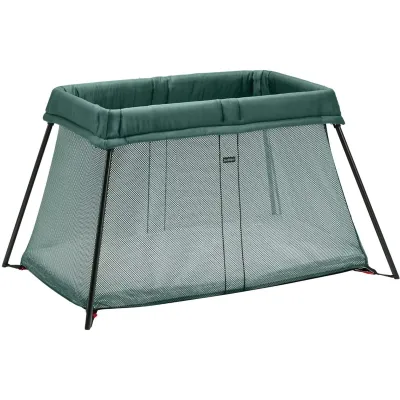
![[SG Stock]Brotish Multifunctional 2 Layer Portable Infant Baby Cot Playpen Travel Cot Bed Double-deck Playpen Sleep Bed](https://img.lazcdn.com/g/p/9306630fe674b3e82e74c940f19a16cd.jpg_400x400q80.jpg_.webp)
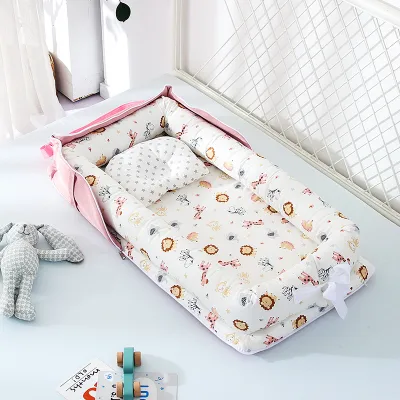
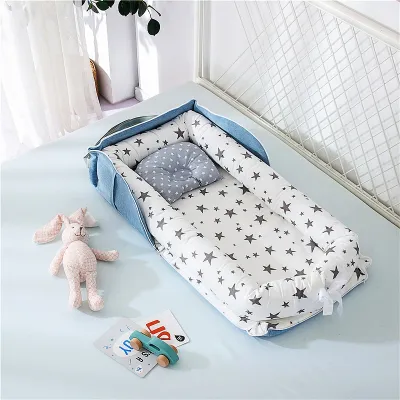
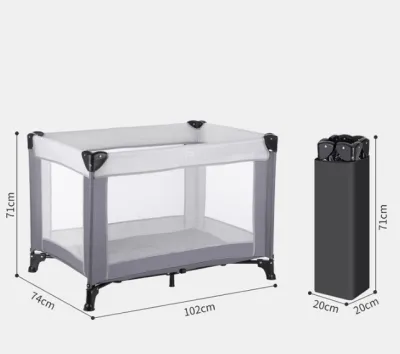
![[SG SELLER] BABY BED FOLDABLE PORTABLE LOUNGER NEST BED COT Baby Separated Bed Baby Cot Newborn Sleeper Sleep By Your Side](https://img.lazcdn.com/g/p/4d32399b5edb68bfe8b40f7e83d1fbb0.jpg_400x400q80.jpg_.webp)

Prices are valid at publication and may change. Please refer to the product page for the latest price.
Key Regional Safety Standards to Look For
Safety regulations for children’s products are established by regional governing bodies to address specific consumer safety concerns. Because travel cots are manufactured and distributed globally, parents must understand which regional standards apply to the products available in their market. Checking for these certifications on product labels or packaging is the first step in verifying that a travel cot has undergone standardized testing.

While different regions use distinct codes and testing protocols, they all share the common goal of minimizing structural failures and material hazards. When shopping for a travel baby cot, look for the specific certification marks relevant to the region where the product was manufactured or is being sold.
North American Standards (ASTM and CPSIA)
In the United States, portable cribs and play yards are heavily regulated to protect infants from structural and chemical hazards. The primary standard to look for is ASTM F406, established by the American Society for Testing and Materials. This standard outlines strict safety requirements for non-full-size baby cribs and play yards, focusing on structural stability, side-height requirements, latching mechanism security, and the strength of the mesh walls.
Additionally, compliance with the Consumer Product Safety Improvement Act (CPSIA) is mandatory. CPSIA regulations ensure that all materials used in the travel cot, including fabrics, plastics, and metal coatings, are free from harmful levels of lead, phthalates, and other toxic substances. When evaluating a North American product, look for the Juvenile Products Manufacturers Association (JPMA) certification seal, which indicates that the cot has been independently tested in an approved laboratory to meet these stringent standards.
European and UK Standards (EN and BS)
Products sold in the European Union and the United Kingdom must comply with rigorous safety directives designed to protect young children. The applicable European standard for folding cots is EN 716 (specifically EN 716-1 and EN 716-2). This standard governs children’s cots and folding cots for domestic use, specifying precise dimensions, construction requirements, and testing methods to prevent falls, entrapment, and structural collapse.
In the United Kingdom, these standards are designated as BS EN 716. When examining a travel cot designed for these markets, look for the CE (European Conformity) mark or the UKCA (UK Conformity Assessed) mark. These markings indicate that the manufacturer has assessed the product and confirmed it meets all relevant European or British safety, health, and environmental protection requirements.
Australian and New Zealand Standards
Australia and New Zealand enforce some of the strictest safety regulations in the world for portable sleep spaces. The mandatory standard for these markets is AS/NZS 2195, which specifically covers folding cots. This standard is highly detailed, focusing on preventing the most common causes of infant injury associated with portable cots.
AS/NZS 2195 requires rigorous testing for mattress firmness, the breathability of the mesh sides, and the strength of the locking devices. It also mandates clear, permanent warning labels on the product itself, advising caregivers on safe setup practices and the dangers of adding unauthorized mattresses. If you are purchasing a product in these regions, verifying the AS/NZS 2195 mark is essential for ensuring compliance with local consumer protection laws.
Physical Safety Features to Inspect Beyond the Label
While certification labels provide a baseline of safety, parents should always perform a physical inspection of the travel cot before purchase or use. Manufacturing defects or wear and tear can compromise even a certified product, making hands-on verification a crucial step in protecting your child.
Begin by inspecting the mesh weave on the sides of the cot. The mesh should be fine and tightly woven to prevent small fingers, toes, or clothing buttons from getting caught. Additionally, the top rails of the frame must be fully padded with dense foam or fabric to protect your baby from impact injuries if they bump against the frame while standing or rolling.
Next, evaluate the mattress fit and firmness. The mattress supplied with the travel cot must be firm; it should not conform to the shape of your baby’s head or face. When placed inside the cot, there should be no gaps wider than two fingers between the edge of the mattress and the fabric walls. Gaps wider than this pose a severe entrapment hazard, where a rolling baby could become stuck and suffocate.
Finally, test the locking mechanisms on the hinges and legs. A secure travel cot design should feature a dual-action locking system, meaning it requires two separate, deliberate actions to unlock and fold the frame. This design prevents the cot from accidentally collapsing if a child bumps into the frame or if a caregiver accidentally presses a release button. Ensure that all locks engage with a clear, audible click and remain rigid under pressure.
How to Verify Certifications When Shopping
With the rise of online marketplaces and global shipping, it is easier than ever to purchase baby products from various sources. However, this convenience also increases the risk of encountering counterfeit or uncertified products. Verifying safety claims requires a proactive approach, whether you are shopping in a physical retail store or browsing an ecommerce platform.
When shopping in person, locate the physical compliance label permanently attached to the travel cot. This label is typically stitched into the fabric on the underside of the cot or printed clearly on the frame. It should explicitly state the specific safety standards the product meets, such as ASTM F406 or EN 716. Avoid products that only feature temporary paper tags or stickers, as these can easily be fabricated.
If you are shopping online, look for detailed product descriptions that name specific safety standards rather than using vague marketing terms like “safety certified” or “expert approved.” Legitimate manufacturers will often display images of their certification seals or provide downloadable compliance certificates, such as a Children’s Product Certificate (CPC). If this information is missing, contact the seller or manufacturer directly to request proof of compliance.
Be highly cautious of red flags in online listings. These include extremely low prices, absent manufacturer brand names, missing contact information, or a complete lack of safety details in the product description. If a seller cannot or will not provide the specific standard to which the cot was tested, it is safest to choose a different product.
Safe Setup and Usage Boundaries
Even the most highly certified travel cot can become unsafe if it is set up incorrectly or used outside its design limits. Caregivers must adhere strictly to the manufacturer’s operational guidelines to maintain a secure sleep environment throughout the product’s lifecycle.
Always check the manufacturer’s specified weight, height, and developmental milestone limits. Most travel cots are designed for children under a certain weight (often around 14kg to 15kg) or until the child reaches a height where they can climb out of the cot. Once your child reaches any of these limits, stop using the travel cot immediately to prevent falls or structural strain.
One of the most critical safety rules for travel cots is to never add an aftermarket mattress, mattress topper, pillow, or soft bedding. Travel cots are engineered to be used only with the thin, firm mattress pad supplied by the manufacturer. Adding a thicker or softer mattress can create dangerous gaps along the sides where a baby can become trapped, or it can raise the child high enough to fall out of the cot.
In warm and humid climates, such as Singapore, ensuring adequate airflow is vital to prevent overheating. Keep the travel cot away from direct sunlight, air conditioning drafts, and loose window cords. Regularly inspect the cot for signs of wear, such as torn mesh, loose stitching, or stiff hinges. If you observe any structural damage, stop using the cot immediately and contact the manufacturer for guidance or official replacement parts.
Frequently Asked Questions (FAQ)
Can I use a travel baby cot as a primary nursery crib?
Travel cots are designed and tested for temporary, short-term use, such as during family vacations or weekend visits. They generally lack the heavy-duty structural support, solid wood framing, and thick, supportive mattresses found in standard nursery cribs. Continuous, daily use can accelerate wear on the folding joints, fabric seams, and locking mechanisms, potentially compromising the cot’s safety over time. For daily sleep, a standard wooden or metal nursery crib that meets permanent safety standards is recommended. Always consult the manufacturer’s instructions to see if they specify limits on continuous use.
What should I do if the travel cot's mesh gets torn?
If you notice any tears, holes, or fraying in the mesh walls of your travel cot, you must stop using it immediately. Damaged mesh poses a severe safety risk, as a baby’s fingers, toes, or head can become caught in the tear, leading to injury or strangulation. Do not attempt to repair the mesh yourself using tape, sewing, or patches, as DIY fixes cannot guarantee the structural strength required to withstand a child’s weight or movement. Contact the manufacturer directly to inquire about official repair services or to purchase a replacement fabric body if available.

Community discussion
Share your experience or ask a question. Comments are reviewed before publication.