
Bath time is a cherished daily ritual for many families in Singapore, offering a wonderful opportunity for sensory play and bonding. However, when soapy water splashes into an infant’s sensitive eyes or ears, a peaceful routine can quickly turn into a stressful experience filled with tears. To prevent this, many parents turn to a baby bath hat—also known as a bath visor or shower shield—to channel water away from the face. While these accessories are highly practical, they are not completely risk-free, and parents must evaluate several critical design features before introducing one to their infant’s bath.
To ensure a baby bath hat is safe for your infant, you must verify its material safety by checking for non-toxic, skin-friendly certifications, ensure a secure and adjustable fit that prevents slipping or airway obstruction, and confirm your baby’s physical readiness, particularly steady neck control. Because these items are used in warm, wet environments, choosing the wrong product or using it incorrectly can lead to skin irritation, mold exposure, choking hazards, or physical distress. Understanding how to evaluate these factors allows you to select a reliable product that keeps your baby comfortable and safe during bath time.
Material Safety: Verifying Non-Toxic and Skin-Friendly Labels
The skin of an infant is significantly thinner and more sensitive than adult skin, making it highly susceptible to chemical irritation and absorption. When shopping for a baby bath hat, your first priority must be verifying the chemical safety of the materials used in its construction. Because the hat will come into direct contact with your baby’s forehead and scalp in a warm, humid environment, any harmful chemicals in the plastic or foam can easily transfer to their skin.
Products mentioned in this guide
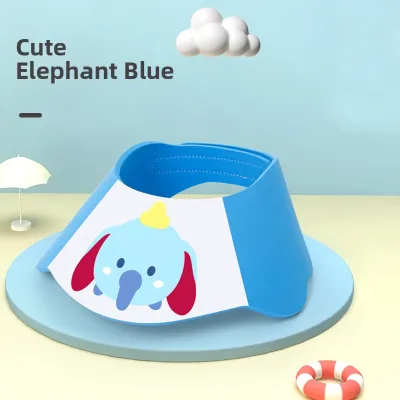
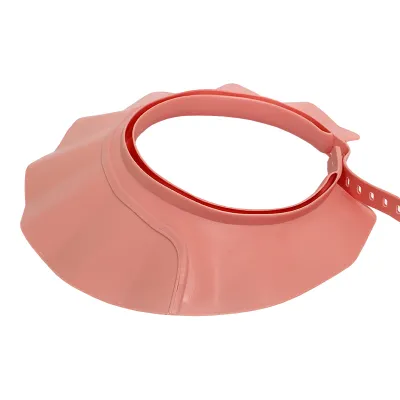
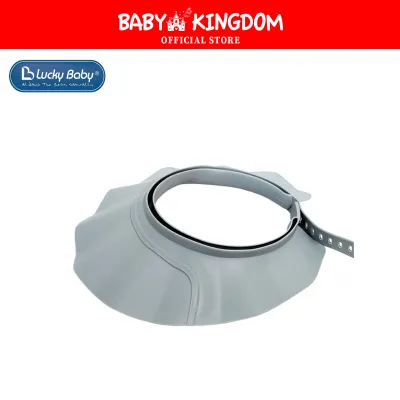
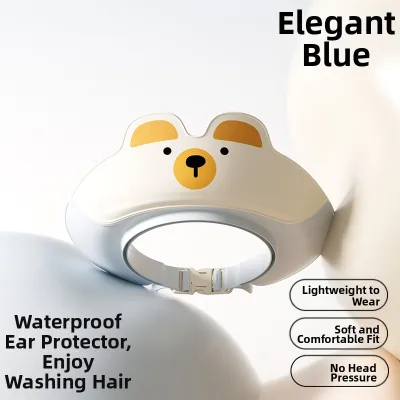
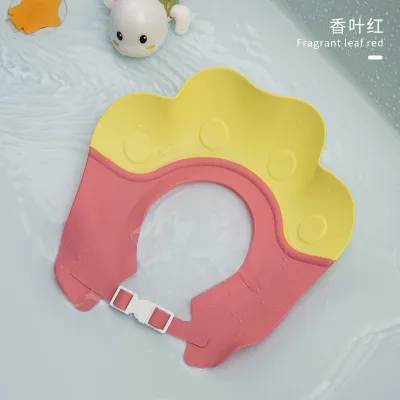
![[𝐒𝐆 𝐒𝐞𝐥𝐥𝐞𝐫] BabySPA Adjustable Baby Shampoo Bath Shower Cap Hat for Babies Face Shield](https://img.lazcdn.com/g/p/464e846acec311424a2226806206f26d.jpg_400x400q80.jpg_.webp)
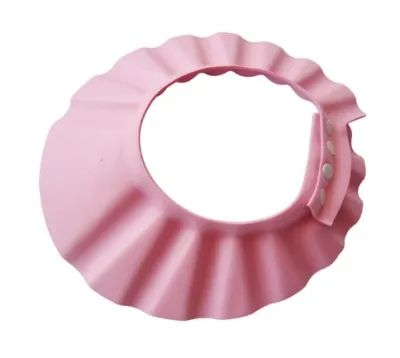
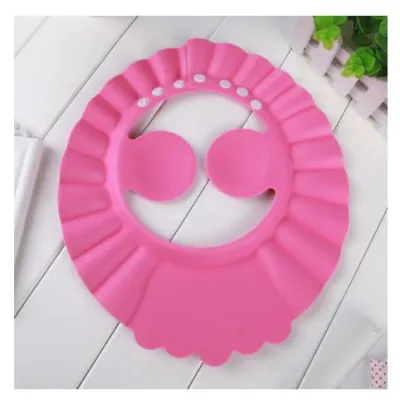
Prices are valid at publication and may change. Please refer to the product page for the latest price.
Parents should carefully inspect the product packaging and manufacturer specifications for clear, verified labels indicating the product is “BPA-free” and “phthalate-free.” Bisphenol A (BPA) and phthalates are chemical plasticizers commonly used to make plastics flexible, but they are known endocrine disruptors that pose potential health risks to developing infants. Additionally, look for hats made from “food-grade silicone” or high-quality, non-toxic EVA (ethylene-vinyl acetate) foam. These materials are widely recognized as safer alternatives for infant products because they do not leach harmful chemicals when exposed to warm bath water.
In Singapore’s tropical climate, high humidity levels in HDB and condo bathrooms create an ideal breeding ground for mold, mildew, and bacteria. Porous materials can trap moisture, soap residue, and dead skin cells, leading to rapid microbial growth that can trigger skin allergies, eczema flare-ups, or respiratory issues in sensitive infants. To minimize this risk, prefer non-porous materials like food-grade silicone, which are inherently resistant to moisture retention and much easier to sanitize.
Rather than relying on generic marketing buzzwords on online marketplaces—which often use phrases like “100% natural” or “completely safe” without backing them up—always look for verified manufacturer specifications or recognized safety standards. Before placing a new bath hat on your baby’s head for the first time, wash it thoroughly with mild baby soap and warm water. During this initial wash, perform a sensory check: if the product emits a strong, sweet, or pungent chemical odor, this is a clear warning sign of low-grade materials or chemical off-gassing, and the hat should be discarded immediately.
Fit and Adjustability: Preventing Slips and Strangulation Risks
A baby bath hat must fit your infant’s head perfectly to function effectively and safely. If the hat is too loose, water will leak through the seal, defeating its purpose, or worse, the hat could slip down over the baby’s face. If it is too tight, it can cause physical discomfort, restrict blood circulation, or leave painful marks. Because infant head shapes and sizes vary widely, relying on age recommendations on the packaging is rarely sufficient.

Before purchasing a bath hat, use a flexible measuring tape to measure your infant’s head circumference. Wrap the tape gently around the widest part of their head, just above the eyebrows and ears, and compare this measurement directly with the manufacturer’s size chart. To accommodate your baby’s rapid growth, look for hats with reliable adjustability features. The most common mechanisms include adjustable snap buttons, buckle straps, or highly elastic silicone bands. Snap buttons provide a secure, mechanical lock that is difficult for a baby to pull off, while adjustable straps allow for micro-adjustments to achieve a precise fit.
When testing the fit of the hat on your baby, look for a balance between security and comfort. The band should sit snugly against the forehead and temples to form a watertight seal, but it must not apply excessive pressure. A simple way to verify this is to slide two fingers flat under the band once it is secured; if you cannot do this easily, the hat is too tight. After removing the hat, inspect your baby’s skin. While a very faint, temporary pink line is normal, any deep red marks, indentations, or signs of localized skin irritation indicate that the band is too tight and must be adjusted or replaced.
Furthermore, parents must carefully inspect the bath hat for small, detachable parts that could pose a choking hazard. Cheaply manufactured hats may feature decorative plastic elements, loose snaps, or small adjustment toggles that can easily break off under tension or when chewed on by a teething baby. In a bath environment, where babies naturally explore objects with their mouths, a detached plastic piece can quickly lead to an emergency. Ensure all components are securely molded or stitched, and choose minimalist designs that eliminate unnecessary decorative pieces.
Age and Developmental Readiness for Bath Hats
Introducing a baby bath hat too early in your infant’s life can introduce unnecessary physical risks. Parents must evaluate their baby’s physical development and motor skills, rather than relying solely on the age ranges printed on product packaging. The foundational physical requirement for using a bath hat is steady, independent neck control.
Newborns and young infants who cannot yet hold their heads up steadily are not suitable candidates for a bath hat. During the first few months of life, babies require full physical support in a reclined or semi-reclined position during baths. Placing a bath visor on a reclining infant is highly impractical, as water will naturally pool around their face rather than draining off the brim. Furthermore, an infant’s skull is still soft and developing, and subjecting their delicate head to the constant pressure of an elastic band is highly discouraged.
The ideal developmental milestone for introducing a bath hat is when your baby can sit up steadily, either independently or with minimal support, which typically occurs between six and eight months of age. At this stage, the infant sits upright in the baby tub, making the downward-sloping brim of the hat highly effective at channeling water away from their face. This milestone also coincides with increased active play in the tub, where babies splash, reach for toys, and are more likely to get soapy water in their eyes.
Even if your baby is physically ready, you must also assess their behavioral readiness and sensory tolerance. Some infants are highly sensitive to tactile sensations on their heads and will strongly resist wearing anything on their scalp. If your baby displays signs of distress, cries, or repeatedly reaches up to pull the hat off in frustration, do not force them to wear it. Forcing a resistant baby to wear a bath hat can create negative associations with water, leading to long-term bath-time anxiety. If the hat consistently slips off due to changes in their head shape as they grow, or if the band begins leaving persistent marks, it is a clear sign that your child has outgrown the product and it is time to transition away from using it.
Active Supervision and When to Remove the Hat Immediately
It is vital for parents to understand that a baby bath hat is a convenience accessory designed to act as a splash guard—it is not, under any circumstances, a safety device. It does not prevent drowning, slipping, or other serious bath-time accidents. Therefore, the use of a bath hat must never replace constant, touch-distance adult supervision.
In Singapore, where bathrooms are often compact and tiled, slip hazards are highly common. When bathing your infant, you must maintain “touch supervision” at all times, meaning you are within arm’s reach and keeping your eyes on your baby without distraction. Never leave the bathroom to answer the door, retrieve a towel, or look at your mobile phone, even if your baby is wearing a bath hat and sitting in a bath seat.
During the bath, there are several critical scenarios that require you to remove the hat immediately:
- Slippage over the airways: If the hat slips downward and covers your baby's eyes, nose, or mouth, remove it instantly. Because infants have very small, delicate airways, even a brief obstruction by a wet silicone or foam band can lead to suffocation or panic.
- Water pooling on the brim: If the brim of the hat is too flimsy or poorly angled, water may pool on top of it instead of draining off. The weight of pooled water can cause the baby's head to tilt forward or backward unexpectedly, straining their neck muscles or causing them to lose their balance.
- Signs of physical distress: If your baby starts whimpering, scratching at their forehead, or showing signs of skin redness, remove the hat immediately and rinse their skin with clean, lukewarm water.
To ensure the ongoing safety of the accessory, establish a routine of inspecting the bath hat before every single use. Gently stretch the band to check for micro-tears, cracks, or degraded elasticity, which are common when silicone or foam is repeatedly exposed to warm water and baby bath oils. Check the seams where different materials connect to ensure they are not separating. After each bath, wash the hat with clean water to remove soap residue, wipe it down, and hang it to dry in a well-ventilated area outside the humid bathroom. If you detect any structural damage, persistent mold that cannot be cleaned, or tears in the material, discard the hat immediately and do not attempt to repair it.
Frequently Asked Questions (FAQ)
Can a baby bath hat prevent ear infections?
While a baby bath hat is effective at reducing the amount of water and soap that splashes directly into your infant’s outer ear canal, it is not a medical device and cannot guarantee the prevention of ear infections. Most common childhood ear infections are middle ear infections (otitis media), which occur behind the eardrum and are typically caused by fluid buildup in the Eustachian tubes due to colds, allergies, or respiratory infections, rather than water entering the outer ear. If your baby is showing signs of ear discomfort, pulling at their ears, or exhibiting a fever, consult a qualified pediatrician for professional medical advice and proper diagnosis.
Is silicone or EVA foam safer for baby bath hats?
Both food-grade silicone and high-quality EVA foam can be safe options for baby bath hats, provided they are certified non-toxic and free from harmful chemicals like BPA. Food-grade silicone is exceptionally durable, highly flexible, non-porous, and easy to clean, making it highly resistant to mold and mildew growth in humid environments. EVA foam is extremely lightweight and soft, which can be highly comfortable for sensitive infant heads, but it is more porous than silicone and can tear more easily if pulled. Whichever material you choose, always verify that the manufacturer explicitly labels the product as non-toxic and BPA-free, and follow their care instructions to keep the hat clean and dry after each use.
Community discussion
Share your experience or ask a question. Comments are reviewed before publication.