
Choosing a baby walker rocker requires looking for strict safety certifications, a wide anti-tip base, secure braking mechanisms, and robust pinch-point protection. Because these multi-functional products combine mobility with rocking, verifying their structural integrity and safety labels before purchase is essential for your child’s well-being.
Understanding the Unique Risks of Baby Walker Rockers
A baby walker rocker is a dual-purpose nursery item designed to transition from a wheeled mobile walker to a stationary rocking chair. While this versatility is highly convenient, the combination of mobility and a rocking motion introduces unique physical hazards. When the wheels are active, a baby can move at surprisingly high speeds, elevating the risk of collisions, tipping, or falling down small steps.
Because a baby’s center of gravity shifts constantly as they lean, reach, or rock, a poorly designed unit can easily lose stability. The mechanical hinges and folding joints required to switch between walker and rocker modes also present potential pinch points for tiny fingers.
Products mentioned in this guide
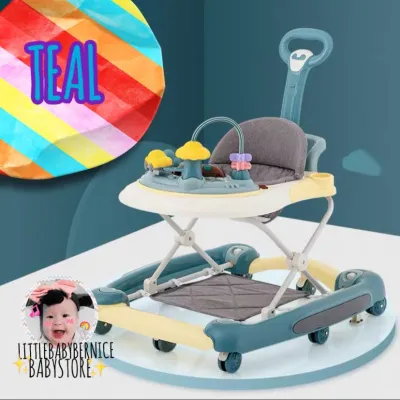
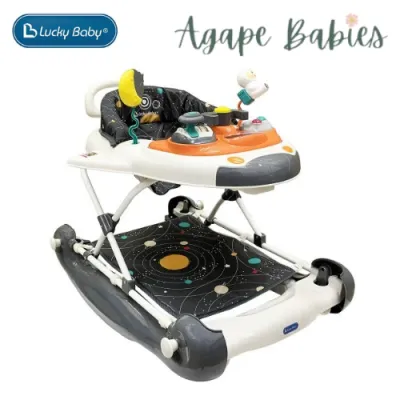
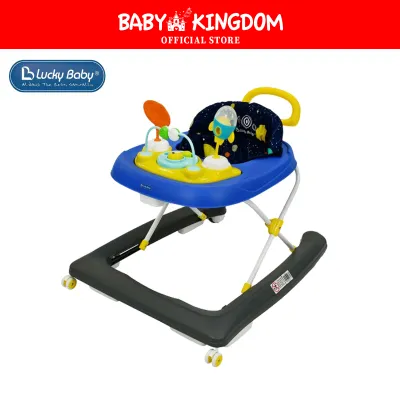

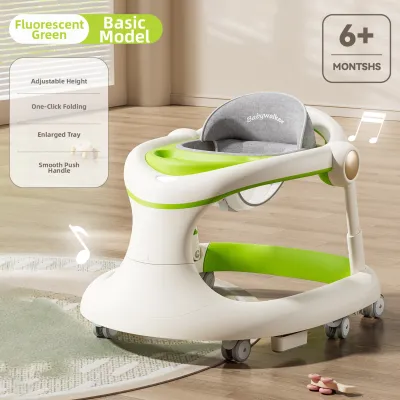
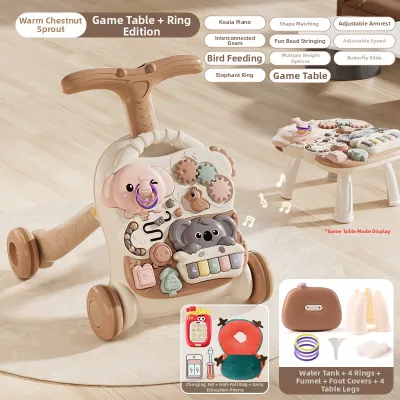
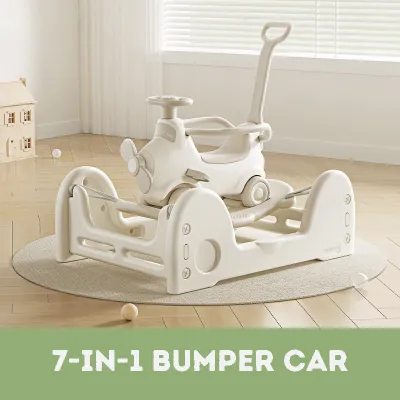

Prices are valid at publication and may change. Please refer to the product page for the latest price.
At this developmental stage, a baby’s curiosity and motor skills are expanding rapidly, often allowing them to reach household hazards much faster than a caregiver expects. Understanding that no product is entirely risk-free highlights why pre-purchase safety checks and constant adult supervision are absolutely non-negotiable.
How to Verify Safety Certifications and Compliance Labels
When shopping for a baby walker rocker, look past the colorful toys and aesthetic designs to inspect the physical safety labels. In Singapore, consumer products must meet recognized safety standards. Look for products that explicitly state compliance with international standards such as European safety standard EN 1273 (for baby walkers) or American standard ASTM F977.

Always locate and read the manufacturer’s warning labels directly on the frame or within the user manual. These labels outline crucial operational boundaries, such as the maximum weight limit—typically around 11 to 12 kilograms—and height restrictions. They also define the necessary developmental stage, specifying that the product is intended only for infants who can sit up unassisted and cannot yet walk independently.
Check the underside of the frame for a permanent tracking label containing the manufacturer’s contact details, model number, and date of manufacture. This information is critical for checking local consumer protection databases to ensure the specific model has not been subject to safety recalls.
Avoid buying any product that relies solely on vague marketing terms like “baby-safe,” “certified,” or “pediatrician-approved” without displaying a verifiable testing logo or standard number. Legitimate manufacturers print clear, official compliance marks directly on the product packaging or the body of the walker itself.
Must-Have Design Features for Stability and Injury Prevention
Physical design elements and mechanical safeguards serve as your primary defense against common walker-related accidents. Before making a purchase, physically test the unit or carefully review the manufacturer’s detailed specification sheets to ensure it meets these structural requirements.
Wide Bases and Anti-Tip Designs
A wide, flared base is the single most important physical feature for preventing tip-overs. The footprint of the base must be significantly wider than the seating frame, lowering the overall center of gravity and keeping the unit stable when your baby leans over the edge.
- Base-to-Seat Ratio: The outer edges of the base should extend far enough to prevent your baby from reaching dangerous objects on tables or countertops.
- Friction Strips: Look for non-slip rubber pads or friction strips on the bottom of the base. These stoppers are designed to grab the floor and halt forward movement if the wheels slide off an even surface or cross a raised threshold.
Braking Systems and Stair-Fall Prevention
Uncontrolled rolling is a major hazard in homes with split levels, raised door frames, or balcony access. A safe baby walker rocker must feature a reliable braking or locking system that caregivers can easily engage.
- Locking Wheels: Ensure the wheels can be locked securely in place when the device is transitioned into rocker mode or used for stationary play.
- Caregiver Testing: Test the locks yourself to verify they require deliberate adult force to engage and disengage, preventing the baby's movements from accidentally releasing them.
- Physical Barriers: Remember that mechanical brakes are secondary safety measures; they do not replace the need for physical stair gates at all elevated thresholds.
Secure Seating and Pinch-Point Protection
The seat fabric and frame joints must protect your baby from falling out or getting their limbs trapped in moving parts.
- Deep Seat Bucket: The seat must be deep, supportive, and equipped with a secure crotch strap to prevent the baby from slipping through the leg openings or trying to stand up.
- Enclosed Hinges: Because the frame folds for storage and converts between modes, inspect all folding joints and rocking hinges. Safe designs feature plastic guards that completely cover these areas to prevent finger pinching.
- Smooth Finishes: Run your hands along all plastic edges, metal tubes, and fabric seams to ensure there are no sharp burrs, exposed screws, or loose threads that could scratch your baby or pose a choking hazard.
Red Flags: Designs and Sellers to Avoid
Identifying low-quality or non-compliant products is just as important as knowing what safety features to look for. Avoid purchasing any baby walker rocker that exhibits these warning signs:
- Missing or Faded Labels: Walk away from any product that lacks permanent safety warnings, weight limits, or manufacturer contact details. Flimsy paper stickers that peel off easily indicate poor quality control.
- Narrow or Lightweight Bases: Avoid models where the base is nearly the same width as the seat, or those constructed from thin, flexible plastics. A sturdy walker rocker should feel solid and have a reassuring weight to its lower frame.
- Unregulated Second-Hand Markets: Do not buy used walker rockers from unverified online marketplaces, garage sales, or social media groups. Second-hand items may have hidden structural damage, missing internal screws, or be subject to active safety recalls that the seller did not track.
- Overly Complex Folding Mechanisms: Be cautious of frames that require excessive force to lock or feel loose when assembled. A safe frame must lock into place with a clear, audible click and feature a secondary safety lock to prevent accidental collapse.
Safe Usage Boundaries and Supervision Rules
Even the most highly certified baby walker rocker requires safe operational habits to prevent injuries. Establish strict boundaries for how and where the device is used in your home.
- Environment Prep: Only permit use on flat, level, and unobstructed floors. In Singaporean homes, watch out for transition strips between rooms, sliding door tracks, and loose rugs that can catch the wheels. Keep the walker strictly away from kitchens, bathrooms, balconies, household appliances, hot liquids, and dangling electrical cords.
- Time Limits: Limit your baby's time in the walker rocker to short sessions of 15 to 20 minutes per day. Overusing these devices can alter natural pelvic alignment and delay the development of essential trunk muscles needed for independent walking.
- Active Supervision: A baby walker rocker is an activity device, not a babysitter. An adult must remain in the same room, keeping the baby within direct line of sight and arm's reach at all times. Never leave the room, even for a moment, while the baby is in the device.
- Stopping Conditions: Stop using the product immediately if your baby reaches the maximum weight or height limit specified by the manufacturer, learns to sit or stand up independently outside the walker, or shows any attempt to climb out of the fabric seat.
Frequently Asked Questions (FAQ)
Are baby walker rockers banned or restricted in any regions?
Yes, traditional mobile baby walkers are strictly banned in some jurisdictions, such as Canada, due to historical data regarding stair falls and head injuries. While stationary activity centers and walker rocker hybrids are legal in many countries, including Singapore, safety authorities strongly advise parents to verify that any imported or locally purchased model complies with modern safety standards (like EN 1273 or ASTM F977) and is used strictly under active supervision on flat surfaces.
How do I know if my baby has outgrown the walker rocker?
Your baby has outgrown the device when they meet any of the manufacturer’s maximum limits, which are typically printed on the warning label (often around 11 to 12 kg or a specific height limit). Developmentally, if your baby can walk independently, stands flat-footed with bent knees even when the seat is adjusted to its highest position, or actively tries to climb out of the seating bucket, it is time to retire the product immediately to prevent tipping or falls.
Community discussion
Share your experience or ask a question. Comments are reviewed before publication.