
Quick Answer: What Makes a Kids Softener Safe for Sensitive Skin?
In Singapore’s year-round hot and humid climate, children are highly prone to sweating, which can trap fabric residues against their delicate skin barriers. This makes selecting a safe kids softener a critical decision for parents managing sensitive skin or eczema. A truly safe fabric softener for kids is formulated specifically to minimize the risk of contact dermatitis, skin irritation, and respiratory sensitivities. Unlike standard adult softeners that prioritize intense, long-lasting synthetic fragrances and heavy fiber-coating agents, a dedicated kids softener focuses on ingredient transparency, utilizing gentle, easily rinsed softening agents.
To be considered safe for sensitive skin, a fabric softener should ideally be hypoallergenic, fragrance-free, and dermatologically tested. However, parents must recognize that “safest” is always a relative term; what works perfectly for one child might still trigger a reaction in another depending on their unique skin triggers. The primary goal is to minimize overall risk by avoiding known irritants and looking for clean, plant-derived formulations. Standard fabric softeners are engineered to deposit a thin, lubricating chemical film over clothing fibers to make them feel smooth and reduce static. For children, whose skin is up to 30% thinner than adult skin, these deposited chemicals can easily migrate from the fabric to the skin barrier, causing irritation, redness, and itching.
Red Flag Ingredients to Avoid in Kids Fabric Softeners
When browsing the laundry aisle in Singapore, reading the back label is far more important than relying on front-of-bottle marketing claims. Many products feature soft pastel colors or baby imagery, yet still contain ingredients that can trigger contact dermatitis or respiratory irritation in young children. Understanding which chemical families and additives to avoid is the first step in protecting your child’s skin.
Products mentioned in this guide
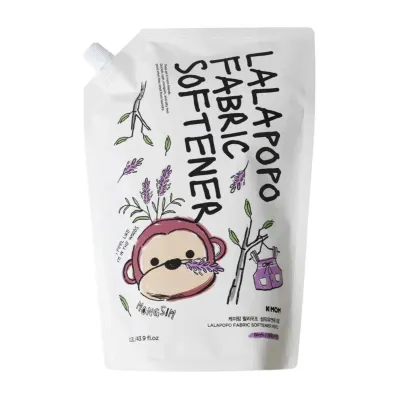
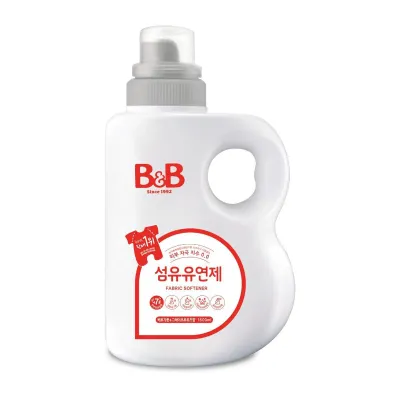
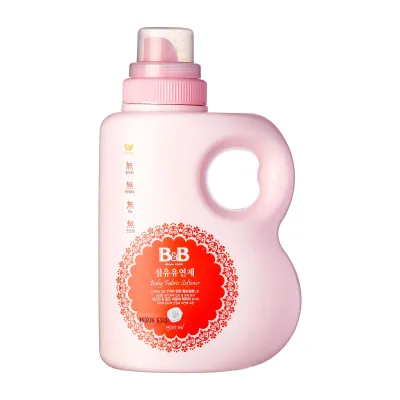
Prices are valid at publication and may change. Please refer to the product page for the latest price.

Synthetic Fragrances and Dyes
Artificial scents are among the leading causes of allergic skin reactions and respiratory issues in children. On ingredient lists, these are often masked under generic terms like “parfum,” “fragrance,” or “aroma,” which can represent a proprietary blend of hundreds of undisclosed chemical compounds, including phthalates. Phthalates are frequently used to make fragrances last longer on fabric, but they are known endocrine disruptors and common skin irritants.
It is also vital to understand that “unscented” is not the same as “fragrance-free.” An unscented product may still contain synthetic masking fragrances designed to neutralize the smell of other chemical ingredients, whereas a fragrance-free product contains no added scent chemicals whatsoever. Similarly, synthetic dyes and colorants serve no functional purpose in softening clothes; they are added solely for aesthetic appeal and can leave chemical residues on clothing that rub against sensitive skin.
Harsh Preservatives and Surfactants
Preservatives are necessary in liquid fabric softeners to prevent the growth of bacteria and mold during storage, but some are highly sensitizing. Chemical families such as isothiazolinones—specifically methylisothiazolinone (MIT) and benzisothiazolinone (BIT)—are notorious triggers for contact eczema and have been restricted in many leave-on cosmetic products, yet they are still commonly found in household laundry products.
Additionally, traditional fabric softeners rely on quaternary ammonium compounds (commonly known as “quats,” such as distearyldimonium chloride or diethyl ester dimethyl ammonium chloride) as their primary softening agents. These compounds carry a positive charge that bonds to the negatively charged fibers of clothing, leaving a lubricating film. Some synthetic quats are highly resistant to rinsing, meaning they remain on the fabric in high concentrations and can cause cumulative skin irritation, especially when reactivated by a child’s sweat.
Optical Brighteners
Optical brighteners are synthetic chemicals added to laundry products to make fabrics appear whiter and brighter. They achieve this by absorbing ultraviolet light and emitting a blue tint, which tricks the eye into seeing less yellowing. Because these chemicals must remain physically bound to the clothing fibers to work, they do not rinse out during the wash cycle.
Prolonged, direct contact between these residual chemicals and a child’s skin can lead to mechanical friction irritation, photosensitivity, and allergic reactions. For children with pre-existing skin conditions like eczema or atopic dermatitis, the constant rubbing of brightener-laden fibers against compromised skin can severely exacerbate symptoms.
Green Flags: What to Look for in Trusted Softener Brands
Identifying a safe kids softener requires looking for positive formulation choices, clean ingredients, and verifiable testing standards. Genuinely gentle brands prioritize biocompatibility, ensuring that any substance left on the clothing fibers is as non-irritating as possible.
Plant-Based and Biodegradable Formulas
Rather than relying on animal-fat-derived lipids (tallow) or heavy synthetic petrochemicals, trusted kids’ brands utilize plant-derived softening agents. These are typically esterquats derived from renewable plant sources such as coconut, palm, or canola oil.
Plant-based esterquats are designed to be highly biodegradable and rinse out of fabric fibers much more cleanly than their synthetic counterparts. This reduces the density of the residue left on the clothing, significantly lowering the risk of skin friction and irritation while still providing a soft, comfortable texture to cotton garments.
Dermatological and Pediatric Testing
Many household brands use vague marketing terms like “clinically tested,” “dermatologist-tested,” or “pediatrician-approved” without providing supporting evidence. To ensure these claims are meaningful, parents should look for specific, verifiable seals from recognized third-party organizations.
Certifications from bodies such as Allergy Certified, the National Eczema Association, or independent dermatological institutes (like Dermatest) indicate that the product has undergone rigorous patch testing on human volunteers under controlled conditions. When evaluating a brand, check their official website or product packaging for these specific seals rather than relying on unverified claims.
Transparent "Free-From" Labels
A trustworthy brand exhibits complete transparency by listing every single ingredient on the packaging using its International Nomenclature of Cosmetic Ingredients (INCI) name, rather than hiding behind vague categories like “softening agents” or “preservatives.”
Parents should cross-reference “free-from” claims (such as “free from parabens, phthalates, sulfates, silicones, and dyes”) with the actual ingredient list. If a brand claims to be free from synthetic fragrances but lists “parfum” on the back, or claims to be hypoallergenic but contains methylisothiazolinone, it is a clear sign to choose a different product.
How to Evaluate and Buy a Safe Kids Softener in Singapore
Navigating the retail landscape in Singapore requires a discerning eye, especially given the wide variety of imported and parallel-imported household goods available. Because Singapore’s regulatory environment allows for the import of products from various global markets, labeling standards can vary significantly from bottle to bottle.
When shopping, always check the physical label on the bottle. If the product is a parallel import, it may have a sticker containing a translated ingredient list. Ensure that this translation is complete and clearly discloses all ingredients. If the ingredient list is missing, obscured, or written in a language you cannot read, do not purchase the product. Instead, look for brands that provide full English ingredient disclosure either on the bottle or on their official local distributor’s website. If you are unsure about a specific ingredient, you can search for its safety profile on reputable cosmetic ingredient databases before making a purchase.
To ensure product authenticity and proper storage, purchase your kids softener from reliable, established local retail channels. Major brick-and-mortar supermarkets (such as NTUC FairPrice, Cold Storage, and Giant), reputable pharmacy chains (such as Guardian and Watsons), and the official flagship stores of trusted brands on major online marketplaces are the safest options. Avoid buying from unauthorized, third-party parallel sellers on online platforms, as these products may be counterfeit, expired, or stored in high-heat warehouse conditions that can cause the chemical formulations to degrade, potentially releasing harmful byproducts or losing their preservative efficacy.
Even when a product checks every safety box, individual sensitivities can still occur. Before washing your child’s entire wardrobe with a new kids softener, perform a simple home patch test. Wash a single, small garment—such as a clean cotton onesie or a washcloth—using the new softener according to the manufacturer’s instructions. Have your child wear or use this item for a full day, and monitor their skin closely over the next 24 to 48 hours. If you observe any signs of redness, itching, dry patches, or hives, discontinue use of the product immediately. If the irritation persists or worsens, consult a qualified pediatrician or dermatologist for professional medical advice.
Best Laundry Practices to Protect Sensitive Skin
Even the safest kids softener can cause skin irritation if used incorrectly. Proper laundry habits are just as important as selecting the right product formulation when it comes to protecting your child’s delicate skin barrier.
One of the most common mistakes parents make is overdosing the fabric softener. Many believe that adding more liquid will make clothes extra soft and comfortable, but the opposite is often true. Overdosing leaves a heavy, greasy chemical residue on the fabric fibers that clogs the weave of the cloth. In Singapore’s humid climate, this thick residue traps sweat, body heat, and environmental dust close to the child’s skin, leading to friction rashes and eczema flare-ups. Always use a measuring cap and strictly follow the manufacturer’s recommended dosage for your specific load size. If you are washing a small load, scale down the amount of softener proportionally.
To further minimize the risk of residue buildup, utilize the extra rinse cycle on your washing machine. Most modern washing machines offer an “extra rinse” or “medic rinse” setting, which runs an additional cycle of clean water through the drum after the main wash and rinse cycles are complete. This extra step helps flush out any lingering detergent and softener molecules from the fabric fibers, ensuring that only the cleanest, residue-free garments come into contact with your child’s skin.
There are also several key scenarios where fabric softener should be skipped entirely:
- Newborns (Under 6 Months): Pediatricians generally advise against using any fabric softeners or scent boosters for infants under six months old. A newborn's skin barrier is exceptionally thin, highly permeable, and still developing its natural protective defense mechanisms, making them highly susceptible to chemical absorption and irritation.
- Bath Towels: Fabric softeners work by coating fibers with a thin hydrophobic (water-repelling) layer. Using softener on bath towels will drastically reduce their absorbency over time, making them less effective at drying your child's skin and potentially trapping moisture.
- Flame-Resistant Sleepwear: Many children's sleepwear garments are treated with flame-resistant chemicals or made from inherently flame-resistant synthetic fibers. Fabric softeners can coat these fibers, masking the flame-resistant properties and significantly increasing the flammability of the garment. Always check the care label of your child's sleepwear before washing.
- Microfiber and Performance Wear: Softeners clog the microscopic pores of synthetic performance fabrics and microfiber cloths, destroying their moisture-wicking capabilities and trapping odors.
Frequently Asked Questions (FAQ)
Do babies under 6 months need fabric softener?
No, babies under six months do not need fabric softener, and pediatricians strongly recommend avoiding its use during this stage. A newborn’s skin is incredibly delicate, thin, and highly susceptible to absorbing chemical residues left on clothing. To keep your newborn’s clothes soft without chemicals, use a gentle, fragrance-free baby detergent, run an extra rinse cycle to flush out all soap residues, and line-dry the garments in a well-ventilated space. If clothes feel stiff after line-drying, simply tumble dry them on a low, no-heat setting for a few minutes to naturally loosen the fibers.
Is white vinegar a safe alternative to commercial kids softeners?
Yes, distilled white vinegar is a highly effective, natural, and safe alternative to commercial kids softeners. Adding 1/4 to 1/2 cup of diluted white vinegar to your washing machine’s fabric softener dispenser during the final rinse cycle helps break down mineral deposits from hard water and strips away lingering detergent residues, leaving clothes naturally soft and fresh. The mild vinegar scent dissipates completely as the fabric dries. However, always check your washing machine’s user manual first, as regular use of highly concentrated acids can potentially degrade rubber seals or hoses in certain machine models over time. Ensure the vinegar is fully diluted with water before adding it to the dispenser.
Can I use regular adult fabric softener if I use half the amount?
No, you should not use regular adult fabric softener for children’s clothing, even in reduced amounts. Diluting an adult softener does not eliminate the presence of highly sensitizing synthetic fragrances, strong chemical preservatives, or optical brighteners that are formulated into the product. Even a small amount of these chemical residues can remain tightly bound to the fabric fibers and rub against your child’s skin, potentially triggering contact dermatitis, hives, or eczema flare-ups. Dedicated kids softeners are formulated from the ground up without these harsh irritants, making them a much safer choice for protecting your child’s developing skin barrier.

Community discussion
Share your experience or ask a question. Comments are reviewed before publication.