
Selecting the right gear for your child involves balancing convenience with rigorous safety considerations. In Singapore, where modern apartments often feature smooth, polished flooring like homogeneous tiles, vinyl, or parquet, wheeled toys can gather momentum remarkably fast. A baby walker foldable model is a popular choice for families looking to save space in compact HDB flats or condominiums, but the folding mechanism itself introduces unique structural considerations. To protect your infant, you must look beyond brand aesthetics and actively verify specific safety certifications, locking mechanisms, and physical design safeguards.
While many brands market their products as safe and convenient, safety is ultimately determined by verified engineering standards and proper usage. No foldable walker can completely eliminate the risks associated with rapid mobility, meaning that parental vigilance remains the most critical safety feature. By understanding how to evaluate structural integrity and movement controls, you can make an informed decision that prioritises your baby’s physical well-being.
Why Safety Mechanisms Are Critical in Foldable Walkers
Baby walkers fundamentally alter an infant’s mobility, allowing a child who cannot yet stand independently to move at speeds of up to one metre per second. This rapid movement outpaces an infant’s cognitive development and reaction times, making them vulnerable to hazards they would not normally encounter. In a typical home, a child in a walker can quickly reach low countertops, pull down heavy objects, or access restricted areas like kitchens and bathrooms before a caregiver can intervene. Tipping is another major hazard, occurring when a wheel catches on a rug edge or when a baby leans aggressively over the side to reach for a toy.
Products mentioned in this guide
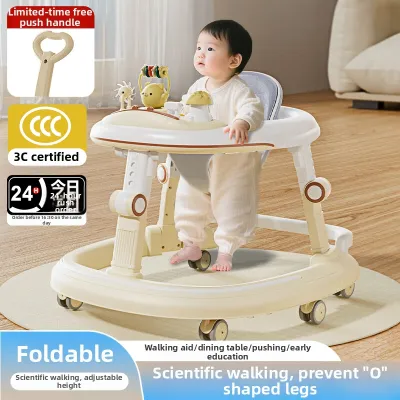
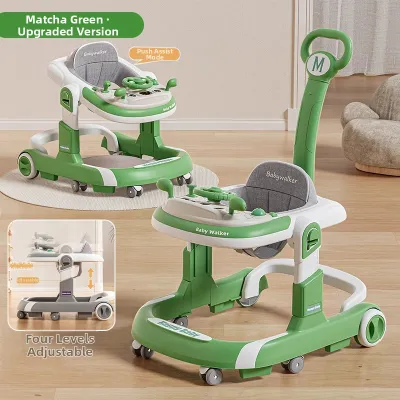
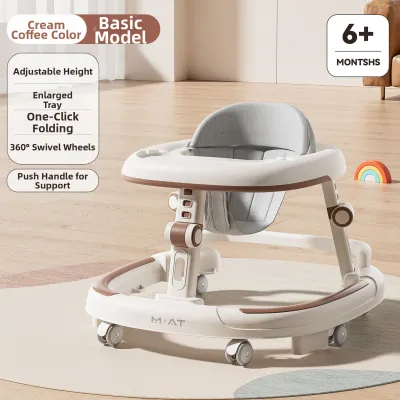
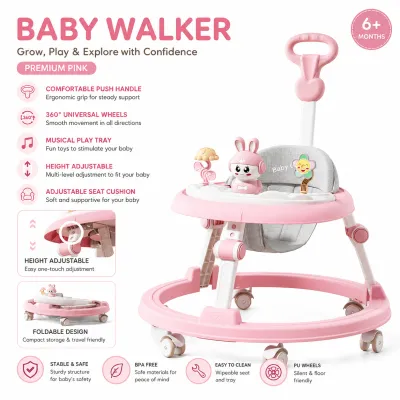
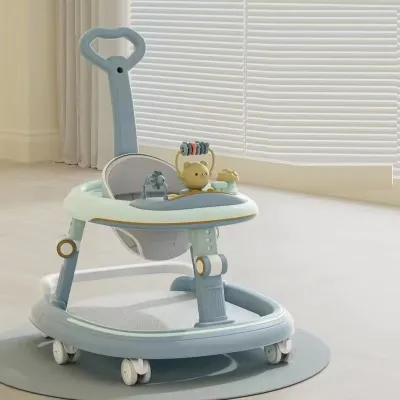
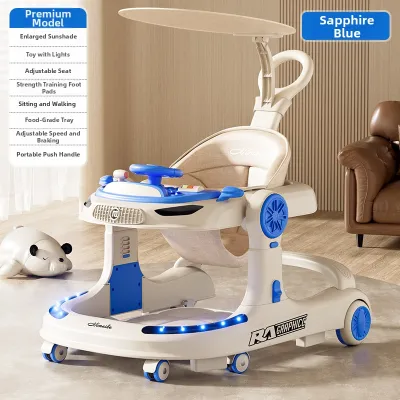
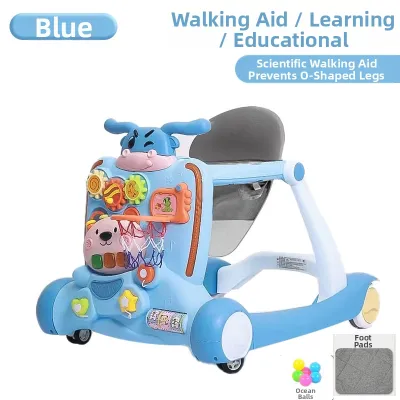
Prices are valid at publication and may change. Please refer to the product page for the latest price.
When you introduce a folding frame into this dynamic, additional safety risks arise. A foldable walker relies on joints, hinges, and locking pins to remain upright. If these components are poorly designed or constructed from low-grade plastics, the structural integrity of the frame is compromised. A sudden impact against a door frame or furniture could cause an unstable locking mechanism to fail, resulting in an immediate collapse while your baby is suspended inside. Such a collapse can trap the child’s limbs or cause severe impact injuries.
Furthermore, the folding joints themselves present physical hazards. Open, exposed hinges act as pinch points that can easily catch a baby’s curious fingers or skin during setup, adjustment, or active use. Because infants lack the coordination to extricate themselves, these minor pinches can lead to significant distress and injury. Therefore, a foldable model must feature specialised engineering designed to shield these moving parts and lock the frame rigidly into place.
It is vital to understand that safety features are engineered to mitigate risks, not to eliminate the necessity of active adult supervision. A highly rated walker with advanced safety mechanisms still requires a caregiver’s continuous, line-of-sight attention. Safety features act as a secondary line of defence, buying valuable seconds for a caregiver to react rather than serving as a replacement for hands-on supervision.
Key Safety Certifications and Design Features to Verify
When shopping for a foldable baby walker, you should treat product specifications and physical inspections as your primary evaluation tools. Rather than relying on vague marketing claims of “high quality” or “maximum safety,” look for concrete, verifiable indicators of robust engineering. This requires examining the product packaging, reading the manufacturer’s documentation, and physically testing the floor model in a retail store.

Recognised Safety Standards and Labels
Before purchasing any walker, inspect the packaging and the underside of the walker frame for official safety compliance labels. Trustworthy manufacturers subject their products to rigorous independent testing to meet international safety standards. The most widely recognised standards for infant walkers include ASTM F977 (the United States standard) and EN 1273 (the European standard). These standards dictate strict requirements for structural stability, dynamic strength, and the inclusion of stair-fall prevention mechanisms.
In Singapore, you should also verify that the product complies with local safety guidelines managed by the Consumer Product Safety Office (CPSO). Avoid purchasing unbranded walkers, parallel imports, or products from direct-to-consumer online marketplaces that lack clear manufacturer details, model numbers, and contact information. A complete lack of safety labelling or missing weight and age limits is a major red flag that indicates the product may not have undergone standardised safety testing.
Structural and Folding Mechanism Safeguards
To prevent accidental collapsing, a safe foldable walker must feature a dual-action locking system. This means the folding mechanism cannot be disengaged by a single push or pull. Instead, it should require two distinct, sequential physical actions—such as pressing a safety button while simultaneously turning a dial or lifting a lever. This design ensures that neither the baby’s movements inside the walker nor an older sibling playing around the frame can accidentally trigger a collapse.
The physical geometry of the walker is equally important. Look for a model with a wide, stable, and heavy base frame that is significantly wider than the upper tray. A wide wheelbase lowers the overall centre of gravity, making it physically difficult for the walker to tip over even if your baby leans heavily in one direction. Additionally, inspect all folding joints and hinges; they should be fully enclosed in smooth plastic housings or covered by thick fabric guards to prevent any finger-pinching hazards.
Movement and Fall Prevention Controls
Because Singaporean homes often feature smooth tiled or timber flooring, controlling the walker’s momentum is critical. High-quality models are equipped with friction strips or rubberised anti-slip pads on the underside of the base. These pads are designed to act as automatic brakes. If a wheel rolls over a threshold or slips off an edge, the rubber pads immediately make contact with the floor, creating high friction that stops the walker’s forward motion.
Additionally, look for models that feature speed-restricting wheels or adjustable friction rings. These mechanisms allow you to increase the rolling resistance of the rear wheels, preventing the walker from moving too quickly as your baby builds leg strength. Some premium designs also incorporate directional wheel locks, allowing you to restrict the walker to straight-line movement or lock the wheels entirely to convert the unit into a stationary play station.
How to Evaluate Baby Walker Foldable Brands for Safety in Singapore
Navigating the baby gear market requires a systematic approach to brand evaluation. Because individual product safety testing data is rarely fully public, you can assess a brand’s commitment to safety by examining their transparency, distribution channels, and design philosophy.
First, evaluate the level of manufacturer transparency. Reputable brands provide comprehensive, clear, and professionally translated user manuals. These manuals should explicitly state the recommended age range (typically starting from six months, or when the baby can sit up unassisted), maximum weight limits (usually around 11 to 12 kilograms), and developmental milestones (such as stopping use once the child can walk independently). If a brand’s documentation is vague, poorly translated, or lacks clear assembly and maintenance instructions, it is best to avoid them.
Second, always purchase through authorised retail channels. Shopping at established physical baby boutiques in Singapore or official brand flagship stores on reputable online platforms ensures you are receiving genuine products. Authorised distributors are legally responsible for ensuring their inventory complies with local consumer safety regulations. Purchasing from unauthorised parallel importers or third-party sellers increases the risk of buying counterfeit items, older models that do not meet current safety standards, or products that have been subject to overseas recalls.
Third, investigate the brand’s local after-sales support and global safety record. A brand that maintains a dedicated customer service office or an authorised local distributor in Singapore demonstrates a commitment to product accountability. This local presence is invaluable if you need to source replacement seat fabrics, clarify assembly steps, or verify a mechanical component. Before buying, conduct a quick search on global product recall databases and local safety advisory portals to ensure the brand has a clean history or has handled past recalls with transparent, proactive consumer outreach.
Finally, look closely at the brand’s overall design philosophy. Brands that prioritise child development and safety often design multi-functional products. For example, they may offer walkers that easily convert into stationary activity centers, bouncers, or walk-behind push toys. This design approach indicates that the brand views the walker not merely as a mobility tool to keep a baby occupied, but as a structured developmental aid that supports different stages of physical growth under controlled conditions.
Essential Setup and Supervision Rules for Safe Use
Even the most advanced safety features cannot protect your child if the walker is set up incorrectly or used in an unsafe environment. Establishing strict household safety protocols is essential for preventing accidents.
Before placing your baby in the walker, perform a quick pre-use verification check every single time you unfold the unit. Physically press down firmly on the top tray to ensure the folding locks are rigidly engaged. Visually inspect the seat fabric attachment points underneath the tray to confirm they are securely fastened and show no signs of fraying or tearing. Ensure the wheels are clear of hair, dust, or debris that could impede their smooth rotation or block the safety friction pads.
Preparing your home environment is a non-negotiable step. In Singaporean apartments, you must secure potential hazard zones. Install sturdy safety gates at the entrances of kitchens, bathrooms, and balconies to prevent access to wet or uneven surfaces. Remove all loose floor mats, rugs, and electrical cords that could catch the walker’s wheels and cause a tip-over. Keep all low-lying coffee tables clear of hot liquids, sharp objects, and heavy items, as a baby in a walker has a significantly higher reach than a crawling infant.
Strictly limit the time your baby spends in the walker. Developmental specialists recommend limiting sessions to 15 to 20 minutes once or twice a day. Overusing a walker can place unnatural stress on a baby’s developing hips and legs, and it deprives them of the vital floor play, crawling, and tummy time needed to build core and upper-body strength. Throughout every session, maintain constant, active, line-of-sight supervision. Never leave the room, even for a moment, while your baby is in the walker.
Finally, know exactly when to discontinue use. You must stop using the walker immediately if your baby reaches the manufacturer’s maximum height or weight limit, or if they demonstrate the ability to climb out of the seat. Another clear indicator to stop is when your baby can stand flat-footed with their knees bent while the walker is at its highest height setting. If you notice your baby constantly walking on their tiptoes or if you have any concerns regarding their motor development, stop using the walker immediately and consult a qualified paediatrician for professional guidance.
Frequently Asked Questions (FAQ)
Are foldable baby walkers safe for my baby's hip and motor development?
Excessive use of any baby walker can have a negative impact on natural motor development and hip alignment. When suspended in a walker seat, infants often propel themselves forward by pushing off with their tiptoes. This repetitive motion can lead to calf muscle tightness and encourage a persistent toe-walking habit. Furthermore, because the walker’s frame supports their body weight, the baby does not engage the core, hip, and thigh muscles required for independent standing and walking. To support healthy physical development, prioritise supervised floor time, crawling, and pulling up on stable furniture. If you choose to use a foldable walker, treat it strictly as a brief, occasional activity station rather than a primary mobility device.
How do I clean and maintain the folding joints of a baby walker?
To ensure the folding mechanisms and safety locks continue to operate smoothly, regularly clean and inspect all moving parts. Start by consulting the manufacturer’s specific care instructions. Generally, you can wipe down the plastic and metal folding joints with a soft, damp cloth and a mild baby-safe detergent to remove dust, spilled food, or liquids. Avoid using harsh chemical solvents, bleach, or abrasive scrubbing pads, as these can degrade the plastic components and accelerate wear on the locking pins. Regularly check the wheel axles and folding hinges for trapped hair, lint, or floor debris, removing any obstructions carefully. Never apply household lubricants, oils, or silicone sprays to the joints or wheels unless explicitly directed by the manufacturer’s manual, as these substances can attract dirt, clog the mechanisms, or interfere with the friction pads designed to prevent falls.
Community discussion
Share your experience or ask a question. Comments are reviewed before publication.