
The safest ear cleaning tools for babies are those designed exclusively for the outer ear, such as soft muslin washcloths, silicone finger cots, and specialized baby safety cotton swabs featuring bulbous protective shields. Under no circumstances should any tool or object be inserted into an infant’s ear canal. Paediatricians universally advise that a baby’s ear canal is a self-cleaning system that should be left entirely alone.
In Singapore’s warm, humid tropical climate, baby grooming requires special attention to moisture management. High humidity levels mean that sweat, bathwater, and natural oils can easily pool in the deep folds of the outer ear (the pinna) and the sensitive area behind the ears. If left damp, these areas can quickly become breeding grounds for yeast, bacteria, or heat rash, making gentle daily cleaning and meticulous drying of the outer ear a crucial part of your infant’s hygiene routine.
Understanding the difference between cleaning the outer ear and attempting to clear the inner ear canal is the most important step in keeping your baby safe. By selecting tools specifically engineered with physical safety barriers and using the correct techniques, you can easily maintain your baby’s ear hygiene at home while completely eliminating the risk of accidental injury.
Products mentioned in this guide

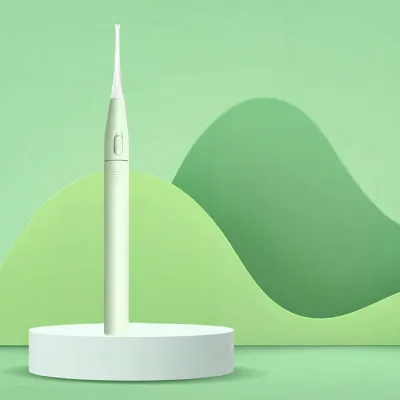

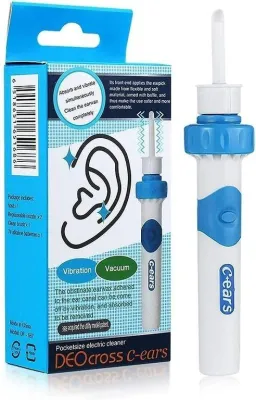
Prices are valid at publication and may change. Please refer to the product page for the latest price.
The Golden Rule of Baby Ear Safety
To understand why ear safety is so critical for infants, it helps to look at the unique anatomy of a baby’s ear. An infant’s ear canal is incredibly short, narrow, and highly delicate compared to an adult’s. The tympanic membrane, commonly known as the eardrum, sits just a short distance from the entrance of the canal. Because this membrane is extremely thin and fragile, even a minor slip with a rigid tool can cause immediate, painful damage or permanent hearing impairment.
Furthermore, the skin lining your baby’s ear canal is exceptionally thin and sensitive. It lacks the thick protective layers found on other parts of the body, making it highly susceptible to minor scratches, abrasions, and subsequent bacterial infections. Any tool that enters this narrow passage, no matter how soft it claims to be, poses a direct threat to this delicate barrier.
Many parents worry when they see earwax inside their baby’s ears, but this substance—scientifically known as cerumen—is actually a sign of a healthy, functioning ear. Cerumen is a natural, self-produced substance composed of specialized oils, sweat, and shed skin cells. It serves several vital protective functions: it acts as a water-resistant shield, lubricates the delicate canal skin to prevent itching and cracking, and traps airborne dust, hair, and microscopic debris before they can reach the eardrum.
In addition to its physical protective properties, earwax possesses mild antibacterial and antifungal qualities that help ward off infections in the warm, dark environment of the ear canal. The ear is also naturally self-cleaning through a process called epithelial migration. As your baby sucks, swallows, and wiggles their jaw, the skin inside the ear canal slowly grows outward like a tiny conveyor belt, gradually carrying old, debris-laden earwax from the deep canal to the outer ear, where it naturally flakes away or can be safely wiped off.
Because of this highly efficient self-cleaning mechanism, the universal paediatric consensus is clear: parents should only ever clean the outer ear, which includes the visible external structure called the pinna and the crevices behind the ear. Attempting to clean inside the canal with cotton buds, metal loops, or any other tool is not only unnecessary but actively harmful. It acts like a plunger, forcing loose wax back down into the canal and compacting it against the eardrum, which can lead to painful impaction, temporary hearing loss, and a much higher risk of painful outer ear infections (otitis externa).
Key Features to Look for in Baby Ear Tools
When shopping for baby grooming accessories in Singapore, parents are often confronted with a dizzying array of products on online marketplaces and in specialty baby boutiques. To cut through the marketing hype and select tools that are genuinely safe, you must evaluate products based on several non-negotiable safety features.

Physical Stops and Built-In Shields A safe baby ear cleaning tool must feature a mechanical design that makes deep insertion physically impossible. For cotton swabs, this is achieved through a bulbous or “cocoon” shape, where the tip starts narrow but quickly widens into a thick bulb that cannot fit through the narrow opening of an infant’s ear canal. For reusable silicone tools, look for integrated wide discs or cone-shaped guards that rest flat against the outer ear, blocking the tip from moving forward even if your baby makes a sudden, unpredictable movement.
Material Softness and Hypoallergenic Properties The materials used in any ear tool must be incredibly gentle on your baby’s highly sensitive skin. If you are using disposable swabs, prioritize those made with 100% organic, medical-grade cotton that is tightly wound to prevent loose fibers from shedding and getting trapped in the ear. For reusable tools, look for premium, food-grade or medical-grade silicone that is completely free from BPA, phthalates, and latex. The silicone should be highly flexible and smooth, ensuring it bends easily under pressure rather than scraping against the skin.
Infant-Specific Proportions Never rely on scaled-down adult grooming tools, as they are often still too rigid, sharp, or poorly proportioned for a baby’s tiny anatomy. Genuine baby ear care tools are engineered from the ground up with infant proportions in mind. This means the active cleaning surfaces are exceptionally small, while the safety barriers are scaled to match the average dimensions of an infant’s outer ear. Always check the manufacturer’s packaging to verify the recommended age range, as newborn ears require even gentler, smaller tools than those of older toddlers.
Ergonomic and Secure Grip A wiggling baby is one of the biggest challenges of infant grooming. To maintain absolute control, the tool you choose must feature an ergonomic, non-slip handle. Look for handles that are slightly chunky, textured, or coated in rubberized materials that provide a secure grip even if your hands are damp after bath time. A well-designed handle allows you to apply precise, feather-light pressure and react instantly to your baby’s movements without the tool slipping out of your fingers.
Safest Types of Ear Cleaning Tools for Babies
Navigating the baby care aisle can be overwhelming, but understanding the specific categories of safe ear care tools can help you make an informed decision. Each of the following categories offers a safe, practical way to manage your baby’s outer ear hygiene, provided they are used strictly according to manufacturer guidelines and paired with constant caregiver supervision.
Baby Safety Swabs with Protective Shields
Baby safety cotton swabs—often referred to as safety buds—are one of the most popular and accessible options for infant outer ear care. Unlike standard adult cotton buds, which feature a uniform, narrow cylinder, safety swabs are engineered with a distinct bulbous shape. The very tip of the swab is small enough to gently clean the shallow folds of the outer ear, but the cotton immediately widens into a thick, protective bulb that physically prevents the swab from entering the ear canal.
These swabs are highly effective at absorbing excess moisture and lifting away softened, migrated wax from the outer folds of the pinna after a bath. Because they are disposable, they offer a highly hygienic option, but they must still be used with extreme care. Parents must hold the swab close to the cotton tip to maintain maximum control and should never apply inward pressure or attempt to force the bulbous section past the entrance of the ear canal. In Singapore, high-quality safety cotton swabs are highly affordable, typically costing between S$3 and S$8 for a large pack at local pharmacies or baby stores.
Soft Washcloths and Silicone Finger Cots
For parents seeking the absolute safest, most natural method of ear cleaning, the humble washcloth remains the gold standard recommended by paediatricians worldwide. Using a clean, warm, damp washcloth—ideally made from ultra-soft, organic muslin or bamboo fiber—allows you to wipe away surface wax and dirt with zero risk of internal injury. Because your own index finger is physically too large to enter a baby’s ear canal, it acts as an automatic, foolproof safety barrier.
A modern variation of this classic method is the textured silicone finger cot. Originally designed for cleaning infant gums and first teeth, these soft, flexible silicone sleeves fit snugly over a parent’s finger and often feature tiny, raised silicone ripples or bristles on one side. When used gently around the outer ear, these soft textures are incredibly effective at catching and lifting away loose, dry wax flakes and moisture. The primary limitation of both washcloths and finger cots is that they are too bulky to reach into the smallest, most intricate crevices of a newborn’s outer ear, but their unmatched safety profile makes them an essential tool for daily hygiene.
Baby Grooming Kits with Rounded Accessories
Many parents choose to purchase comprehensive baby grooming kits, which keep all essential hygiene tools organized in one convenient case. Premium kits often include specialized outer ear accessories, such as rounded-tip tweezers, soft-bristled grooming brushes, or flat, flexible silicone loops. These kits are highly practical and typically range from S$15 to S$40, depending on the number of accessories included.
Rounded-tip tweezers in these kits are designed specifically to help parents gently pick up loose, dry flakes of earwax or debris that have already migrated completely out of the ear canal and are resting visibly on the outer ear. They feature blunt, spherical tips to prevent accidental puncture wounds. However, these tools require an exceptionally steady hand and must only be used when your baby is completely calm and still. They must never be inserted into the ear canal under any circumstances, and should only be used to lift away debris that is entirely on the surface.
How to Safely Clean Your Baby's Ears at Home
Establishing a safe, stress-free ear cleaning routine is simple once you know the correct steps and techniques. By integrating ear care into your baby’s regular bath-time routine, you can take advantage of the warm water to make the process much easier and more comfortable for your little one.
Step 1: Preparation and Timing The best time to clean your baby’s ears is during or immediately after a warm bath. The warm water and the humid bathroom air naturally help to soften and loosen any dry earwax that has accumulated on the outer ear. Before you begin, ensure you have all your supplies within arm’s reach—such as a clean, damp washcloth, a dry towel, and a few baby safety swabs. Never leave your baby unattended on a changing table or in the tub to grab a forgotten item.
Step 2: Secure Positioning To prevent sudden slips or accidental injuries, you must secure your baby in a comfortable, stable position. For newborns and younger infants, laying them flat on their back on a padded changing mat is usually the safest option. For older, more active babies, you can cradle them securely in your lap, using one of your arms to gently but firmly support their head against your body. This minimizes lateral head movements and ensures you have a clear, well-lit view of the ear you are cleaning.
Step 3: The Wiping Technique Take your warm, damp washcloth and wrap a single layer of it over your index finger. Gently wipe the entire outer ear, starting from the front of the ear (the pinna), moving through the outer curves, and cleaning thoroughly behind the earlobe where milk residue, sweat, and dust often accumulate. Use gentle, outward, sweeping motions. If you are using a safety cotton swab to clean the small crevices of the outer ear, hold it firmly near the tip and sweep it gently around the folds. Never rub, scrub, or push inward.
Step 4: Thorough Drying Because Singapore’s tropical climate is highly humid, ensuring the ears are completely dry is a critical step in preventing skin irritation. Once you have finished wiping, take a dry, soft corner of your towel or muslin cloth and gently pat the entire outer ear and the area behind the ear until it is completely dry. This prevents moisture from pooling in the skin folds, which can otherwise lead to painful yeast infections, intertrigo, or localized eczema.
Step 5: Safety Stop Conditions As a caregiver, you must always prioritize your baby’s comfort and safety over completing the task. Stop the cleaning process immediately if your baby becomes fussy, starts crying, or repeatedly pulls away. Never force the issue or turn ear cleaning into a struggle, as a sudden jerk of the head is the leading cause of grooming-related ear injuries. Additionally, halt the process and consult a professional if you notice any signs of skin cracking, bleeding, redness, or if your baby shows signs of pain when you gently touch their outer ear.
When to See a Paediatrician for Earwax Buildup
While routine outer ear hygiene can easily be managed at home, there are times when earwax buildup or potential ear issues require professional medical attention. It is vital for parents to recognize the boundaries of safe home care and know when to step back and consult a qualified healthcare professional.
You should schedule a visit to your paediatrician or a General Practitioner (GP) if you observe any signs of earwax impaction or an underlying ear infection. Common symptoms in infants include:
- Frequent pulling, tugging, or rubbing at one or both ears
- Unusual fussiness, irritability, or crying, especially during feeding or when lying down
- Shaking the head from side to side repeatedly
- A lack of response to soft sounds or a noticeable delay in turning toward your voice (suggesting muffled hearing)
- A foul or unusual odor coming directly from the ear canal
- Any visible yellow, green, or cloudy fluid draining from the ear
- A dark, hard, or large mass of earwax completely blocking your view of the ear canal opening
Under no circumstances should parents attempt to resolve suspected earwax impaction at home using unverified remedies. You must strongly avoid the use of ear candling, which involves placing a lit, hollow candle near the ear; this dangerous practice poses an extreme risk of severe burns, facial injury, and eardrum perforation from falling wax. Similarly, do not use over-the-counter high-pressure ear flushing kits, syringe bulbs, or suction devices designed for adults, as the pressure can easily rupture an infant’s delicate eardrum or force water deep into the middle ear, leading to severe pain and infection.
When you take your baby to a professional clinic in Singapore, the doctor will first perform a gentle physical examination using an otoscope to inspect the ear canal and eardrum. If they confirm that earwax removal is medically necessary, they will use specialized, pediatric-safe methods. This may involve the careful use of a tiny, rounded curette, gentle microsuction, or professional, low-pressure irrigation using warm sterile water or saline. These methods are performed under direct visualization, ensuring your baby’s safety and comfort throughout the procedure.
Frequently Asked Questions (FAQ)
Can I use regular adult cotton buds for my baby's outer ear?
No, you should never use standard adult cotton buds to clean any part of your baby’s ear. Adult cotton buds are designed with a uniform, narrow cylinder that completely lacks any physical safety barriers or protective shields. Because a baby’s ear canal is incredibly short and narrow, a standard cotton bud can easily slip deep inside, especially if the baby makes a sudden, unpredictable head movement. This poses a high risk of pushing earwax deep into the canal, causing painful impaction, scratching the delicate canal lining, or even perforating the eardrum. Always opt for safety swabs specifically engineered with a bulbous shape that physically blocks entry into the canal.
How often should I clean my baby's ears?
For most healthy babies, a gentle wipe of the outer ear and behind the earlobes during their daily or alternate-day bath is more than sufficient. Because the ear canal is naturally self-cleaning, there is absolutely no need for routine cleaning of the inside of the ear. Visible earwax sitting inside the canal is entirely normal and healthy; it does not indicate poor hygiene and should be left alone to migrate outward on its own. Focus your efforts on keeping the outer ear clean and, most importantly, thoroughly drying the folds and the area behind the ears to prevent moisture-related skin irritation in Singapore’s humid climate.
Are over-the-counter earwax removal drops safe for infants?
You should never use over-the-counter earwax softening drops, olive oil, or medicated drops in your baby’s ears without an explicit recommendation and guidance from your paediatrician. An infant’s ear canal and eardrum are highly sensitive, and improper use of drops can lead to severe skin irritation, chemical burns, or localized infections. Furthermore, if your baby has an undiagnosed perforated eardrum, introducing any liquid drops into the ear canal can cause intense pain and serious middle ear complications. If you suspect your baby has a hard wax buildup that is causing discomfort, always consult a doctor first for a safe, professional assessment.
Community discussion
Share your experience or ask a question. Comments are reviewed before publication.