
Selecting the safest baby wipes for sensitive skin in Singapore requires looking past marketing buzzwords and focusing entirely on the ingredient list. The safest wipes are those with the fewest ingredients—typically consisting of over 99% purified water and a minimal, highly stable preservative system to prevent microbial growth. Because Singapore’s hot and humid climate can exacerbate diaper rash and skin friction, choosing a formula free from fragrance, alcohol, and harsh preservatives is essential for protecting a baby’s delicate skin barrier. While many products on supermarket shelves claim to be gentle, caregivers must learn how to decode ingredient labels to make an informed choice.
When dealing with highly reactive skin, even wipes marketed as “natural” or “organic” can contain botanical extracts or essential oils that trigger contact dermatitis. By understanding the science of the skin barrier and learning how to identify potential irritants, you can confidently select wipes that cleanse effectively without causing redness, itching, or discomfort. This guide provides a practical framework for evaluating wipe formulations, helping you choose the safest options for your baby’s daily care.
Understanding "Safe" Formulations for Sensitive Skin
To evaluate baby wipes objectively, it is important to distinguish between true allergens and common chemical irritants. An irritant is a substance that causes direct physical damage to the skin barrier, leading to localized redness, dryness, or a burning sensation upon contact. In contrast, an allergen triggers an immune response, which may develop over time and cause widespread dermatitis even with minimal exposure. For babies with sensitive skin, minimizing exposure to both irritants and potential allergens is crucial, as their skin barrier is thinner and more permeable than that of adults.
Products mentioned in this guide
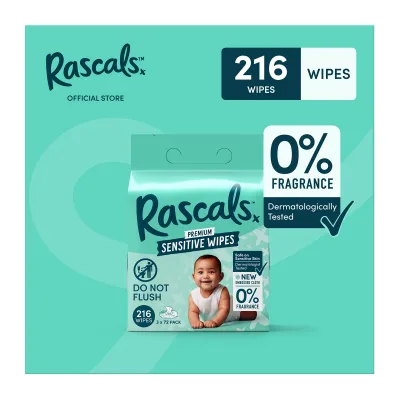
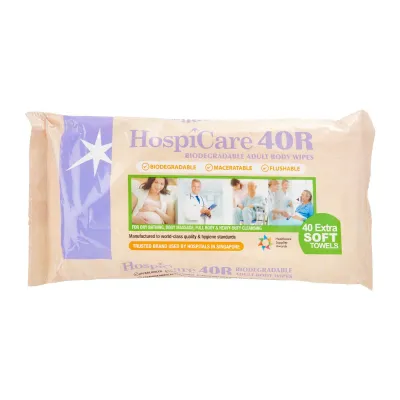
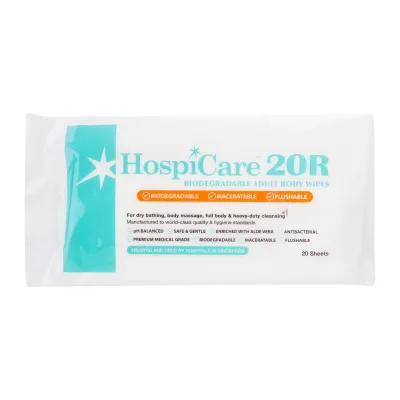
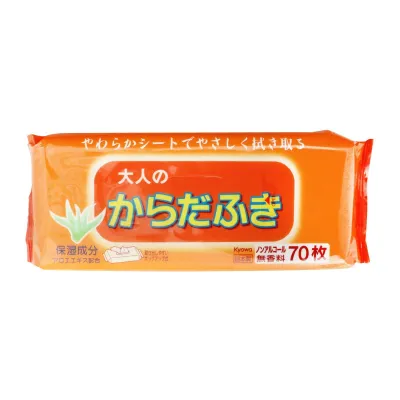
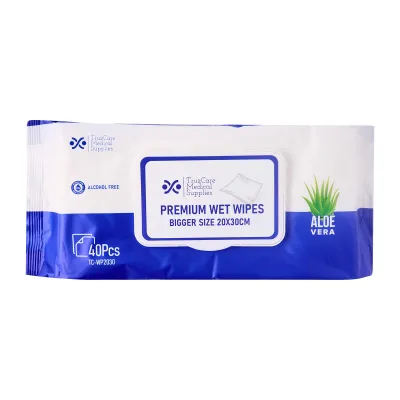
Prices are valid at publication and may change. Please refer to the product page for the latest price.
Many caregivers rely on front-of-pack labels such as “hypoallergenic,” “natural,” or “dermatologically tested” as guarantees of safety. However, these terms are largely unregulated and lack standardized legal definitions in the cosmetics and personal care industry. A “dermatologically tested” wipe may have been tested on a small group of healthy adult volunteers rather than infants with eczema. Similarly, “natural” ingredients can include plant extracts that are known sensitizers. To ensure a product is truly safe, you must look past these marketing claims and verify the actual ingredient list on the back of the packaging.
The skin barrier functions best at a slightly acidic pH level, typically between 4.5 and 5.5. This acidic environment, often referred to as the acid mantle, helps inhibit the growth of harmful bacteria and maintains the structural integrity of the skin. Using wipes that are too alkaline can disrupt this balance, leading to dryness and increased susceptibility to infection. Additionally, the quality of water used in the formulation is critical. High-quality wipes utilize multi-stage purified water, such as deionized or reverse-osmosis water, to ensure that no trace minerals, heavy metals, or chlorine remain to irritate sensitive skin.
Ingredients to Avoid When Reading Wipe Labels
When screening baby wipes, the preservative system is often the most common source of skin irritation. Preservatives are necessary to prevent the growth of harmful bacteria, mold, and yeast in a wet environment, but some are far harsher than others. Caregivers should actively avoid parabens, such as methylparaben and propylparaben, which have been linked to skin sensitization. Even more critical is avoiding methylisothiazolinone (MIT) and methylchloroisothiazolinone (CMIT), which are potent contact allergens that have been widely restricted in leave-on skin products but can still occasionally appear in wet wipes. Phenoxyethanol is another common preservative that, while generally considered safer than parabens, can still cause localized irritation or a stinging sensation on broken or highly sensitive newborn skin.

Fragrance is another major culprit behind contact dermatitis and skin irritation. Whether listed as “fragrance,” “parfum,” or disguised as “essential oils” like lavender, chamomile, or tea tree oil, these aromatic compounds serve no functional cleansing purpose and pose a high risk of sensitization. Essential oils are often marketed as natural soothing agents, but they contain complex mixtures of volatile organic compounds that can easily irritate a compromised skin barrier. For babies with sensitive skin or eczema, choosing completely fragrance-free wipes is a non-negotiable step.
In addition to preservatives and fragrances, caregivers should watch out for harsh surfactants and drying alcohols. Surfactants are cleansing agents that help lift dirt and oils from the skin, but strong surfactants like sodium lauryl sulfate (SLS) can strip away the skin’s natural lipids, leading to severe dryness. Drying alcohols, such as alcohol denat, ethanol, or isopropyl alcohol, should be completely avoided as they rapidly dehydrate the skin and cause a painful burning sensation on irritated areas. Finally, unnecessary colorants or dyes should be avoided, as they add no value to the cleansing process and introduce additional chemical risks.
What a Truly Gentle Wipe Formula Looks Like
A genuinely gentle wipe formula is characterized by simplicity and transparency. The ideal formulation consists of a very short ingredient list, often containing fewer than five to seven components in total. The primary ingredient should always be purified water, making up 99% or more of the total weight. By maximizing the water content, the manufacturer minimizes the concentration of active chemical agents, thereby reducing the likelihood of an adverse skin reaction. When the ingredient list is short, it also becomes much easier for caregivers to identify and isolate the specific cause of any flare-ups that do occur.
While minimal ingredients are preferred, some gentle formulations include mild soothing agents to help calm irritated skin. Ingredients like aloe vera extract or chamomile can provide anti-inflammatory benefits, but they must be evaluated with caution. If your baby has highly reactive skin, even these botanical extracts can occasionally trigger a reaction. When choosing a wipe with soothing additives, ensure they are positioned near the bottom of the ingredient list, indicating a very low concentration, and monitor your baby’s skin closely during the first few uses.
To verify the quality and safety of a wipe formula, look for reputable third-party certifications printed on the packaging. Organizations such as the National Eczema Association (NEA) or Allergy Certified conduct independent reviews of product formulations to ensure they meet strict safety criteria and are free from common allergens. While these seals are not absolute guarantees of compatibility for every individual baby, they provide a reliable starting point. Caregivers should verify these certifications by checking the official registries of the certifying bodies to ensure the product’s status is current and valid.
How to Compare Wipe Brands on the Shelf
To make an objective comparison between different wipe brands on the shelf, you must learn to read the International Nomenclature of Cosmetic Ingredients (INCI) list. The INCI list is the standardized, scientific naming system printed on the back of every pack of wipes. Ingredients are listed in descending order of concentration, meaning the first few ingredients make up the vast majority of the product. By comparing the first three to four ingredients across different brands, you can quickly determine which products are truly water-based and which rely heavily on synthetic emollients, surfactants, or chemical solvents.
When comparing formulations, you will generally encounter two main categories: “water-only” wipes and wipes formulated with added moisturizers or emollients. Water-only wipes typically contain 99.9% water and a single, mild preservative or fruit extract. These are highly recommended for newborns and babies with active eczema flare-ups, as they provide the cleanest possible cleanse. On the other hand, wipes with added emollients, such as glycerin or light plant oils, can be beneficial for babies with chronically dry skin, as they help deposit a thin protective barrier on the skin after wiping. However, these should only be used if the skin is intact and not actively irritated.
Beyond the ingredients themselves, it is valuable to assess the brand’s overall transparency and manufacturing standards. Reputable brands often share detailed information on their websites regarding their water purification processes, ingredient sourcing, and quality control measures. You can also perform a quick search to check for any history of product recalls, which can indicate lapses in manufacturing hygiene or preservative efficacy. A brand that openly shares its testing protocols and maintains a clean safety record is generally a more reliable choice for sensitive skin.
Making the Final Choice for Your Baby's Skin
Selecting the right wipe ultimately depends on your baby’s current skin condition and daily usage scenarios. If your baby has highly reactive skin, active eczema flare-ups, or broken skin from diaper rash, you should opt for water-only, zero-additive wipes. These formulas minimize the risk of stinging and allow the skin barrier to heal naturally without chemical interference. For daily diaper changes where the skin is healthy but prone to mild dryness, a wipe containing a small amount of a mild humectant like glycerin can help maintain hydration.
Before introducing any new wipe, especially those containing botanical extracts or “natural” ingredients, it is wise to perform a patch test. Apply a single wipe to a small, discreet area of your baby’s skin, such as the inner forearm, and wait 24 to 48 hours to monitor for any signs of redness, swelling, or irritation. This simple step can prevent widespread discomfort and help you identify specific botanical sensitivities before using the product over larger areas of the body.
If you notice persistent redness, peeling, or a worsening rash despite switching to a minimal-ingredient, sensitive-skin wipe, stop using the product immediately. In some cases, even the mildest wipes can cause friction that irritates compromised skin. During severe flare-ups, temporarily transition to using warm water and soft cotton pads or reusable cloth wipes, and consult a pediatrician or pediatric dermatologist. They can help diagnose the underlying cause of the irritation and recommend appropriate therapeutic treatments.
Frequently Asked Questions (FAQ)
Can I use baby wipes as body wipes for older children or adults with sensitive skin?
Yes, baby wipes are generally formulated to be much milder than standard adult wet wipes, making them excellent body wipes for older children and adults with sensitive skin. Adult body wipes often contain stronger fragrances, alcohol, and exfoliating agents that can easily irritate sensitive skin types. When using baby wipes for adult body cleansing, still take the time to check the ingredient list for any specific personal allergens, and ensure the product is fragrance-free to minimize the risk of contact dermatitis on sensitive areas.
Are flushable wipes safe for sensitive skin and plumbing systems?
Flushable wipes are structurally different from standard baby wipes, as they are designed to break down more easily in water to prevent plumbing blockages. To achieve this dispersibility, manufacturers often use different binding agents and synthetic fibers, which may require alternative chemical formulations that are not always ideal for highly sensitive skin. Furthermore, despite being labeled as flushable, many of these wipes do not disintegrate quickly enough to prevent clogs in older or more complex plumbing systems. For sensitive skin and peace of mind, it is generally safer to use standard, high-water-content baby wipes and dispose of them in a waste bin.
Should I rinse my baby's skin with water after using a wipe?
Rinsing your baby’s skin with clean water after using a wipe is highly recommended during active diaper rash flare-ups or when using wipes that leave a noticeable residue of lotions or emollients. Rinsing helps ensure that any trace preservatives or surfactants are completely removed from the skin, preventing prolonged contact that could lead to irritation. After rinsing, it is crucial to gently pat the skin completely dry with a clean, soft towel before applying a barrier cream or putting on a fresh diaper, as trapped moisture can quickly worsen skin irritation.

Community discussion
Share your experience or ask a question. Comments are reviewed before publication.