
Prepared infant formula is highly perishable, and keeping it safe during outings requires strict adherence to temperature and time limits. When using portable milk storage containers, prepared formula can safely remain at room temperature for up to two hours, provided your baby has not yet fed from the bottle. In Singapore’s tropical climate, where ambient temperatures frequently exceed 30°C, this safe window can shrink rapidly, making proper transport strategies essential for your baby’s health.
While convenient, portable milk storage solutions require careful management to prevent foodborne illness. Parents must balance the convenience of pre-preparing feeds with the biological reality of rapid bacterial growth in warm environments. By understanding how temperature, materials, and handling practices interact, you can confidently feed your baby while on the go.
Quick Guide: How Long Prepared Formula Lasts on the Go
At standard room temperature (typically defined between 20°C and 25°C), prepared infant formula remains safe for a maximum of two hours. Once this two-hour limit is reached, any leftover milk must be discarded to prevent the risk of bacterial contamination. In outdoor settings across Singapore, where temperatures are consistently higher, this room-temperature timeline should be treated as an absolute upper limit, with a preference for feeding the baby as soon as possible after preparation.
Products mentioned in this guide
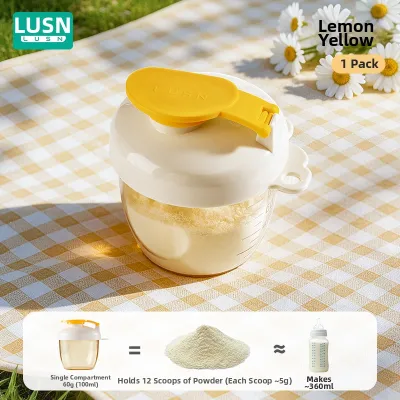
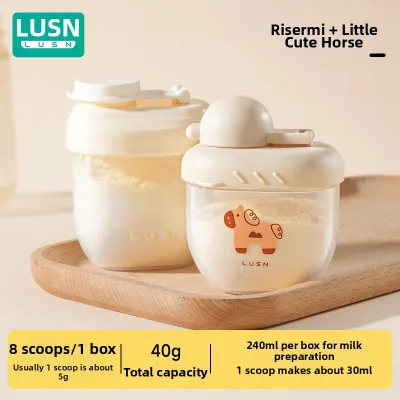
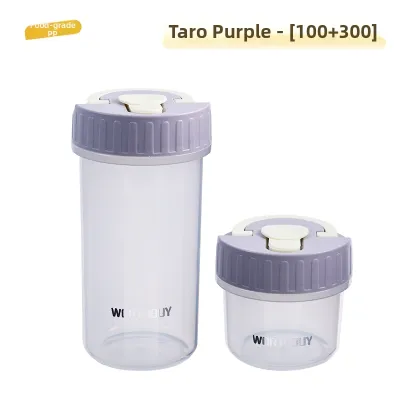
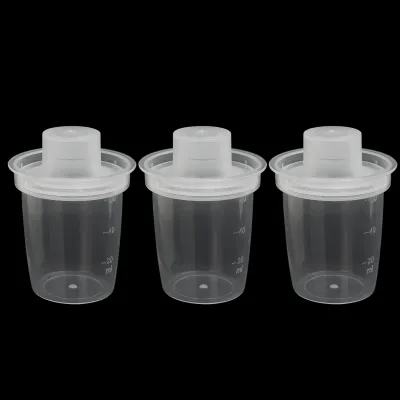
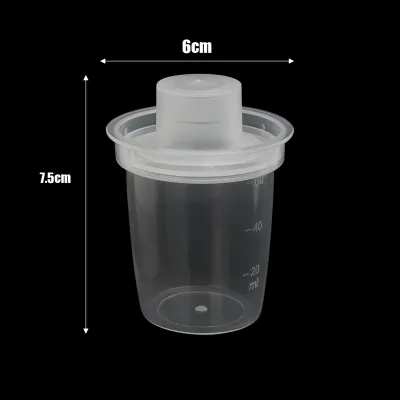
Prices are valid at publication and may change. Please refer to the product page for the latest price.
Using an insulated cooler bag packed with frozen gel ice packs can extend this storage window. Prepared formula stored in a sealed bottle and surrounded by ice packs can remain safe for up to four hours, provided the container is kept out of direct sunlight and the ice packs do not melt. If you can verify that the temperature inside the cooler bag remains consistently below 4°C, the formula can technically last longer, though verifying this precise temperature during transit is often impractical for parents.
The timeline changes dramatically once your baby begins feeding from the bottle. The moment your baby’s mouth touches the teat, saliva enters the bottle, introducing oral bacteria into the milk. These bacteria thrive in the warm, nutrient-rich formula, causing rapid spoilage. Consequently, you must discard any remaining formula within one hour from the start of a feed, regardless of the storage container or the environment.
These standard time limits apply specifically to regular cow’s milk-based infant formulas. Specialized formulas, such as hypoallergenic, hydrolyzed, or anti-reflux varieties, may have different stability profiles and spoil more quickly. Ready-to-feed liquid formulas also have distinct storage instructions once opened, meaning you must always check the manufacturer’s label for specific safety guidelines.
Understanding the Temperature Danger Zone and Bacterial Risks
Food safety experts define the “temperature danger zone” as the range between 4°C and 60°C. Within this temperature span, harmful bacteria can double in number every 20 minutes. Prepared formula sits squarely within this danger zone when kept at room temperature, making it a highly hospitable environment for pathogens.

Unlike breast milk, which contains live antibodies, white blood cells, and protective enzymes that actively inhibit bacterial growth, infant formula is a non-sterile product once reconstituted. It lacks these biological defense mechanisms, leaving it highly vulnerable to contamination. Pathogens such as Cronobacter sakazakii and Salmonella enterica can multiply rapidly in warm formula, posing severe health risks to infants, whose immune systems are still developing.
Singapore’s high humidity and ambient warmth accelerate this spoilage process. A diaper bag left in a warm car, placed on an outdoor bench, or exposed to direct sunlight can quickly reach temperatures well above 30°C. Under these conditions, the bacterial load in a prepared bottle can reach unsafe levels long before the standard two-hour limit expires.
Using portable bottle warmers to keep prepared milk lukewarm for extended periods is a common but risky practice. Keeping formula at a warm, incubation-ready temperature for hours creates an ideal breeding ground for pathogens. Warmers should only be used to heat a bottle immediately before feeding, rather than as a prolonged storage solution.
Step-by-Step Safe Storage Practices for Outings
To minimize risks, parents should adopt feeding strategies that limit the time formula spends in a liquid state. The following steps outline the safest methods for handling formula while away from home.
Method 1: The Dry Powder Separation Method (Recommended)
This is the safest and most practical method for outings, as it eliminates the risk of liquid formula spoiling over time.
- Measure the water: Fill a clean, sterilized baby bottle with the exact amount of cooled, boiled water needed for a feed.
- Measure the powder: Place the pre-measured amount of dry formula powder into a clean, dry portable formula dispenser.
- Keep them separate: Transport the water bottle and the powder dispenser separately in your diaper bag.
- Mix on demand: Combine the powder and water only when your baby is ready to feed, and use the mixture immediately.
Method 2: Transporting Pre-Mixed Formula
If you must mix the formula at home before leaving, follow these steps to maintain the cold chain.
- Prepare and cool: Mix the formula according to the manufacturer's instructions using safe water, then place the bottle immediately in the back of the refrigerator (kept at 4°C or below) for at least one hour to chill it completely.
- Pack the cooler bag: Transfer the chilled bottle directly from the refrigerator into an insulated cooler bag. Surround the bottle completely with frozen gel ice packs, ensuring direct contact with the cold source.
- Monitor the environment: Keep the cooler bag zipped closed as much as possible, and store it in the coolest available spot, away from direct sunlight, hot strollers, or vehicle trunks.
- Feed or discard: Use the chilled formula within four hours of leaving the home refrigerator, or discard it if the ice packs have melted.
Choosing Safe Portable Containers for Formula
Selecting the right gear is crucial for maintaining hygiene and temperature control. When shopping for portable milk storage equipment, prioritize materials and designs that minimize bacterial risks.
Material safety is the first consideration. Look for containers made from high-quality, BPA-free, food-grade plastics (such as polypropylene or PPSU), borosilicate glass, or 304/316 food-grade stainless steel. These materials do not leach chemicals into the milk and can withstand the high temperatures required for regular sterilization.
Sealing mechanisms must be completely airtight and leak-proof. A poor seal not only causes spills but also allows environmental contaminants, dust, and bacteria to enter the container. Inspect the silicone gaskets and lids regularly to ensure they remain intact, clean, and free of cracks or wear.
For parents who prefer to carry hot water for on-the-go mixing, a high-quality, double-walled vacuum-insulated flask is essential. These flasks are designed to keep boiled water above 60°C for several hours, which is warm enough to prepare formula safely while preventing the water from falling into the bacterial danger zone before mixing.
Ease of cleaning is another vital design feature. Choose bottles and storage containers with wide mouths and simple lid structures. Avoid complex valve systems, narrow straw attachments, or deep crevices that are difficult to reach with a bottle brush, as these areas easily accumulate milk residue and harbor mold or bacterial biofilms.
Recognizing Spoilage and Handling Accidental Consumption
Even with careful planning, formula can spoil. Parents must be able to identify the signs of bad milk and know how to respond if their baby consumes it.
Visual and olfactory checks are your first line of defense. Spoiled formula often develops a sour, rancid, or unusually metallic odor. Physically, it may exhibit curdling, clumping, or a distinct separation of liquid and solids that does not disappear when the bottle is gently swirled.
However, pathogenic bacterial growth is not always detectable by sight or smell. Formula contaminated with Cronobacter or Salmonella can look, smell, and taste completely normal. For this reason, you must rely on strict timekeeping rather than a sensory check; if a bottle has been left out past the safe time limits, throw it out immediately.
If your baby accidentally consumes formula that has been left out too long, monitor them closely for symptoms of foodborne illness. Observe their behavior over the next 24 to 48 hours, looking for signs of gastrointestinal distress or systemic infection.
Stop home monitoring and seek immediate medical attention from a qualified pediatrician or healthcare professional if your baby exhibits any of the following symptoms:
- Signs of dehydration, such as having no wet diapers for six hours or more, a dry mouth, crying without tears, or a sunken soft spot (fontanelle) on the head.
- Persistent, forceful vomiting or an inability to keep fluids down.
- Watery, frequent diarrhea, or any trace of blood or mucus in the stool.
- A high fever or an unusually low body temperature.
- Extreme lethargy, unusual sleepiness, or persistent, inconsolable crying.
Frequently Asked Questions (FAQ)
Can I reheat formula that has been in a portable container?
Reheating formula that has already been warmed or left at room temperature is not recommended. Heating the milk multiple times encourages rapid bacterial multiplication and can degrade the nutritional quality of the formula. Additionally, heat does not eliminate heat-stable toxins that bacteria may have already produced in the milk. If your baby does not finish a warmed bottle within one hour of starting, discard the remaining liquid.
Is it safe to store prepared formula in a thermos for a whole day?
Storing prepared, liquid infant formula in a thermos for a whole day is highly unsafe. While a vacuum thermos is excellent for keeping plain hot water hot or plain cold water cold, storing prepared milk inside it keeps the nutrients at a temperature that promotes rapid bacterial growth. A thermos of prepared formula will quickly enter the temperature danger zone, making it unsafe after two hours. Only use a thermos to store hot, boiled water separately, mixing it with dry powder immediately before feeding.
How do I clean portable milk containers to prevent bacteria buildup?
To prevent the buildup of harmful bacteria and biofilms, rinse all portable containers and bottle parts with cool water immediately after use to prevent milk proteins from sticking. Once home, wash them thoroughly in hot, soapy water using dedicated bottle and nipple brushes. Rinse the parts well, then sterilize them using a steam sterilizer, boiling water, or a UV sterilizer, strictly following the manufacturer’s instructions. Allow all components to air-dry completely on a clean rack before reassembling or storing them.
Community discussion
Share your experience or ask a question. Comments are reviewed before publication.