
Choosing a kids’ faucet extender requires balancing physical accessibility with strict safety standards to ensure your child can wash their hands independently without risk of injury or chemical exposure. A safe extender acts as a bridge, bringing the water stream closer to small hands so children do not have to stretch precariously over the sink basin. However, because these accessories remain in constant contact with running water and are handled daily by young children, parents must evaluate their material composition, structural integrity, and compatibility with existing bathroom fixtures before making a purchase.
In family bathrooms, fostering independence in daily hygiene routines is a major developmental milestone. While a faucet extender is a simple tool, its daily proximity to a child’s skin and mouth means that safety cannot be compromised. By understanding what features to look for, parents can select a durable, hygienic, and secure product that fits seamlessly into their home environment.
Essential Safety Features to Look For
Material safety is the primary consideration when selecting any product that comes into contact with water your child might ingest. Parents should carefully inspect product packaging and manufacturer specifications to verify that the extender is made from non-toxic, food-grade silicone or high-quality, BPA-free plastic. Because toddlers often touch the extender and then put their hands in their mouths, or even attempt to drink directly from the redirected water stream, ensuring the material does not leach harmful chemicals is a critical preventive step.
Products mentioned in this guide
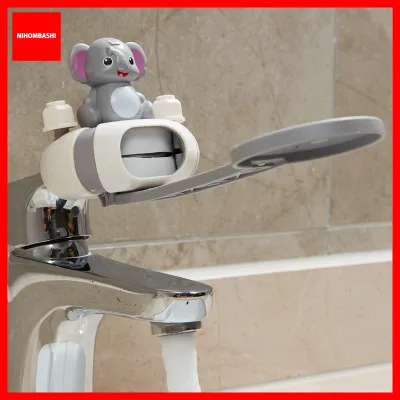
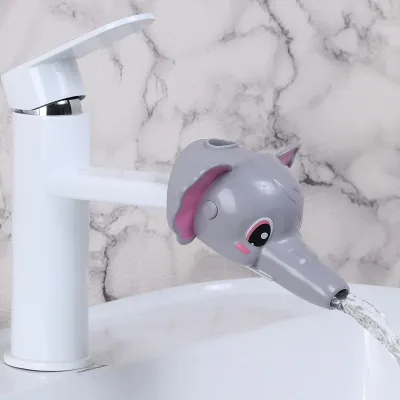
![[SG SELLER] [FREE SHIPPING] Children Kids Faucet Tap Extender Sink Wash Hands Guides Flow Of Water Nearer To Child](https://img.lazcdn.com/g/p/e087de8b9b1ded907e95266a02c5c5c0.jpg_400x400q80.jpg_.webp)
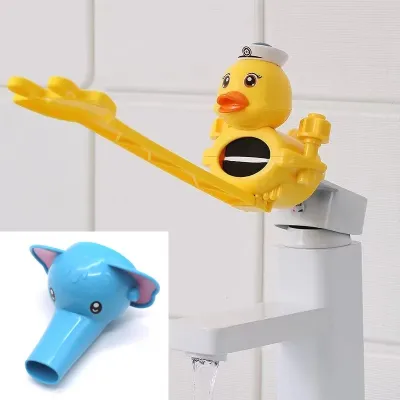
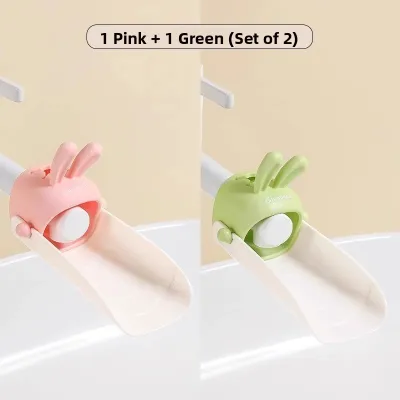
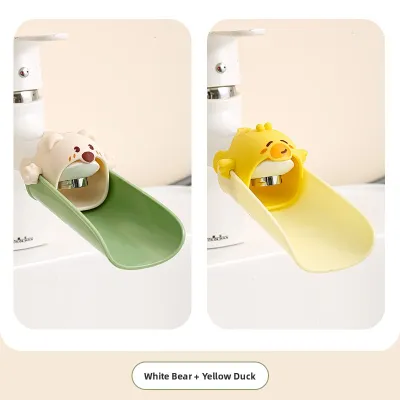
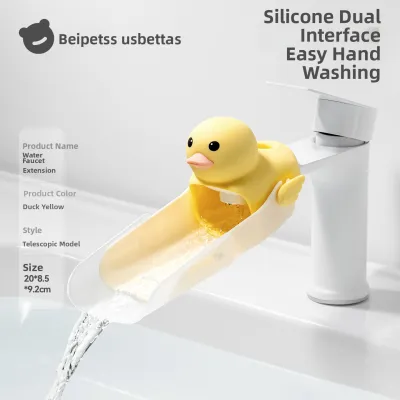
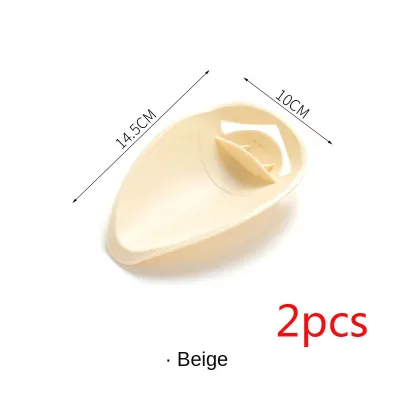
Prices are valid at publication and may change. Please refer to the product page for the latest price.
Choking hazard prevention is another vital aspect of physical safety. Many faucet extenders designed for children feature playful animal shapes, bright colors, or decorative elements to make handwashing appealing. However, parents must ensure that these designs do not include small, detachable parts, loose decorative caps, or fragile plastic components that could snap off under water pressure or be pried loose by curious fingers. A single-piece construction or a design with securely integrated parts is highly preferable to minimize these risks.
Additionally, the physical structure of the extender must be free of sharp edges, rough seams, or exposed metal parts. During manufacturing, plastic molding can sometimes leave behind thin, sharp ridges known as flashing. Parents should physically run their fingers along all edges and joints of the product before installation to ensure they are smooth and rounded. This simple check prevents accidental scratches or bumps when a child reaches quickly for the water stream or accidentally bumps their hands against the device.
Functional Designs for Independent Handwashing
The primary function of a faucet extender is to redirect the water flow so that a child can reach it without straining. Evaluating the water flow direction and angle is essential, as a fixed-angle extender may direct water too far forward, causing it to splash onto the floor, or too far back, failing to solve the reach issue. Look for designs that offer a gentle downward angle or adjustable positioning, allowing you to customize the water path based on your child’s height and the specific depth of your bathroom basin.

Flow control mechanisms can also enhance usability for slightly older children who are learning to manage the water flow themselves. Some extenders feature integrated dual-flow options or easy-to-grip levers that allow children to redirect the water from a standard downward stream to an upward-facing drinking fountain. If choosing a model with these features, verify that the moving parts are smooth, require minimal physical strength to operate, and do not pinch small fingers during transition.
Splash reduction is another key functional feature that directly impacts bathroom safety. High water pressure hitting a flat plastic surface can cause significant splashing, leading to wet, slippery bathroom tiles. In typical family bathrooms, wet floors present a major slipping hazard for young children. Selecting an extender with a built-in aerator or a curved, channel-like splash guard helps soften the water flow, keeping the water contained within the sink basin and ensuring the surrounding floor remains dry and safe.
Verifying Sink Compatibility and Secure Installation
Before purchasing a faucet extender, verifying compatibility with your existing bathroom fixtures is crucial to prevent installation failures. Faucets come in a wide variety of shapes, including standard round spouts, wide flat waterfall designs, square profiles, and gooseneck curves. Most manufacturers provide compatibility charts detailing which spout shapes their product can accommodate. A stretchable silicone sleeve, for example, may fit securely over a round spout but fail to grip a wide, flat modern faucet, leading to slips and leaks.
Comparing attachment mechanisms is essential for long-term stability. Flexible silicone sleeves are popular because they slip easily over the faucet spout, relying on the natural elasticity of the material to stay in place. While convenient, silicone can stretch out over time or slip when exposed to soapy water. Alternatively, some models utilize rigid plastic collars with threaded adapters or adjustable screw clamps. These mechanical attachments often provide a more secure, semi-permanent grip, though they require careful matching with the faucet’s thread size and shape.
To prevent the extender from suddenly detaching under high water pressure, look for models equipped with secure locking rings, anti-slip interior textures, or adjustable tightening straps. A sudden detachment can startle a child and cause water to spray uncontrollably across the bathroom. A secure, slip-resistant connection ensures that the extender remains firmly in place even when the tap is turned on at full force or when a child accidentally pulls down on the device.
Hygiene and Maintenance Considerations
In warm, humid environments, bathroom accessories are highly susceptible to mold, mildew, and bacterial biofilm buildup. A faucet extender that constantly traps moisture can quickly become a hygiene hazard. Therefore, selecting a design that is easy to disassemble and clean is vital for maintaining a healthy handwashing station. Parents should look for models that can be slipped off or unscrewed quickly without requiring specialized tools, encouraging regular maintenance.
Evaluating the physical structure for mold-resistant design elements can significantly reduce cleaning effort. Extenders with open-channel structures allow air to circulate freely, helping the material dry quickly between uses. Conversely, fully enclosed tubes or complex internal chambers tend to trap stagnant water, creating ideal conditions for mold growth. Look for products that feature drainage holes at the lowest point of the attachment sleeve to ensure excess water drains away completely after the tap is turned off.
Finally, check the manufacturer’s care instructions regarding heat tolerance and cleaning compatibility. Some high-quality silicone and plastic extenders are dishwasher safe, allowing for convenient, high-temperature sanitization. If machine washing is preferred, verify the maximum temperature limits specified by the manufacturer to prevent warping, cracking, or degrading the material’s structural integrity over time.
Pre-Purchase Evaluation Checklist
To ensure you select the most suitable faucet extender for your household, use this structured evaluation checklist before completing your purchase:
- Age and Physical Capability: Match the extender's reach and operational mechanism to your child's current developmental stage. Ensure they can reach the water stream comfortably without leaning their chest against the wet edge of the sink.
- Supervision Requirements: Remember that a faucet extender does not control water temperature. Active adult supervision remains necessary to prevent accidental scalding, especially if your water heater is set to a high temperature.
- Material and Safety Labels: Verify that the product is explicitly labeled as BPA-free and made from non-toxic, food-grade materials. Avoid products with small, glued-on decorative parts.
- Faucet Dimensions: Measure your faucet spout's width, height, and clearance from the back of the sink basin to ensure a proper fit with the extender's attachment sleeve.
- Return and Warranty Policies: Because compatibility can be highly specific, check the return policies of your local baby specialty store or online marketplace to ensure you can exchange the product if it does not fit your fixture securely.
Frequently Asked Questions (FAQ)
Can a faucet extender fit any type of bathroom sink?
No, faucet extenders are not universally compatible with all sink designs. While many stretchable silicone models can accommodate standard cylindrical or slightly oval spouts, they often fail to fit securely on unconventional fixtures. Square spouts, wide waterfall faucets, pull-out sprayers, and automatic motion-sensor faucets typically require specialized extenders or may not support them at all. Before purchasing, always measure your spout’s diameter, length, and the clearance space between the spout and the basin wall, then compare these measurements against the manufacturer’s compatibility guidelines.
How often should the faucet extender be cleaned?
To maintain proper hygiene, a faucet extender should undergo a visual inspection weekly and a thorough cleaning at least once every two weeks. In humid climates, mold, soap scum, and mineral deposits can accumulate rapidly inside the attachment sleeve and along the water channel. To clean the extender, remove it from the faucet and wash it thoroughly with warm water and mild dish soap, using a soft brush to reach into any crevices. Ensure the unit is completely dry before reattaching it to the faucet to prevent trapping moisture against the metal spout.
Community discussion
Share your experience or ask a question. Comments are reviewed before publication.