
When shopping for nursery furniture in Singapore, parents are often drawn to the versatility of an extendable baby bed. Designed to expand as your child grows from a newborn into a toddler, these convertible cribs offer a practical, long-term sleep solution. However, because extendable beds feature moving parts, adjustable frames, and changing dimensions, they present unique safety challenges that standard fixed cribs do not. Ensuring your chosen bed complies with recognized safety standards is the most critical step in protecting your infant from sleep-related hazards.
To find a safe extendable baby bed, you must look beyond aesthetic appeal and marketing claims. True safety compliance is verified through rigorous international testing standards, precise physical measurements, and careful inspection of the extension mechanisms. Because Singapore’s retail landscape includes a wide variety of imported nursery furniture, understanding how to identify certified products is essential. This guide will help you navigate international safety certifications, evaluate the structural integrity of extendable mechanisms, and verify brand compliance before making a purchase.
Understanding Recognized Safety Standards for Baby Cribs
Nursery furniture sold in Singapore is sourced globally, meaning you will encounter various international safety certifications on product labels. The most common and highly regarded standards include the European standard EN 716 (specifically EN 716-1 and EN 716-2), the United States standard ASTM F1169, and the joint Australian and New Zealand standard AS/NZS 2172. These standards establish strict guidelines for manufacturing, structural strength, and material safety to ensure the crib can withstand daily use without posing a risk to your child.
Products mentioned in this guide
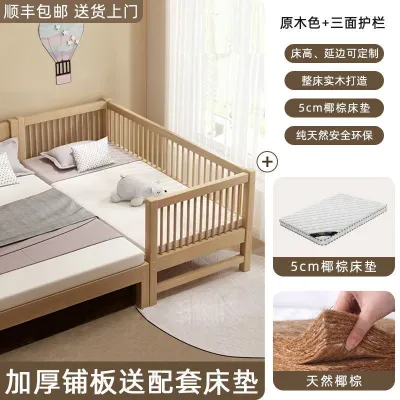
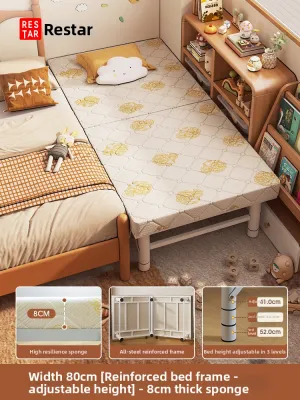
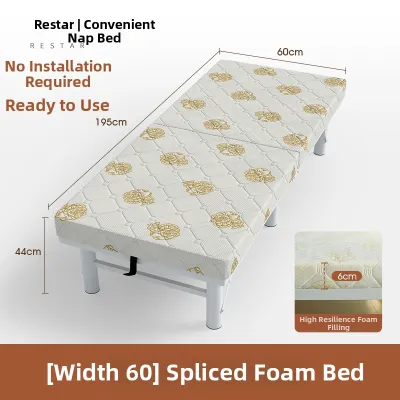
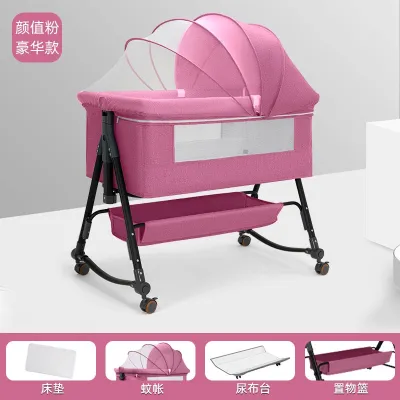
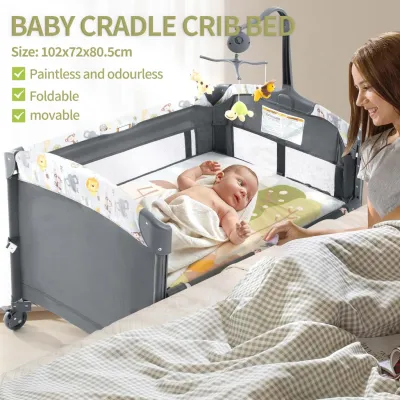
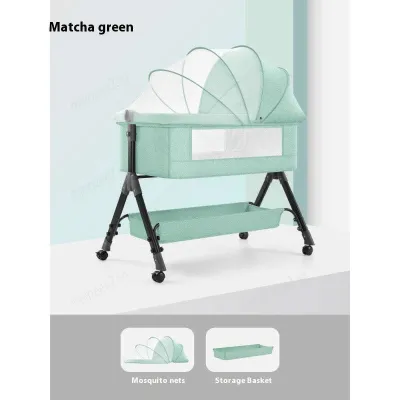
Prices are valid at publication and may change. Please refer to the product page for the latest price.
It is important to distinguish between mandatory legal requirements and voluntary safety certifications. While some countries enforce specific crib safety laws, many standards are voluntary guidelines that reputable manufacturers choose to meet to demonstrate their commitment to safety. In Singapore, consumer goods are overseen by Enterprise Singapore under the Consumer Protection (Safety Requirements) Registration Scheme, but specific nursery furniture safety often relies on compliance with the aforementioned international frameworks. When evaluating an extendable bed, always look for explicit mentions of these standards on the packaging or in the user manual.
Safety standards are not arbitrary; they directly address the physical dimensions and materials that prevent serious injuries. For example, slat spacing is heavily regulated to prevent a baby’s head, neck, or limbs from becoming trapped. Compliant cribs must have slat gaps of no less than 50 millimeters and no more than 60 millimeters. If the gaps are too narrow, a baby’s fingers or arms can get pinched; if they are too wide, there is a risk of head entrapment.
Additionally, structural integrity testing ensures that the bed frame can support the weight of an active child without collapsing or tipping over. This includes testing the strength of the mattress support base, the durability of the side rails, and the stability of the entire frame under dynamic loads. Non-toxic finishes are another critical component of these standards. Babies frequently chew on crib rails when teething, so safety certifications require that all paints, varnishes, and finishes are lead-free, phthalate-free, and emit low levels of volatile organic compounds. Look for certifications such as Greenguard Gold to verify that the materials used are safe for indoor air quality and direct contact.
Key Safety Checks for Extendable Mechanisms and Mattress Fit
Extendable baby beds rely on specialized hardware, sliding rails, or bolt-on extension panels to transition from a compact crib to a larger toddler bed. While these features offer excellent longevity, they introduce potential failure points that require careful inspection. Before purchasing or assembling an extendable bed, you must evaluate the locking mechanisms and moving parts to ensure they cannot be easily operated by a child or accidentally disengaged.

The locking mechanisms on any adjustable or extendable component must be robust and secure. When the bed is locked into a specific length, there should be absolutely no movement or wobbling along the joints. Look for dual-action locking systems or hardware that requires a tool to adjust, as these prevent older toddlers from tampering with the bed’s structure. Any moving parts, such as sliding tracks or folding hinges, must be designed to eliminate pinch points where small fingers could get caught during daily use or when the bed is being adjusted.
Mattress fit is another critical safety consideration that changes as the bed extends. A mattress that fits perfectly in the infant configuration may leave dangerous gaps when the bed is expanded to its maximum length. Gaps between the mattress and the inner frame of the bed pose a severe suffocation and entrapment hazard. To prevent this, the gap between the mattress and the sides or ends of the bed should never exceed 30 millimeters.
When extending the bed, you must use the manufacturer-approved mattress extension pieces or a dedicated extendable mattress designed specifically for that model. Never attempt to fill the empty space with standard pillows, folded blankets, or aftermarket foam inserts, as these soft materials can easily trap a baby’s face and restrict breathing. The mattress surface must remain firm, flat, and level across all extended sections, with no noticeable seams, ridges, or height differences between the main mattress and the extension pads.
Finally, you must inspect the overall stability of the frame and the condition of the hardware after every adjustment. Changing the size of the bed alters its center of gravity and puts stress on the connection points. Check that all bolts, screws, and dowels are tightly secured and that the frame does not creak or sway when pressure is applied. If you notice any persistent wobbling, cracked wood, or loose joints that cannot be tightened, stop using the bed immediately and consult a qualified furniture professional or the manufacturer for repair options.
How to Verify Brand Compliance and Avoid Unsafe Products
With numerous brands available in the Singapore market, verifying safety claims requires a systematic approach. Do not rely solely on promotional slogans or vague descriptions like “safety certified” or “eco-friendly.” Instead, take the time to locate and read the actual certification marks on the physical product, its packaging, and the official manufacturer manuals.
A compliant extendable baby bed will typically have a permanent label or stamp affixed directly to the frame, often on the underside of the mattress base or the inner side of a headboard. This label should clearly state the manufacturer’s name, the model number, the date of manufacture, and the specific safety standards it meets, such as EN 716 or ASTM F1169. If this information is missing from the physical product or the accompanying documentation, it is a major red flag that the bed may not have undergone independent safety testing.
Be cautious of unusually low pricing when shopping for extendable beds. High-quality, solid-wood extendable beds that meet international safety standards require rigorous testing and premium materials, which is reflected in their retail price. If you encounter an extendable bed priced significantly lower than the market average—such as under S$150 on unverified online platforms—it is highly likely that the manufacturer has cut corners on material quality, hardware durability, or safety compliance. Investing in a reputable, certified brand ensures that the materials are non-toxic and the structure is built to last.
Another common red flag is the absence of clear safety warnings and usage instructions. A compliant manufacturer will provide a detailed assembly manual that includes explicit age, weight, and height limits for each configuration of the bed. Always verify the age and weight limits from the specific product documentation before transitioning the bed to a new configuration, and never infer suitability from a product name alone. If the product documentation conflicts with the seller’s marketing materials, or if the manual lacks clear guidelines, you should avoid the product. If you have doubts about a brand’s compliance, contact their customer service department directly and ask for a copy of their safety test reports or certification documents.
Where to Buy Trustworthy Extendable Baby Beds in Singapore
Choosing where to buy your baby’s bed is just as important as selecting the product itself. Purchasing from specialized baby furniture showrooms and official brand stores in Singapore offers several distinct advantages. These physical retail spaces allow you to inspect the build quality firsthand, test the smoothness of the extension mechanisms, and verify the sturdiness of the frame before committing to a purchase.
Furthermore, established showrooms and official retailers employ knowledgeable staff who can explain the safety features, demonstrate the correct assembly process, and guide you on the appropriate mattress selection. These businesses are also more likely to comply with local consumer protection laws and maintain direct relationships with manufacturers, ensuring that the products they sell are authentic and fully certified.
In contrast, purchasing from unverified third-party sellers on general e-commerce platforms and online marketplaces carries significant risks. Many of these sellers import cheap, unbranded furniture that bypasses local safety inspections and lacks official certification. If a product is damaged during transit or arrives with missing hardware, you may find it difficult to obtain replacement parts or secure a refund from an overseas seller. Additionally, these products rarely come with valid manufacturer warranties or reliable after-sales support.
Before finalizing your purchase, ask the retailer essential questions to ensure a safe experience. Inquire about the manufacturer’s warranty coverage, specifically regarding the extendable hardware and structural joints. Ask if they offer professional assembly services; having a trained technician assemble the bed reduces the risk of errors that could compromise its safety. Finally, clarify their return policy for safety defects or missing components, ensuring you can easily exchange or return the bed if it does not meet your expectations upon delivery.
Frequently Asked Questions (FAQ)
Are second-hand extendable baby beds safe to use?
Using a second-hand extendable baby bed can be risky and requires extreme caution. Over time, wooden frames can warp, pre-drilled screw holes can strip, and critical hardware can become lost or damaged. Missing original bolts or using non-standard replacement screws can severely compromise the structural integrity of the extendable mechanism, leading to a risk of collapse. Furthermore, older models may not comply with current safety standards regarding slat spacing or non-toxic finishes.
If you are considering a used extendable bed, you must verify that the original assembly manual is included and that all original hardware is present. Check the manufacturer’s website or contact their customer service to ensure the model has not been recalled for safety defects. Inspect the bed thoroughly for any visible cracks in the wood, loose joints, or worn locking mechanisms. If the bed shows signs of structural wear, has missing parts, or lacks clear safety labels, it should be immediately discontinued.
Do extendable baby beds require a special mattress?
Yes, extendable baby beds almost always require a specialized mattress system to ensure a safe sleeping environment. Standard fixed-size mattresses are designed for specific, non-adjustable crib dimensions. If you attempt to use a standard mattress in an extended bed, you will likely end up with dangerous gaps at the head, foot, or sides of the frame, which pose a severe entrapment and suffocation hazard for young children.
To maintain safety, you must use the specific modular mattress system or extension pads recommended by the bed’s manufacturer. These systems typically consist of a primary mattress for the infant stage and matching extension pieces that zip or velcro securely to the main mattress when the bed is extended. Always verify that the mattress and its extensions fit snugly within the frame, leaving no gaps wider than 30 millimeters, and that the entire sleep surface remains firm, flat, and level to support your child’s developing spine.
Community discussion
Share your experience or ask a question. Comments are reviewed before publication.