
Selecting a baby mattress for a cot in Singapore requires prioritizing structural firmness over plush comfort. While adult bedding often emphasizes cushioning and pressure relief, an infant’s sleep environment demands a rigid, unyielding surface to support physical development and prevent sleep-related accidents. Navigating the local market involves evaluating international safety certifications, performing physical checks, and understanding how Singapore’s warm, humid climate affects mattress materials. Rather than relying on brand reputation alone, parents must verify specific safety indicators to ensure their chosen mattress provides a secure foundation for their baby. If you have specific concerns about your baby’s sleep safety, physical development, or respiratory health, always consult a pediatrician or qualified healthcare professional.
Why a Firm Surface is Non-Negotiable for Infant Safety
Infants spend up to 18 hours a day sleeping, making their cot mattress the most critical piece of furniture in the nursery. During the first year of life, a baby’s physical anatomy is highly vulnerable. Their skeletal system consists largely of soft cartilage that gradually ossifies into bone, requiring a flat, stable surface to support healthy spinal alignment. A mattress that is too soft can cause the heavier parts of the baby’s body, such as the head and torso, to sink unevenly, potentially leading to long-term postural issues or developmental delays.
Beyond physical development, the primary driver behind the firmness requirement is the mitigation of sudden infant death syndrome (SIDS) and accidental suffocation. Newborns lack the neck strength and motor skills to lift or turn their heads if they roll onto their stomachs. If a mattress surface is soft or conforms to the baby’s face, it can create a pocket that traps exhaled carbon dioxide. The baby then breathes in this stale air, leading to hypoxia. In worse scenarios, a soft surface can physically block the nose and mouth entirely, causing rapid airway obstruction.
Products mentioned in this guide
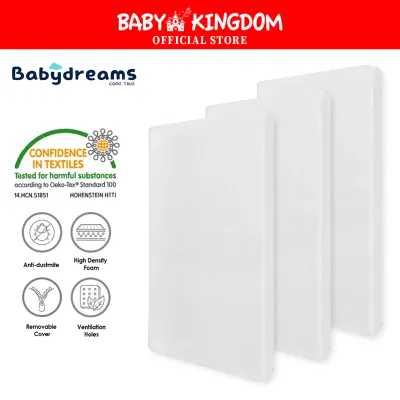
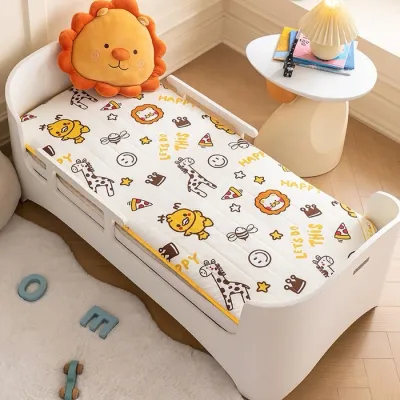
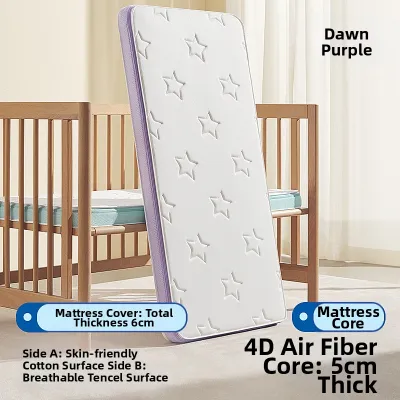
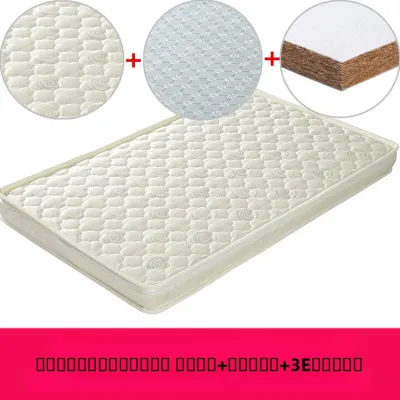
Prices are valid at publication and may change. Please refer to the product page for the latest price.
Parents often struggle with the transition from adult bedding preferences to infant safety requirements. It is natural to touch a firm baby mattress and worry that it feels too hard or uncomfortable for a newborn. However, infants do not experience comfort the same way adults do. They do not have the pressure points that make firm surfaces uncomfortable for larger, heavier adult bodies. For a baby, a firm, flat surface provides the necessary resistance to push against, which actually aids in developing their muscles as they learn to roll, crawl, and eventually stand.
Safety Standards and Labels to Verify Before Buying
When shopping for a baby mattress in Singapore, parents should look for specific international safety standards rather than relying on generic marketing claims. The most rigorous standard currently recognized for cot mattresses is the European standard EN 16890. This standard outlines specific safety requirements and test methods for cot mattresses, including a standardized test for firmness that uses a specific weight and template to measure surface indentation. Another key standard is the American ASTM F2933, which establishes safety performance specifications for crib mattresses to minimize hazards associated with design and materials.

These standards are typically printed on the permanent law label sewn into the mattress cover. Before purchasing, ask the retailer to show you the physical tag or provide a digital copy of the product manual. If a brand claims compliance but cannot produce the corresponding certification code or tag, treat the claim with caution. Legitimate manufacturers who invest in safety testing will always make these certifications transparently available to consumers.
In addition to structural safety standards, material certifications are essential for ensuring a non-toxic sleep environment. Look for the Oeko-Tex Standard 100 certification, which guarantees that the textiles used in the mattress cover and core have been tested for harmful levels of toxic chemicals, heavy metals, and flame retardants. For mattresses containing polyurethane foam, the CertiPUR-US certification ensures the foam is made without ozone depleters, mercury, lead, or formaldehyde, and has low volatile organic compound (VOC) emissions to protect indoor air quality.
To verify these claims, avoid relying solely on product descriptions on online marketplaces or third-party e-commerce platforms. Sellers on these platforms may use outdated information or apply certifications loosely across different product lines. Instead, take the certificate number provided by the brand and cross-reference it directly on the official Oeko-Tex or CertiPUR-US online databases. This extra step ensures that the certification is active, valid, and specifically covers the exact mattress model you plan to buy for your child.
Practical Tests to Check Mattress Firmness at Home
Even if a mattress carries the correct certifications, performing a few practical, physical tests at home or in a local showroom provides peace of mind. The most reliable quick assessment is the “hand press” test. Place the mattress on a flat, solid surface and press down firmly in the center with your open, flat palm. When you release the pressure, the mattress should instantly spring back to its original shape without leaving any temporary indentation or handprint. If the surface takes more than a second to recover, or if you can feel the underlying support structure easily, the mattress is too soft.
Another critical area to evaluate is edge support. Apply firm pressure along the outer edges and corners of the mattress. The edges should remain rigid and resist collapsing under pressure. Weak edge support is a common issue in lower-quality mattresses, and it poses a significant safety risk. If a baby rolls to the edge of the cot and the mattress sags, they can slide into the gap between the mattress and the cot frame, leading to entrapment or suffocation.
Verifying the physical fit of the mattress within your specific cot frame is equally important. This is done using the “two-finger” rule. Once the mattress is placed inside the cot, attempt to slide your index and middle fingers between the edge of the mattress and the inner wooden rails of the cot. If you can easily fit more than two fingers in this gap, the mattress is too small for the cot. A gap wider than this creates a dangerous space where a baby’s limbs, torso, or head could become trapped.
Finally, ensure the mattress lies completely flat without any bowing, warping, or unevenness. Over time, some materials can develop low points or valleys, especially if the mattress is stored improperly or exposed to moisture. A mattress with an uneven surface can cause a sleeping baby to roll involuntarily toward the lower sections, increasing the risk of them getting stuck against the side of the cot.
How to Evaluate and Shortlist Brands in Singapore
Establishing a structured framework helps narrow down the wide variety of baby mattress brands available in Singapore. Start by filtering brands based on their transparency regarding material sourcing and manufacturing locations. Reputable brands will clearly state what materials are used in the mattress core—whether it is natural latex, coconut coir, pocket springs, or high-density polyurethane foam. They should also provide clear documentation on how these materials behave under pressure and how they maintain their structural integrity over years of use.
Singapore’s tropical climate adds another layer of complexity to mattress selection. High humidity and warm temperatures can cause heat retention and moisture buildup, which not only makes the baby uncomfortable but also promotes the growth of mold, mildew, and dust mites. When evaluating brands, look for those that emphasize breathability through open-cell foam structures, natural fibers, or specialized 3D mesh covers that allow continuous airflow. A breathable mattress helps regulate the baby’s body temperature, reducing sweating and heat rash.
You will also need to decide between single-firmness and dual-firmness mattress designs. Single-firmness mattresses offer a uniform, extra-firm surface suitable from birth until the child transitions out of the cot. Dual-firmness mattresses, on the other hand, feature a highly rigid side for infants under 12 months and a slightly softer, more resilient side for toddlers. If you opt for a dual-firmness model, ensure that both sides are clearly and permanently labeled so that caregivers do not accidentally place a newborn on the softer toddler side.
Before making a final decision, engage directly with local retailers or brand representatives in Singapore. Ask specific questions about their warranty policies, particularly what level of sagging or material degradation is covered under the warranty. Inquire about their return policies if the mattress does not fit your cot frame perfectly upon delivery. Whether you are investing S$100 or S$400, a brand that offers robust local customer support and clear, written policies is generally more reliable than one sold exclusively through unverified online distributors.
Common Purchasing Mistakes That Compromise Cot Safety
One of the most common mistakes parents make is attempting to modify a firm mattress to make it feel softer. Adding aftermarket accessories like plush mattress toppers, padded mattress protectors, or thick sheepskin blankets completely compromises the safety of a firm mattress. These soft layers conform to the baby’s face, creating immediate suffocation hazards. The only items that should be on a baby’s mattress are a thin, waterproof mattress protector (if needed) and a tightly fitted sheet that wraps securely around the corners without bunching or slipping.
Another frequent error is purchasing or accepting a second-hand baby mattress. While it may seem like a practical way to manage nursery expenses, a used mattress carries hidden safety risks. Over time, the internal foam, springs, or natural fibers degrade, leading to localized sagging that may not be immediately visible to the naked eye. Furthermore, second-hand mattresses can harbor accumulated dust mites, pet dander, mold spores, and bacteria from previous diaper leaks or spit-ups, which can trigger respiratory issues or skin allergies in a newborn.
Parents are also easily misled by vague or confusing marketing terminology. Terms like “orthopedic,” “pediatrician-recommended,” or “memory foam” are often used to imply superior safety and comfort. However, traditional memory foam is highly contouring and heat-retentive, making it entirely unsuitable for infants. It molds to the baby’s body shape, making it difficult for them to turn over, and traps body heat, which can lead to overheating. Always prioritize verified safety standards and physical firmness tests over appealing marketing buzzwords.
Frequently Asked Questions (FAQ)
Can I use a soft mattress topper if the cot mattress feels too hard?
No, you should never add a soft mattress topper, padded protector, or any extra cushioning to a baby’s cot mattress. Doing so defeats the purpose of a firm safety mattress and introduces a significant risk of suffocation and SIDS. The mattress surface must remain firm and flat. To keep the sleep environment safe, use only a thin, waterproof mattress protector and a tightly fitted sheet designed specifically for the dimensions of your cot.
When should I flip a dual-firmness baby mattress to the softer side?
You should generally wait until your child is at least 12 months old and has achieved significant developmental milestones, such as sitting up, rolling over, and standing independently, before flipping a dual-firmness mattress to the toddler side. Always consult the specific manufacturer’s guidelines, as weight and age recommendations can vary. If your child is still sleeping in a cot and has not transitioned to a toddler bed, keeping the mattress on the firmer side is the safest choice.
How do I clean a baby cot mattress without damaging its firmness?
To maintain the structural integrity and firmness of a cot mattress, avoid soaking the core material with water or harsh chemical cleaners, which can degrade foam, rust springs, or cause natural fibers to rot. Instead, spot clean spills immediately using a damp cloth and a mild, baby-safe detergent. Allow the mattress to air dry completely in a well-ventilated area before putting the sheets back on. Using a removable, washable, and breathable waterproof mattress protector is the best way to prevent moisture from reaching the mattress core.

Community discussion
Share your experience or ask a question. Comments are reviewed before publication.