
As your baby transitions to standing up during bath time, transitioning to a standing shower baby routine brings new joys and practical challenges. Many parents in Singapore search for “HSA-certified” baby body washes to ensure absolute safety for daily use. However, a crucial first step is understanding that the Health Sciences Authority (HSA) does not issue safety certificates or approval seals for cosmetic products, including baby washes. Instead, these products are regulated through a notification system that places the responsibility of safety directly on the manufacturers and importers.
Selecting a safe daily body wash for a standing baby requires looking beyond marketing claims and understanding how local regulations, ingredient profiles, and physical bath safety intersect. When a baby stands in the shower, the dynamics of bathing change: water and soap run down the body more quickly, eyes are more exposed to dripping lather, and the risk of slipping increases. Therefore, finding a gentle, compliant formula involves verifying the product’s regulatory status, reading the ingredient label carefully, and choosing a low-lather, easy-to-rinse formulation.
Understanding HSA Regulations for Baby Bath Products
To navigate the baby care market in Singapore, caregivers must understand how local health authorities oversee bath products. The Health Sciences Authority (HSA) regulates baby body washes, shampoos, and lotions as cosmetic products. This regulation aligns with the ASEAN Cosmetic Directive, a regional framework designed to harmonise safety standards and labeling requirements across member states. Under this directive, cosmetic products do not undergo pre-market testing, evaluation, or approval by the HSA before they can be sold to the public.
Products mentioned in this guide
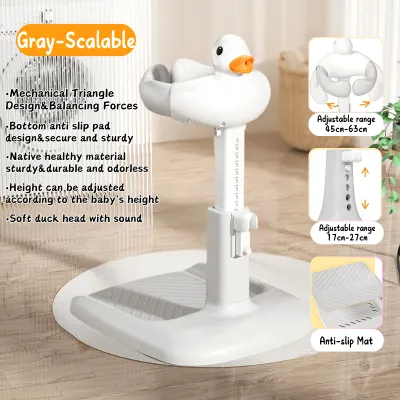
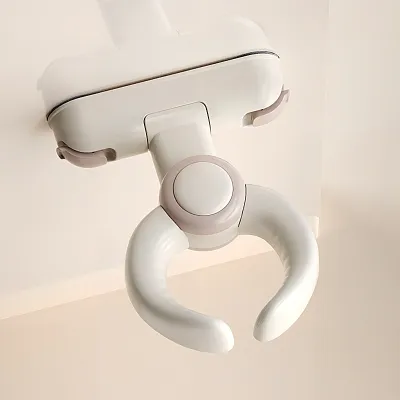
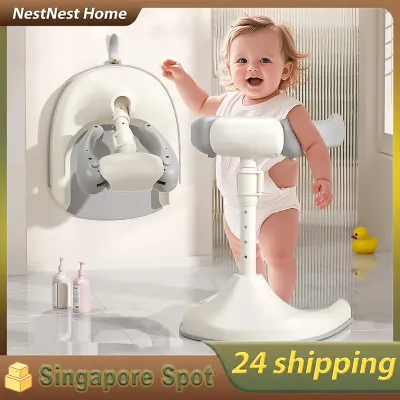
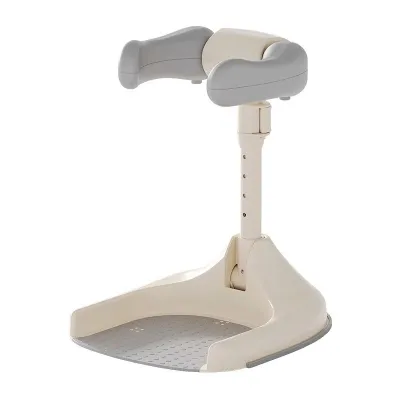
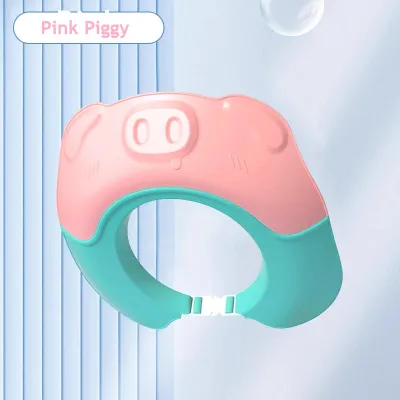
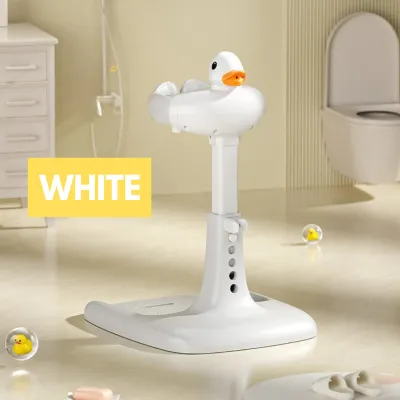
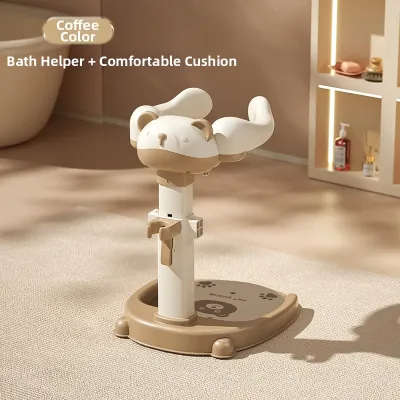
Prices are valid at publication and may change. Please refer to the product page for the latest price.
Instead of a pre-market approval seal, the regulatory framework relies on a Product Notification system. Before any baby wash can be imported, distributed, or sold locally, the responsible company—whether a local manufacturer, distributor, or importer—must submit a product notification to the HSA. This notification serves as an official declaration that the product complies with all safety requirements, contains only permitted ingredients within safe limits, and is manufactured under good manufacturing practices.
This system places the legal and ethical responsibility for product safety squarely on the company that places the product on the market. Importers and manufacturers must maintain a product information file containing safety assessments, ingredient specifications, and manufacturing records. The HSA monitors compliance through post-market surveillance, which includes regular product testing, market audits, and investigating adverse reaction reports. If a product is found to contain prohibited substances or cause harm, the HSA has the authority to order recalls, issue public alerts, and take legal action against the responsible company.
For parents, this means that looking for an “HSA-approved” logo on a bottle is a futile search, as no such official seal exists. Safety is instead assured by purchasing products from reputable, traceable local retailers who comply with the notification process. Buying from unauthorized online sellers or parallel importers who bypass the local notification system increases the risk of purchasing counterfeit, improperly stored, or non-compliant formulations that may not meet local safety standards.
How to Verify Product Safety and Compliance on the Label
Evaluating a baby wash for daily shower use begins with a close inspection of the product packaging. A compliant and safe cosmetic product sold in Singapore must display specific mandatory label elements. First, look for a complete ingredient list, typically formatted using the International Nomenclature of Cosmetic Ingredients (INCI) standards. This list must display ingredients in descending order of concentration, allowing you to identify exactly what is going into the formula.

Additionally, the label must clearly state the details of the local importer or distributor, including their company name and address. This information is vital because it identifies the legally responsible party in Singapore whom you or health authorities can contact in case of an issue. The packaging must also feature a batch or lot number and an expiry date or a “period after opening” symbol (such as an open jar icon indicating the number of months the product remains safe to use after opening). These details ensure traceability and product freshness.
When reading the ingredient list, caregivers should actively screen for common irritants that can disrupt a baby’s delicate skin barrier. Avoid products containing harsh sulfates, such as Sodium Lauryl Sulfate (SLS), which can strip natural oils and cause dryness. Strong synthetic fragrances and certain preservatives, such as formaldehyde-releasers or specific parabens, are also known sensitizers. For babies with extremely sensitive skin or conditions like eczema, choosing fragrance-free formulas is highly recommended, as even natural essential oils can trigger allergic reactions.
If you are uncertain about a product’s regulatory compliance or the legitimacy of its importer, you can verify its status. While the public cannot access every detail of the internal notification database, you can consult a pharmacist at a local retail pharmacy to verify if a brand is officially distributed in Singapore. If a product lacks English labeling, fails to list a local distributor, or has an obscured batch number, it is safest to avoid purchasing it and choose a fully transparent, compliant alternative.
Choosing the Right Formula for a Standing Baby's Shower
Transitioning to a standing shower changes how soap interacts with your baby’s body. In a traditional baby tub, the child is seated, and soap is applied and rinsed in a controlled, localized manner. In a standing shower, water flows continuously over the head and body, carrying soap suds downward. This makes choosing an easy-to-rinse, low-lather formula essential. High-foaming products can create a slippery film on the shower floor, increasing the risk of falls, and can easily run into the baby’s eyes, causing discomfort and resistance to bathing.
Tear-free claims are particularly valuable for a standing shower baby. These formulas are specifically designed with mild surfactants that have a larger molecular size, making them less likely to penetrate and irritate the sensitive ocular tissues. However, parents should remember that “tear-free” and “hypoallergenic” are marketing terms rather than standardized medical certifications. Always cross-reference these claims with the actual ingredient list to ensure the product does not contain hidden irritants or fragrances that contradict the gentle marketing message.
The ideal daily wash should also support the skin’s natural acidic pH, which typically ranges between 4.5 and 5.5. A pH-balanced formula helps maintain the acid mantle, a protective barrier that keeps moisture in and harmful bacteria out. Traditional bar soaps are often highly alkaline, which can dry out a baby’s skin and lead to irritation. Opting for a liquid wash or a syndet (synthetic detergent) bar formulated specifically for infants helps preserve this natural barrier during daily showers.
Physical safety measures in the shower must complement your choice of body wash. Even the most slip-resistant formula can become hazardous on wet tiles. Always place a high-quality, non-slip rubber mat inside the shower area where your baby stands. Keep the water temperature consistently warm—ideally between 37°C and 38°C—and ensure the shower head pressure is gentle so it does not startle the child. By combining a low-lather, easy-to-rinse wash with physical safety precautions, you create a secure and pleasant shower routine.
Monitoring Skin Health and Reporting Adverse Reactions
Even when using a compliant, gentle baby wash, every child’s skin is unique, and sensitivities can develop over time. Caregivers should regularly monitor their baby’s skin health, especially after introducing a new product or transitioning to daily standing showers. Look for early, observable signs of skin irritation or allergic contact dermatitis. These signs include localized redness, dry or flaky patches, rough skin texture, or unexpected rashes that appear shortly after bathing.
If you observe any signs of skin irritation, take immediate action to prevent further discomfort. Discontinue the use of the suspected body wash immediately and revert to washing the baby with plain, lukewarm water. Gently pat the skin dry with a soft towel instead of rubbing, and apply a mild, fragrance-free moisturizer to help restore the skin barrier. If the redness, itching, or rash persists for more than a few days, or if the skin shows signs of infection such as oozing or extreme tenderness, consult a pediatrician or a dermatologist for a professional assessment.
In Singapore, consumers and healthcare professionals play an active role in maintaining product safety through the national pharmacovigilance system. If your baby experiences a significant adverse reaction to a cosmetic product, you can report it directly to the HSA. The HSA website provides public reporting channels where you can submit details about the product, the symptoms observed, and the purchase location. These reports are crucial for post-market surveillance, as they help the authority identify problematic batches, detect emerging safety trends, and take necessary regulatory actions to protect the wider community.
Frequently Asked Questions (FAQ)
Do baby body washes need HSA approval before being sold?
No, baby body washes do not require pre-market approval or safety certification from the HSA before they can be sold in Singapore. Instead, the regulatory framework relies on a post-market control system. The local importer or manufacturer must submit a product notification to the HSA before placing the product on the market. This notification is a declaration of compliance with safety standards, and the HSA monitors the market through ongoing surveillance and testing to ensure continued safety.
Is it safe to use regular family body wash on a standing toddler?
It is generally not recommended to use standard family or adult body washes on a standing toddler. Adult formulas often contain stronger surfactants, higher concentrations of synthetic fragrances, and preservatives that can easily strip a toddler’s thin, developing skin barrier. This can lead to dryness, irritation, and increased sensitivity. If you wish to use a shared product, ensure it is specifically formulated and labeled as safe for the entire family, including infants, and verify that it is free from harsh sulfates and strong perfumes.

Community discussion
Share your experience or ask a question. Comments are reviewed before publication.