
Introducing new flavors to your baby’s diet is an exciting milestone, but when it comes to banana milk, parents in Singapore must navigate a market filled with highly sweetened commercial drinks. The short answer is that pre-packaged, flavored banana milks popular in local supermarkets are not suitable for babies or toddlers. These products contain high amounts of added sugar, artificial flavorings, and preservatives that do not align with early childhood nutritional needs.
Instead of buying commercial flavored drinks, parents can easily create safe, nutritious alternatives at home. For infants under 12 months, this involves mixing 100% organic banana purees with breastmilk or formula. For toddlers over one year, you can blend fresh, ripe bananas with pasteurized whole cow’s milk or fortified, unsweetened plant-based milks. Understanding how to evaluate ingredients and navigate local nutritional labeling is key to keeping your child safe and healthy.
Is Banana Milk Safe for Babies and Toddlers? Age & Safety Guidelines
During the first year of life, an infant’s digestive system is highly sensitive and still developing. Pediatric guidelines globally and in Singapore emphasize that babies under 12 months should not consume cow’s milk, plant-based milks, or flavored milks as a replacement for breastmilk or infant formula. Breastmilk or formula provides the precise balance of proteins, fats, iron, and vitamins necessary for rapid brain and physical development. Introducing other liquids as primary drinks can lead to nutritional deficiencies and put an unnecessary strain on your baby’s kidneys.
Products mentioned in this guide
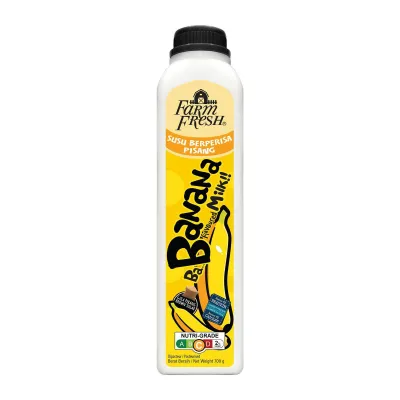
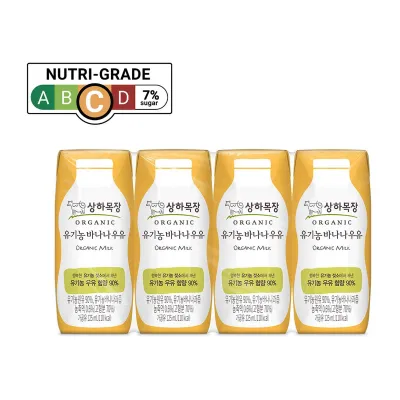
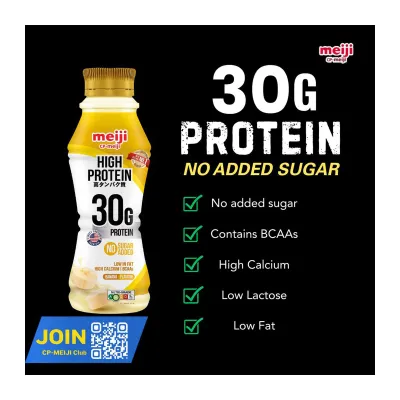
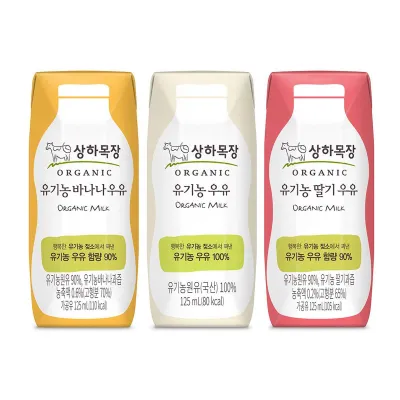
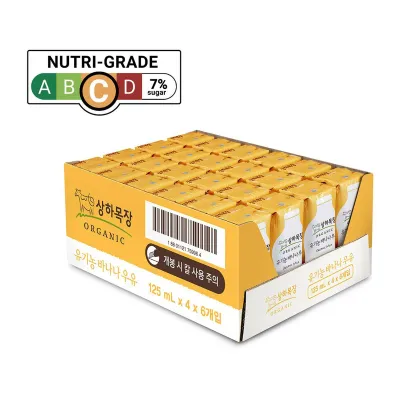
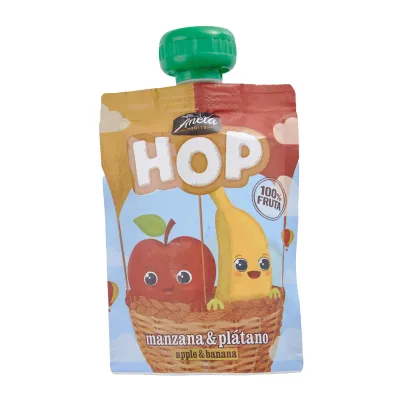
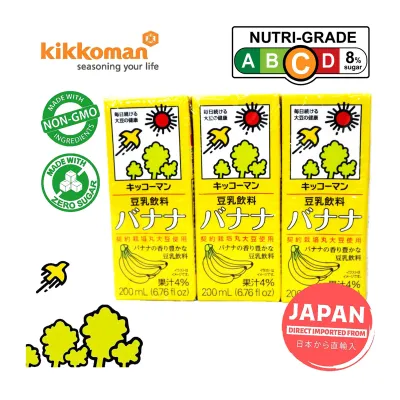
Prices are valid at publication and may change. Please refer to the product page for the latest price.
While liquid banana milk is off-limits for infants under one year, solid bananas are an excellent choice for babies starting transitional foods. Around six months of age, when your baby shows signs of developmental readiness, you can safely introduce smooth banana purees or thoroughly mashed fresh bananas. At this stage, the banana is consumed as a solid food rather than a beverage, which ensures it does not displace the essential milk feeds your baby relies on for hydration and primary nutrition.
For toddlers aged one year and older, the dietary rules expand. Toddlers can transition to drinking pasteurized whole cow’s milk or unsweetened, fortified plant-based beverages. However, commercial flavored banana milks remain unsuitable. The World Health Organization recommends avoiding any added sugars in the diets of children under two years old. Introducing highly sweetened beverages early in life can condition a child’s palate to prefer overly sweet flavors, potentially leading to a refusal of plain water and nutritious foods, alongside increasing the risk of early childhood dental caries.
Introducing any new food or drink carries a small risk of an allergic reaction. Cow’s milk protein allergy (CMPA) is one of the most common childhood food allergies, and bananas, while generally low-allergen, can occasionally cause sensitivities. If your child has a history of eczema, existing food allergies, or a family history of atopic conditions, it is highly recommended to consult a pediatrician before introducing new milk bases or fruit combinations.
When introducing banana-based foods or safe milk bases, monitor your child closely for at least three days without introducing other new foods. Watch for signs of intolerance or allergic reactions, which may include hives, red skin patches, swelling of the lips or face, vomiting, diarrhea, wheezing, or sudden nasal congestion. If you observe any of these symptoms, stop feeding the food immediately and seek medical advice. For severe reactions, such as difficulty breathing or extreme lethargy, seek emergency medical care immediately.
How to Choose Baby-Friendly Banana Milk: Key Selection Criteria
When shopping for ingredients to make homemade banana milk or evaluating toddler-friendly beverages in Singapore, parents must look past eye-catching packaging and marketing claims. The most critical step is reading the nutrition information panel and ingredient list carefully to ensure the product meets strict safety standards for young children.

Avoid Added Sugars and Artificial Sweeteners
A toddler-friendly milk base must contain zero added sugars, artificial sweeteners, chemical preservatives, or synthetic colorings. Many commercial products carry claims like “natural” or “made with real fruit,” yet their ingredient lists reveal added sucrose, fructose, high-fructose corn syrup, or fruit juice concentrates. Artificial sweeteners, including stevia, sucralose, and aspartame, should also be avoided, as their long-term effects on a toddler’s developing metabolic system and gut microbiome are not fully established.
Understand Singapore's Nutri-Grade System
Singapore’s Nutri-Grade system offers a quick, visual way to assess the sugar and saturated fat content of pre-packaged beverages. Ratings range from Grade A (lowest sugar and saturated fat) to Grade D (highest sugar and saturated fat). For toddlers, any milk base you purchase should ideally carry a Nutri-Grade A or B rating. Most commercial flavored banana milks carry a Grade C or D rating due to their high sugar content, making them immediately identifiable as unsuitable for regular toddler consumption.
Verify Calcium and Vitamin D Fortification
If you are choosing a plant-based milk base (such as oat, soy, or almond milk) for a toddler over 12 months, verification of nutrient fortification is essential. Plant-based milks naturally lack the calcium and vitamin D levels found in cow’s milk. Ensure the nutrition label explicitly states that the product is fortified with calcium (aiming for around 120mg per 100ml) and vitamin D. Without these added nutrients, plant milks cannot adequately support your toddler’s bone and dental development.
Check for Common Allergens
Always inspect the allergen declaration on the packaging. Plant-based milks are often processed in facilities that handle gluten, tree nuts, peanuts, or soy. If your child has known sensitivities, choose products certified as allergen-free or processed in dedicated allergen-safe facilities. Additionally, check the manufacturer’s suggested age range on any packaged products to ensure they align with your child’s current developmental stage.
Best Store-Bought Alternatives for Banana Milk in Singapore
Because dedicated, ready-to-drink “baby banana milk” products do not exist in Singapore supermarkets, parents should focus on purchasing high-quality, safe base ingredients. These bases can be combined with fresh bananas at home to create a nutritious drink or puree. These ingredients are widely available across Singapore in major supermarkets such as FairPrice, Cold Storage, Giant, and Sheng Siong, as well as local pharmacies.
Unsweetened Plant-Based Milks (For Blending)
For toddlers over 12 months, unsweetened, fortified plant-based milks serve as an excellent base for blending with fresh bananas. When browsing the dairy-free aisle, look for reputable brands that offer plain, unsweetened varieties.
- Oat Milk: Brands like Otis Oat Milk or Sanitarium So Good offer unsweetened, fortified oat milks that provide a naturally sweet, creamy texture without any added sugar.
- Soy Milk: Unsweetened, calcium-fortified soy milk (such as UFC Velvet or NutriSoy Unsweetened) is highly comparable to cow's milk in protein content, making it a robust option for growing toddlers.
- Almond Milk: Unsweetened almond milk is lower in calories and protein but can be used as an occasional light base, provided it is fully fortified with calcium.
Always verify that the label explicitly says “unsweetened” rather than “original,” as “original” flavors frequently contain added cane sugar. Keep in mind that plant-based milks are not suitable as a primary milk source for infants under 12 months and should only complement a balanced diet for toddlers under pediatric guidance.
Commercial Banana Purees and Pouches (For Younger Babies)
For infants aged six months and older, commercial baby food pouches provide a highly convenient and safe way to introduce banana flavors. Parents in Singapore can easily find organic baby food brands in local supermarkets and specialty baby stores.
- 100% Fruit Pouches: Brands such as Bellamy's Organic, Only Organic, and Rafferty's Garden offer pureed banana pouches. Check the ingredient list to ensure it contains only organic banana puree, with a touch of organic lemon juice concentrate to prevent browning.
- Zero Additives: Avoid pouches that list added water, cane sugar, corn starch, thickeners, or artificial preservatives. The consistency should be naturally smooth and derived solely from the fruit.
- Mixing with Breastmilk or Formula: To create a safe, liquid "banana milk" experience for babies under 12 months, express a small amount of breastmilk or prepare a portion of infant formula. Stir in one to two teaspoons of the 100% banana puree until fully incorporated. This allows your baby to enjoy the natural flavor of banana safely suspended in their familiar, nutrient-dense milk base.
Evaluating Popular Flavored Banana Milks: Are They Baby-Safe?
Commercial flavored banana milks, characterized by their bright yellow packaging and sweet aroma, are highly popular across Singapore. Brands like Binggrae, Meiji, and Magnolia are staple items in convenience stores and supermarkets. While these drinks are appealing to adults and older children, they are entirely unsuitable for babies and toddlers.
An analysis of the typical ingredient profile of these commercial flavored drinks reveals that they are primarily composed of reconstituted milk, water, significant amounts of refined white sugar, chemical stabilizers, emulsifiers, artificial banana flavorings, and synthetic yellow food dyes (such as Tartrazine or Yellow 5). A single 200ml carton of commercial banana milk can contain upwards of 15 to 20 grams of added sugar. This concentration of sugar far exceeds the dietary recommendations for young children and can contribute directly to rapid tooth decay, unhealthy weight gain, and metabolic stress.
Furthermore, the artificial colorings and intense synthetic flavorings used in these products can overstimulate a toddler’s sensory preferences. Regular exposure to highly concentrated artificial flavors makes natural, whole foods like plain milk and fresh fruit taste bland by comparison, leading to picky eating habits that are difficult to correct later in childhood.
To help visualize the differences between these options, the table below compares the nutritional value and safety profiles of different banana milk choices for toddlers:
Comparing Banana Milk Options for Toddlers
| Option Type | Added Sugar | Artificial Additives | Age Suitability | Nutritional Value |
|---|---|---|---|---|
| Homemade Blend (Fresh Banana + Whole Milk) | None (Only natural fruit sugars) | None | 12 months+ (6 months+ if using breastmilk/formula) | High: Rich in potassium, calcium, protein, and essential vitamins. |
| Unsweetened Plant Milk + Banana | None (Only natural fruit sugars) | None (If using pure unsweetened milk) | 12 months+ | Moderate to High: Depends on calcium and vitamin D fortification of the plant milk base. |
| Commercial Flavored Banana Milk | Very High (15g+ per serving) | High (Artificial flavors, synthetic colors, stabilizers) | Not suitable for babies/toddlers (3 years+ as rare treat) | Low: High empty calories from refined sugar with minimal real fruit benefits. |
Our clear editorial verdict is that commercial flavored banana milks should be avoided entirely for infants and toddlers under two years of age. For children older than three, these drinks should be treated strictly as an occasional dessert rather than a daily beverage. If you do choose to offer them to an older child, practice strict portion control by serving a small cup alongside a glass of plain water to rinse away residual sugars from their teeth.
How to Make Healthy Homemade Banana Milk for Your Toddler
Making your own banana milk at home is the safest, most cost-effective, and nutritionally superior way to introduce this flavor combination to your child. By preparing it yourself, you retain complete control over the quality of the ingredients and ensure that no hidden sugars or chemical preservatives enter your child’s diet.
Simple Toddler-Friendly Banana Milk Recipe
This simple recipe is designed for toddlers aged 12 months and older. It takes less than five minutes to prepare and uses natural ingredients readily available in Singapore.
- Ingredients:
- 1 medium-sized, very ripe banana (look for bananas with brown spots on the skin, as they are naturally sweeter and easier to digest).
- 1 cup (250ml) of pasteurized whole cow's milk or fortified, unsweetened plant-based milk (such as oat or soy milk).
- Equipment: A clean, sanitized kitchen blender.
- Instructions:
1. Peel the ripe banana and slice it into small, manageable rounds.
2. Place the banana slices and your chosen milk base into the blender jar.
3. Secure the lid and blend on high speed for approximately 45 to 60 seconds, or until the mixture is completely smooth and frothy.
4. Inspect the liquid carefully to ensure there are no remaining solid chunks of banana, which could present a choking hazard for young toddlers.
5. Pour the freshly blended milk into a toddler-safe straw cup or open cup and serve immediately.
Important Safety and Ingredient Tips
- Leverage Natural Sweetness: Do not add honey, maple syrup, brown sugar, or condensed milk to the blend. The natural sugars in a highly ripe banana provide more than enough sweetness to satisfy a toddler's palate.
- Strict Honey Warning: Never add honey to any food or beverage prepared for a baby under 12 months of age. Honey can contain dormant spores of the bacterium Clostridium botulinum. While harmless to older children and adults, these spores can germinate in an infant's immature digestive tract, producing toxins that cause infant botulism—a rare but life-threatening neurological illness.
- Storage and Oxidation: Freshly blended banana milk contains no chemical preservatives, meaning it will oxidize and turn a greyish-brown color quite rapidly when exposed to air. For the best taste, color, and nutritional value, serve the drink immediately after blending. If you must store it, pour the mixture into an airtight container and keep it in the refrigerator for a maximum of 24 hours. Always discard any leftovers that have sat at room temperature for more than two hours to prevent harmful bacterial growth.
Frequently Asked Questions (FAQ)
Can I give my 6-month-old baby banana milk?
No, you should not give liquid banana milk to a 6-month-old baby. At this developmental stage, your baby’s digestive system is designed to process only breastmilk or infant formula as their primary source of hydration and liquid nutrition. Introducing other liquids can interfere with their milk intake and cause nutritional imbalances. However, you can safely introduce fresh, thoroughly mashed banana or a 100% organic banana puree as a solid food starting around six months of age.
Is banana milk a good substitute for cow's milk or formula?
No, banana milk—whether made at home or purchased from a store—is not a suitable substitute for breastmilk, infant formula, or plain whole cow’s milk. While homemade banana milk is a healthy snack, it does not contain the precise, balanced ratio of proteins, fats, and essential micronutrients required to serve as a primary milk source. Replacing your child’s main milk feeds with banana milk can lead to nutritional deficiencies and excessive sugar intake from the fruit.
What should I do if my toddler gets a rash after drinking banana milk?
If your toddler develops a rash, hives, swelling, vomiting, or diarrhea after consuming banana milk, stop serving it immediately. The reaction could be caused by a cow’s milk protein allergy, a sensitivity to bananas, or a reaction to an additive if you used a commercial brand. Monitor your child closely, and consult a pediatrician or medical professional promptly to obtain an accurate diagnosis and receive personalized guidance on managing potential food allergies.
Community discussion
Share your experience or ask a question. Comments are reviewed before publication.