
When looking for a safe baby bubble bath in Singapore, parents often search for “HSA-certified” products to guarantee safety. However, a common misconception is that the Health Sciences Authority (HSA) issues a physical certification stamp or approval seal for cosmetic items. In reality, the HSA does not “certify” or “approve” baby cosmetics before they hit the shelves. Instead, the regulatory framework requires all local importers and manufacturers to submit a product notification to the HSA before selling any cosmetic product, including any baby bubble solution.
This distinction is vital for parents to understand. A notified product means the local distributor has declared compliance with safety standards, allowing the HSA to track the product and take swift action if safety issues arise. To ensure your infant’s bath time is both fun and safe, you must know how to navigate this notification system, recognize safe formulations, and identify genuine products in the local market.
Understanding HSA Regulations for Baby Bath Products
In Singapore, baby bath products and bubble solutions are regulated as cosmetic products under the Health Products Act and the Health Products (Cosmetic Products – ASEAN Cosmetic Directive) Regulations. Under this framework, cosmetics do not undergo the same rigorous pre-market testing and registration as prescription medicines or medical devices. Instead, the responsibility for safety lies directly with the company that registers and sells the product locally.
Products mentioned in this guide
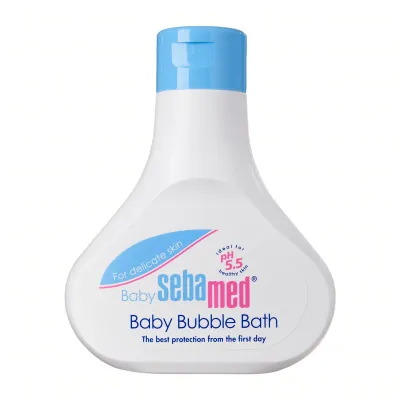
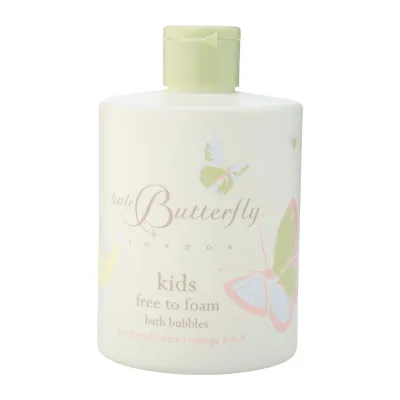
Prices are valid at publication and may change. Please refer to the product page for the latest price.
Before any baby bubble solution can be sold in Singapore, the local company must submit a cosmetic product notification to the HSA. This notification process requires the company to declare that the product complies with all guidelines of the ASEAN Cosmetic Directive. These guidelines specify which ingredients are prohibited, which are restricted to certain concentrations, and which preservatives or colorants are permitted for infant use.
While standard baby washes are formulated for quick application and immediate rinsing, bubble bath solutions require much closer scrutiny. A bubble bath involves pouring a concentrated solution into running water, creating a soapy pool where your baby sits for an extended period. This prolonged skin contact means that any chemical irritants, strong fragrances, or harsh foaming agents present in the water have more time to penetrate and disrupt the delicate infant skin barrier.
Furthermore, the physical action of bubbles can strip away the natural lipids that protect a baby’s skin. Because of this extended exposure, the safety standards and ingredient profiles of bubble solutions must be held to a higher standard than products designed for a quick rinse. Understanding how these products are regulated is the first step in protecting your child from unnecessary chemical exposure.
How to Verify HSA Compliance and Product Safety
Parents can actively verify whether a baby bubble solution has been officially notified to the HSA before making a purchase. The HSA maintains a public, searchable database called the Class II Cosmetic Product Notification register, accessible through the official HSA website. By entering the product name, brand, or the name of the local importer into this database, you can confirm if the product has been legally declared for sale in Singapore.

When examining a product in a physical store or online, the packaging serves as your primary source of safety information. A legally compliant cosmetic product in Singapore must display specific mandatory information in English. This includes the full ingredient list, the country of manufacture, the batch number, the expiry date (or a period-after-opening symbol), and the name and address of the local importer or distributor.
The presence of a local distributor’s details on the packaging is one of the most reliable indicators of safety. This information ensures there is a legally responsible entity based in Singapore that the HSA can contact or hold accountable if a batch is found to be contaminated or if consumers report adverse skin reactions. If a product lacks this local contact information, it may have been brought into the country through unauthorized parallel import channels.
Several red flags on packaging should prompt you to put a product back on the shelf. Be highly suspicious of bubble solutions that lack English labeling or have stickers covering the original ingredient list. Missing batch numbers or expiry dates are also major warning signs, as they make it impossible to track the product during a safety recall. If an online seller cannot verify the local importer details, it is best to avoid purchasing that specific bottle.
Key Safety Criteria for Choosing Baby Bubble Baths
An infant’s skin is up to 30% thinner than adult skin, making it highly sensitive to chemical irritants and prone to rapid moisture loss. When selecting a baby bubble solution, the ingredient list is your most important tool. You should actively avoid products containing harsh sulfates, such as Sodium Lauryl Sulfate (SLS) and Sodium Laureth Sulfate (SLES). These surfactants are highly effective at creating large, long-lasting bubbles, but they are notorious for stripping the skin of its natural oils and causing severe dryness.
Preservatives are necessary in water-based bubble solutions to prevent the growth of harmful bacteria and mold, but certain preservatives are too harsh for babies. Avoid products containing parabens, formaldehyde-releasing preservatives (such as DMDM hydantoin or imidazolidinyl urea), and methylisothiazolinone (MI). These chemicals are known contact allergens that can trigger painful rashes and skin sensitization in young children.
Fragrance is another major concern for infant skincare. While a scented bath may seem appealing, synthetic fragrances are among the leading causes of allergic contact dermatitis and eczema flare-ups in children. Opt for fragrance-free formulations, or those that use extremely mild, natural extracts that are specifically formulated not to irritate sensitive skin. Always check that the product is labeled as “pH-balanced” or “pH 5.5” to match the natural acidity of your baby’s skin barrier.
Additionally, ensure the bubble solution is clearly labeled as “tear-free.” Tear-free formulas are crafted using non-ionic surfactants that do not sting or irritate the sensitive mucous membranes of a baby’s eyes if soapy water splashes during play. While terms like “hypoallergenic” or “dermatologically tested” indicate that the manufacturer has performed basic safety evaluations, they are not standardized regulatory terms. You should always cross-reference these marketing claims with the actual ingredient list to ensure no hidden irritants are present.
Where to Buy Authentic and Compliant Baby Bath Products
To guarantee that the baby bubble solution you purchase is genuine, safe, and properly notified to the HSA, you should buy exclusively from authorized retail channels. Established physical pharmacies, official brand stores on reputable e-commerce platforms, and major local supermarkets maintain strict quality control measures. These retailers source their inventory directly from authorized local distributors who manage the official HSA notification process.
Buying from unauthorized third-party sellers, parallel importers, or unverified cross-border online listings carries significant risks. These products may be counterfeit, expired, or formulated differently for markets with less stringent safety regulations. Furthermore, improper storage during transit can compromise product safety. Singapore’s high ambient temperatures and humidity can cause natural preservatives to break down rapidly, leading to bacterial contamination inside the bottle before you even open it.
While a cheap, unverified bottle from an online marketplace might save you a few dollars, investing S$15 to S$30 in a verified, HSA-notified baby bubble solution from an authorized retailer ensures peace of mind. When your purchase is delivered or purchased in-store, perform a quick physical inspection. Check that the safety seal is completely intact, the packaging is clean and undamaged, and the expiry date provides ample time for safe use.
If you notice any signs of leaking, a broken seal, or a strange odor when opening the bottle, do not use the product. Return it to the retailer immediately. By purchasing through authorized local channels, you retain consumer protection rights and have a clear path of recourse if the product fails to meet safety standards.
Frequently Asked Questions (FAQ)
At what age is it safe to introduce bubble baths to babies?
It is generally recommended to avoid introducing bubble baths during the first six months of a baby’s life. During this newborn phase, the skin barrier is still developing, and the protective acid mantle is highly vulnerable to disruption. Bathing with plain lukewarm water or a very mild, non-foaming wash is sufficient to keep a newborn clean.
Once your baby is at least one year old, their skin barrier is more resilient, making it safer to introduce a gentle bubble solution. However, you should always consult your pediatrician before introducing any foaming bath products, especially if your child has a family history of eczema, asthma, or highly sensitive skin. If you notice any redness, dry patches, or itching after the first use, discontinue the bubble bath immediately.
How often should babies use bubble bath solutions?
Bubble baths should be treated as an occasional treat rather than a daily bathing routine. To prevent skin dryness and irritation, limit bubble play to once or twice a week, and keep the total bath duration under 10 minutes. Sitting in soapy water for too long can strip the skin of its natural protective oils, leading to irritation.
On non-bubble bath days, stick to quick washes with plain water or a gentle, non-foaming baby cleanser. After any bubble bath, it is crucial to rinse your baby thoroughly with clean, fresh water to remove any lingering soap residue from their skin. Immediately follow up with a generous application of a baby-safe, fragrance-free moisturizer to lock in hydration and support the skin’s natural barrier.
Community discussion
Share your experience or ask a question. Comments are reviewed before publication.