
Preparing a bath for an infant requires careful attention to detail, as babies have highly sensitive skin that reacts quickly to temperature extremes. While adults often enjoy hot, steaming showers, a baby’s skin can easily scald in water that feels comfortable to an adult. To ensure a safe and comfortable experience, caregivers must understand how to measure water temperature accurately and establish a reliable bathing routine.
Using a dedicated bath thermometer is the most reliable way to verify that the water is safe before placing your baby in the tub. Relying solely on physical touch, such as testing the water with a wrist or elbow, is highly subjective and can lead to inaccurate assessments. By combining a high-quality thermometer with proper water-mixing techniques, you can create a secure environment that protects your child from thermal injuries and chilling.
Understanding the Ideal Bath Water Temperature for Infants
To maintain safety during bath time, caregivers should consult current guidelines from authoritative pediatric associations or local health authorities to verify the exact recommended temperature range for infants. Generally, health organizations suggest keeping baby bath water warm and close to body temperature, typically between 37°C and 38°C. Because guidelines can vary slightly depending on regional health advisory updates, checking with your pediatrician ensures you are following the most current safety standards.
Products mentioned in this guide
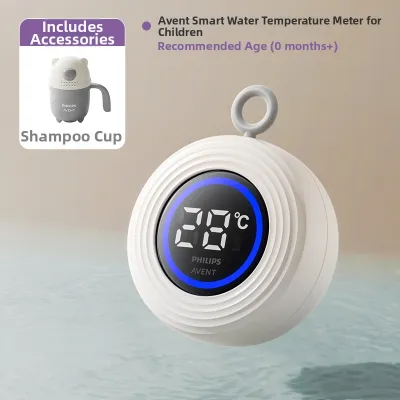
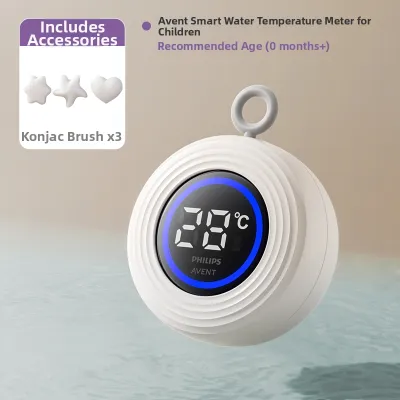
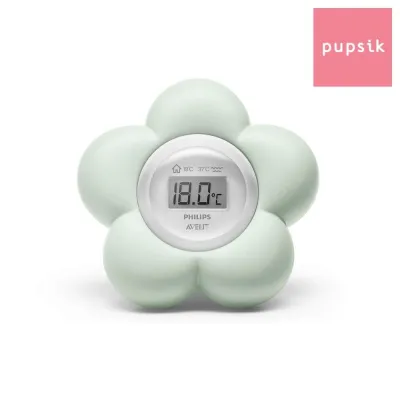
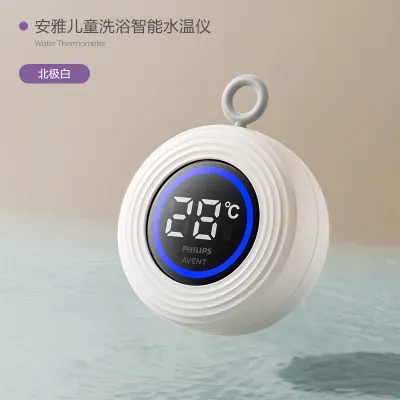
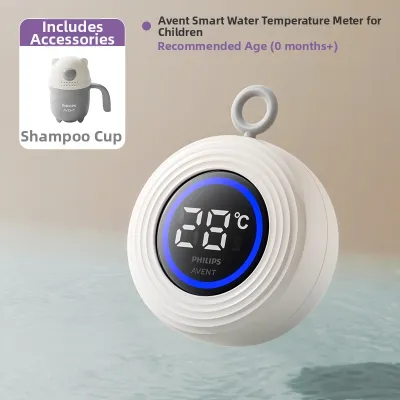
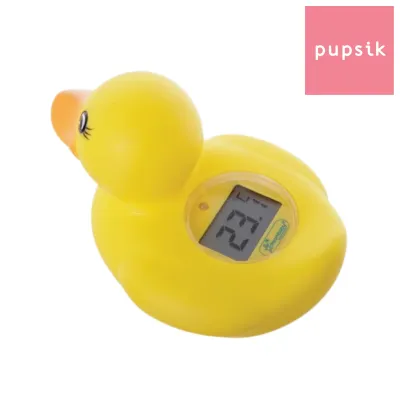
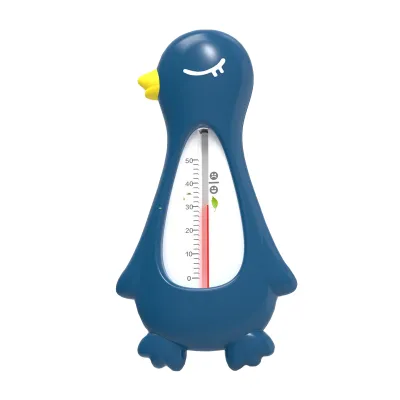
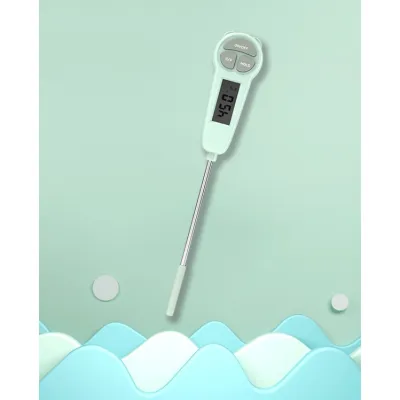
Prices are valid at publication and may change. Please refer to the product page for the latest price.
An infant’s skin is significantly thinner and more delicate than adult skin, making babies highly vulnerable to rapid thermal injuries. In fact, a baby’s skin can burn up to five times faster than an adult’s at the same water temperature. This vulnerability is due to a thinner outer skin layer (the epidermis) and a less developed skin barrier, which allows heat to penetrate deeper and more rapidly into the tissue.
In addition to monitoring the water temperature, caregivers must consider the ambient room temperature to prevent the baby from catching a chill. The bathing room should be kept comfortably warm, ideally between 22°C and 24°C, especially in air-conditioned homes or during cooler seasons. Because infants have a large surface-area-to-mass ratio, they lose body heat rapidly through evaporation as soon as they are removed from the water. Keeping the room warm minimizes this rapid temperature drop and ensures a transition from the tub to the towel that is free from shivering.
How to Use a Bath Thermometer Correctly
Selecting the right bath thermometer is the first step toward consistent temperature monitoring. Caregivers can choose from several common types, including digital floating thermometers, infrared non-contact thermometers, and bath toy hybrids. Digital floating models remain in the water throughout the bath, providing continuous real-time readings. Infrared thermometers measure surface temperature quickly but may not capture the temperature of the deeper water layers. Toy hybrids combine a digital sensor with a playful shape, such as a duck or a turtle, keeping the baby entertained while monitoring safety.

To obtain an accurate reading, place the bath thermometer directly into the water after mixing. Ensure the sensor, which is usually located on the bottom or back of the device, is fully submerged in the water. Wait for the digital display to stabilize completely before reading the temperature; this process typically takes between ten and thirty seconds depending on the model. Avoid taking a reading immediately after pouring hot or cold water, as the sensor needs time to adjust to the blended temperature.
Maintaining your bath thermometer is essential for long-term accuracy and safety. Regularly check the battery compartment to ensure the waterproof silicone seal remains intact, preventing water from leaking into the electronics or battery acid from seeping into the bathwater. Periodically verify the thermometer’s accuracy by comparing its reading with another household thermometer in a cup of lukewarm water. If you notice a sluggish response, a fading digital display, or moisture trapped inside the screen, replace the device immediately to avoid relying on faulty readings.
Step-by-Step Guide to Preparing a Safe Baby Bath
Creating a safe bath environment requires a systematic approach to mixing and testing the water. Always follow the “cold water first, then hot” rule when filling the baby tub. By starting with cold water and gradually adding hot water, you prevent the bottom of the tub from absorbing and retaining intense heat. This method also eliminates the risk of accidental scalding if your baby makes sudden contact with the water stream or the tub surface during the filling process.
Once the tub is filled to the desired level, stir the water thoroughly using your hand or a clean plastic scoop. Water from the tap can easily separate into distinct thermal layers, leaving dangerous pockets of hot water hidden beneath a cooler surface. Swirling the water vigorously ensures an even, consistent temperature throughout the entire depth of the tub, allowing your thermometer to capture a true representation of the overall heat level.
After stirring, submerge your bath thermometer in multiple areas of the tub, checking both the shallow and deep ends. While you should always use the thermometer as your primary safety tool, you can use the traditional wrist or elbow test as a quick secondary check. Dip your elbow into the water to confirm it feels comfortably warm, not hot. Never rely on this physical test as your sole measurement tool, as adult skin can be desensitized by daily activities, making it an unreliable gauge for an infant’s delicate skin.
Recognizing and Responding to Bath Water Risks
If your bath thermometer indicates that the water temperature has exceeded the safe range, you must take immediate steps to cool it down safely. Never add cold water directly to the tub while your baby is already in the water, as this can cause sudden temperature fluctuations and startle the child. Instead, keep the baby in a safe, dry location, add cold water to the tub, stir thoroughly, and re-measure the temperature with your thermometer until it falls within the recommended range.
In the event of a minor thermal injury or scald, immediate and calm action is required. Place the affected area under cool, gently running tap water for at least ten to twenty minutes to stop the burning process and soothe the skin. Do not use ice, ice water, butter, toothpaste, or heavy ointments, as these can trap heat in the tissue and worsen the injury. Cover the area loosely with a clean, non-stick sterile bandage, and consult a healthcare professional immediately. If the skin blisters, appears charred, or if the burn covers a large portion of the body, seek emergency medical attention without delay.
Conversely, water that is too cold can cause rapid chilling or mild hypothermia. Watch your baby closely for physical signs of distress, such as shivering, pale or blue-tinted lips, cold hands and feet, or unusual lethargy and quietness. If you observe any of these signs, remove the baby from the water immediately. Wrap them in a warm, dry towel, hold them close to your body for skin-to-skin warmth, and dress them in dry, warm clothing. If the baby does not recover their normal skin color and active demeanor quickly, contact your pediatrician.
Essential Bathroom Safety Checks Beyond Temperature
While water temperature is a primary concern, comprehensive bathroom safety requires addressing physical and environmental hazards. Prevent slips and falls by placing textured, non-slip silicone mats both inside the baby tub and on the bathroom floor where you stand. Use an infant bath support or a specialized baby tub designed for your child’s current weight and developmental stage. Always maintain a secure, two-handed hold on your baby when moving them in and out of the water, as wet skin is highly slippery.
Continuous visual and physical supervision is the single most important rule of baby bath safety. Never leave your infant unattended in or near the water, even for a fraction of a second. Drowning can occur silently and rapidly in as little as two centimeters of water. Ignore phone calls, text messages, and doorbells during bath time; if you absolutely must leave the bathroom to attend to an emergency, wrap your baby in a towel and take them with you.
Finally, secure the surrounding environment by keeping potential hazards completely out of your baby’s reach. Unplug all electrical appliances, such as hairdryers and straighteners, and store them far from the water source. Keep hot water dispensers, household cleaning products, medications, and concentrated bath additives locked away in high cabinets. By maintaining a clear, hazard-free space, you can focus your full attention on keeping your baby safe, comfortable, and happy throughout their bath.
Frequently Asked Questions (FAQ)
Can I rely solely on my wrist or elbow to check the water temperature?
No, you should not rely solely on your wrist or elbow to verify bath water safety. Adult skin is significantly thicker than infant skin and is often desensitized by regular exposure to hot beverages, dishwashing, and warm showers. What feels comfortably warm to your elbow could be hot enough to cause a painful scald on a baby’s highly sensitive skin. A digital bath thermometer provides an objective, precise measurement that eliminates human error and ensures the water is truly safe.
How often should I replace my baby's bath thermometer?
You should inspect your baby’s bath thermometer weekly and replace it if you observe any signs of wear or inaccuracy. Generally, a high-quality digital thermometer can last for one to two years with proper care. However, you must replace the device immediately if you notice water leaking into the battery compartment, a cracked outer casing, a fading digital display, or if the temperature readings take unusually long to stabilize. Regular battery replacements according to the manufacturer’s instructions will help maintain consistent performance.
What should I do if my bath thermometer breaks in the tub?
If a bath thermometer breaks while in the tub, immediately lift your baby out of the water and place them in a safe, dry location. Drain the bathwater completely and inspect your baby’s skin for any signs of irritation, cuts, or battery fluid contact. Carefully clean the empty tub, removing any broken plastic, glass, or electronic debris. Wash the tub thoroughly with mild soap and rinse it completely before using it again. Dispose of the damaged thermometer safely according to your local electronic waste guidelines.
Community discussion
Share your experience or ask a question. Comments are reviewed before publication.