
Weaning is a monumental milestone in your child’s first year, marking the transition from an all-milk diet to a world of diverse textures, flavors, and nutrients. For parents in Singapore looking to navigate this journey with high-quality, organic options, Rudolf’s baby food products offer a convenient and nutritious solution. However, selecting the right product requires looking beyond the age recommendation on the packaging. To safely match Rudolf’s baby food products to each weaning stage, you must carefully align the food’s texture, consistency, and ingredients with your baby’s physical readiness, oral motor skills, and evolving nutritional needs.
Every baby develops at their own unique pace, meaning that chronological age is only a general guideline. Introducing solid foods too early or progressing through textures too quickly can lead to feeding challenges, nutritional gaps, or safety risks. By understanding the developmental milestones associated with each weaning stage and knowing how to evaluate commercial baby food labels, you can confidently guide your little one through a successful and enjoyable transition to solid foods.
Understanding Weaning Stages and Readiness Signs
Before introducing any commercial baby food products, it is essential to understand the general pediatric framework that defines the weaning process. Weaning is typically divided into three distinct stages, each characterized by specific developmental milestones and dietary goals. Stage 1, which usually begins around six months of age, focuses on introducing the concept of eating from a spoon and experiencing single, mild flavors. Stage 2, occurring around seven to eight months, transitions the baby toward thicker consistencies and combined flavors. Stage 3, spanning from nine to twelve months and beyond, prepares the baby for family-style meals by introducing chunkier textures and encouraging self-feeding.
Products mentioned in this guide
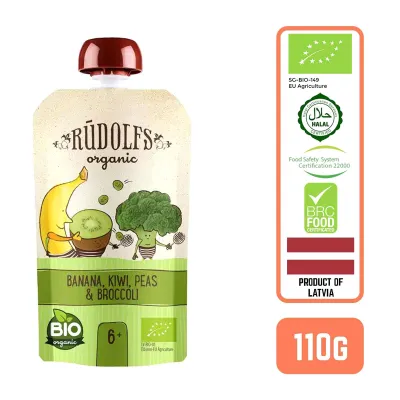
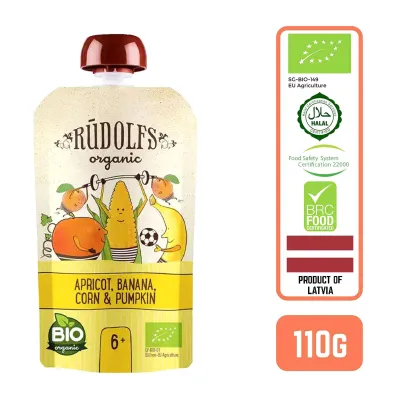
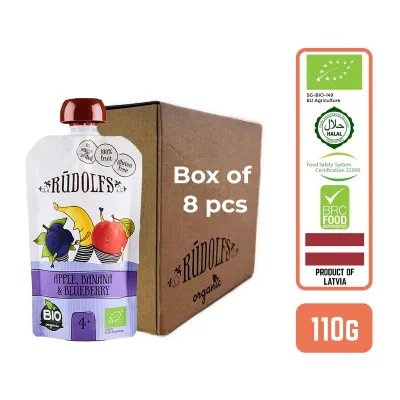
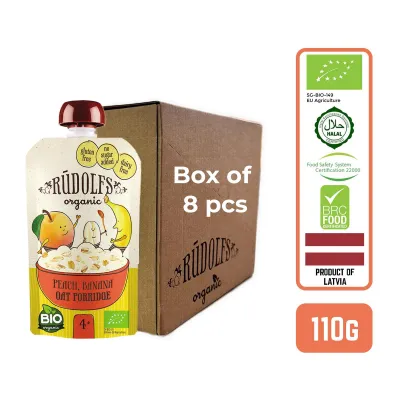
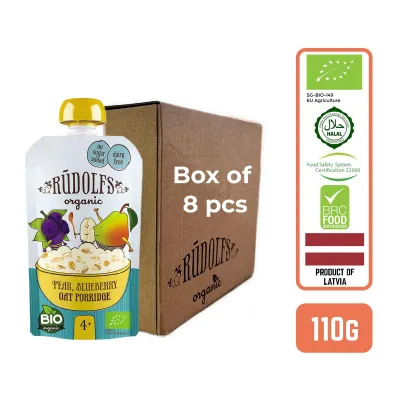
Prices are valid at publication and may change. Please refer to the product page for the latest price.
Recognizing physical readiness signs is the most reliable way to determine when your baby is ready to start solids. Your baby should be able to sit upright in a high chair with minimal support and maintain good, steady control of their head and neck. Another crucial sign is the loss of the tongue-thrust reflex, an involuntary response where babies push solid objects out of their mouths with their tongues. If your baby still exhibits this reflex, they are not yet physically prepared to swallow solid food safely. Additionally, look for behavioral cues, such as your baby watching you eat with intense interest, reaching for food on your plate, or opening their mouth when a spoon is brought near.
During the early stages of weaning, it is vital to remember that breastmilk or infant formula remains your baby’s primary source of nutrition. Solid foods at this point are complementary, designed to introduce new sensory experiences rather than replace milk feeds. As you begin to explore Rudolf’s baby food options, your primary task is to match the product’s texture and nutritional profile with your baby’s current physical abilities. Always prioritize your baby’s observed developmental readiness over the age printed on the package.
Stage 1 (Around 6 Months): Smooth Textures and First Tastes
When your baby shows all the necessary readiness signs, you can begin Stage 1 of the weaning journey. At this initial phase, your baby’s digestive system and oral motor skills are still highly immature. The primary goal is to introduce the sensation of swallowing something other than liquid. Consequently, the food must have an ultra-smooth, runny, and completely pureed consistency. Any lumps or thick textures at this stage can cause gagging or distress, as your baby is still learning how to move food from the front of their mouth to the back to swallow safely.

To begin, look for Rudolf’s baby food products that are explicitly labeled for “6 months+” or designated as Stage 1 options. These products are specifically formulated to offer the smooth, velvety texture required for beginners. The brand’s Stage 1 range typically includes single-ingredient fruit and vegetable purees, such as organic pumpkin, carrot, apple, or pear. Starting with single-ingredient options is highly recommended because it allows your baby to experience the true, unmasked flavor of individual foods while keeping the digestive process simple.
Introducing only one new ingredient at a time is a fundamental safety practice during Stage 1. When you offer a new Rudolf’s puree, serve it exclusively for three to five days before introducing another new ingredient. This systematic approach makes it much easier to monitor your baby for any potential allergic reactions or food intolerances. Keep a close watch for symptoms such as skin rashes, hives, swelling around the face or mouth, vomiting, diarrhea, or unusual irritability. If you observe any of these signs, stop feeding the food immediately and seek medical advice.
Always read the manufacturer’s label on every Rudolf’s jar or pouch before serving. Pay close attention to the age recommendations, texture descriptions, and specific preparation instructions. Some purees may need to be stirred thoroughly or warmed slightly to achieve the ideal consistency. If your baby struggles to swallow the puree, spits it out continuously, or shows signs of distress during feeding, do not force them to eat. Weaning should be a positive, pressure-free experience. If these difficulties persist, pause the solid food introduction for a week or two and consult your pediatrician for professional guidance.
Stage 2 (Around 7-8 Months): Mashed Textures and New Flavors
As your baby approaches seven to eight months of age, their oral motor skills will begin to mature significantly. You will notice that they start to move their tongue in an up-and-down motion, which allows them to mash soft food against the roof of their mouth. They will also begin to show better control over their swallowing. Once your baby has successfully mastered smooth purees and can swallow them without hesitation, they are ready to transition to Stage 2, which introduces thicker, mashed textures and more complex flavor combinations.
For this stage, look for Rudolf’s baby food products marked for “7 months+”, “8 months+”, or categorized as Stage 2. These products offer a thicker, slightly textured consistency that encourages your baby to practice their early chewing motions. Rudolf’s Stage 2 options often feature multi-ingredient blends, combining different fruits, vegetables, and grains. This variety not only expands your baby’s palate but also helps them accept a wider range of food textures, which is crucial for preventing picky eating habits later on.
As babies reach this stage, they also become much more physically active—rolling, sitting independently, and perhaps beginning to crawl. This increase in activity, combined with the natural depletion of the iron stores they were born with, means their nutritional needs are changing rapidly. During Stage 2, there is a growing demand for iron-rich and energy-dense foods to support healthy brain development and physical growth. Look for Rudolf’s blends that incorporate ingredients like oats, quinoa, or mild proteins to help meet these nutritional requirements.
When transitioning to these thicker textures, it is common to observe your baby’s gag reflex. Gagging is a normal, protective mechanism that prevents large pieces of food from entering the airway. It is important not to confuse gagging with choking; gagging is typically noisy and involves coughing or sputtering, whereas choking is silent and dangerous. To ensure safety, active adult supervision is mandatory during every single feeding session. Always inspect the product label for specific texture warnings, and ensure you are serving the food at a safe, comfortable temperature.
Stage 3 (Around 9-12 Months): Chunkier Foods and Self-Feeding
By the time your baby reaches nine to twelve months of age, they are entering Stage 3 of the weaning process. At this point, their fine motor skills are developing rapidly, and they will likely begin to use the “pincer grasp”—the ability to pick up small objects using their thumb and index finger. Their jaw strength is also increasing, and they may have a few teeth emerging, though teeth are not strictly necessary for chewing soft foods. Stage 3 is all about preparing your baby for family meals by introducing chunkier textures, soft lumps, and opportunities for independent eating.
To support this developmental phase, select Rudolf’s baby food products labeled “9 months+”, “10 months+”, “12 months+”, or categorized under “Stage 3” or “Junior”. These products are formulated with soft, small chunks of fruits, vegetables, or grains embedded in a thicker puree. This texture requires your baby to actively chew their food before swallowing, which helps strengthen their jaw muscles and promotes proper oral-motor development. It also encourages hand-eye coordination as they begin to practice feeding themselves with a spoon or their fingers.
These textured products serve as an excellent bridge to family-style eating. However, because every baby’s chewing ability varies, you must always verify that the texture is appropriate for your individual child. Before serving a Stage 3 Rudolf’s product, check the consistency yourself. If the lumps seem too firm or too large for your baby’s current chewing skills, do not hesitate to modify the food. You can use a fork to mash the chunks further, or cut any larger pieces into smaller, more manageable bites to ensure your baby can manage them safely.
While Stage 3 encourages texture progression, safety remains the highest priority. Even if a product is labeled for older babies, you must avoid offering any hard, round, or highly sticky textures that pose a severe choking hazard. For example, ensure that any added ingredients are soft enough to be easily mashed between your thumb and forefinger. Never leave your baby unattended while they are eating, and continue to provide a calm, distraction-free environment for meals to minimize the risk of choking.
Essential Label Checks for Rudolf's Baby Food Products
Navigating the baby food aisle can be overwhelming, but learning how to read commercial baby food labels systematically will empower you to make the safest and most nutritious choices for your baby. Do not rely solely on the marketing claims on the front of the packaging. Instead, turn the product over and perform a thorough check of the label before making a purchase or feeding your child.
Your first checkpoint is the stated age or month suitability. Ensure this recommendation aligns with your baby’s current developmental stage and oral motor abilities. Next, examine the ingredient list in detail. Ingredients are listed in descending order by weight, so the first few items should be whole, nutritious foods like fruits, vegetables, grains, or meats. Look closely for any added sugars, salt, artificial preservatives, or unnecessary thickeners and fillers. High-quality baby food, like Rudolf’s organic range, should ideally contain only the primary food ingredients and water if necessary for consistency.
Another critical step is checking the allergen declarations. If your baby has a known food allergy, a family history of allergies, or is currently being monitored for sensitivities, cross-reference the ingredient list meticulously. Look for warnings about potential cross-contamination, such as “may contain traces of gluten” or “processed in a facility that handles dairy.” This is especially important when introducing multi-ingredient blends, as a single undeclared allergen can trigger a serious reaction.
Finally, always inspect the physical integrity of the packaging. For Rudolf’s products packaged in glass jars, verify that the safety button on the lid is concave (pressed down). When you open the jar, you should hear a distinct “pop” sound, which confirms that the vacuum seal was intact and the food has been preserved safely. For products in pouches, check the entire package for any signs of leaking, punctures, or bloating. A bloated pouch indicates bacterial contamination, and the product must be discarded immediately. If you ever find that a product’s label instructions conflict with your baby’s physical abilities, or if you are unsure about an ingredient, stop and consult your pediatrician or a registered dietitian.
Frequently Asked Questions (FAQ)
Can I mix Rudolf's baby food with breastmilk or formula?
Yes, mixing a small amount of breastmilk or infant formula into Rudolf’s baby food purees is a highly effective way to help your baby transition to solids. The familiar taste of your baby’s usual milk can make a new flavor or texture much more acceptable to them during the early stages of weaning. It is also an excellent method for thinning out a puree if you find the consistency is slightly too thick for your beginner. However, you must always check the specific preparation instructions on the Rudolf’s product label first. To maintain strict food safety, any mixture of baby food and milk must be consumed immediately, and any leftovers must be discarded to prevent the growth of harmful bacteria.
How long can I keep an opened jar or pouch of Rudolf's baby food?
Once a jar or pouch of Rudolf’s baby food has been opened, it is exposed to air and bacteria from the environment, which limits its shelf life. In Singapore’s warm and humid climate, food safety is especially critical. You must refrigerate any opened baby food immediately. Generally, opened commercial baby food jars or pouches can be safely stored in the refrigerator for 24 to 48 hours. Always verify the exact storage instructions and discard-by timelines printed on the specific product label, as some formulations may have shorter storage limits. If you feed your baby directly from the jar or pouch, their saliva will introduce bacteria into the food; in this case, any remaining food must be discarded immediately after the meal.
What should I do if my baby rejects a specific Rudolf's puree?
Food rejection is an entirely normal and expected part of the weaning journey. Babies are naturally cautious about new flavors and textures, a trait known as neophobia. It can take anywhere from 10 to 15 separate exposures to a new food before a baby learns to accept and enjoy it. If your baby rejects a specific Rudolf’s puree, do not force them to eat it, as this can create negative associations with feeding. Instead, remain patient and offer the food again on a different day when your baby is relaxed and happy. You can also try serving a very small amount alongside a familiar, well-liked puree. If your baby consistently rejects multiple foods, shows signs of extreme distress during meals, or if you have concerns about their weight gain, consult your pediatrician for professional guidance.
Community discussion
Share your experience or ask a question. Comments are reviewed before publication.