
Choosing between Rototobebe and Ergobaby baby carriers depends on your specific ergonomic priorities, your baby’s developmental stage, and how you plan to distribute weight across your body. While both brands design carriers to support a baby’s natural posture, they approach parent comfort and adjustability differently. Ergobaby is widely recognized for its structured, highly adjustable multi-position carriers, whereas Rototobebe often emphasizes lightweight, simplified designs that cater to quick transitions and specific regional preferences. To find the best fit, parents must evaluate how each model supports the baby’s hips, distributes weight across the shoulders and lower back, and adapts to daily routines.
Evaluating Hip-Healthy Design and Baby Positioning
When selecting a baby carrier, the primary safety and developmental consideration is how well it supports your baby’s hips and spine. Pediatric osteopaths and orthopedic organizations emphasize the importance of the “M” position, where the baby’s hips are bent, the knees are spread apart, and the knees are positioned slightly higher than or level with the hips. This positioning reduces the risk of hip dysplasia by ensuring the thigh bone sits securely in the hip socket. When comparing Rototobebe and Ergobaby, you must inspect the seat design of the specific models you are considering. Look for adjustable seat widths that can be customized as your baby grows. A seat that is too narrow will allow the baby’s legs to dangle straight down, placing undue stress on the hip joints, while a seat that is too wide can force the baby’s knees into an unnatural stretch.
Spinal alignment is another critical factor. A newborn’s spine naturally curves in a gentle “C” shape. The carrier’s back panel should be soft yet supportive enough to maintain this natural curve without forcing the spine into an unnaturally straight position. As your baby develops head control and spinal strength, the carrier should adapt to support a more upright posture. When researching, check if the specific model offers adjustable panel heights or integrated neck support pillows that can be buttoned up or folded down depending on your baby’s age.
Products mentioned in this guide
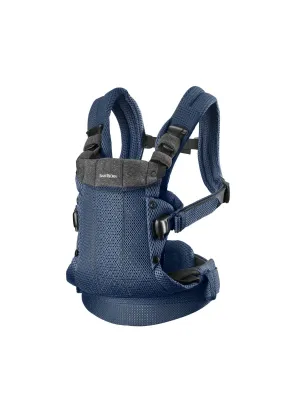
![[10 Yr Local Warranty] BabyBjorn Move 3D Mesh Baby Carrier - 5 Color](https://img.lazcdn.com/g/p/802dd18e83643b7f8c7abeac0680ce08.jpg_400x400q80.jpg_.webp)
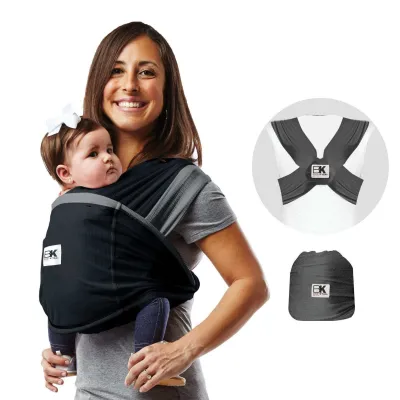
![[1 Year Warranty] Baby Ktan Original Baby Carrier - 4 Designs](https://img.lazcdn.com/g/p/1cb2f4095f9453247067131af6a2576e.jpg_400x400q80.jpg_.webp)
Prices are valid at publication and may change. Please refer to the product page for the latest price.
While many parents look for “hip-healthy” certifications from organizations like the International Hip Dysplasia Institute (IHDI), it is important to remember that these designations are model-specific and can change. Before purchasing, visit the official websites of both Rototobebe and Ergobaby to verify the current certification status of the exact model you want. Do not assume that because one model in a brand’s lineup is certified, all of them carry the same designation. Additionally, check the manufacturer’s guidelines regarding age and weight limits; some models are designed to accommodate newborns from 3.2 kg without accessories, while others require specific adjustments or separate inserts to ensure safe positioning.
Comparing Parent Comfort and Weight Distribution
A baby carrier must be as comfortable for the caregiver as it is for the child, especially during extended wear. The key to parent comfort lies in how effectively the carrier distributes the baby’s weight across your shoulders, upper back, and hips. Ergobaby carriers are highly structured and typically feature thick, high-density foam padding in both the shoulder straps and the waistband. This design is engineered to transfer a significant portion of the baby’s weight to your hips, reducing the strain on your shoulders and lower back. Many Ergobaby models also include a dedicated lumbar support pad, which helps maintain the natural curve of your lower spine and prevents the waistband from digging into your back.

Rototobebe carriers often take a different approach, focusing on lightweight materials and streamlined profiles. While they still offer padded straps and waistbands, the padding may be less bulky, making the carrier feel less restrictive and easier to pack into a diaper bag. When evaluating these designs, consider your own physical tolerance and how long you plan to carry your baby. If you anticipate long walks or carrying a heavier toddler, a wider waistband with firmer padding and lumbar support is generally preferable. For quick trips around the neighborhood or indoor use, a lighter, more flexible carrier may offer sufficient comfort without the added bulk.
Shoulder strap style is another important comfort variable. Some carriers feature parallel “H-style” straps that connect with a chest clip, while others allow you to cross the straps over your back in an “X-style” configuration. Crossed straps can distribute weight more evenly across the upper back and are often preferred by parents with narrower shoulders, as they prevent the straps from slipping. Check the product specifications for both brands to see which strap configurations are supported by your chosen models.
In warm and humid climates, such as Singapore, heat retention is a major comfort factor for both parent and baby. Carrying a baby creates significant body heat, which can lead to discomfort and skin irritation. Look closely at the fabric composition of the carriers. Many brands offer specialized mesh versions of their popular models, utilizing 3D breathable mesh panels to maximize airflow. When comparing Rototobebe and Ergobaby, check the material labels and user reviews regarding breathability. A lightweight, moisture-wicking fabric is essential for outdoor use in tropical climates, whereas heavier canvas or cotton fabrics may be better suited for air-conditioned indoor environments.
Adjustability, Fit, and Daily Usability
The usability of a baby carrier often dictates how frequently you will actually use it. A carrier that is overly complicated to put on or adjust can quickly become a source of frustration, especially when you are managing a fussy baby alone. When comparing adjustability, look closely at the placement of the buckles and the direction of the tightening straps. Pull-forward tightening mechanisms, where you pull the straps toward your front to tighten them, are significantly easier to adjust independently than pull-backward designs.
If you and your partner or another caregiver plan to share a single carrier, ease of adjustment is paramount. Structured carriers with multiple adjustment points—such as seat width sliders, panel height buttons, shoulder strap adjusters, and waistband buckles—offer a highly customized fit for different body types. However, this also means you will need to readjust several straps every time you swap caregivers. If you prefer a quick transition, look for models that simplify these adjustment points or feature intuitive markings that help you quickly return to your preferred settings.
The learning curve for putting on and taking off the carrier independently is another crucial factor. Some structured carriers require you to reach behind your back to fasten a chest clip, which can be challenging if you have limited shoulder mobility. Other designs feature front-buckling systems or magnetic buckles that simplify the process. Before making a final decision, download the user manuals for the specific Rototobebe and Ergobaby models you are considering. Review the step-by-step instructions and safety sequences for buckling and tightening. Understanding the physical steps required to secure the carrier will give you a clear picture of its daily usability and whether you can comfortably operate it without assistance.
Rototobebe vs Ergobaby Feature Comparison
To help you compare the practical specifications of these two brands, the following table outlines key features you should verify when shopping. Because both Rototobebe and Ergobaby offer multiple models within their product lines, use this matrix as a guide to check the specific details of the models available in your local market.
| Feature | Rototobebe (Verify Specific Model) | Ergobaby (Verify Specific Model) |
|---|---|---|
| Weight Range | Check product label for minimum and maximum limits | Check product label for minimum and maximum limits |
| Carrying Positions | Verify if model supports front-inward, front-outward, hip, or back carry | Verify if model supports front-inward, front-outward, hip, or back carry |
| Fabric Options | Check for lightweight cotton, mesh, or hybrid blends | Check for 100% cotton, 3D cool-mesh, or recycled fabrics |
| Washing Instructions | Check care label (typically machine wash cold, air dry) | Check care label (typically machine wash cold, air dry) |
| Included Accessories | Verify if hood, teething pads, or storage pockets are included | Verify if hood, teething pads, or lumbar support are included |
| Warranty & Support | Check manufacturer website for regional warranty terms | Check manufacturer website for regional warranty terms |
When evaluating value, look beyond the initial purchase price. Consider what accessories are included in the box. For example, some carriers come equipped with integrated sun hoods, removable storage pouches, or teething pads, while others require you to purchase these items separately. Additionally, check the warranty terms offered by authorized retailers, as a longer warranty period can provide peace of mind, especially for structured carriers with complex buckle and zipper systems.
Decision Framework: Which Carrier Should You Choose?
To help narrow down your choice, use the following decision framework based on your physical needs, lifestyle, and comfort priorities.
- Choose Rototobebe if:
- You prefer a lightweight, compact carrier that is easy to fold and pack into a diaper bag for travel or quick errands.
- You want a streamlined design with fewer bulky straps and buckles, making it easier to put on quickly for short periods of indoor or outdoor wear.
- You are looking for a hybrid carrier style that combines the soft feel of a wrap with the security of a structured waistband.
- Choose Ergobaby if:
- You plan to carry your baby for extended periods, such as long walks, day trips, or hikes, and require robust lumbar support and thick shoulder padding.
- You want a highly adjustable, multi-position carrier that can transition from newborn to toddlerhood without needing to purchase a different carrier as your child grows.
- You prefer a highly structured carrier with multiple adjustment points to achieve a precise, customized fit for your body.
- Verify first if:
- The specific model you are considering is certified as hip-healthy by checking the current listings on the official brand websites.
- Your waist and torso measurements fall comfortably within the manufacturer's stated adjustment ranges, especially if you are sharing the carrier with a partner of a different body size.
- The fabric composition is suitable for your local climate, prioritizing breathable mesh if you live in a warm, humid environment.
- Neither may fit if:
- You or your baby have specific medical conditions, such as infant hip dysplasia requiring a medical harness, or parental chronic back or shoulder injuries. In these cases, structured commercial carriers may not provide the necessary medical-grade support, and you should consult a pediatrician or a certified babywearing consultant before use.
- Your physical measurements fall outside the maximum or minimum strap lengths specified in the product manuals, which could compromise the safety and ergonomic positioning of the baby.
Frequently Asked Questions (FAQ)
Do I need an infant insert for either carrier?
Newborn compatibility depends entirely on the specific model and your baby’s weight and height. Some structured carriers require a separate infant insert to support a newborn’s head, neck, and hips safely, while other models feature adjustable seats that narrow to accommodate newborns without extra accessories. Always check the product label and user manual for the exact minimum weight requirement (often around 3.2 kg) and verify whether an insert is required or included. Never use a carrier for a newborn if their weight is below the manufacturer’s stated minimum.
How do I clean and maintain these baby carriers?
Always check the care label sewn into your carrier for specific washing instructions. Generally, you should spot clean minor spills with a damp cloth and mild detergent. If machine washing is permitted, use a gentle cycle with cold water, place the carrier in a pillowcase or mesh laundry bag, and fasten all buckles to prevent damage. Air dry the carrier completely in a well-ventilated area away from direct sunlight; avoid tumble drying, as high heat can degrade the structural integrity of the foam padding and buckles. Stop using the carrier immediately and contact the manufacturer if you notice any frayed stitching, torn webbing, or cracked buckles.
Can both parents share the same carrier comfortably?
Yes, most carriers are designed to adjust to a wide range of body sizes, but the ease of sharing depends on the adjustment mechanism. If there is a significant height or waist size difference between caregivers, look for carriers with easily accessible, smooth-sliding straps and a wide waistband adjustment range. Before purchasing, measure both parents’ torso lengths and waist circumferences, then compare these measurements against the manufacturer’s stated fit ranges to ensure a safe, comfortable fit for both users.

Community discussion
Share your experience or ask a question. Comments are reviewed before publication.