
When introducing solid foods to your baby, finding snacks that are both nutritious and safe is a top priority. Rosy Organic Jelly is a popular choice designed to offer a convenient, fruit-based snack option for infants and toddlers transitioning to solids. Typically, a high-quality organic jelly of this kind is made from organic fruit purees and juices, thickened with plant-based gelling agents like agar-agar or pectin, and free from artificial additives or added sugars. From a nutritional perspective, these jellies provide essential vitamins such as Vitamin C, dietary fiber to support digestion, and a source of hydration and quick energy from natural fruit sugars. However, because baby food formulations can vary by batch, flavor, and region, it is essential to review the specific product packaging to verify the exact ingredients and age suitability before feeding it to your child.
In Singapore’s warm climate, busy parents often look for refreshing, shelf-stable snacks that can be easily packed for outings. While organic fruit jellies offer convenience and natural fruit flavors, they should always be viewed as a complementary snack rather than a replacement for whole foods or primary milk feeds. Understanding how to evaluate the ingredients and nutritional profile of these products ensures you can make informed choices that align with your child’s developmental stage and dietary needs.
What Is Rosy Organic Jelly and Is It Right for Your Baby?
Organic fruit jellies designed for babies are specialized pureed or gelled snacks that offer a soft, manageable texture for young children. Unlike traditional dessert jellies made for adults, which are often loaded with refined sugars, artificial gelatin, and synthetic food colorings, baby-grade organic jellies are formulated with the nutritional needs and physical capabilities of developing infants in mind.
Products mentioned in this guide
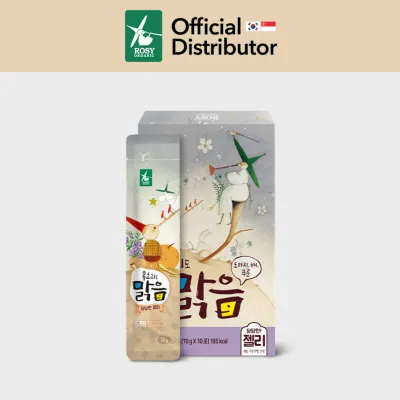
![[SG STOCK] Rosy Organic Nutrition Jelly](https://img.lazcdn.com/g/p/5c4928f2aaac37407b619d753dae6920.png_400x400q80.png_.webp)
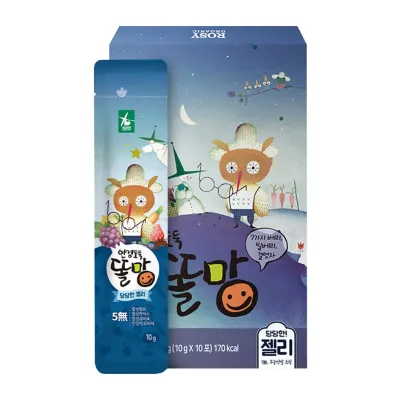
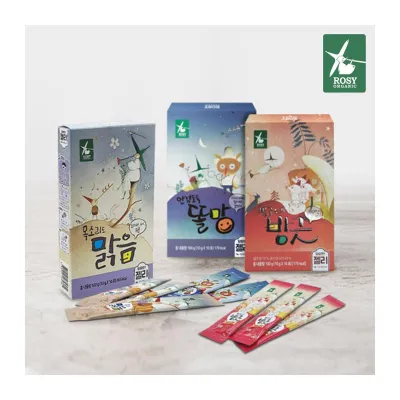
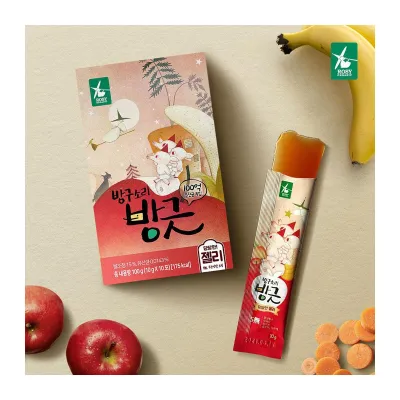
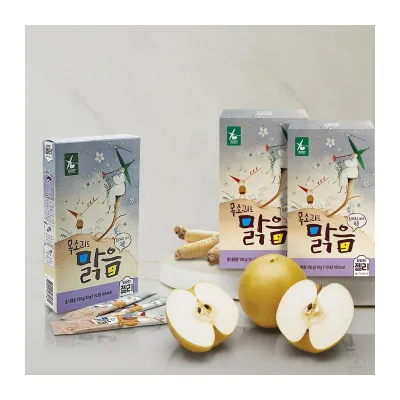
Prices are valid at publication and may change. Please refer to the product page for the latest price.
These products typically utilize organic fruit purees as their foundation, creating a smooth, semi-solid consistency. This allows babies to experience new fruit flavors and textures without the need for advanced chewing skills.
The “organic” designation on baby food packaging carries significant weight for parents seeking to minimize their child’s exposure to synthetic chemicals. Organic certification indicates that the fruits used in the jelly were grown under strict agricultural standards, which severely limit the use of synthetic pesticides, chemical fertilizers, and genetically modified organisms (GMOs).
For an infant’s developing system, which is more sensitive to chemical residues than an adult’s, choosing organic snacks can provide an extra layer of reassurance. Furthermore, organic baby foods are generally subject to rigorous quality controls to ensure they do not contain artificial preservatives, synthetic dyes, or chemical flavor enhancers.
While Rosy Organic Jelly serves as a prominent example of this product category, parents must recognize that exact formulations can differ based on the specific flavor variety, regional distribution, and production batch. A berry-mix jelly may have a slightly different nutritional profile and ingredient list compared to an apple or mango-based variety.
Because manufacturers may update their recipes or source ingredients differently over time, you should always make it a habit to check the physical label on the packaging you purchase. Verifying the ingredient list, allergen warnings, and recommended age on the specific package is the most reliable way to ensure the snack is safe and appropriate for your baby’s current developmental stage.
How to Read the Ingredient List: What to Look For and Avoid
Deciphering the ingredient label on baby food can sometimes feel overwhelming, but focusing on a few key components can help you quickly assess the quality of a product. When evaluating Rosy Organic Jelly or any similar baby snack, the order of ingredients is your first clue to its nutritional value.

Ingredients are listed in descending order of weight, meaning the first few items make up the majority of the product. Parents should look for labels where recognizable, whole-food ingredients occupy the top spots, ensuring the snack provides genuine nutritional value rather than empty calories.
Base Ingredients: Fruit Purees and Juices
The primary ingredient in any premium baby fruit jelly should always be organic fruit puree or fruit juice concentrate. High-quality formulations prioritize “100% fruit” bases, utilizing purees from apples, pears, berries, or peaches to provide natural flavor, color, and texture.
When reviewing the label, look for products that do not list water as the very first ingredient, as this can indicate a highly diluted product that relies on thickeners to mimic a fruit-rich texture. Pureed fruits retain more of the natural cellular structure of the fruit, offering a richer array of nutrients and a more authentic taste profile that helps your baby develop a preference for natural, unrefined flavors.
Gelling Agents and Thickeners
To achieve the characteristic soft, jelly-like consistency that is easy for babies to swallow, manufacturers use gelling agents. In organic baby food, these agents are typically plant-based and derived from natural sources.
Common examples include agar-agar (extracted from red algae), fruit pectin (found naturally in the cell walls of fruits like apples and citrus), and organic tapioca starch or cornstarch.
These plant-based thickeners are preferred over animal-derived gelatins because they provide a clean, allergen-friendly, and stable gel texture that dissolves easily in the mouth. Understanding which gelling agent is used can help you ensure the product aligns with your family’s dietary preferences, such as vegetarian or vegan requirements.
Sweeteners and Additives to Avoid
One of the most critical steps in reading the ingredient list is verifying the complete absence of added refined sugars, syrups, and artificial sweeteners. Infants do not need added sugars, and introducing them early can contribute to tooth decay and establish a preference for overly sweet foods.
Additionally, parents must strictly avoid feeding any product containing honey to infants under 12 months of age due to the risk of infant botulism, a rare but serious illness.
A high-quality baby jelly should rely entirely on the natural sweetness of its organic fruit ingredients. You should also ensure the product is free from artificial colors, synthetic flavors, and chemical preservatives, which have no place in a clean baby food diet.
Nutritional Benefits: How Fruit Jellies Support Your Baby's Growth
While whole fruits should remain a cornerstone of your child’s diet, organic fruit jellies can offer valuable nutritional support when used as a convenient, on-the-go snack. The nutritional value of these jellies is directly tied to the fruits from which they are made, making it important to select varieties that feature nutrient-dense ingredients.
By checking the nutritional information panel on the back of the package, you can identify the exact levels of vitamins, minerals, and macronutrients provided per serving.
Vitamins and Antioxidants
Depending on the specific fruit purees used in the recipe, organic fruit jellies can be an excellent source of essential vitamins and antioxidants. For instance, jellies containing acerola cherry, strawberry, or orange purees are naturally rich in Vitamin C (ascorbic acid).
Vitamin C plays a vital role in supporting your baby’s developing immune system and acts as a powerful antioxidant that protects cells from damage.
Furthermore, serving a Vitamin C-rich snack alongside iron-rich meals (such as iron-fortified baby cereal or pureed meats) significantly enhances the absorption of non-heme iron, helping to prevent iron-deficiency anemia during crucial growth phases.
Dietary Fiber and Digestion
The transition to solid foods can sometimes challenge an infant’s immature digestive system, leading to temporary bouts of constipation. Organic fruit jellies that incorporate whole fruit purees naturally contain dietary fiber, particularly soluble fiber like pectin.
Pectin acts as a prebiotic, feeding the beneficial bacteria in your baby’s gut, and helps absorb water in the digestive tract to form a soft gel.
This process supports healthy, regular bowel movements and can ease the digestive transition as your baby learns to process more complex food structures. Checking the nutritional panel for fiber content can help you select snacks that actively support digestive comfort.
Hydration and Quick Energy
Infants and toddlers are highly active, and their small bodies require regular, easily digestible energy sources to fuel their rapid growth and daily play. The natural fructose and glucose found in organic fruit purees provide a gentle energy boost without causing the rapid blood sugar spikes associated with refined sugars.
Additionally, fruit jellies possess a high water content, which can contribute to your baby’s overall daily fluid intake.
In a hot and humid environment like Singapore, maintaining adequate hydration is particularly important, making a moisture-rich fruit jelly a refreshing and functional snack option during outdoor activities. However, parents must remember that these snacks are meant to complement, not replace, breast milk, formula, or water as primary sources of hydration.
Safety First: Age Suitability, Choking Risks, and Feeding Tips
Feeding baby snacks requires a careful balance of nutritional awareness and safety precautions. Because infants develop motor skills and swallowing capabilities at different rates, safety guidelines must be tailored to your individual child’s readiness.
Always consult your pediatrician or a qualified healthcare professional before introducing new textures, especially if your baby has a history of developmental delays, swallowing difficulties, or food sensitivities.
Age Appropriateness and Texture Safety
Most organic fruit jellies are designed for babies who have already mastered basic solid food introduction, typically around 6 to 8 months of age. However, you must always consult the manufacturer’s specific age recommendation printed on the product packaging, as some formulations may be intended for older toddlers.
To minimize choking risks, always supervise your baby actively during feeds. The jelly must have a very soft, easily mashable texture that can be broken down easily with the tongue and gums.
If you are serving jelly from a pouch, you can squeeze small, manageable amounts onto a spoon rather than letting a young infant suck directly from the nozzle, which can sometimes lead to swallowing too much food at once. Never leave your baby unattended while eating, and ensure they are sitting upright in a high chair.
Allergen and Sensitivity Checks
When introducing any new food product, including Rosy Organic Jelly, it is essential to perform a thorough allergen check. Carefully read the packaging for any allergen warnings, such as “may contain traces of” or “processed in a facility that handles” common allergens like milk, soy, gluten, or nuts.
If the jelly contains a blend of multiple fruits, ensure your baby has already tried each fruit individually without any adverse reactions before offering the mixed product.
When introducing the jelly for the first time, follow the “three-day rule”: offer it in small amounts on its own and monitor your baby closely for any signs of an allergic reaction, such as hives, swelling, vomiting, or breathing difficulties. If any unusual symptoms occur, stop feeding the product immediately and seek medical attention.
Portion Control and Balancing the Diet
While organic fruit jellies are a convenient and tasty option, they should be offered in moderation as part of a varied, balanced diet. Because jellies are smooth and sweet, babies can easily consume them in large quantities, which might lead to them refusing other essential foods like vegetables, proteins, and iron-fortified grains.
To prevent your baby from developing an exclusive preference for sweet tastes, balance their snack schedule with savory options and whole, textured foods.
Use fruit jellies as an occasional treat or a convenient travel snack rather than a daily staple. Encourage your baby to practice chewing and self-feeding by offering safe, soft pieces of actual whole fruits alongside pureed or gelled products as they grow older.
Frequently Asked Questions (FAQ)
Can I give organic fruit jelly to my 6-month-old baby?
At 6 months of age, most babies are just beginning their solids journey with single-ingredient purees, and their swallowing coordination is still developing. While some organic fruit jellies may be labeled as suitable from 6 months, you must check the specific manufacturer’s packaging and assess your baby’s readiness.
If your baby is still struggling with sitting upright or pushing food out of their mouth with their tongue, it is best to wait. Always consult your pediatrician before introducing gelled or textured snacks to a 6-month-old to ensure their oral motor skills are sufficiently developed.
Does organic jelly count as a full serving of fruit for my baby?
No, organic fruit jelly should not be considered a complete replacement for a full serving of whole fruit. Although high-quality jellies are made from organic fruit purees, the manufacturing and pasteurization processes can reduce some of the delicate vitamins and natural fiber structures found in fresh, raw fruit.
Additionally, eating whole, mashed, or chopped fruits provides essential opportunities for your baby to practice chewing, jaw development, and sensory exploration of different textures. Use organic jelly as a convenient, occasional supplement when fresh fruit is not easily accessible, but prioritize fresh, whole foods in your baby’s daily diet.
Community discussion
Share your experience or ask a question. Comments are reviewed before publication.