
To choose the correct RideSafer travel vest size, you must match your child’s current weight and height directly to the manufacturer’s official size chart, prioritizing these physical measurements over age. Because this wearable child restraint relies on the vehicle’s seat belts to distribute crash forces, an improper fit can compromise safety. Selecting the correct size ensures the shoulder and lap belt guides align perfectly with your child’s skeletal frame, protecting vulnerable areas during an impact.
While age recommendations are provided as a general reference, children grow at vastly different rates. Relying solely on age can lead to purchasing a vest that is either too loose to retain the child or too small to position the seat belt correctly. Before purchasing, parents must verify the specific weight and height thresholds of the current model generation, as product specifications can be updated by the manufacturer.
Understanding the RideSafer Sizing System
The RideSafer sizing system is designed to adapt a vehicle’s adult seat belt to a child’s smaller body. Unlike traditional booster seats that raise the child up, this travel vest pulls the seat belt down to the correct position. Because the vest acts as the interface between the seat belt and the child, sizes such as Small, Large, or Extra Large are defined by strict physical limits rather than developmental milestones.
Products mentioned in this guide
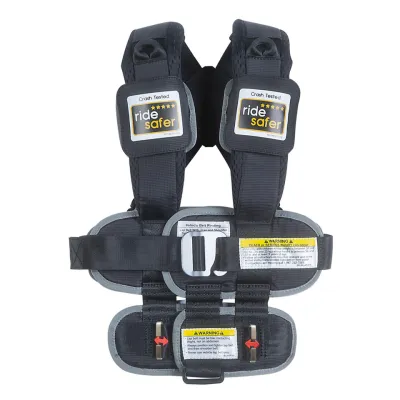
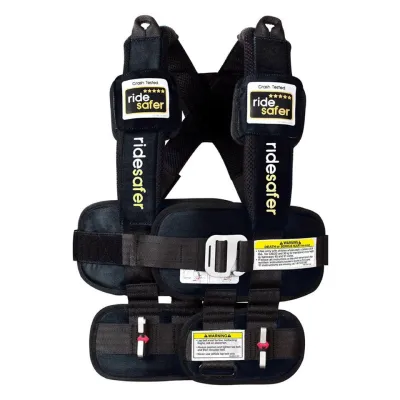
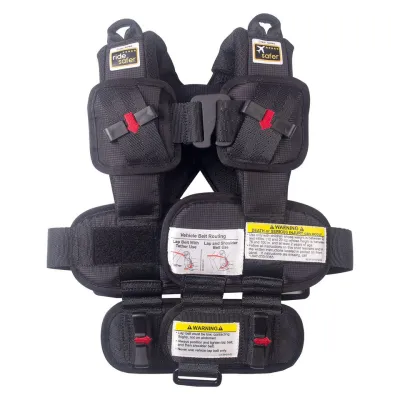
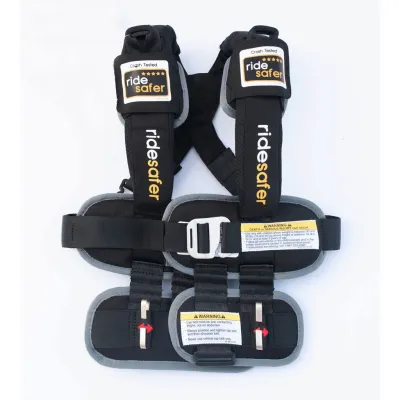
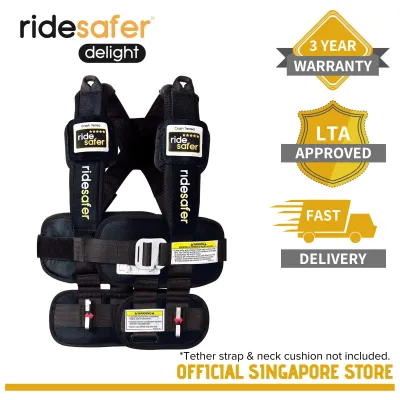
Prices are valid at publication and may change. Please refer to the product page for the latest price.
Weight is a critical factor because it dictates the load-bearing requirements of the vest’s internal webbing, metal buckles, and stitching. During a sudden stop or collision, the vest must withstand intense forces without stretching or tearing. If a child exceeds the weight limit of a specific size, the structural integrity of the vest may be compromised, risking safety performance failure under high tension.
Height is equally essential because it determines where the vehicle’s shoulder and lap belts cross the child’s body. If the vest is too large, the shoulder guide may position the belt too close to the child’s neck or face, causing discomfort and potential safety risks. Conversely, if the vest is too small, the lap belt guide will sit too high, positioning the belt over the soft abdomen instead of the strong pelvic bones. Always consult the manufacturer’s official size chart for the exact model you are purchasing, as sizing brackets can vary between older and newer generations.
How to Measure Your Child Accurately
To find the correct size, you must obtain precise, up-to-date measurements of your child rather than relying on recent doctor’s visits or guesses. Start by weighing your child on a reliable digital scale. Ensure they are wearing the typical clothing they will wear while travelling, such as lightweight shirts and shorts, as heavy winter wear or thick layers can distort both weight and vest fit.

Next, measure your child’s standing height. Have them stand flat-footed against a wall without shoes, keeping their heels, shoulders, and head in contact with the flat surface. Use a pencil to mark the top of their head gently, then measure from the floor to the mark with a metal measuring tape. Some vest models or specific sizing guides may also require a seated torso height measurement, which is taken from the seating surface to the top of the child’s shoulder while sitting upright.
Measuring torso height is particularly valuable for children who have longer torsos or legs relative to their overall height. This measurement ensures that the vest’s shoulder belt guides will sit at or slightly above the child’s shoulders once they are buckled into the vehicle. Because children experience rapid growth spurts, plan to re-measure your child periodically. A vest that fit perfectly six months ago may now be approaching its safety limits, and keeping an updated log of their measurements will help you anticipate when to transition to a larger size.
Decoding Key Fit and Safety Specifications
Understanding how the vest interacts with the vehicle’s seat belt system is crucial for ensuring everyday safety and comfort. The primary function of the vest is to guide the shoulder belt across the center of the chest and collarbone, away from the neck. When testing the fit, perform a visual check: the shoulder belt must lie flat across the shoulder, without slipping off the outer edge or rubbing against the neck.
The lap belt guides and the crotch strap work together to secure the lower half of the child’s body. The crotch strap is designed to keep the vest from riding up, which in turn ensures the lap belt remains positioned low across the hips and pelvis. This positioning is vital to prevent “submarining,” a dangerous scenario where a child slides under the lap belt during a crash, causing severe abdominal injuries.
Installation options also depend on the specific model and the vehicle’s configuration. The vest can be used with a standard lap-and-shoulder belt, or with a lap-only belt when paired with a top tether. Using a top tether provides additional upper-body restraint and reduces forward head excursion during a crash. Always refer to the product’s manual to determine which tethering configurations are approved for your specific model and seating position.
A proper fit requires the child to sit comfortably back against the vehicle seat without slouching. If a child slouches, the belt geometry changes, causing the lap belt to ride up onto the stomach. If you observe your child constantly slouching, cannot achieve a secure fit, or if the product instructions conflict with your vehicle’s layout, stop using the vest and consult a certified child passenger safety technician (CPST) or the manufacturer.
Verifying Vehicle Compatibility and Local Regulations in Singapore
Before purchasing a RideSafer travel vest, you must verify that it is compatible with your family vehicles and any transport services you plan to use. Some vehicles feature inflatable seat belts, heavy-duty retractors, or unusually short belt stalks that may interfere with the vest’s belt guides. Consult your vehicle owner’s manual and the vest manufacturer’s official compatibility list to identify any restrictions. These vests typically fall into a premium price band of S$150 to S$250, making accurate sizing essential to avoid costly return shipping or premature replacement.
In Singapore, child passenger safety is regulated under the Road Traffic Act. Legally, anyone under the height of 1.35 metres must be secured with an approved child restraint appropriate for their height and weight. While taxis are exempt from this law, private hire vehicles (such as Grab or Gojek) are not, making a portable travel vest a popular choice for local families. However, parents must verify that the specific vest model they buy carries a recognized safety standard certification (such as FMVSS 213 or ECE R44) that is legally accepted by the Land Transport Authority (LTA) and Traffic Police.
Additionally, pay close attention to seating positions. Never use the travel vest in any seating position equipped with an active frontal airbag, as the force of an inflating airbag can cause severe injury to a child. If you must place the child in the front passenger seat, ensure the vehicle manufacturer permits it, the airbag is fully deactivated, and the passenger seat is pushed as far back as possible.
Frequently Asked Questions (FAQ)
Can my child use the RideSafer vest if they are between sizes?
If your child’s measurements fall between two sizes, do not size up prematurely to get longer use out of the vest. A vest that is too large will not position the seat belt correctly, risking severe injury if the belt slips off the shoulder or rides up onto the soft abdomen. Strictly follow the manufacturer’s minimum weight and height requirements for the larger size, and keep your child in the smaller size until they fully meet the transition criteria.
Do I need to buy a new vest if my child gains weight but not height?
Yes, if your child exceeds the maximum weight limit of their current vest, you must transition to the next size even if they still fall within the height limits. The weight limits are set based on the structural load-bearing capacity of the vest’s webbing, stitching, and metal connectors. Continuing to use a vest past its weight limit compromises its safety performance during an impact, making a replacement necessary to ensure continued protection.
Community discussion
Share your experience or ask a question. Comments are reviewed before publication.