
Selecting the right baby bottle is a critical decision for parents in Singapore, where the market offers a vast array of options from premium international brands. Richell, Pigeon, and Philips Avent are three of the most popular names found on local nursery shelves, each presenting unique approaches to material composition, safety standards, and functional design. While all three brands aim to provide safe, reliable feeding solutions, they utilize different materials and engineering philosophies that directly impact durability, sterilization compatibility, and ease of use. Understanding these differences allows caregivers to select a bottle system that aligns with their baby’s developmental stage and their household’s daily routine.
Rather than relying solely on brand reputation, parents should evaluate bottles based on objective criteria such as material safety, thermal resistance, anti-colic efficiency, and ergonomic usability. This comparative guide breaks down the material portfolios of Richell, Pigeon, and Avent, offering a practical framework to help you inspect, verify, and choose the safest and most functional bottles for your infant.
Decoding Bottle Materials: What Richell, Pigeon, and Avent Actually Use
Baby bottles are manufactured from several distinct materials, each offering a unique balance of weight, clarity, thermal tolerance, and impact resistance. The most common materials you will encounter across the Richell, Pigeon, and Avent product lines include Polyphenylsulfone (PPSU), Polypropylene (PP), borosilicate glass, and liquid silicone rubber. Understanding the physical properties of these materials is the first step in identifying which bottle type best suits your sterilization setup and lifestyle.
Products mentioned in this guide
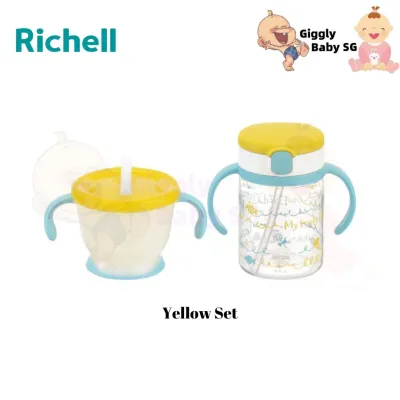
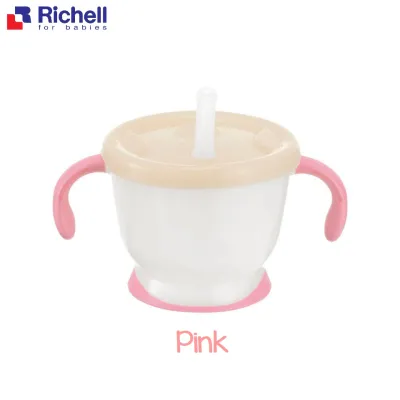
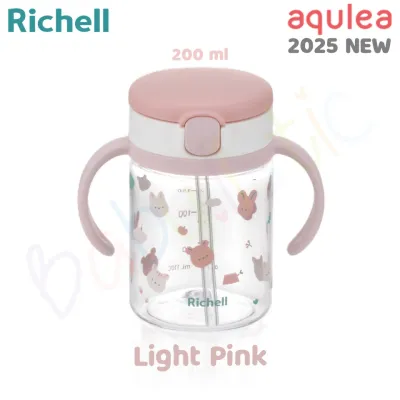
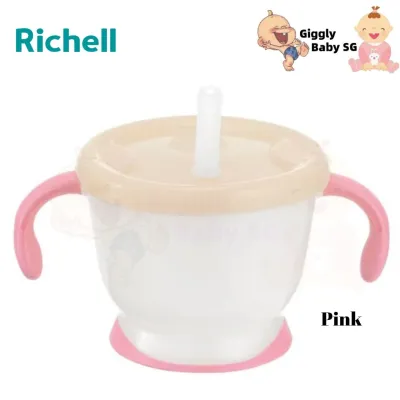
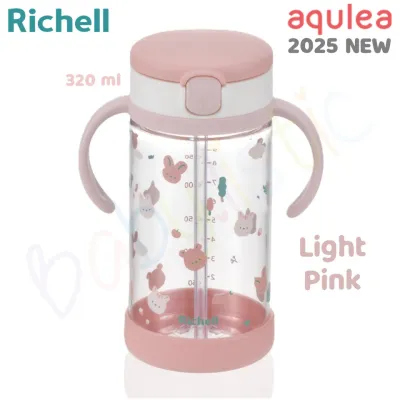
Prices are valid at publication and may change. Please refer to the product page for the latest price.
PPSU is a high-performance thermoplastic recognizable by its natural honey-colored tint. It combines the lightweight convenience of plastic with the high durability and thermal resistance of glass. PPSU can withstand repeated sterilization cycles without degrading, making it a preferred choice for parents who plan to use steam or boiling water frequently. Pigeon and Richell both feature extensive PPSU lineups, which are highly favored in Singapore for their ability to endure daily high-temperature cleaning while remaining virtually shatterproof.
PP is a more budget-friendly, lightweight plastic with a slightly cloudy appearance. While functional and safe, PP has lower scratch resistance and thermal tolerance than PPSU, meaning these bottles degrade faster under high heat and require more frequent replacement. Avent, Pigeon, and Richell all offer PP options, which are excellent for occasional use or older infants who are beginning to hold their own bottles.
Borosilicate glass remains a classic choice for parents prioritizing chemical inertness and exceptional clarity. Glass bottles do not absorb odors, resist scratching completely, and can withstand extreme temperature fluctuations. However, they are significantly heavier than plastic alternatives and carry a risk of breaking or chipping if dropped. Pigeon and Avent both offer robust glass bottle options, whereas Richell focuses more heavily on advanced plastics and silicone-based designs.
Liquid silicone rubber is increasingly used not just for nipples, but also for bottle bodies. Silicone is soft, flexible, and mimics the warm feel of skin, which can assist babies transitioning from breast to bottle. It is highly durable and heat-resistant, though it can sometimes absorb food odors or discolour over time if exposed to certain detergents or UV light. Richell and Avent utilize high-grade silicone in their nipple designs, with some brands incorporating silicone elements into the bottle structure itself.
When selecting a bottle, always check the exact heat resistance limits printed on the product packaging. These limits dictate which sterilization methods—such as boiling, electric steam, or UV sterilization—are safe to use. For instance, while PPSU can typically withstand temperatures up to 180 degrees Celsius, PP is often limited to around 110 to 120 degrees Celsius. Exceeding these limits can cause the material to warp, leach, or degrade prematurely. Furthermore, UV sterilizers can accelerate the aging process of certain plastics, leading to yellowing or brittleness; always consult the manufacturer’s manual to confirm UV compatibility.
Regularly inspecting your baby’s bottles for signs of material degradation is vital for maintaining feeding hygiene. Over months of use, plastic bottles can develop micro-scratches from cleaning brushes, which can harbor microscopic bacteria and milk residue. If you notice persistent cloudiness, deep scratches, discoloration, or a sticky texture on the inner walls of a plastic bottle, it is time to replace it immediately, regardless of the brand or material type.
Verifying Safety Standards and Chemical-Free Claims
Ensuring that your baby’s feeding equipment is free from harmful chemicals is a top priority for every parent. While modern manufacturing has largely phased out industrial toxins, caregivers must still know how to independently verify safety claims on product packaging. When shopping for bottles in Singapore, look for explicit declarations regarding chemical purity and international safety compliance.

The most critical chemical-free claims to verify are “BPA-free” and “BPS-free.” Bisphenol A (BPA) and Bisphenol S (BPS) are chemical compounds historically used in the production of certain plastics, which can mimic hormones and potentially disrupt endocrine function in developing infants. Reputable brands like Richell, Pigeon, and Avent clearly print these safety declarations on their boxes. Do not rely on generic marketing; look for official certification symbols or clear text confirming their absence.
In addition to chemical-free claims, high-quality baby bottles should comply with rigorous international safety standards. Look for compliance marks such as the European Standard EN 14350 (which regulates the safety of child use and care articles for drinking equipment) or United States Food and Drug Administration (FDA) food-grade compliance. In Singapore, consumer goods are also subject to local safety regulations; checking for recognized international standards on the packaging provides peace of mind that the materials have undergone stringent migration testing to ensure no harmful substances leach into the milk.
Before using any new bottle for the first time, perform a thorough visual and physical inspection. Examine the bottle body, collar, and nipple under bright light to ensure there are no manufacturing defects, such as uneven seams, sharp plastic edges, or flashing (excess material left over from the molding process). Check that the nipple is intact by gently pulling on the bulb in all directions; any signs of tearing, thinning, or sticky residue indicate a defective part that should be discarded immediately to prevent choking hazards.
Design and Functional Safety: Anti-Colic and Nipple Mechanics
Beyond material purity, the physical design of a baby bottle plays a crucial role in feeding safety and comfort. Anti-colic mechanisms and nipple mechanics are engineered to regulate milk flow, reduce air ingestion, and support a natural latch, thereby minimizing the risk of colic, gas, and spit-up.
Anti-colic systems generally fall into two categories: integrated nipple valves and separate venting systems. Avent bottles often feature an anti-colic valve integrated directly into the nipple or a specialized AirFree vent insert designed to keep the nipple full of milk rather than air. Pigeon’s SofTouch nipples utilize a unique ventilation system (the Air Ventilation System, or AVS) built into the silicone base to equalize pressure. Richell also incorporates venting valves into their nipple designs to ensure smooth liquid flow. When assembling these bottles, parents must ensure the vent valves are clear, unblocked, and properly aligned; a clogged or misaligned valve can create a vacuum, causing the nipple to collapse and forcing the baby to swallow excess air.
Matching the nipple flow rate to your baby’s developmental stage is essential for preventing feeding difficulties and choking risks. Nipples are categorized by flow rates (such as slow, medium, fast, or variable) and are often marked with numbers or letters. A flow rate that is too fast can overwhelm a newborn, leading to coughing, sputtering, or milk escaping from the sides of the mouth. Conversely, a flow rate that is too slow can cause frustration and fatigue, leading the baby to suck harder and swallow air. Always monitor your baby’s feeding behavior and consult a pediatrician or lactation consultant if you observe persistent choking, coughing, or feeding distress.
The physical ergonomics of the bottle also contribute to overall safety during feeding. Wide-neck bottles, which are prominent in the Avent Natural, Pigeon SofTouch, and Richell lines, offer a wider base that provides excellent stability on flat surfaces, reducing the likelihood of accidental spills. The contoured shape of the bottle body should allow for a secure, comfortable grip for the caregiver. Lightweight plastic or silicone bottles are easier to manage during late-night feeds, whereas heavier glass bottles require extra care and supervision to prevent accidental drops that could lead to breakage or injury.
Making Your Decision: Which Brand Fits Your Baby's Needs?
Choosing between Richell, Pigeon, and Avent ultimately depends on your baby’s unique feeding preferences, your sterilization routine, and your budget. No single brand is universally superior; instead, each offers distinct advantages tailored to different parental priorities and infant needs.
Consider choosing Richell if you value highly ergonomic, visually appealing designs and are looking for a cohesive system that transitions smoothly from infant feeding to toddler straw cups. Richell’s innovative plastic and silicone designs are excellent for parents seeking lightweight, durable options with clear visual measurements and comfortable grips.
Consider choosing Pigeon if your primary focus is on achieving a natural latch that closely mimics breastfeeding. Pigeon’s SofTouch nipples are highly regarded for their soft, elastic silicone texture and specific shape designed to fit the baby’s sucking fossa. This makes Pigeon an excellent choice for families practicing mixed feeding (combining breast and bottle) or transitioning back to work in Singapore.
Consider choosing Avent if you prefer robust, wide-neck bottles with highly effective, integrated anti-colic systems. Avent’s Natural Response nipples are designed to release milk only when the baby actively drinks, which can help prevent overfeeding and choking. Their sturdy construction and wide availability make them a highly convenient option for busy households.
Before committing to a specific bottle system, verify current retail prices in S$ and stock availability through official brand websites or authorized local retailers. It is also wise to check the ongoing cost and availability of replacement nipples and vent parts. Because nipples must be replaced regularly as they wear out or as your baby requires a faster flow rate, choosing a brand with readily accessible and affordable spare parts will save you time and money in the long run.
Frequently Asked Questions (FAQ)
How often should I replace PPSU or plastic baby bottles?
Plastic baby bottles, including those made from PPSU and PP, should generally be replaced every 3 to 6 months, depending on how frequently they are used and sterilized. While PPSU is highly durable, repeated exposure to high-heat sterilization, UV light, and abrasive cleaning brushes will eventually cause the material to degrade. Always inspect the bottles daily; if you observe any cloudiness, deep scratches, discoloration, or a sticky texture, replace the bottle immediately to ensure optimal hygiene and safety.
Can I mix and match nipples and bottles from different brands?
It is strongly recommended to avoid mixing and matching nipples, collars, and bottles from different brands. Even if a nipple appears to fit into another brand’s collar, minor differences in thread pitch, diameter, and material thickness can compromise the seal. This can lead to slow leaks, improper venting, or vacuum buildup, which increases the amount of air your baby swallows during feeding. To ensure the anti-colic system functions as intended and to prevent choking hazards, always use the specific nipple and bottle combinations recommended by the manufacturer.
Community discussion
Share your experience or ask a question. Comments are reviewed before publication.