
Selecting the right baby bottle is a pivotal decision that directly impacts your daily feeding routine, peace of mind, and your baby’s comfort. Richell, a brand highly regarded for its thoughtful Japanese engineering, offers baby bottles in two primary materials: Polyphenylsulfone (PPSU) and borosilicate glass. Neither material is universally superior; instead, the ideal choice depends on your baby’s developmental stage, your daily routine, and the environments where feeding takes place.
Glass bottles excel in purity, scratch resistance, and temperature retention, making them an excellent choice for newborn feeding at home. PPSU bottles offer a lightweight, virtually shatterproof alternative that is perfect for travel, daycare, and older babies who are learning to hold their own bottles. By understanding the distinct trade-offs of each material, you can select the option—or combination of options—that best supports your parenting journey.
This comparison breaks down the safety profiles, physical handling, long-term durability, and thermal properties of Richell’s PPSU and glass bottles. With this information, you can make a practical decision tailored to your family’s lifestyle.
Products mentioned in this guide
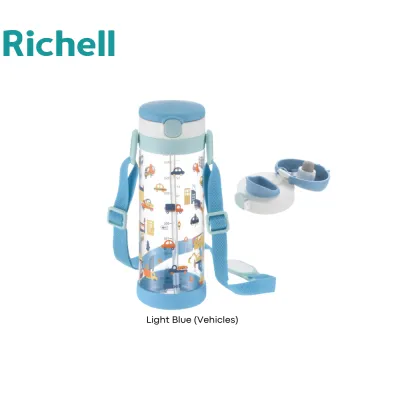
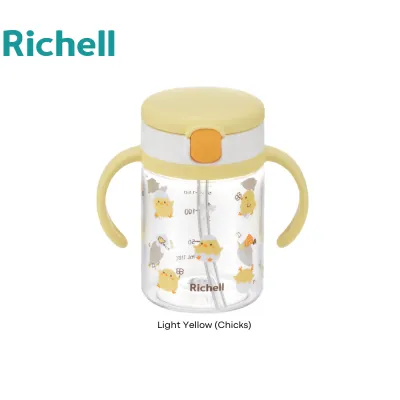
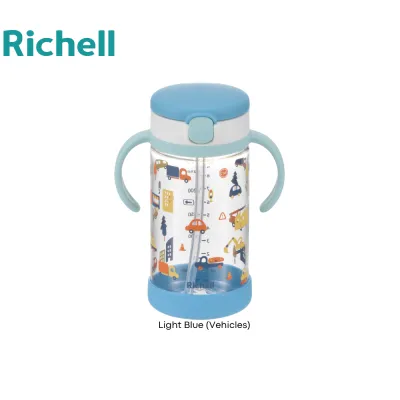
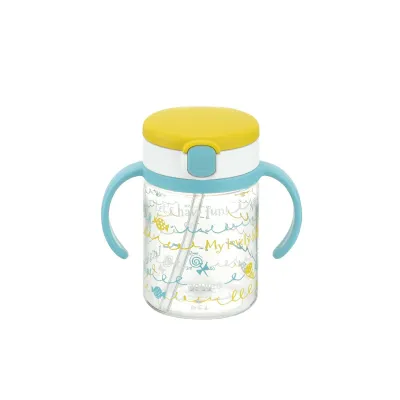
Prices are valid at publication and may change. Please refer to the product page for the latest price.
Material Safety and Heat Resistance
PPSU (Polyphenylsulfone) Safety Profile
PPSU is a medical-grade, high-performance thermoplastic widely utilized in medical devices and surgical instruments due to its extreme durability and high heat tolerance. This material is naturally free from bisphenol A (BPA) and bisphenol S (BPS), addressing a primary concern for parents seeking to avoid hormone-disrupting chemicals. Its characteristic honey-colored tint is a natural property of the polymer, distinguishing it from standard clear plastics.
The chemical stability of PPSU remains excellent even when subjected to repeated heating and sterilization cycles. However, because manufacturing specifications and material blends can vary, you must verify the exact heat resistance threshold on your specific Richell product packaging. While PPSU itself can typically withstand temperatures up to 180°C, the associated components—such as the polypropylene collar, hood, and silicone nipple—often have lower temperature limits that you must check before sterilization.
Glass Safety Profile
Borosilicate glass is a traditional, highly trusted material for infant feeding due to its exceptional chemical inertness. It does not react with liquids, meaning it will not leach chemicals, microplastics, or odors into breast milk or formula, regardless of the temperature or acidity of the contents. This absolute purity makes glass a preferred option for many parents during the sensitive newborn stage.
The surface of borosilicate glass is entirely non-porous, which prevents microscopic food particles and bacteria from finding a place to harbor. This makes glass inherently hygienic and easy to sanitize thoroughly. The primary safety consideration with glass is its fragility; a dropped or damaged glass bottle can shatter, creating sharp hazards. You should inspect glass bottles regularly for micro-cracks or chips, and verify if protective silicone sleeves or covers are available for your specific Richell bottle model to mitigate breakage risks.
Daily Handling: Weight, Grip, and Breakage Risk
The physical differences between PPSU and glass become highly apparent during daily feeding sessions, affecting both caregiver comfort and baby development. Glass is significantly heavier than PPSU, which can lead to noticeable wrist fatigue during long, frequent feeding sessions, especially during middle-of-the-night feeds. Furthermore, the weight of a glass bottle makes it difficult and potentially unsafe for an infant or toddler to hold independently, as a dropped bottle could cause minor injuries.

PPSU is exceptionally lightweight, making it easy to handle for extended periods. This featherweight quality is highly beneficial when your baby begins transitioning to self-feeding, allowing small hands to grasp and tilt the bottle with minimal effort. Richell designs its bottles with ergonomic shapes to facilitate a natural grip, though you should check whether the specific curves or external textures differ between the glass and PPSU lines in your chosen product series.
Breakage risk is a crucial factor to consider, particularly if you have hard flooring like ceramic tiles or marble, which are common in Singapore homes. A dropped glass bottle on a hard surface can shatter instantly, requiring immediate and meticulous cleanup to protect crawling babies and pets. In contrast, PPSU is virtually shatterproof and resilient enough to survive repeated drops from high chairs, strollers, or changing tables without cracking.
The volume of the bottle also amplifies these physical differences. While a small 150ml glass bottle is relatively easy to manage, a larger 240ml glass bottle becomes substantially heavier when filled with liquid. For larger volumes, the lightweight nature of PPSU offers a distinct practical advantage for daily handling and portability.
Cleaning, Sterilization, and Long-Term Wear
Maintaining a high standard of hygiene is essential for infant health, and the choice of bottle material directly influences your cleaning routine. Glass is naturally resistant to milk fat residues and stubborn odors, allowing it to rinse clean easily with standard dish soap and water. PPSU, being a polymer, has a slightly higher affinity for organic compounds, meaning milk fats can sometimes leave a faint, greasy film or cloudy residue if the bottle is not washed promptly with a dedicated baby bottle cleanser.
Scratch resistance is a key factor in long-term wear and hygiene. Glass is highly scratch-resistant, meaning you can use standard nylon bottle brushes vigorously without damaging the interior surface. PPSU is a softer material that can develop microscopic scratches over time if cleaned with abrasive brushes. These micro-scratches can become breeding grounds for bacteria and trap milk proteins, which compromises hygiene. To protect PPSU bottles, you should use soft silicone or sponge brushes instead of stiff nylon bristles.
Both materials are compatible with standard sterilization methods, including boiling, steam, and microwave sterilization. However, you must consult the Richell instruction manual to verify the approved sterilization methods and temperature limits for each component of your specific bottle set. If you use a UV sterilizer, be aware that high-energy UV light can accelerate the degradation, discoloration, and yellowing of many plastics over time; while PPSU is highly resistant compared to standard polypropylene, it may still experience cosmetic changes or gradual wear from frequent UV exposure, whereas glass remains completely unaffected.
PPSU bottles do not last indefinitely and require regular inspection for signs of wear, such as cloudiness, persistent odors, deep scratches, or a sticky texture. As a general guideline, you should replace PPSU bottles every 4 to 6 months of active use, or immediately if you detect any physical degradation. Glass bottles, conversely, can last indefinitely and only need replacement if they become chipped, cracked, or deeply scratched.
Heating Efficiency and Temperature Control
How a bottle transfers and retains heat affects how quickly you can prepare a feed and how safely you can administer it. Glass possesses high thermal conductivity, allowing it to absorb heat rapidly when placed in a bottle warmer or a bowl of hot water. This efficiency is highly convenient when trying to soothe a hungry, crying baby quickly. However, this high conductivity also means the exterior of a glass bottle can become very hot to the touch, requiring you to handle it with care.
PPSU has lower thermal conductivity and acts as a mild thermal insulator. Consequently, a PPSU bottle will take slightly longer to warm up in a water bath compared to a glass bottle. Because of this insulating property, the outer surface of a PPSU bottle may feel warm or even cool to your touch, even when the milk inside has reached a high temperature. To prevent accidental burns, you must always shake the bottle thoroughly to distribute heat evenly and test the temperature of the milk by dropping a few drops onto the inside of your wrist before feeding your baby.
Regarding temperature retention, glass generally keeps milk warm slightly longer than thin plastic, which can be helpful if your baby is a slow or distracted feeder. If your baby prefers milk at a consistent warm temperature, glass may help maintain that state throughout the feed.
When using a microwave for heating or sterilization, safety must be your primary focus. You must never microwave any baby bottle with the collar, nipple, or cap attached, as this can cause rapid pressure buildup and dangerous hot spots in the milk. Always check Richell’s specific guidelines to confirm which parts of your bottle set are rated as microwave-safe, and ensure you stir or shake the liquid thoroughly and test it before feeding.
How to Choose: Decision Framework for Parents
To determine whether Richell PPSU or glass bottles are better suited for your household, consider your daily routine, feeding locations, and your baby’s developmental stage.
Choose Richell Glass if:
- You prioritize absolute material purity and want a bottle that is completely free from any risk of chemical leaching.
- You primarily feed your baby at home, where the bottle can be handled over padded play mats, carpets, or wooden floors rather than hard tiles.
- You want a highly durable bottle that resists scratches, odors, and cloudiness, and can last indefinitely without needing scheduled replacements.
- You do not mind the heavier weight and are comfortable handling a fragile item during late-night feeding sessions.
Choose Richell PPSU if:
- You have an active lifestyle, travel frequently, commute often, or need to pack lightweight bottles in a diaper bag.
- Your baby is growing older and is beginning to hold the bottle independently, requiring a lightweight and shatterproof design.
- Your baby attends a daycare or infant care center where lightweight, unbreakable bottles are preferred or required by caregivers.
- You want peace of mind during nighttime feeds, knowing that an accidental drop onto a hard floor will not result in broken glass and a difficult cleanup.
Many parents in Singapore find that a hybrid approach offers the most practical solution. You can use Richell glass bottles for daytime feeding at home, where you can easily clean and sterilize them in a controlled environment. For nighttime feeds, outdoor excursions, or travel, you can switch to Richell PPSU bottles to benefit from their lightweight and shatterproof qualities.
Before purchasing a complete set, check the compatibility of replacement nipples, collars, and handles across both Richell product lines. Ensuring that accessories are interchangeable can simplify your inventory and provide greater flexibility as your baby’s feeding preferences evolve. Always purchase your bottles from official brand stores or reputable local retailers to ensure you receive genuine products with accurate safety documentation.
Frequently Asked Questions (FAQ)
Can I sterilize Richell PPSU and glass bottles together?
Yes, you can generally sterilize Richell PPSU and glass bottles together using standard steam or boiling water sterilizers, provided both materials are rated for the sterilization temperature. When boiling bottles in a pot on the stove, you must ensure that the PPSU bottles do not rest directly against the hot metal bottom or sides of the pot, as localized overheating can exceed the plastic’s heat threshold and cause deformation. Always verify the specific temperature limits of all components on the product packaging before sterilizing.
How often should I replace PPSU bottles compared to glass?
Glass bottles do not have a predetermined lifespan and can be used indefinitely, provided they are free from chips, cracks, or deep scratches. PPSU bottles are subject to gradual wear and should be inspected regularly. It is generally recommended to replace PPSU bottles every 4 to 6 months of active use, or sooner if you observe signs of degradation such as persistent cloudiness, stubborn odors, extensive micro-scratches, or a sticky surface texture.
Do PPSU bottles absorb milk odors or stain over time?
PPSU is highly resistant to staining and odor absorption compared to standard polypropylene (PP) bottles, but it is not completely impervious. Prolonged contact with breast milk, specific formulas, or food colorings can cause slight discoloration or lingering smells over time. To minimize this, rinse the bottles immediately after each feed, avoid leaving leftover milk in the bottle for extended periods, and wash them thoroughly using a dedicated, gentle baby bottle cleanser and a soft sponge or silicone brush.
Community discussion
Share your experience or ask a question. Comments are reviewed before publication.