
Starting your baby on their first solid foods is an exciting milestone, but stepping into the world of weaning gear can quickly feel overwhelming. For parents in Singapore navigating this transition, the Japanese brand Richell and its popular Axstar range offer a beautifully designed, modular ecosystem of baby tableware. However, you do not need to purchase the entire collection all at once. The most practical approach is to focus on a few essential items—specifically, soft-tipped training spoons, small-capacity bowls, and lightweight, easy-to-clean bibs—while leaving advanced gear like suction plates, divided trays, and complex straw cups for later developmental stages.
By matching your purchases directly to your baby’s physical readiness rather than buying pre-packaged complete sets, you can save valuable kitchen storage space, reduce mealtime frustration, and avoid unnecessary spending. In Singapore’s warm, humid climate, prioritizing items that are easy to wash, quick to dry, and highly hygienic is also key. Before making any purchases, it is important to observe your baby’s developmental signs, such as their ability to sit upright with minimal support and the gradual disappearance of the tongue-thrust reflex. These physical milestones, rather than strict age recommendations on a package, should dictate exactly when you introduce new feeding tools.
Matching Weaning Gear to Your Baby's Developmental Stage
The weaning journey is not a single, uniform event but a series of distinct developmental phases, each requiring different physical skills from your baby. The “first solids” stage, which typically begins around four to six months of age, is focused on introducing very smooth textures, such as fine rice purees, mashed vegetables, or thin local purees like pear or sweet potato. At this early point, your baby is not yet feeding themselves; instead, they are learning how to swallow food from a spoon, coordinate their lips to clear the spoon’s bowl, and tolerate new flavors. Because the parent is doing all the active feeding, the physical demands on the tableware are highly specific: tools must be small, gentle on sensitive gums, and comfortable for an adult to hold.
Products mentioned in this guide
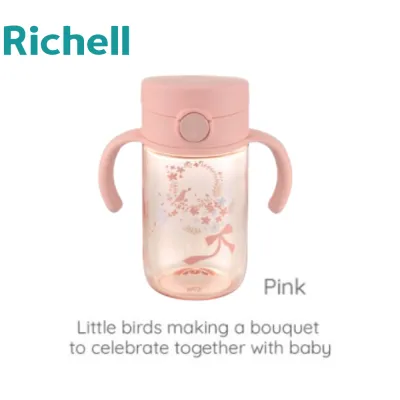
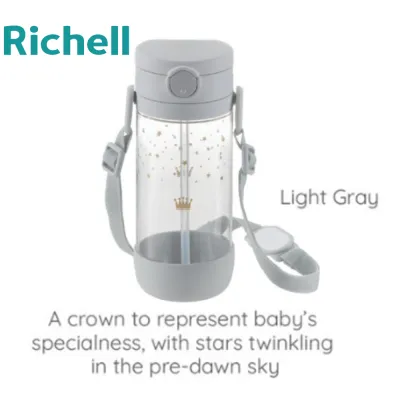
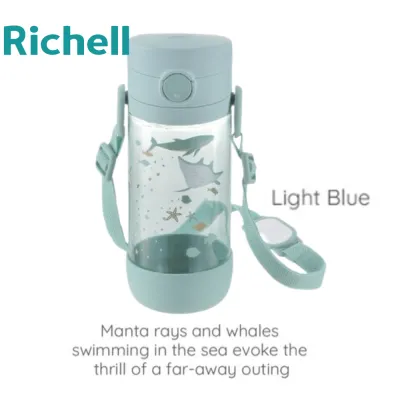
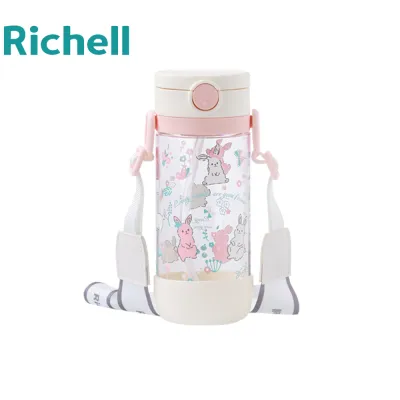
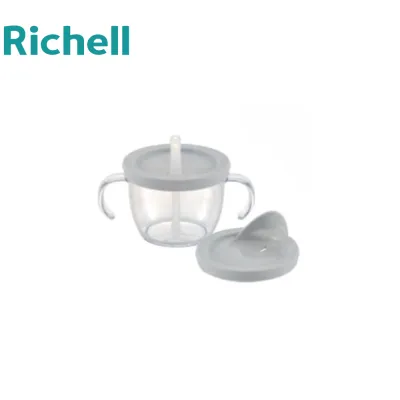
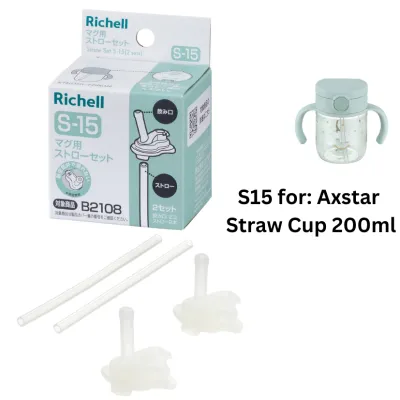
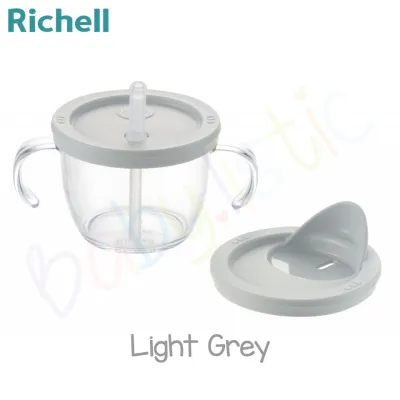
Prices are valid at publication and may change. Please refer to the product page for the latest price.
This early stage contrasts sharply with the later weaning phases, usually starting around seven or eight months and progressing past the one-year mark. As babies grow, they develop the pincer grasp, learn to sit completely independently, and exhibit a strong desire to feed themselves. This shift changes the entire dynamic of mealtime, moving from parent-led spoon-feeding to active self-feeding, where finger foods, textured mashes, and independent drinking come into play. The gear required for this later stage must focus on stability, portion control, and encouraging fine motor skills, which is why items like heavy suction plates and divided trays are designed with older infants in mind.
While the Richell Axstar range is highly regarded for its cohesive design and aesthetic appeal, buying the entire product line at the very beginning of your weaning journey is rarely practical. Many well-meaning parents purchase comprehensive starter sets only to find that half of the items sit unused in kitchen cabinets for months, collecting dust and cluttering limited kitchen spaces. A more sustainable and cost-effective strategy is to acquire items incrementally as your baby shows clear behavioral and physical readiness.
To determine when to transition to more advanced feeding gear, closely monitor your baby’s developmental cues rather than relying solely on the age labels printed on product packaging. If your baby is still leaning heavily to one side when seated in a high chair or consistently pushes food out of their mouth with their tongue, they are still in the absolute infancy of their weaning journey and only require the simplest tools. Once they begin reaching for your spoon, attempting to grab food from your bowl, or showing improved hand-to-mouth coordination, you can confidently introduce the next tier of the Axstar collection.
Essential Richell Axstar Items for First Solids (4 to 6 Months)
Soft-Tipped Training Spoons and Small Bowls
When your baby first transitions from breast milk or formula to pureed foods, their oral cavity is incredibly sensitive, and their sucking reflex is still adapting to a scraping motion. The design of the feeding spoon is critical during these first few weeks. Standard household spoons or even some generic plastic baby spoons can be too deep, too wide, or too hard, making it difficult for a young infant to clear the food with their upper lip. The soft-tipped training spoons in the Richell Axstar line are specifically engineered to address this challenge, featuring shallow spoon bowls that allow for easy food retrieval and highly flexible, soft tips that protect delicate, emerging teeth and tender gums from accidental scrapes.

In addition to the spoon’s tip, the physical size and capacity of the bowl you use to hold the puree play a significant role in successful early feeding sessions. During the first few weeks of weaning, your baby will likely consume only one to two teaspoons of food per meal. Placing this tiny amount of puree into a large, deep bowl is impractical, as the food spreads thin, cools down rapidly, and becomes difficult to scoop up cleanly. Small-capacity bowls from the Axstar range are designed precisely for these micro-portions, ensuring that the food remains concentrated in one spot so you can easily scoop up every drop without scraping the bottom excessively.
For the parent or caregiver, the ergonomics of the feeding tools are just as important as they are for the baby. Feeding an easily distracted infant can be a slow, patient process that requires holding a bowl in one hand and maneuvering a spoon with the other for twenty minutes or more. The Richell Axstar small bowls feature thoughtfully designed, ergonomic handles or textured outer grips that allow caregivers to hold the dish securely with a single hand, reducing wrist strain and minimizing the risk of accidental spills. When selecting your initial spoons, look for those with elongated, slightly curved handles, which give you a comfortable, steady grip and allow you to reach into deep puree jars or storage containers with ease.
Basic Catch-All Bibs for Early Messes
The transition from milk feeds to solid food is inevitably a messy process, as babies learn to coordinate their tongue movements and often spit out purees during their first few attempts. To manage this mess without constantly changing your baby’s clothes, a reliable bib is an absolute necessity from day one. However, during the early stage of four to six months, your baby’s physical mobility is still limited, and they are still adjusting to the sensation of sitting in a high chair. Introducing a heavy, rigid silicone bib at this point can be counterproductive, as the weight can pull down on their neck, cause discomfort, and distract them from the task of learning to eat.
Instead, the ideal bib for the first solids stage is a lightweight, highly flexible, and easily wipeable option equipped with a basic, soft crumb catcher. The Richell Axstar range includes lightweight bib designs that drape comfortably over a young baby’s chest without restricting their arm movements or causing neck fatigue. These bibs are designed to catch runny purees and drool effectively, keeping the baby’s clothes dry while being incredibly easy for parents to clean. In Singapore’s humid climate, choosing materials that can be quickly wiped down with a damp cloth or rinsed under the tap and dried within a few hours is essential for preventing mold and mildew growth.
When evaluating bibs for a young baby, pay close attention to the neck fastening mechanism. The fastening should be highly adjustable to accommodate your growing baby’s neck circumference, but it must also be soft and free of sharp edges that could irritate sensitive skin. Many parents prefer hook-and-loop or soft snap fasteners that can be adjusted quickly with one hand, especially when dealing with a squirming infant. Ensure the fit is snug enough to prevent purees from slipping down the collar, but loose enough that you can easily slip two fingers between the bib and your baby’s neck to guarantee comfort and safety throughout the meal.
Richell Axstar Gear to Save for Later Stages (7+ Months)
Suction Plates and Divided Trays
As you browse the feeding aisle, it is easy to be tempted by beautifully arranged divided plates and colorful suction trays. While these items are incredibly useful later in the weaning journey, they are entirely redundant during the first solids stage. When your baby is four to six months old, you will be holding the bowl and feeding them directly; there is no need for a suction base because the baby is not yet trying to grab the dish. Furthermore, because early meals consist of single-ingredient purees or simple mixtures, divided compartments serve no functional purpose and only add to your daily dishwashing load.
Suction plates and divided trays truly come into their own around eight to ten months of age, a phase characterized by the development of the pincer grasp and a strong desire for self-feeding. At this stage, babies transition from smooth purees to textured finger foods, such as steamed broccoli florets, soft carrot sticks, and small pieces of fruit. Divided trays are excellent for this phase because they allow you to present different food groups separately, encouraging your baby to explore different textures and flavors at their own pace. The strong suction bases on these plates become absolutely essential during this time, preventing your curious infant from lifting, flipping, or launching the entire plate of food onto the kitchen floor.
To optimize your budget and maintain an organized kitchen, resist the urge to buy these heavier, more expensive tableware items during your initial shopping trip. Instead, monitor your baby’s behavior at the high chair. When they begin actively trying to grab the spoon out of your hand, reaching for the food on your plate, or showing frustration when they cannot feed themselves, you will know it is the perfect time to purchase a suction plate from the Richell Axstar line. Waiting until this milestone ensures that the silicone suction components are fresh, clean, and ready for daily use when they are actually needed.
Transition Cups and Straw Training Sets
Introducing liquids other than breast milk or formula is another key component of the weaning process, but it requires a careful, step-by-step approach. During the initial stage of first solids, babies only require tiny sips of water to cleanse their palate and help with digestion after a meal. This is typically done using an open cup held entirely by an adult, or a specialized training cup with a small spout designed to let a parent control the flow of liquid. Introducing a complex straw cup or a heavy, independent drinking cup too early can lead to frustration and coughing fits, as young babies have not yet developed the oral motor coordination required to create suction and swallow liquids safely at the same time.
As your baby grows and reaches seven months or older, their oral muscles strengthen, and they begin to master the coordinated sucking and swallowing action required for independent drinking. This is the ideal time to introduce the transition cups and straw training sets from the Richell Axstar range. These sets are often designed with clever, pressure-activated lids that help push liquid up the straw when a parent presses down, teaching the baby the relationship between sucking and receiving liquid. This gentle training system helps bridge the gap between bottle or breast feeding and independent cup drinking without causing unnecessary stress for your little one.
To ensure a safe and smooth transition, always check the manufacturer’s recommended age and flow-rate guidelines printed on the packaging or in the product manual before introducing a new cup. Different cups in the Axstar range are calibrated for different developmental stages, with some featuring slower, more controlled flows for beginners and others designed for older toddlers who can manage faster flows. Introducing a cup that matches your baby’s current oral motor abilities prevents choking hazards and helps build their confidence as they learn to drink independently.
Safety Checks and Care Instructions for Weaning Gear
Ensuring the safety and hygiene of your baby’s feeding gear is paramount to protecting their developing immune system. Before using any new weaning item, always verify that the product is explicitly labeled as BPA-free and complies with relevant international safety standards. In Singapore, it is highly recommended to purchase your baby gear only from authorized local retailers, official brand stores, or reputable local distributors. Purchasing from unauthorized online marketplaces or unverified overseas sellers increases the risk of acquiring counterfeit products that may contain harmful chemicals, low-grade silicone, or plastics that degrade rapidly under heat.
When it comes to cleaning and sterilizing your baby’s tableware, always check the applied product’s label and the treated item’s manufacturer instructions first. If instructions conflict, the item is unidentified, or the specific use is not covered, stop and consult the manufacturer or a qualified professional. Different materials within the Richell Axstar line—such as food-grade silicone, thermoplastic elastomers, and various types of hard plastics—have vastly different thermal thresholds and chemical resistances. Attempting to boil, microwave, or steam-sterilize an item without verifying its specific heat resistance limits can cause the material to warp, melt, or release unwanted odors, rendering the product unsafe for use.
Regular maintenance and inspection of your weaning gear are also crucial for maintaining a hygienic feeding environment. Over time, daily scrubbing, utensil scrapes, and exposure to high temperatures can cause silicone and plastic items to develop wear, tiny tears, or deep scratches. These microscopic crevices can harbor food particles and moisture, creating an ideal breeding ground for harmful bacteria that standard washing cannot easily remove. Develop a habit of inspecting your baby’s spoons, bowls, and cup valves before every meal; if you notice any signs of degradation, deep scratches, or persistent discoloration, replace the item immediately to ensure your baby’s health and safety.
Frequently Asked Questions (FAQ)
Can I sterilize all weaning items in boiling water?
No, you cannot safely sterilize every weaning item in boiling water, as different materials react differently to high temperatures. While pure food-grade silicone components can typically withstand the heat of boiling water, hard plastics, printed designs, and delicate mechanical valves in transition cups may warp, degrade, or lose their seal. Always read the manufacturer’s care label on the packaging to verify the maximum temperature limit and the approved sterilization methods—such as boiling, steam, or chemical sterilization—for each individual component.
When should I switch from a basic bib to a long-sleeve weaning smock?
You should consider switching to a long-sleeve weaning smock or full-coverage bib when your baby transitions to self-feeding and actively explores food with their hands, which usually occurs around seven to nine months. Signs that it is time to upgrade include your baby smearing purees on their arms, trying to feed themselves messy finger foods, or dropping food along their sides. A long-sleeve smock provides comprehensive coverage, saving you from having to change your baby’s entire outfit after every mealtime exploration.
Community discussion
Share your experience or ask a question. Comments are reviewed before publication.