
Deciding between reusable and disposable pee pads for your toddler is a classic parenting dilemma that balances financial savings against daily convenience. While reusable pads require a higher upfront investment, they can significantly reduce recurring expenses over the course of potty training. Conversely, disposable pads offer immediate convenience and ease of disposal, but the ongoing costs can accumulate quickly. To make the best decision for your household, you must weigh your daily laundry capacity, living space, and budget against your toddler’s specific needs. Understanding how each option performs in real-world scenarios will help you choose a solution that keeps your child comfortable and your home clean.
Calculating the True Long-Term Costs
To build a realistic financial model, start by comparing the initial purchase price of a reusable multi-pack with the recurring cost of disposable pads. Reusable pads are sold individually or in multi-packs, requiring a larger initial outlay. Disposables are purchased in bulk packs, which seem inexpensive per pack but require continuous replacement. Over several months or years of potty training, these recurring purchases can quietly drain your household budget.
To calculate the true cost of reusables, you must factor in hidden operational expenses. Every wash cycle consumes water and electricity, and you will use additional laundry detergent. In regions with high utility rates, these micro-costs add up. Furthermore, frequent washing causes wear-and-tear, meaning the pads may eventually need replacement before your toddler is fully potty-trained.
Products mentioned in this guide
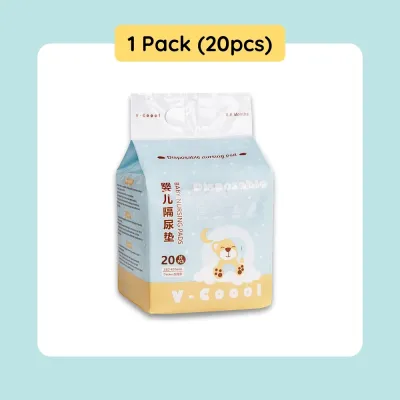
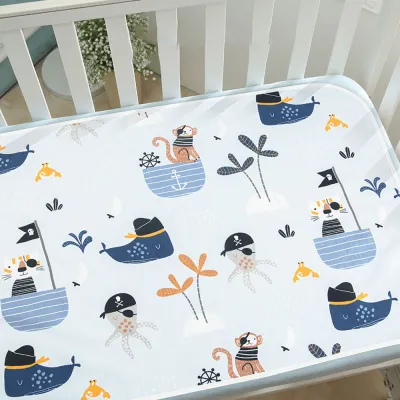
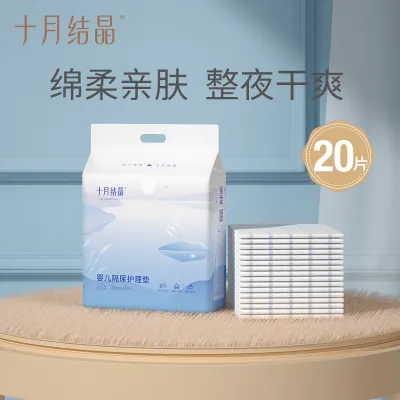
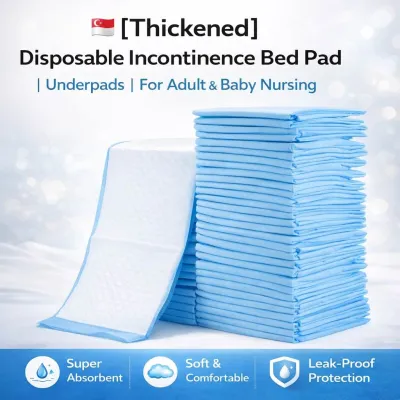
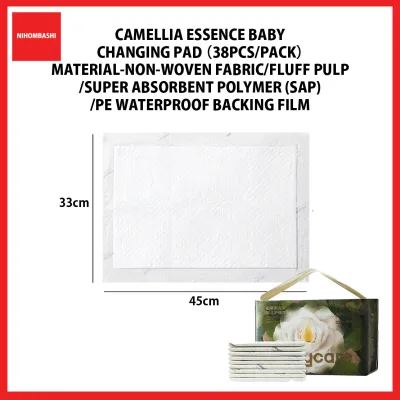
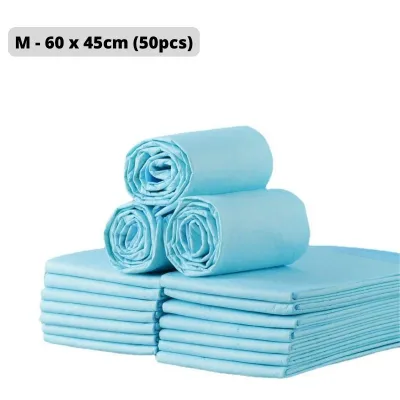
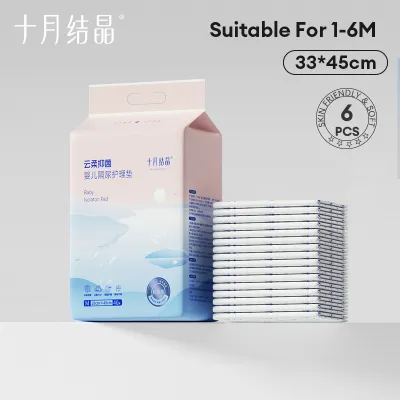
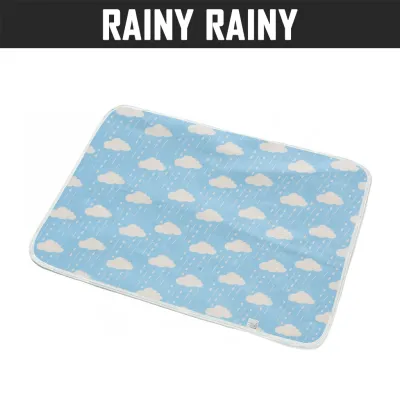
Prices are valid at publication and may change. Please refer to the product page for the latest price.
When shopping, check the product packaging or manufacturer specifications for the expected lifespan and wash limits. Some reusable pads are rated for 100 washes, while others may withstand up to 300 cycles before the waterproof backing degrades. Look for details on absorbency degradation, as some materials lose their effectiveness after repeated exposure to high-temperature washes or tumble drying.
To estimate your monthly budget, use a simple calculation based on your toddler’s accident frequency. If your child averages three accidents a day, multiply this by 30 to get 90 pads per month. Compare the cost of 90 disposable pads against the cost of a reusable rotation (typically 6 to 9 pads) plus the estimated utility cost of running three extra laundry loads per week. This personalized calculation will reveal which option truly saves more money in your specific situation.
Evaluating Daily Convenience and Lifestyle Trade-offs
Managing the laundry cycle for reusable pee pads requires a consistent routine. Soiled pads must be stored in a dry pail or wet bag to prevent odors before they are washed. Depending on your washing machine capacity and the number of pads in your rotation, you may find yourself running laundry every two days. In humid climates, such as Singapore, drying times can be prolonged, especially if you prefer to line-dry to preserve the waterproof polyurethane laminate (PUL) layer.

Disposable pads excel in convenience, particularly for busy schedules, outings, or childcare drop-offs. They are highly portable; you can fold a few into a diaper bag and dispose of them immediately after an accident, eliminating the need to carry wet, soiled items around. This grab-and-go nature makes them highly practical for travel or visits to relatives’ homes.
For nighttime use, verifying leak protection is crucial. Check the manufacturer’s specifications for the pad’s liquid capacity, often measured in milliliters. Toddlers release larger volumes of urine overnight, so a pad must have a high-capacity absorbent core and a reliable waterproof barrier. Look for slip-resistant backings to ensure the pad stays in place as your toddler moves during sleep.
Space constraints are another critical factor, especially in compact living environments like apartments. If you lack a dedicated balcony or drying yard, air-drying multiple large, thick reusable pads can clutter your living space. If you rely heavily on a clothes dryer, verify whether the reusable pads you choose are dryer-safe, as high heat can melt or crack the waterproof backing.
Assessing Skin Sensitivity and Material Safety
A toddler’s delicate skin is highly susceptible to irritation, making material composition a key consideration. Reusable pads often feature natural fibers like cotton, bamboo, or hemp on the top layer, which are highly breathable and naturally soft. These materials wick moisture away from the skin, reducing the likelihood of diaper rash during extended use, such as overnight sleep.
Disposable pads, on the other hand, typically utilize synthetic materials, including superabsorbent polymers (SAP) and plastic backings. While these synthetic gels are highly efficient at locking away moisture, some disposables contain added fragrances, dyes, or chlorine-bleached wood pulp. These additives can trigger contact dermatitis or sensitive skin flare-ups in some toddlers. Always check product labels for fragrance-free and hypoallergenic designations.
Maintaining hygiene with reusable pads requires strict adherence to washing instructions. To prevent bacterial buildup and lingering odors, wash soiled pads promptly using a gentle, fragrance-free detergent. Avoid fabric softeners, as they leave a residue that coats the fibers and drastically reduces the pad’s absorbency over time. Ensure the pads are completely dry before storing them to prevent mold and mildew growth.
If your toddler has a history of eczema, severe diaper rash, or other skin conditions, consult pediatric guidelines or your pediatrician before choosing a pad type. Reviewing the product safety labels and material safety data sheets provided by manufacturers can help you identify and avoid potential allergens.
Making the Final Choice for Your Family
Selecting the right pee pad comes down to aligning the product’s characteristics with your family’s lifestyle and values.
Choose reusable pads if you have reliable, in-house laundry facilities, prioritize long-term financial savings, and want to minimize your household’s environmental footprint. Reusables are ideal for families who do not mind the extra laundry steps and have adequate space to dry the pads thoroughly.
Choose disposable pads if you travel frequently, live in a compact home with limited drying space, or are in the initial, high-accident phase of potty training where convenience is paramount. Disposables are also highly practical if your child attends a childcare center that does not accommodate reusable wet bags.
Many parents find success with a hybrid approach. You can use reusable pads for daytime home use, where laundry access is immediate, and switch to disposable pads for nighttime sleep, travel, or outings. This strategy balances cost savings with daily convenience, reducing waste without overwhelming your laundry routine.
Before making any purchase, take time to verify key product details. Check the manufacturer’s return policy, especially for multi-packs, in case the material does not suit your toddler’s skin. Read verified user reviews on online marketplaces to assess real-world durability, and carefully measure your toddler’s bed, play area, or car seat to ensure the pad dimensions provide adequate coverage.
Frequently Asked Questions (FAQ)
How many reusable pee pads do I need for potty training?
The ideal number of reusable pads depends on your washing machine capacity, local drying climate, and your toddler’s daily accident rate. If your toddler has two to three accidents per day and you wash laundry every two days, you will need a minimum of six to eight pads. This ensures you have enough clean pads to use while the soiled ones are in the wash or drying. In humid climates like Singapore, where line-drying can take over 24 hours, you may need to expand your rotation to ten or twelve pads to avoid running out.
Can disposable pee pads be used effectively on the go?
Yes, disposable pads are highly effective for travel and outings due to their lightweight, compact design. They can be easily folded and tucked into a diaper bag or stroller compartment. When an accident occurs, simply roll up the soiled pad and dispose of it in a public trash receptacle. If you are in a location without immediate trash access, carrying a small wet bag or biodegradable disposal bag allows you to store the soiled pad temporarily and hygienically until you find a bin.
Are reusable pee pads completely waterproof?
High-quality reusable pee pads feature a dedicated waterproof backing, typically made of polyurethane laminate (PUL) or thermoplastic polyurethane (TPU), which prevents liquid from seeping through to your mattress or flooring. However, they are not entirely immune to edge leakage. If an accident occurs near the border of the pad, liquid can bypass the waterproof barrier. To protect sensitive flooring or expensive mattresses, ensure the pad is large enough to cover the entire sleep or play area, and verify that the manufacturer’s instructions confirm a high-quality waterproof layer.

Community discussion
Share your experience or ask a question. Comments are reviewed before publication.