
Quick Answer: Reusable or Disposable?
Choosing the right nursing pad is a highly personal decision that directly impacts your daily comfort, lifestyle, and breastfeeding experience. The ideal choice depends entirely on your unique daily routine, budget, skin sensitivity, and milk supply. There is no single option that works perfectly for every mother, as your needs will likely shift from the early postpartum weeks to the transition back to work or daily outings.
To make an informed decision, it helps to understand the core trade-offs between the two primary types of nursing pads. Washable, reusable nursing pads are excellent for long-term financial savings, reducing environmental waste, and managing heavy leakage while you are resting at home. On the other hand, single-use disposable nursing pads offer unmatched convenience, discreet profiles under fitted clothing, and hassle-free changes when you are traveling, working, or managing a busy schedule.
Many mothers find that a hybrid approach offers the most practical solution. By using soft, breathable reusable pads during quiet days and nights at home, and switching to highly absorbent, adhesive-backed disposable pads for work and travel, you can enjoy the best of both worlds. The following sections will break down the structural differences, financial implications, and hygiene requirements of each option to help you select the perfect setup for your routine.
Products mentioned in this guide
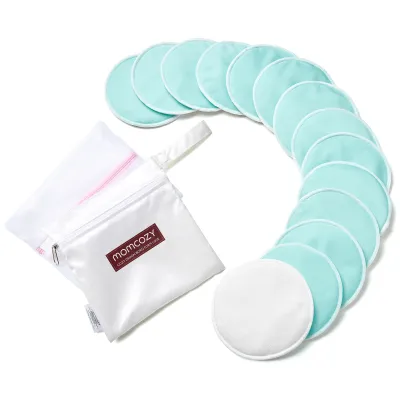
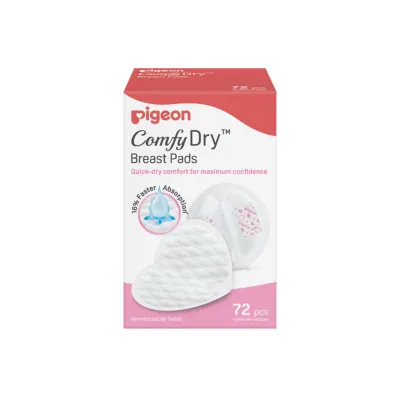
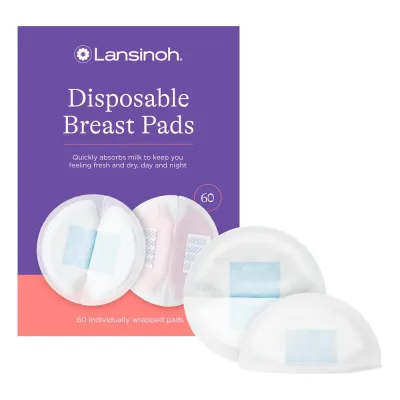
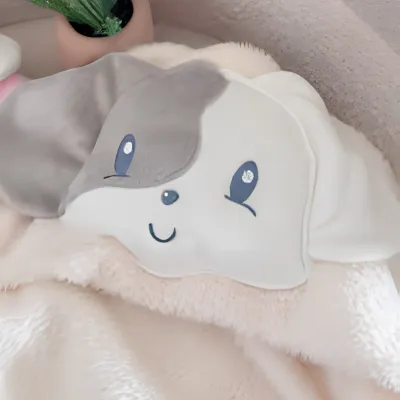
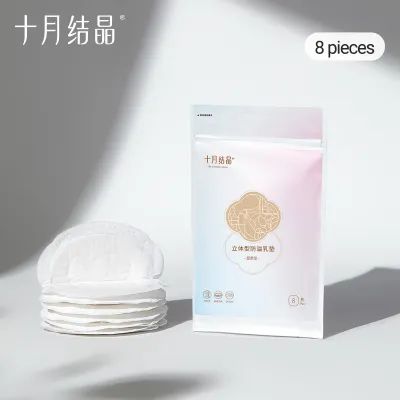
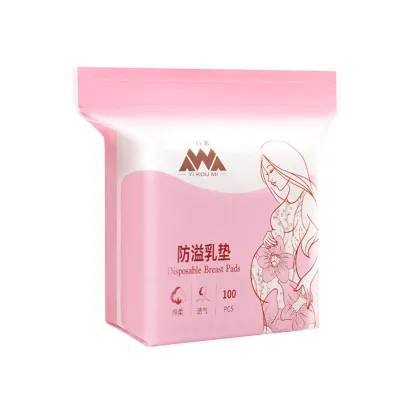
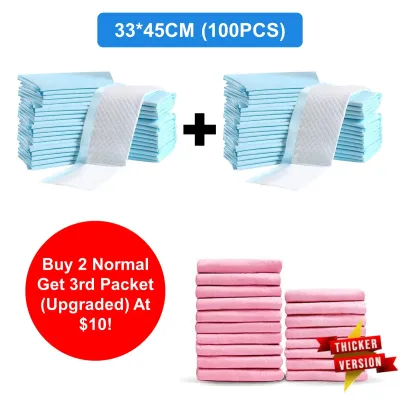
Prices are valid at publication and may change. Please refer to the product page for the latest price.
Key Differences at a Glance
To help you quickly evaluate your options, the table below compares the essential performance and lifestyle dimensions of reusable and disposable nursing pads.

| Feature | Reusable Nursing Pads | Disposable Nursing Pads |
|---|---|---|
| Material and Feel | Natural fibers (bamboo, cotton, hemp) or synthetic fleece; waterproof PUL outer layer. | Non-woven top sheets, wood pulp, superabsorbent polymers (SAP), plastic backing. |
| Absorbency Capacity | High capacity but absorbs gradually; may feel damp against the skin when saturated. | Rapid absorption; locks moisture into a gel core to keep the surface dry. |
| Convenience & Laundry | Requires regular washing, sanitizing, and thorough drying before reuse. | Single-use; simply peel off, discard, and replace with a fresh pair. |
| Long-term Cost | Low; high upfront investment but zero recurring costs over months of use. | High; low initial cost but continuous recurring purchases add up over time. |
| Environmental Impact | Low; washable design drastically reduces landfill waste over your feeding journey. | High; generates daily single-use waste that takes a long time to decompose. |
Please note that specific absorbency levels, thickness, material blends, and adhesive strengths vary significantly by brand. You should always check individual product packaging and manufacturer specifications to verify the exact features of the pads you buy.
Using this comparison, you can easily identify your personal dealbreakers. For instance, if minimizing household chores and avoiding extra laundry is your absolute priority during the demanding postpartum period, disposable pads are the clear winner. Conversely, if you prefer natural fibers against sensitive skin and want to minimize your household’s ecological footprint, reusable pads are the superior choice.
Reusable Nursing Pads: Pros, Cons, and Best Use Cases
Reusable nursing pads, also known as washable breast pads, are designed to be washed and worn repeatedly throughout your breastfeeding journey. They are typically constructed with multiple layers of fabric: a soft inner lining that sits against your skin, an absorbent middle core, and a waterproof outer backing to protect your clothing. Understanding the specific advantages and limitations of these pads will help you determine if they align with your daily habits.
Pros of Washable Pads
- Cost-Effective Over Time: While the initial purchase price for a multi-pack of washable pads is higher than a single box of disposables, they quickly pay for themselves. Because you can wash and reuse them hundreds of times, you eliminate the need for continuous monthly purchases, saving a significant amount of money over several months or years of breastfeeding.
- Environmentally Friendly: A mother who breastfeeds for a year might use over a thousand disposable pads, all of which end up in landfills. Opting for washable pads drastically reduces your household's daily waste contribution, making it a highly sustainable choice for eco-conscious families.
- Gentle on Sensitive Skin: Reusable pads are often made of soft, natural fibers such as organic cotton, bamboo viscose, or hemp blends. These materials are naturally breathable and gentle on delicate, sore, or cracked nipples, which are common during the early weeks of breastfeeding. Unlike some synthetic disposable options, high-quality natural fabrics do not have rough edges or chemical adhesives that can rub against irritated skin.
Cons of Washable Pads
- Requires Regular Maintenance: Reusable nursing pads require a commitment to regular washing and thorough drying after every single use. In humid climates, such as Singapore's tropical weather, line-drying thick fabric pads can take a considerable amount of time, meaning you will need a larger rotation of pads to ensure you always have a dry pair ready.
- Less Convenient On-the-Go: When you need to change a damp pad while out, you cannot simply throw it away; instead, you must store the wet, milky pad in a waterproof wet bag inside your diaper bag until you return home. This can be cumbersome and increases the risk of mold or sour odors if the damp pads are left in the bag for too long.
- Bulkier Profile: Reusable pads tend to be thicker and less structured than their disposable counterparts. Because they lack adhesive strips, they can shift around inside your bra, especially during active movement. The extra thickness and lack of a contoured shape mean they may occasionally bunch up or create visible lines under fitted shirts or thin bras.
Best For
Reusable nursing pads are highly suited for mothers who spend the majority of their day at home, where laundry facilities are easily accessible and outfit discretion is less of a concern. They are also ideal for those with a heavy milk supply or a strong let-down reflex, as the natural fibers can hold a substantial amount of liquid before needing a wash. If you have highly sensitive skin prone to contact dermatitis or eczema, the gentle, chemical-free touch of organic cotton or bamboo is often the safest and most comfortable option.
Care and Hygiene
To maintain the absorbency and hygiene of your reusable pads, you must strictly follow the manufacturer’s washing and drying instructions. Generally, it is best to wash them in a mesh laundry bag using a gentle, fragrance-free detergent to prevent skin irritation for both you and your baby. Avoid using fabric softeners or dryer sheets, as these products leave a residue that coats the fibers and drastically reduces the pad’s ability to absorb moisture.
Thorough drying is absolutely critical. Because breast milk contains fats and sugars, damp pads are a prime breeding ground for bacteria and fungi, such as Candida albicans, which causes thrush. Ensure your pads are completely dry all the way through before storing them or placing them against your skin. If you notice a persistent sour smell or if the fabric begins to feel stiff, run them through a hot wash cycle or follow the manufacturer’s deep-cleaning recommendations.
Disposable Nursing Pads: Pros, Cons, and Best Use Cases
Disposable nursing pads are single-use, peel-and-stick pads designed for ultimate convenience and reliable leak protection. They are engineered using advanced absorbent materials similar to those found in modern baby diapers, making them incredibly efficient at managing moisture. Examining their specific pros and cons will help you decide if they are the right fit for your lifestyle.
Pros of Disposable Pads
- Ultimate Convenience: When a pad becomes damp, you simply peel it off your bra, throw it in the trash, and replace it with a fresh, dry one. There is no extra laundry to worry about, no wet bags to carry around, and no waiting for fabrics to dry in humid weather. This makes them incredibly practical for busy lifestyles, travel, and transitions back to the workplace.
- High Absorbency Core: Most brands utilize a superabsorbent polymer (SAP) core that draws liquid away from the surface and locks it into a dry gel. This technology ensures that even during heavy leaks, the layer touching your skin remains dry, reducing the risk of friction and skin breakdown.
- Discreet and Thin Profile: Because they do not rely on bulky fabric layers to absorb moisture, disposable pads can be made incredibly thin and contoured. They easily mold to the natural shape of your breast, making them virtually invisible under professional workwear, thin t-shirts, or formal dresses. Additionally, almost all disposable pads feature non-slip adhesive strips on the back that secure them firmly to the inside of your nursing bra, ensuring they stay in place even when you are moving around.
Cons of Disposable Pads
- Ongoing Recurring Cost: The convenience of disposable pads comes with a continuous financial cost. Because they are single-use, you must constantly purchase replacement boxes throughout your entire breastfeeding journey. Over six to twelve months, these recurring expenses can accumulate into a substantial sum, making them far more expensive than a one-time investment in washable pads.
- Environmental Waste: Disposable pads contribute to daily household waste, and their plastic backings and synthetic cores do not decompose easily. For families looking to reduce their carbon footprint, the daily disposal of multiple pads can feel like a significant ecological compromise.
- Potential for Skin Irritation: The synthetic materials, fragrances, and adhesives used in some disposable pads can cause skin irritation. The plastic waterproof backing, while highly effective at preventing leaks, can trap heat and humidity against your skin. In warm, tropical environments, this lack of breathability can lead to sweat rashes, itchy skin, and general discomfort around the delicate nipple area.
Best For
Disposable nursing pads are the perfect choice for working mothers who need a reliable, discreet, and hassle-free solution at the office. They are also excellent for traveling, long day trips, or running errands, where carrying damp, reusable pads in a wet bag is inconvenient. If you have a light-to-moderate leak or simply want a low-maintenance backup option to keep in your diaper bag or car, disposables offer the peace of mind you need.
Hygiene Note
Because disposable pads are highly effective at locking away moisture, they can sometimes feel dry on the surface even when they have absorbed a significant amount of breast milk. This can lead to a false sense of security, causing mothers to leave them on for too long. It is critically important to change your disposable pads frequently—ideally as soon as they feel damp, or at least every few hours.
Leaving a milk-soaked pad against your skin for extended periods creates a warm, moist, and dark environment that promotes rapid bacterial and fungal growth. This increases your risk of developing painful conditions like nipple thrush or mastitis, a serious breast infection. Always prioritize skin health by keeping the area clean and dry, and discard used pads immediately rather than attempting to dry and reuse them.
How to Decide Based on Your Lifestyle and Budget
When finalizing your choice between reusable and disposable nursing pads, it helps to look at your daily routine, your financial goals, and your specific environment. By evaluating these factors systematically, you can design a practical setup that minimizes stress and maximizes comfort.
Decision Framework
To determine which option fits your routine, consider where you spend most of your time and how you prefer to manage daily chores.
- Choose Reusable if: You are on a strict long-term budget, want to minimize your household's environmental footprint, spend the majority of your day at home, have a washing machine readily available, and prefer the gentle feel of natural fabrics against your skin.
- Choose Disposable if: You are returning to a busy workplace, travel frequently, wear fitted or professional clothing that requires a completely seamless look, and want to minimize your daily laundry and chore load.
- Mix and Match if: You want to optimize both comfort and convenience. Many mothers find success by wearing soft, breathable reusable pads while relaxing at home or sleeping, and switching to discreet, adhesive disposable pads when heading out, going to work, or packing a diaper bag.
Budget Analysis
To understand the true financial impact of your choice, you can calculate the break-even point based on your expected usage. Start by estimating how many pads you will use per day. On average, a mother might go through 4 to 6 pads daily in the early months, which equates to roughly 120 to 180 pads per month.
Next, compare the upfront cost of reusable pads against the recurring cost of disposables. A high-quality multi-pack of reusable pads (usually containing 6 to 8 pads) typically requires an upfront investment of around S$20 to S$50. Since these can be washed and reused for your entire breastfeeding journey, your total cost remains relatively fixed.
In contrast, a standard box of disposable nursing pads containing 60 to 100 pads can cost anywhere from S$10 to S$25. If you are changing them frequently for hygiene, you will need to purchase one to two boxes every month. Over a six-month period, disposable pads can cost you S$60 to S$150 or more, and over a year, that figure can easily double. By comparing these broad price bands against your expected breastfeeding duration, you can see how quickly reusable pads pay for themselves.
Nighttime Considerations
Managing leaks during the night requires special consideration, as you will likely go longer periods without changing your pads. When choosing a pad for sleep, look for options specifically designated as “overnight” or “heavy flow.” These pads are typically wider, thicker, and feature enhanced absorbency zones to handle the increased milk volume that often accumulates during longer sleep stretches.
For nighttime use, reusable pads made of highly absorbent materials like hemp or thick bamboo fleece are often preferred because they are highly breathable, reducing sweat buildup under heavy blankets. However, if you are a very active sleeper who tosses and turns, a contoured disposable pad with strong adhesive strips may be more reliable at staying in place, preventing messy leaks onto your bedsheets.
What to Check on the Label Before You Buy
Before purchasing any nursing pads, it is essential to look closely at the product labels and specifications. Marketing terms like “leak-proof” or “ultra-soft” are common, but verifying the actual materials and construction details will ensure you get a product that is safe, comfortable, and effective.
Material Verification
When examining reusable pads, look for natural, breathable inner layers that sit directly against your skin. Organic cotton, bamboo viscose, and hemp are excellent choices because they are gentle, highly absorbent, and less likely to cause friction. For the outer layer, verify that the pad uses a breathable waterproof material, such as Polyurethane Laminate (PUL), which blocks liquid from leaking onto your clothes while still allowing heat and air to escape.
For disposable pads, check if the top sheet is hypoallergenic and free of added fragrances, dyes, or chlorine bleaching. These additives can easily irritate sensitive breast skin, especially if you are already dealing with latching difficulties or cracked nipples. Ensure the backing material is described as breathable to prevent sweat and humidity from being trapped against your skin.
Fit and Security
A nursing pad is only effective if it stays in place. When shopping, check the shape and contouring of the pad.
- Contoured Design: Look for pads that feature a 3D contoured or darted design rather than a completely flat circle. Contoured pads fit the natural curve of your breast more smoothly, reducing bunching and visible lines under your clothes.
- Adhesive Features: For disposable options, check for double adhesive strips rather than a single small tab. Two adhesive points provide much better security and prevent the pad from folding over when you pull your nursing bra cup down to feed.
- Bra Fit: For reusable pads, ensure the diameter of the pad matches your bra cup size. A pad that is too small will shift easily and fail to cover the entire leak zone, while a pad that is too large may stick out of your bra cup.
Evaluating Absorbency
Because there are no standardized industry metrics for nursing pad absorbency, terms like “maximum absorbency” are largely subjective. To get an accurate idea of how a pad performs, read verified user reviews from other breastfeeding mothers, paying close attention to feedback regarding heavy let-downs or overnight usage. Look for detailed product descriptions that specify the number of material layers in reusable pads—generally, a three-to-four-layer pad offers a good balance of absorbency and slimness.
Safety Boundary
Your skin health and comfort should always be your top priority. If you experience any redness, itching, burning, or persistent discomfort while using a particular brand or type of nursing pad, stop using it immediately. This could be a sign of contact dermatitis, an allergic reaction to synthetic materials or adhesives, or a localized yeast infection.
If you develop signs of skin breakdown, severe nipple pain, deep breast pain, localized warmth, swelling, redness, or flu-like symptoms such as a fever, these can be indicators of a more serious condition like mastitis or a fungal infection (thrush). In these situations, do not rely on changing your nursing pad type to resolve the issue. You must consult a qualified healthcare professional or a certified lactation consultant immediately to receive a proper diagnosis and treatment plan.
Frequently Asked Questions (FAQ)
How often should I change my nursing pad?
As a general guideline, you should change your nursing pad as soon as it begins to feel damp, or at least every few hours. Keeping a wet pad against your skin for too long can cause skin irritation, chafing, and create a breeding ground for harmful bacteria and fungi. The exact frequency will depend on your individual milk flow, your let-down reflex, and the absorbency of the specific pad you are using, so always pay close attention to how the pad feels and consult the manufacturer’s usage guidelines.
Can I use regular cotton pads or panty liners instead?
You should avoid using makeshift substitutes like makeup remover cotton pads, folded tissues, or panty liners as nursing pads. Dedicated nursing pads are specifically engineered to contour safely to the breast, handle the unique, fat-rich consistency of breast milk, and provide a breathable yet waterproof barrier. Substitutes often lack adequate absorbency, may contain harsh adhesives or artificial fragrances not intended for delicate breast skin, and can trap moisture, significantly increasing your risk of skin irritation, clogged ducts, or infections.

Community discussion
Share your experience or ask a question. Comments are reviewed before publication.