
Choosing the right breast pad is a highly personal decision that directly impacts your daily comfort, budget, and breastfeeding experience. Breast pads, also known as nursing pads, are essential accessories designed to absorb leaked breast milk, protecting your clothing and keeping your sensitive nipple area dry. For many mothers, the choice comes down to two primary options: reusable cloth pads or single-use disposable pads.
While disposable pads offer unmatched convenience for busy days out and returning to the workplace, reusable cloth pads provide superior long-term cost savings and a gentler feel against sensitive skin. Many nursing mothers find that a combination of both types offers the most practical solution for their breastfeeding journey. Understanding how each option performs under different conditions will help you build a routine that keeps you dry, comfortable, and confident.
In a warm and humid climate like Singapore, managing moisture is not just about protecting your clothes; it is also a matter of skin health. Excess moisture trapped against the skin can lead to irritation, chafing, and fungal infections. Evaluating the material composition, daily maintenance, and overall lifestyle fit of each pad type will guide you toward the option that best supports your nursing journey.
Products mentioned in this guide
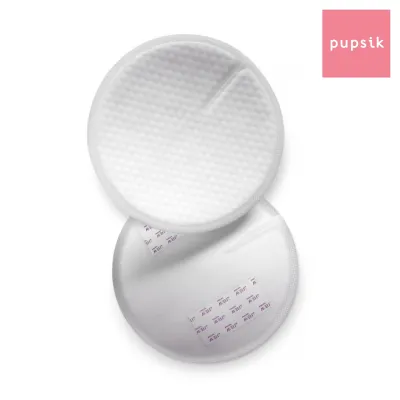
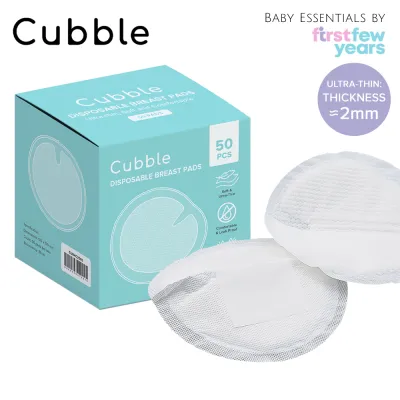
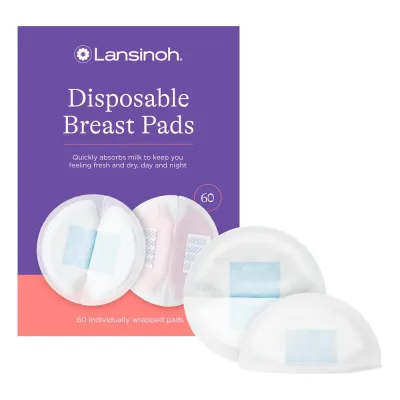
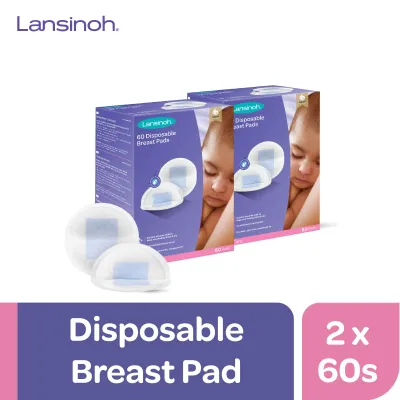
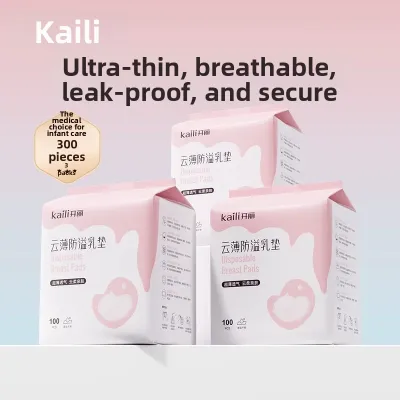
Prices are valid at publication and may change. Please refer to the product page for the latest price.
Absorbency, Leak Protection, and Skin Comfort
Disposable breast pads are engineered for high-performance absorbency, utilizing superabsorbent polymers similar to those found in modern diapers. These polymers quickly lock away liquid, turning it into a gel that keeps moisture away from the skin. This rapid absorption is highly effective at preventing wetness from seeping through to your clothing, even during heavy let-downs. The outer layer of a disposable pad typically features a waterproof plastic backing that acts as a reliable barrier against leaks.
Reusable breast pads rely on natural or synthetic fabric layers to absorb milk. Common materials include organic cotton, bamboo, and microfiber. Bamboo is highly favored for its soft texture and natural moisture-wicking properties, making it exceptionally gentle on tender skin. To prevent leaks, high-quality reusable pads incorporate a hidden outer layer made of polyurethane laminate, a breathable yet waterproof fabric. While reusables are highly absorbent, they do not turn liquid into gel, meaning they can feel damp once they reach their capacity.
In humid weather, breathability becomes a critical factor for skin comfort. Disposable pads, despite their high absorbency, sometimes feature synthetic backings that can trap heat and humidity, potentially causing skin friction and irritation. Reusable bamboo or cotton pads allow for better air circulation, which helps keep the skin cool and reduces the risk of heat rash. However, if a reusable pad becomes fully saturated and is not changed promptly, the prolonged contact with wet fabric can compromise the skin barrier.
Fit and discretion under clothing also vary significantly between the two types. Disposable pads are typically ultra-thin, contoured, and equipped with adhesive strips that secure them firmly to the inside of your nursing bra. This prevents them from shifting or bunching up. Reusable pads are generally thicker and lack adhesive backings, relying instead on the snug fit of your bra to stay in place. Under thin or tight clothing, the seams or bulk of a reusable pad may be slightly more visible compared to a seamless disposable option.
Convenience, Hygiene, and Daily Routine Fit
Disposable breast pads offer unparalleled convenience, especially for mothers with busy schedules or those transitioning back to office work. Each pad is usually individually wrapped, allowing you to slip a few spare pairs into your diaper bag, purse, or desk drawer without worrying about contamination. When a pad becomes damp, you simply peel it off, discard it in a waste bin, and replace it with a fresh one. This zero-maintenance cycle is highly practical when you are away from home.

Reusable breast pads require a committed washing and drying routine. After use, damp pads must be stored in a breathable wet bag to prevent mildew until they can be laundered. Washing them involves using a gentle, fragrance-free detergent and avoiding fabric softeners, which can coat the fibers and drastically reduce their absorbency. In humid climates, ensuring reusable pads dry completely can take longer, requiring a well-ventilated area or a clothes dryer to prevent musty odors.
Changing pads in public restrooms highlights the practical differences between the two formats. Disposables can be changed quickly and hygienically, with the soiled pads disposed of immediately. For reusables, you must carry a dedicated waterproof wet bag to store the damp pads until you return home. While this is highly manageable with preparation, it does add an extra step to your packing routine and requires carrying soiled items with you throughout the day.
Hygiene is paramount when managing breast milk leakage, as warm, damp environments are ideal breeding grounds for bacteria and yeast. Regardless of the type you choose, leaving a damp pad against your breast for too long increases the risk of nipple soreness, cracked skin, and infections like thrush. Disposables must be discarded immediately upon feeling damp, while reusables must be washed frequently and dried thoroughly to ensure they remain safe for your skin and your baby.
Long-Term Cost and Environmental Impact
Evaluating the financial commitment of breast pads requires looking beyond the initial purchase price. Disposable pads represent a recurring expense that continues for as long as you breastfeed or pump. While a single box of disposables is relatively inexpensive, the cumulative cost over six months or a year can become substantial, especially if you experience heavy leakage and change your pads multiple times a day.
Reusable breast pads require a higher upfront investment, as you will need to purchase a sufficient supply—typically between 6 to 12 pairs—to cover your needs while others are in the wash. However, once this initial purchase is made, the ongoing costs are virtually zero, aside from the minor expense of water and electricity used during laundering. For mothers who plan to breastfeed long-term or across multiple children, reusable pads offer significant cumulative savings.
To estimate your personal break-even point, you can use a simple decision framework based on your expected usage. First, check the price of a standard box of disposable pads on your preferred online marketplace and divide it by the number of pads to find the cost per pad. Next, estimate how many pads you use daily. Multiply this daily cost by 30 to find your monthly expenditure. Compare this monthly total against the upfront cost of a high-quality set of reusable pads to determine exactly how many weeks of use it will take for the reusables to pay for themselves.
From an ecological perspective, the environmental footprints of the two options are vastly different. Disposable pads contribute directly to landfill waste, as they are single-use items containing synthetic materials and plastic packaging that do not easily biodegrade. Reusable pads significantly reduce physical waste by replacing hundreds of single-use products. While laundering reusables does consume water and energy, their overall lifetime environmental impact is considerably lower, making them the preferred choice for eco-conscious families.
How to Decide: Choose Reusable or Disposable?
To finalize your choice, consider how your daily habits, milk supply, and physical environment align with the unique characteristics of each pad type. Your routine does not have to rely exclusively on one option; many mothers find success by matching the pad type to specific daily scenarios.
You should lean toward reusable breast pads if:
- You have highly sensitive skin or are prone to contact dermatitis from synthetic materials.
- You spend the majority of your day at home, where laundry facilities are easily accessible.
- You experience heavy, consistent leaking and want to avoid the high recurring cost of disposables.
- Minimizing your household's environmental footprint and reducing single-use plastic waste is a priority.
You should lean toward disposable breast pads if:
- You travel frequently, commute, or are returning to an office environment where washing cloth pads is impractical.
- You have a light or occasional leak pattern and only need to wear pads sporadically.
- Your daily schedule is highly demanding, and you prefer to minimize laundry tasks to save time and energy.
- You prioritize a completely seamless, discreet look under thin or fitted professional clothing.
A hybrid approach often provides the ideal balance of comfort, economy, and convenience. For example, you can wear soft, breathable reusable pads while resting at home or sleeping, and switch to ultra-thin, secure disposable pads when heading out, working, or traveling. This allows you to enjoy the skin-friendly benefits of cloth while retaining the on-the-go convenience of single-use options.
If you experience persistent skin irritation, recurring nipple thrush, or severe breast pain, consult a lactation consultant or a healthcare professional. They can help evaluate whether your choice of breast pad, your changing frequency, or your cleaning routine is contributing to the issue, ensuring you receive personalized guidance for a comfortable breastfeeding journey.
Essential Care and Hygiene Practices for Breast Pads
Maintaining strict hygiene practices is essential to protect your skin and ensure a safe feeding environment for your baby. Breast milk is rich in nutrients, which can quickly encourage bacterial growth when kept warm and moist against your body. Establishing a consistent routine for changing and cleaning your pads will help prevent common nursing complications.
Always change your breast pads immediately if they feel damp, heavy, or if you detect any unusual odor. Do not wait for a scheduled feeding time to swap out a wet pad; prolonged exposure to moisture weakens the skin barrier, making your nipples more susceptible to cracking and infection. Wash your hands thoroughly with soap and water before handling fresh pads or touching your breast area.
When laundering reusable breast pads, follow these steps to ensure they are thoroughly sanitized:
- Wash pads in warm water using a mild, hypoallergenic, and fragrance-free laundry detergent.
- Avoid using fabric softeners or bleach, as these additives can leave a residue that clogs the fabric fibers, reducing absorbency and potentially irritating your baby's skin.
- Dry the pads completely before storing them. In humid environments, line-drying indoors may not be sufficient; consider drying them in direct sunlight, in a well-ventilated outdoor area, or using a clothes dryer on a warm setting.
- Store clean, dry pads in a sealed, dust-free container until they are ready for use.
Be vigilant for warning signs of common infections such as nipple thrush or mastitis. Thrush, a fungal infection, often presents as intense, burning nipple pain, itchy or flaky skin, or shiny red nipples, and it can be passed between mother and baby during feeding. Mastitis, a bacterial infection of the breast tissue, may cause flu-like symptoms, fever, warmth, swelling, and painful red streaks on the breast. If you observe any of these symptoms, stop using breast pads immediately, keep the area clean and dry, and consult a healthcare professional for proper diagnosis and treatment.
Frequently Asked Questions (FAQ)
Can I wear breast pads while sleeping?
Yes, you can wear breast pads while sleeping to manage nighttime leaks and protect your bedding. However, because you will wear them for an extended period, it is crucial to choose highly breathable and absorbent options, such as contoured bamboo reusables or specialized overnight disposable pads. Ensure your sleeping bra fits loosely to avoid localized pressure, and change the pads immediately upon waking to minimize moisture buildup against your skin.
Do breast pads affect milk supply?
No, breast pads do not physically restrict or alter your milk production. Your milk supply is regulated by demand and hormone levels rather than external contact. However, if you wear a nursing bra that is too tight or if you stuff thick pads tightly into a restrictive bra, the resulting pressure can compress your breast tissue. This compression can lead to blocked milk ducts or localized discomfort, so always ensure your bra has sufficient room to accommodate your pads comfortably.
Community discussion
Share your experience or ask a question. Comments are reviewed before publication.