
Quick Answer: Which Baby Pee Pad is Right for Your Nursery?
When setting up a changing station, choosing the right pee pad baby accessory is essential for maintaining hygiene and protecting your nursery furniture. Parents generally choose between two primary options: washable multi-layered fabric pads (reusables) and single-use absorbent paper and polymer pads (disposables). Each option serves the same basic purpose of catching unexpected leaks and messes during diaper changes, but they differ significantly in daily management and long-term utility.
Reusable pads offer substantial long-term financial savings and a reduced environmental footprint, but they require active laundry management and dedicated drying space. Disposable pads provide maximum convenience and a guaranteed sterile surface for every change, though they come with recurring financial costs and generate ongoing household waste.
For households with a home-centric routine and reliable laundry setups, reusable pads are often the most practical choice. Conversely, families who travel frequently, lack indoor drying space, or prioritize quick cleanups during late-night changes often find disposable pads more suitable for their lifestyle.
Products mentioned in this guide
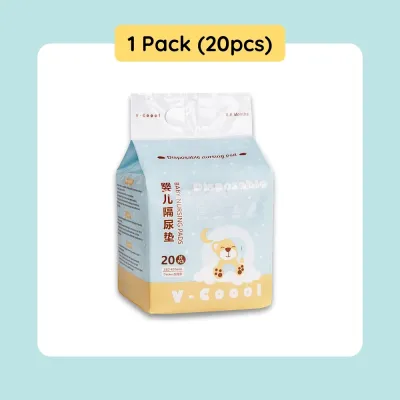
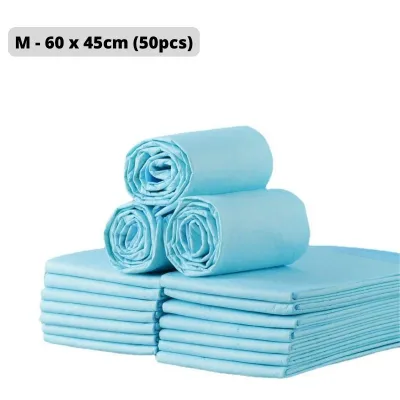
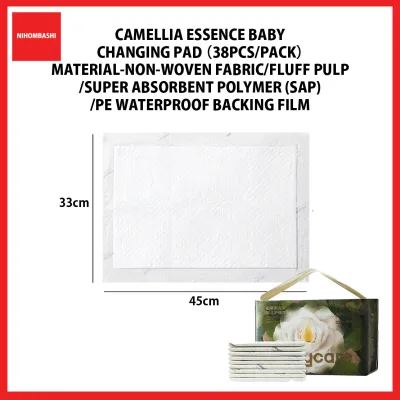
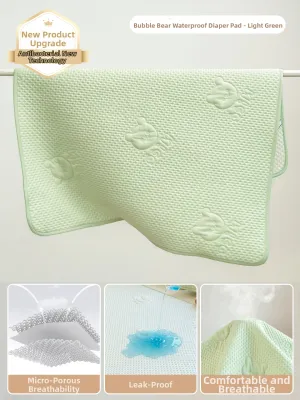
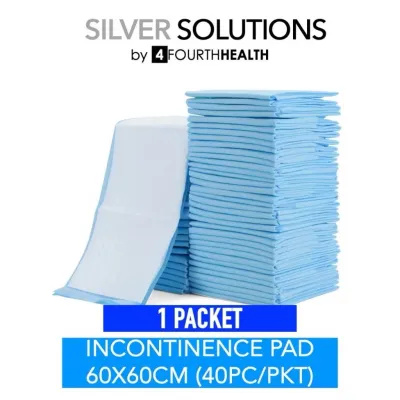
Prices are valid at publication and may change. Please refer to the product page for the latest price.
Upfront Cost vs. Long-Term Value in Singapore
Evaluating the financial impact of your choice requires looking beyond the initial purchase price to consider the cumulative expenses over your baby’s diaper-wearing years. Because babies require multiple diaper changes a day for the first two to three years of life, the cost of protection pads can accumulate quietly but significantly.

The Economics of Disposable Pads
Disposable pads have a very low upfront cost, typically retailing in packs that cost between S$10 and S$30 depending on the brand and package size. This low initial barrier makes them highly accessible for expectant parents preparing their nursery. However, because a newborn can easily go through five to eight diaper changes a day, a single pack can disappear within a couple of weeks. Over a span of two to three years, the cumulative cost of constantly replacing these single-use sheets can easily climb into hundreds of dollars. Parents in Singapore can mitigate some of these recurring expenses by purchasing in bulk through local online supermarkets, warehouse clubs, or during annual baby fairs.
The Economics of Reusable Pads
Reusable pads require a larger initial investment. A single high-quality washable pad made of premium fabrics can cost anywhere from S$15 to S$40. Because you need to allow time for washing and drying, a functional nursery setup typically requires a rotation of six to ten pads. This means your upfront cost could range from S$90 to S$400. Despite this higher starting point, the cost per use drops dramatically over time. Once purchased, these pads can be washed and reused hundreds of times, making them highly economical. If you preserve the pads well, they can also be handed down to subsequent children, reducing your nursery expenses for future siblings to virtually zero.
Factoring in Hidden Expenses
When comparing costs, it is also important to factor in hidden household expenses. For reusable pads, this includes the cost of water, electricity, and baby-safe laundry detergent. In Singapore, where utility tariffs are updated quarterly, running frequent hot water cycles and mechanical dryers can slightly elevate your monthly household bills. For disposable pads, the hidden costs are less about utilities and more about physical waste management, including the ongoing purchase of trash bags and the effort of managing heavier daily household waste.
Convenience, Laundry, and Daily Routine
How a product integrates into your daily workflow often dictates how satisfied you will be with it over time. The choice between reusable and disposable pads directly impacts your laundry routine, storage space, and how you handle diaper changes outside the home.
The Convenience of Single-Use Solutions
Disposable pads excel in convenience, particularly during high-stress parenting moments. When a diaper blowout occurs or when you are managing a fussy baby in the middle of the night, being able to roll up the soiled pad and toss it directly into the bin saves valuable time and energy. There is no need to scrape off solid waste, soak stained fabric, or run immediate wash cycles. This ease of use is also highly beneficial for babysitters, grandparents, or alternative caregivers who may assist with daily infant care.
Laundry Management and the Singapore Climate
Reusable pads introduce a permanent addition to your laundry cycle. To maintain proper hygiene, soiled fabric pads must be stored in a dry wet-bag or diaper pail and washed within a few days. In Singapore, the tropical, high-humidity climate presents a specific challenge for drying these thick, multi-layered fabric pads. During the monsoon seasons, air-drying laundry indoors can take more than 24 hours. If fabric pads remain damp for too long, they can develop musty odors, mildew, or bacterial growth. To manage this successfully, households should have access to a tumble dryer, a mechanical drying rack with a heater, or a well-ventilated space equipped with a dehumidifier.
Portability and On-the-Go Changes
When traveling outside the home, the convenience dynamic shifts further. Public changing tables in shopping malls, clinics, and transit stations are highly convenient but see heavy public use. Spreading a disposable pad over these surfaces provides a clean barrier, and once the change is complete, the pad is discarded in the public bin, leaving your diaper bag light and odor-free. Using a reusable pad on the go requires you to carry the soiled, wet fabric back home in a sealed wet-bag, which takes up physical space in your diaper bag and requires prompt washing once you return home.
Hygiene, Skin Health, and Leak Protection
Protecting your baby’s delicate skin barrier while ensuring effective containment of messes is a primary concern for any parent. The materials used in both reusable and disposable pads handle moisture, airflow, and hygiene in fundamentally different ways.
Absorbency Mechanics and Leak Prevention
Reusable pads typically feature a multi-layered construction. The top layer is usually made of soft natural fibers like organic cotton, bamboo fleece, or charcoal-infused fabrics, while the middle contains an absorbent microfiber core. The bottom layer consists of a waterproof backing, often made of Thermoplastic Polyurethane (TPU) or Polyurethane Laminate (PUL). This fabric combination is highly effective at absorbing liquid, but it relies on physical fibers to hold the moisture.
Disposable pads utilize superabsorbent polymers (SAP) sandwiched between a soft non-woven top sheet and a plastic waterproof backing. When liquid contacts SAP, it instantly turns into a dry gel, locking moisture away from the surface. While both types provide excellent leak protection, parents must check the manufacturer’s specifications for maximum fluid capacity and regularly inspect reusable pads to ensure the waterproof TPU backing has not cracked or degraded during washing.
Skin Sensitivity and Breathability
An infant’s skin is thin and highly susceptible to irritation. Reusable pads made of natural fibers like bamboo or organic cotton are naturally soft and free from synthetic chemicals, making them gentle on sensitive skin. However, because fabric holds moisture rather than converting it to gel, a baby left on a wet reusable pad for too long will experience wetness against their skin, which can lead to diaper rash.
Disposable pads keep the skin surface dry by wicking moisture away rapidly. However, some disposable brands contain added synthetic fragrances, chemical lotions, or bleaching agents used during the manufacturing process. These additives can trigger contact dermatitis or allergic reactions in babies with highly sensitive skin. Parents should look for fragrance-free, elemental chlorine-free options if they choose disposables.
Hygiene Maintenance and Sanitisation
Maintaining a clean changing surface is critical to preventing the spread of bacteria. Disposable pads offer a guaranteed sterile surface for every single diaper change, eliminating any risk of cross-contamination. Reusable pads require diligent sanitisation. They must be washed with a mild, baby-safe, fragrance-free detergent. To protect the waterproof backing, manufacturers often recommend washing at temperatures below 40 degrees Celsius, though some heavy-duty pads can tolerate higher temperatures for disinfection. If your baby develops a persistent diaper rash or skin infection, stop using your current pad rotation, sanitise your changing area thoroughly, and consult a pediatrician for professional medical advice.
Environmental Impact and Waste Management
For many modern parents, ecological considerations play a major role in purchasing decisions. The environmental footprint of baby care items is a growing concern, especially regarding single-use plastics and landfill limits.
The Landfill Challenge of Disposables
Disposable pads contribute directly to the volume of solid waste sent to municipal landfills. In Singapore, household trash is collected and sent to waste-to-energy incineration plants, with the remaining ash transported to the Semakau Landfill. Because Semakau has finite space, reducing daily waste is a national priority. Disposable pads are made primarily of bleached wood pulp, non-biodegradable plastics, and chemical superabsorbent polymers. The extraction of raw materials, manufacturing processes, and shipping of these single-use items create a continuous cycle of resource consumption and carbon emissions.
The Resource Footprint of Reusables
Reusable pads significantly reduce the volume of solid waste leaving your home. Over two years, a small stash of washable pads can replace hundreds of disposable sheets. However, reusables are not entirely without environmental impact. They require water and electricity for washing, as well as the chemical footprint of detergents. Parents can minimize this impact by adopting eco-friendly laundry habits, such as washing pads alongside regular baby clothes to ensure full loads, using concentrated biodegradable detergents, and line-drying outdoors whenever Singapore’s sunny weather permits.
Evaluating Alternative Disposable Options
To bridge the gap, some manufacturers offer biodegradable or bamboo-based disposable pads. While these alternatives use more sustainable raw materials, parents should evaluate environmental claims carefully. In Singapore’s waste management system, almost all non-recyclable household waste is incinerated rather than composted. Consequently, biodegradable plastics and organic fibers do not have the opportunity to decompose naturally in a landfill, meaning their primary ecological benefit lies in their sustainable manufacturing processes rather than their end-of-life disposal.
How to Decide: A Practical Decision Framework
Choosing the right pee pad baby accessory does not have to be an all-or-nothing decision. By assessing your living space, daily routine, and personal priorities, you can select the approach that fits your household best.
Choose Reusable Pads If:
- You want to minimize long-term costs: You prefer a one-time upfront investment over recurring monthly expenses.
- You want to reduce household waste: You are conscious of your ecological footprint and want to minimize the trash sent to Singapore's incineration plants.
- You have reliable laundry facilities: You own a tumble dryer, a heated drying rack, or have a well-ventilated indoor laundry space to combat high humidity.
- You primarily change diapers at home: Your daily routine centers around your home nursery setup.
Choose Disposable Pads If:
- You prioritize time-saving convenience: You want to minimize laundry chores and streamline late-night or messy cleanups.
- You travel frequently: You spend a lot of time outdoors, visit family often, or travel regularly where washing fabric pads is impractical.
- You have limited drying space: You live in an apartment or HDB flat with tight laundry quarters and no access to a mechanical dryer.
- You are managing temporary situations: You need a quick, sterile solution during family illnesses or stomach bugs.
- You have a highly sensitive baby: Your baby is prone to immediate diaper rash when skin comes into contact with damp fabric.
The Hybrid Approach
Many parents find that a hybrid strategy offers the best balance of convenience, cost savings, and environmental responsibility. Under this model, you keep a main stash of six to eight reusable pads at home for everyday use on your changing table. At the same time, you keep a pack of disposable pads in your diaper bag for outings, travel, and emergency night-time changes. This approach keeps your recurring costs low while preserving the convenience of single-use options when you need them most.
Safety and Fit Verification
Regardless of which type you choose, safety must come first. Before purchasing any pad, measure the exact dimensions of your changing table or changing mat. The chosen pad must fit securely within the borders of the changing surface. A pad that is too large will overhang, creating a slipping hazard, while a pad that is too small may slide around when your baby moves, compromising both protection and safety.
Best Practices for Using Pee Pads on Changing Tables
Using a pee pad baby accessory correctly on an elevated changing table requires attention to detail to ensure your nursery remains both clean and safe.
Secure Placement and Non-Slip Backing
Always ensure the pad is positioned flat and securely on the changing surface. Many reusable pads feature textured silicone dots or rubberised backing material designed to grip the surface of your changing mat. If using a disposable pad, look for options with adhesive corner strips that lock the pad in place. This prevents the pad from bunching up or sliding when your baby kicks, turns, or wiggles during a change.
Dual-Layer Protection Strategy
For maximum efficiency, consider layering a reusable or disposable pad over a wipeable, waterproof changing table cover. If a minor leak occurs, the pad absorbs the liquid, allowing you to simply swap the pad without needing to clean the entire table. If a major blowout overflows the pad, the wipeable cover underneath acts as a secondary barrier, protecting the wooden or cushioned surface of your changing table from permanent stains and odors.
Critical Safety Supervision
It is vital to remember that a pee pad is not a safety restraint. Elevated changing tables present a significant fall risk for infants of all ages. Never leave your baby unattended on a changing table, even for a single second, regardless of how comfortable or secure the pad appears. Always keep one hand on your baby at all times during the diaper change, and keep all clean diapers, wipes, and fresh pads within arm’s reach before you begin.
Frequently Asked Questions (FAQ)
How many reusable baby pee pads do I need for a newborn?
For a newborn, having a rotation of six to ten reusable pads is highly recommended. Newborns require frequent diaper changes, often up to ten to twelve times a day, and unexpected leaks can happen during the process. If you plan to wash laundry every day, a stash of six pads is usually sufficient. However, if you prefer to wash laundry every other day, or if you are drying pads indoors during Singapore’s humid monsoon seasons, having eight to ten pads ensures you always have a clean, dry cover ready when you need it.
Can I use a regular household towel instead of a dedicated baby pee pad?
While a regular cotton bath towel is highly absorbent, it is not a suitable replacement for a dedicated baby pee pad. Standard towels lack a waterproof backing, which means any urine or liquid mess will seep straight through the fabric and soil the changing table cover or mattress underneath. Additionally, household towels do not have non-slip backings, causing them to bunch up easily when a baby moves. This lack of stability can make the changing surface uneven and less secure, posing a safety risk compared to purpose-built pads designed to stay flat and contain moisture.
Community discussion
Share your experience or ask a question. Comments are reviewed before publication.