
When babies transition from crawling to taking their first tentative steps, the home environment suddenly presents a multitude of sharp edges and hard corners. In Singapore, where modern apartments often feature compact layouts with built-in laminate cabinetry, sharp-edged dining tables, and low-lying TV consoles, baby-proofing becomes an essential step in creating a secure living space. Finding a reliable wall protector or edge guard requires balancing impact absorption, chemical safety, and adhesive reliability.
A dependable wall protector must cushion impacts effectively while remaining securely attached to various surfaces, even in humid tropical conditions. Because infants and toddlers frequently touch, lean on, or even chew these protective barriers, the materials must be thoroughly verified as non-toxic and free from harmful chemical additives. Additionally, the adhesive must be strong enough to withstand curious hands but formulated to prevent permanent damage to your furniture finishes or painted walls.
While many brands claim to offer the ultimate safety solution, parents must look beyond marketing promises. Evaluating material density, checking independent safety certifications, and understanding how different adhesives interact with your home’s surfaces are the most reliable ways to choose the right protectors for your family.
Products mentioned in this guide

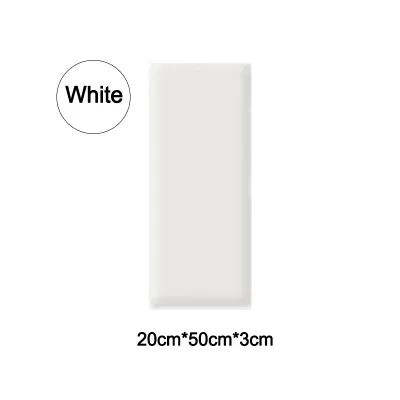

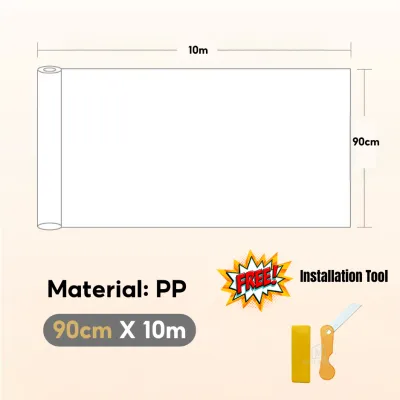
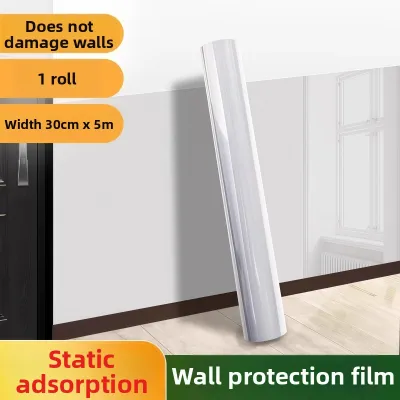
Prices are valid at publication and may change. Please refer to the product page for the latest price.
How to Evaluate Wall Protector Brands and Specifications
Navigating the wide array of baby-proofing products on the market requires a systematic approach to evaluating brand transparency and product specifications. Reliable brands distinguish themselves by providing clear, accessible information about where their products are manufactured, what materials are used, and how they have been tested for safety. When browsing options, prioritize manufacturers that openly publish their material safety data sheets or compliance certificates rather than those using vague terms like “child-safe” without supporting evidence.
Adhesive performance is one of the most common points of failure for edge guards, particularly in Singapore’s high-humidity climate. Moisture in the air can weaken standard double-sided tapes, causing the protectors to peel away and create both a safety gap and a tempting object for your baby to pull. When reading user reviews on local ecommerce platforms, look specifically for feedback regarding how well the adhesive holds up over several months and whether it leaves a stubborn, sticky residue or strips paint upon removal.
Comparing price ranges is also essential for budgeting your baby-proofing project. In Singapore, basic foam edge guard rolls typically range from S$8 to S$18, while premium, certified silicone corner protectors can cost between S$15 and S$35 per pack, depending on the quantity and included accessories. To determine the true value, calculate the cost per meter and check whether the package includes high-quality, branded adhesive tapes or specialized installation tools that simplify the application process.
Finally, always review the manufacturer’s instructions for specific age recommendations and usage limitations. Some edge guards are designed specifically for younger infants who are just beginning to crawl, while others are robust enough to protect active toddlers who run and play. Understanding these limits ensures you select a product that matches your child’s current developmental stage and physical activity level.
Comparing Materials and Designs for Different Furniture
Different furniture pieces and household layouts require specific types of protective materials and designs to ensure maximum effectiveness. The three most common materials used in modern edge guards are Nitrile Butadiene Rubber (NBR) foam, silicone, and Polyvinyl Chloride (PVC), each offering distinct advantages and trade-offs.

Nitrile Butadiene Rubber (NBR) Foam
NBR foam is highly favored for its exceptional cushioning and shock-absorbing properties. This material is thick, soft, and spongy, making it ideal for low-lying coffee tables, TV consoles, and heavy wooden bed frames where high-impact bumps are more likely to occur. However, because NBR is soft, it can be easily damaged by teething babies who may attempt to bite or pick at the foam, requiring closer caregiver supervision.
Silicone and Polyvinyl Chloride (PVC)
Silicone and PVC protectors offer a firmer, highly durable alternative to foam. Silicone is naturally bite-resistant, making it an excellent choice for dining table edges and areas within easy reach of a teething child. PVC is often used for ultra-clear designs that blend seamlessly with glass tabletops or modern minimalist decor. While these materials are thinner than NBR foam, they provide excellent localized protection against sharp corners without altering the aesthetic appeal of your furniture.
Pre-Cut Corners versus Continuous Rolls
Choosing between pre-cut corner pieces and continuous rolls depends entirely on the shape of the furniture you need to cover. Pre-cut corner guards are molded to fit standard 90-degree angles perfectly, eliminating the need for complex folding or cutting and reducing the risk of peeling at the joints. Continuous rolls, on the other hand, offer the flexibility to cover long, straight runs, curved edges, or unusually shaped custom cabinetry common in many Singaporean homes.
Color Matching and Visual Cues
Color selection plays a dual role in home aesthetics and child safety. Transparent guards are virtually invisible, preserving the natural look of wooden, glass, or metal furniture. Conversely, choosing guards in contrasting colors can serve as a helpful visual cue for toddlers, teaching them to identify and avoid sharp edges as they navigate the home.
Verifying Safety Labels and Furniture Compatibility
Because baby-proofing products are installed within direct reach of curious infants, verifying their chemical safety and physical compatibility with your home is a critical step in the selection process.
Chemical Safety and Certifications
Since babies often explore their surroundings by mouthing objects, you must verify that any edge guard you purchase is chemically safe. Look for products that explicitly state they are free from Bisphenol A (BPA), phthalates, heavy metals, and flame retardants. Parents should verify independent safety certifications, such as European Union (EN 71) standards or REACH compliance, by checking the manufacturer’s official documentation rather than relying solely on product listings.
The Hidden Spot Test
Adhesives can react unpredictably with different furniture finishes, potentially ruining expensive wood veneers, lacquers, or painted drywall. Before applying any protector to a highly visible area, perform a spot test on an inconspicuous part of the furniture, such as the underside of a table or behind a cabinet. Apply a small piece of the adhesive tape, leave it for 24 to 48 hours, and then carefully remove it to check for any signs of paint peeling, discoloration, or surface damage.
Choking Hazard Prevention
Any baby-proofing device can become a hazard if it degrades or detaches. Soft foam guards can crumble or tear over time, especially if subjected to constant biting or pulling. Regularly inspect all installed protectors for signs of wear, loose edges, or missing pieces, and replace them immediately if you detect any structural compromise to prevent choking risks.
Installation Steps and Ongoing Safety Maintenance
Proper installation and consistent maintenance are key to ensuring that your wall protectors and edge guards remain effective over the long term.
Surface Preparation and Cleaning
For the adhesive to form a strong, lasting bond, the application surface must be completely clean, dry, and free from oils or dust. Wipe the furniture edge thoroughly with a mild soap solution or a mixture of water and rubbing alcohol, ensuring the cleaning agent is safe for your specific furniture finish. Allow the surface to dry completely; in Singapore’s humid climate, even a tiny amount of trapped moisture can prevent the adhesive from bonding correctly.
Application and Curing Time
Measure the area carefully and cut the protector to size using sharp scissors or a utility knife. Apply the double-sided adhesive tape to the inside of the protector first, pressing it down firmly to eliminate air bubbles. Next, align the protector with the furniture edge and press it down with firm, even pressure along the entire length for at least 30 seconds. To achieve maximum bond strength, allow the adhesive to cure undisturbed for the manufacturer-recommended time, which is typically 24 hours, before allowing your child near the area.
Routine Inspection and Maintenance
Baby-proofing is not a one-time task but an ongoing process of maintenance and adjustment. Establish a weekly routine to inspect all edge guards and wall protectors throughout your home. Check for peeling corners, loose tape, or signs of material degradation. Toddlers are naturally curious and persistent; once they notice a loose edge, they may attempt to peel the entire guard off, compromising the safety of the room.
Frequently Asked Questions (FAQ)
Can wall protectors damage wooden or painted furniture?
Yes, strong adhesives can strip paint, varnish, or wood veneer if they are removed improperly. To minimize the risk of damage, perform a hidden spot test before full installation and use high-quality acrylic adhesives designed for clean removal. When it is time to remove the protectors, apply gentle heat from a hair dryer to soften the adhesive before slowly peeling it back at a shallow angle.
How often should I replace baby edge guards?
Edge guards should be replaced immediately if you notice any signs of peeling, tearing, crumbling, or loss of adhesion. The replacement frequency depends on your child’s developmental stage and how frequently they interact with the guards. Generally, protectors should remain in place until your child has developed stable coordination and outgrown the height of the sharpest furniture hazards, which typically occurs around two to three years of age.
Are transparent silicone guards safer than foam ones?
Neither material is universally safer, as they serve different protective needs. Transparent silicone is highly durable, bite-resistant, and less likely to tear, making it an excellent choice for preventing choking hazards in homes with teething babies. However, dense NBR foam provides superior impact cushioning for high-velocity bumps, making it highly effective for low-lying, heavy furniture corners where severe impacts are more likely.

Community discussion
Share your experience or ask a question. Comments are reviewed before publication.