
Sharp furniture corners pose a constant hazard to active toddlers. When childproofing your home, choosing a high-quality table edge strip is one of the most effective steps you can take to prevent painful bumps and serious injuries. However, with countless options available in local retail shops and online marketplaces, finding a reliable brand requires looking past basic designs. A truly dependable edge guard must balance impact cushioning, strong adhesive performance under local environmental conditions, and certified material safety.
In Singapore’s warm and humid climate, standard adhesives can quickly degrade, causing edge guards to peel away and create safety hazards. Selecting a reliable product involves understanding how different materials perform, how to verify safety certifications, and how to install and maintain the strips correctly. This guide provides a practical framework to help you choose the most reliable table edge strip brands and materials to keep your child safe.
What Makes a Table Edge Strip Reliable for Baby Proofing?
To evaluate the reliability of a table edge strip, you must look at three core pillars: impact absorption, adhesion quality, and material safety. A reliable brand will clearly state these specifications and testing standards on their packaging rather than relying on vague marketing terms. Understanding these criteria allows you to make an informed decision based on your child’s developmental stage.
Products mentioned in this guide
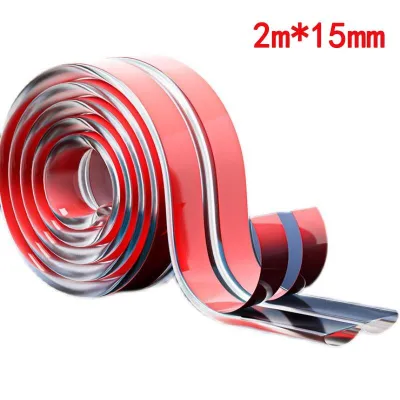
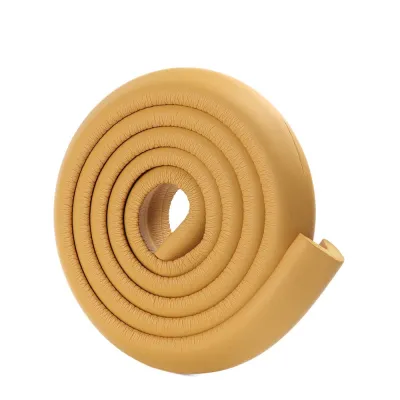
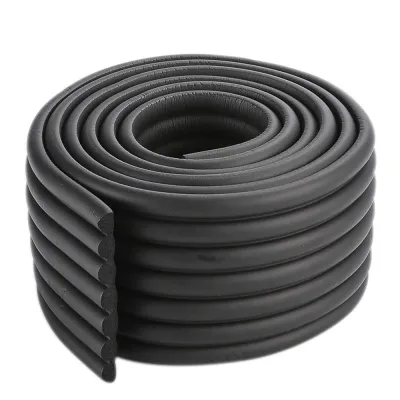
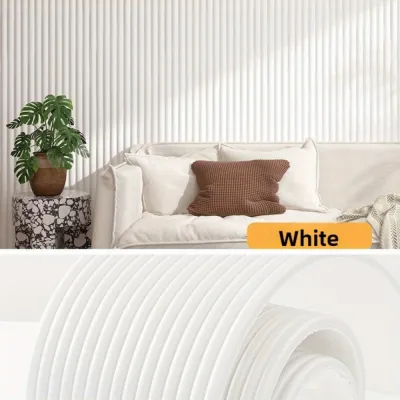
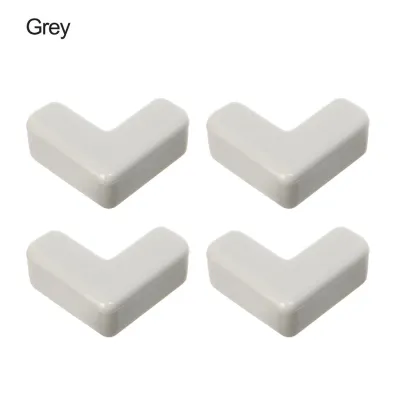
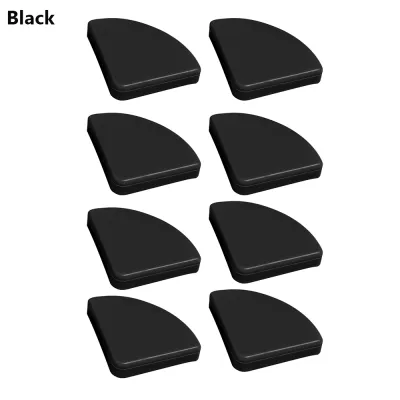

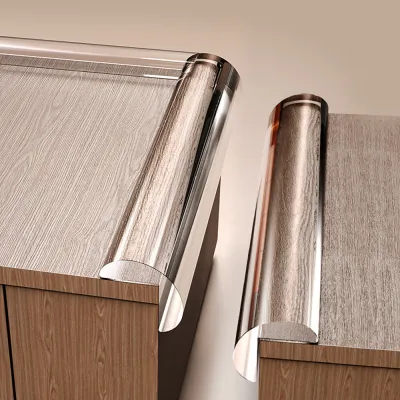
Prices are valid at publication and may change. Please refer to the product page for the latest price.
Impact Absorption
Impact absorption is determined by the density and thickness of the material. A reliable edge strip must be thick and resilient enough to cushion a child’s fall, absorbing the kinetic energy of an impact before it reaches the hard furniture surface beneath. For high-risk areas like low coffee tables and TV consoles, a thickness of at least 8mm to 12mm is generally recommended to provide adequate protection. The material should quickly bounce back to its original shape after being compressed.
Adhesion Quality
Adhesion quality is critical for keeping the edge strip securely in place. Toddlers are naturally curious and will often attempt to pull, peel, or bite the edge guards. If the adhesive fails, the strip becomes useless and can even turn into a tripping or choking hazard. A reliable brand uses high-grade, pressure-sensitive acrylic tape (such as genuine 3M double-sided tape) that cures securely to the furniture surface. The adhesive must be strong enough to withstand persistent pulling but formulated to be removed without leaving permanent residue or destroying the furniture finish.
Material Safety
Material safety is paramount because infants and toddlers frequently explore their environment by chewing or licking objects. Table edge strips must be free from harmful chemical additives, including bisphenol A (BPA), phthalates, heavy metals (such as lead or cadmium), and toxic halogenated flame retardants. Reliable brands subject their products to rigorous third-party testing and list these safety compliances clearly on their packaging.
Child Development Stages
The age and mobility stage of your child directly influence the type of edge strip you need:
- Crawling and Pulling Up (6 to 10 months): Babies at this stage are at eye level with low furniture like coffee tables and TV consoles. They require soft, thick cushioning to protect their delicate foreheads and eyes from accidental bumps.
- Cruising and Early Walking (10 to 18 months): Toddlers are highly unstable on their feet and prone to sudden, heavy falls. Thick, high-density foam guards are highly effective for these high-impact situations.
- Running and Active Play (18 months and older): Children move with greater momentum, shifting the risk to higher dining tables and kitchen countertops. This stage requires robust, securely anchored edge guards that will not tear or dislodge upon high-velocity impacts.
Comparing Common Edge Guard Materials
Choosing the right material involves balancing your furniture type, aesthetic preferences, and your toddler’s behavior. The most common materials available in Singapore include NBR foam, clear silicone, PVC, and dense rubber. Each material offers distinct trade-offs in terms of cushioning, visibility, and durability.

| Material Type | Impact Absorption Level | Aesthetic Visibility | Chew Resistance | Best Suited For |
|---|---|---|---|---|
| NBR Foam | High (Excellent cushioning) | High (Bulky, opaque) | Low (Prone to bite tears) | Low coffee tables, TV consoles, sharp wooden corners |
| Clear Silicone | Moderate | Low (Transparent, sleek) | High (Tough and bite-resistant) | Dining tables, glass surfaces, modern minimalist furniture |
| PVC (Plastic) | Low to Moderate | Low to Moderate | High (Firm surface) | Rounded edges, low-traffic areas, shelving |
| Dense Rubber | High | High (Industrial appearance) | Moderate | Heavy utility tables, playrooms, high-impact zones |
NBR (Nitrile Butadiene Rubber) Foam
NBR foam is the most popular material for baby proofing due to its exceptional shock-absorption properties. It is highly cushiony and soft to the touch, making it ideal for sharp corners where severe impacts are possible. However, NBR foam is susceptible to chewing. Teething toddlers can easily bite off pieces of the foam, which poses a serious choking hazard. If you choose NBR foam, you must monitor it closely for any signs of damage.
Clear Silicone and PVC
Clear silicone and PVC edge guards are popular for parents who want to preserve the aesthetic appeal of their furniture. These materials are transparent, sleek, and blend seamlessly with wooden, glass, or metal tables. They are also highly durable and chew-resistant, making them an excellent choice for teething toddlers. However, because silicone and PVC are denser and thinner than NBR foam, they offer significantly less impact absorption. They are best suited for slightly rounded edges or low-risk areas rather than sharp, hard corners at a toddler’s head height.
Dense Rubber
Dense rubber edge guards offer excellent long-term wear resistance and high durability. They provide moderate to high cushioning but have a highly visible, industrial appearance. They are typically available in dark colors, which may not blend well with home decor. Dense rubber is best suited for heavy utility tables, playrooms, or outdoor furniture where aesthetics are less of a concern.
Verify Non-Toxic Certifications
Material names alone do not guarantee safety. Parents must verify that the specific product is certified non-toxic, as some cheap foam alternatives may off-gas volatile organic compounds (VOCs) or contain unsafe plasticizers. Always look for brands that provide clear documentation of their material testing and safety certifications.
How to Identify Trustworthy Brands in Singapore
Navigating the baby-proofing market in Singapore requires distinguishing specialized baby safety brands from generic household suppliers. Specialized brands invest in research, design, and rigorous testing to ensure their products meet strict safety standards. Generic suppliers, on the other hand, often sell unbranded rolls of foam with low-grade adhesives that fail within days.
Check for International Safety Standards
When evaluating a brand, look for recognized international safety testing standards on the product packaging, official brand websites, or local distributor pages. Key certifications to verify include:
- EN71 (Part 3): The European standard for toy safety, which ensures that no harmful chemicals or heavy metals migrate from the material when it comes into contact with a child's mouth.
- ASTM F963: The standard consumer safety specification for toy safety in the United States.
- REACH / RoHS: European regulations limiting hazardous substances and chemical mixtures in consumer products.
Read Verified Customer Reviews
Before making a purchase on local e-commerce platforms, read verified customer reviews carefully. Look for feedback that specifically mentions the product’s performance in Singapore’s tropical humidity. Pay attention to reviews discussing adhesive longevity, material odor upon unboxing, and real-world durability. Be skeptical of reviews written immediately after installation; prioritize those detailing how the product has held up after several months of active use by toddlers.
Verify Seller Authenticity and Storage
To ensure you are receiving a genuine product, purchase from authorized local distributors or official brand stores. Products stored in local, climate-controlled warehouses are less likely to suffer from adhesive degradation than those subjected to prolonged transit in hot, unventilated shipping containers from overseas. Buying locally also ensures faster shipping times, reliable return policies, and access to responsive customer service if you encounter any issues.
Step-by-Step Installation and Safe Removal
Proper installation is crucial for ensuring the edge strip remains securely in place, while safe removal techniques protect your furniture from damage. Before applying or removing any edge strip, always check the product’s packaging and your furniture manufacturer’s care instructions. If instructions conflict, or if you are applying the strip to a highly delicate, valuable, or antique surface, stop and consult a professional.
Installation Steps
For the best results and maximum adhesive bond, follow these installation steps:
- Clean the Surface: Clean the furniture edge thoroughly using isopropyl alcohol or a mild, residue-free cleaner to remove dust, grease, and polish. Avoid using household cleaners that leave a slippery film, as this will prevent the adhesive from bonding.
- Ensure Complete Dryness: Allow the surface to dry completely. Any trapped moisture, especially in Singapore's humid climate, can weaken the adhesive over time.
- Measure and Cut: Measure the furniture edge precisely and cut the strip to length. For corners, use pre-molded corner guards or cut precise 45-degree miter joints to prevent gaps.
- Apply the Adhesive: Apply the double-sided tape to the inside of the edge strip first. Press it down firmly along the entire length to eliminate air bubbles.
- Position and Press: Align the strip carefully with the furniture edge. Once positioned, press down firmly and evenly along the entire strip for at least 30 seconds to activate the pressure-sensitive adhesive.
- Allow to Cure: Allow the adhesive to cure undisturbed for 24 to 48 hours before allowing your child near the furniture. Keep your child supervised during this period to prevent premature pulling.
Safe Removal Steps
To remove the edge strip without damaging your furniture finish, follow these steps:
- Apply Heat: Use a hairdryer on a low or medium heat setting, holding it a few centimeters away from the strip. Gently warm the adhesive to soften its bond. Do not overheat, especially on veneered or finished wood.
- Peel Slowly: Slowly and gently peel the strip back at a shallow angle. Do not yank or pull upward abruptly, as this can tear away wood grain, paint, or veneer.
- Clean Residue: For any remaining adhesive residue, apply a small amount of surface-safe adhesive remover, vegetable oil, or mild soapy water. Rub gently with a soft microfiber cloth.
- Delicate Surfaces Warning: On untreated wood, delicate veneers, glass, or leather, improper removal can cause irreversible surface damage. Always test a small, hidden area first or consult a professional furniture restorer if you are unsure.
When to Replace or Upgrade Your Edge Guards
Maintaining ongoing safety requires regular visual and physical inspections of your table edge strips. As toddlers grow, become more active, and develop new ways to interact with their environment, their impact force increases, and the edge guards will experience wear and tear.
Observable Signals for Replacement
Inspect your edge guards weekly for the following signs of degradation:
- Peeling Edges: If the edges of the strip begin to lift or peel away, dust and dirt can accumulate underneath, rapidly weakening the remaining adhesive bond.
- Loss of Foam Elasticity: If the foam remains compressed after an impact and does not bounce back to its original shape, it can no longer provide adequate cushioning.
- Visible Bite Marks or Tears: Teething toddlers may bite or pick at the foam. Any deep tears or missing chunks indicate an immediate need for replacement.
- Adhesive Failure: If the strip slides or shifts easily when pushed, the adhesive has failed and needs to be replaced.
Choking Hazards
Degraded foam pieces pose an immediate choking hazard if a child manages to bite or tear them off. If you notice any damage to the material, remove the compromised section immediately and replace it with a fresh strip. Regular physical inspections are essential to ensure the guards remain firmly bonded and structurally sound, providing a reliable safety barrier for your child.
Frequently Asked Questions (FAQ)
Can I use my own double-sided tape instead of the adhesive provided?
Using generic or unverified household double-sided tape carries significant risks. Generic tapes often lack the shear strength required to resist a toddler’s pulling force, leading to premature failure. Furthermore, some industrial tapes contain strong chemical solvents that can damage furniture finishes or release harmful fumes. If the original adhesive fails, it is highly recommended to use the manufacturer-provided replacement tape or a high-quality, specifically rated acrylic foam tape designed for childproofing and furniture safety.
Are clear silicone edge guards as safe as thick foam ones?
The safety of clear silicone versus thick foam depends on the specific hazard you are addressing. Clear silicone edge guards are highly durable, chew-resistant, and visually discreet, making them excellent for protecting against minor bumps on dining tables or preserving home aesthetics. However, because silicone is denser and much thinner, it provides significantly less impact absorption than thick NBR foam. For sharp, hard corners at a toddler’s head height—especially during the early walking phase—thick foam guards are the safer choice for preventing serious impact injuries.
How do I clean table edge strips without ruining the adhesive?
To clean table edge strips safely, use a soft microfiber cloth dampened with warm water and a small amount of mild, pH-neutral dish soap. Gently wipe the surface of the strip to remove dirt and sticky residue. Avoid using harsh chemical cleaners, bleach, alcohol-based sprays, or abrasive scrubbing pads, as these substances can degrade the foam or silicone material and seep underneath the edges, rapidly weakening the adhesive bond. Always pat the strip dry with a clean towel after cleaning.

Community discussion
Share your experience or ask a question. Comments are reviewed before publication.