
As your baby transitions from crawling to cruising and taking those first tentative steps, the sharp edges of coffee tables, TV consoles, and low shelving units suddenly become significant safety hazards. In Singapore’s high-density apartments, where space-saving furniture with clean, angular lines is common, baby-proofing is a critical step in creating a secure environment. While many brands offer foam corner guards, finding a truly reliable option requires looking beyond basic aesthetics to examine material density, adhesive durability, and chemical safety. A dependable corner guard must cushion impacts effectively, remain firmly attached despite curious fingers, and contain no harmful substances that a teething child might ingest.
Selecting the right brand involves understanding the physical and chemical properties of the protective materials, as well as how they interact with your home’s unique environment. Because Singapore’s tropical climate features high relative humidity, standard adhesives can degrade rapidly, making material and adhesive selection even more critical. By evaluating key physical characteristics and safety certifications, parents can make an informed decision that balances child safety with furniture preservation.
What Defines a Reliable Foam Corner Guard for Baby Safety?
To evaluate the reliability of any baby-proofing brand, you must first understand the materials used to manufacture these protective barriers. The three most common materials found in foam corner guards are Nitrile Butadiene Rubber (NBR), Ethylene-Vinyl Acetate (EVA), and Polyvinyl Chloride (PVC). Among these, NBR is highly favored for its exceptional impact absorption and soft, rubbery texture, making it excellent for cushioning high-velocity bumps. Additionally, NBR features a closed-cell structure that prevents moisture, sweat, and spills from penetrating the foam, which helps inhibit mold growth in humid environments.
Products mentioned in this guide
![Edge Protector 3M Tape [ U L M High Density Foam Corner 2m 4m Toddler Baby Safety Guards Collision ]](https://img.lazcdn.com/g/p/37567a9b000c3e30490abb78b538ddf4.jpg_400x400q80.jpg_.webp)
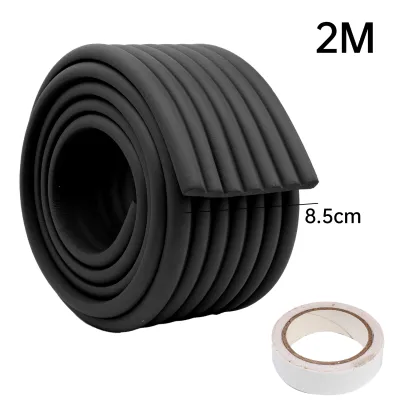
Prices are valid at publication and may change. Please refer to the product page for the latest price.
EVA foam is lighter and slightly firmer, often used in interlocking play mats as well as budget-friendly corner guards. However, EVA can sometimes crack or lose its elasticity over time under constant UV exposure from sunny windows. PVC offers a more rigid structure but is less common in premium, flexible foam-only guards. If you are considering PVC-based guards, verifying that they are free from harmful plasticizers is essential, as older or lower-grade PVC formulations may contain chemical additives that are unsafe for children.
The density of the foam is the primary factor determining how well a guard absorbs shock. Low-density foam may compress completely upon impact, allowing the child’s head or body to strike the hard furniture corner underneath. High-density foam, conversely, retains its structure under pressure, dispersing the force of an impact across a wider surface area. When comparing brands, look for those that specify high-density or extra-thick formulations, as these provide a more robust safety buffer for active toddlers.
Chemical safety is another indispensable pillar of reliability, particularly because infants and toddlers explore their world through touch and taste. Many brands advertise their products as “non-toxic,” “BPA-free,” “lead-free,” or “phthalate-free.” However, because these terms are frequently used as marketing labels, parents must verify these claims by checking for official testing certifications on the product packaging or the manufacturer’s official specifications. A reliable brand will openly document its compliance with international chemical safety standards, ensuring that the foam does not leach harmful compounds if a child decides to chew on it.
Furthermore, a trustworthy brand provides clear guidance regarding the developmental stages and weight or age ranges for which their products are designed. For instance, lightweight guards might suffice for a crawling baby who is just beginning to explore floor-level hazards, whereas heavy-duty, high-density guards are necessary for a cruising toddler who is pulling themselves up using table edges. Transparent material sourcing and explicit usage instructions are key indicators of a brand’s commitment to infant safety.
Key Features to Compare When Evaluating Different Brands
Selecting the right corner guard involves comparing physical specifications and adhesive technologies to match your specific household needs. Not all guards are created equal, and a product that works perfectly on a wooden dining table might fail completely on a glass coffee table or a metal bed frame. By systematically evaluating adhesive quality and physical design, you can avoid the frustration of peeling guards and inadequate protection.

Adhesive Quality and Surface Compatibility
The most frequent point of failure for any corner guard is not the foam itself, but the adhesive holding it in place. Many reputable brands partner with established adhesive manufacturers, utilizing high-quality, double-sided acrylic or foam tapes to secure the guards. These specialized tapes are engineered to create a strong, lasting bond with the furniture surface while resisting the shearing forces applied by a child pulling or pushing on the guard.
In Singapore’s tropical climate, high relative humidity can severely compromise low-grade adhesives, causing them to slide, liquefy, or peel off prematurely. Acrylic-based adhesives generally perform better in warm, humid conditions than standard rubber-based glues, as they are less prone to softening under ambient heat. When choosing a brand, consider how the adhesive interacts with your specific furniture materials. Laminated wood, varnished timber, tempered glass, powder-coated metal, and acrylic surfaces all have different surface energies that affect adhesive bonding.
Before applying any strong adhesive to your furniture, always consult the furniture manufacturer’s care instructions and warranty details. Some delicate finishes, such as untreated solid wood, antique veneers, or hand-painted surfaces, can be permanently damaged or discolored by high-tack adhesives. A reliable corner guard brand will provide clear warnings about surface compatibility and offer guidance on how to avoid damaging delicate finishes during both application and eventual removal.
Thickness, Density, and Shape Design
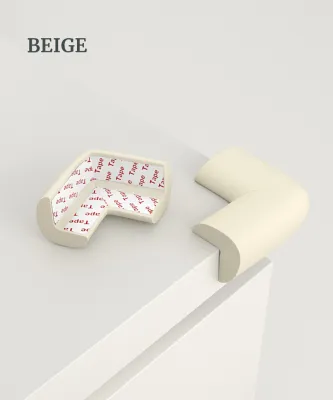
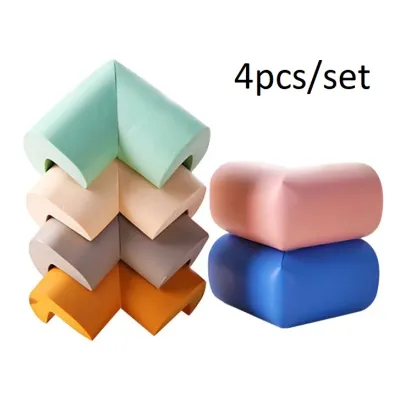
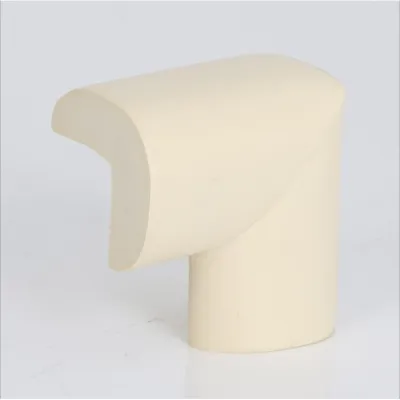
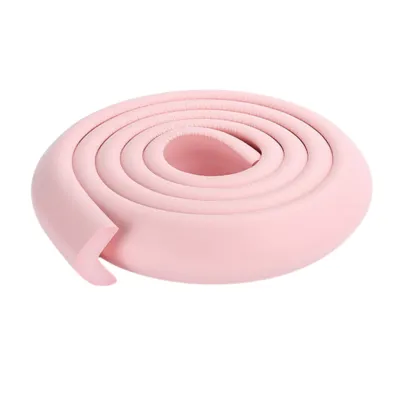
The physical shape and dimensions of the corner guard must align with the geometry of your furniture. Brands generally offer two main configurations: continuous L-shaped edge guards, which run along the entire length of a table or shelf edge, and individual corner pads, which are often spherical, L-shaped, or square-shaped blocks designed solely to cover sharp corners. Combining both types often yields the most comprehensive protection for high-traffic areas.
Foam thickness directly influences the level of cushioning, with standard options ranging from 5mm to over 15mm. While thicker foam naturally provides more impact absorption, it also increases the profile of the guard, making it a more tempting target for curious toddlers to grab, pull, or bite. If a guard is too bulky, the leverage a child exerts when pulling on it can easily overcome the adhesive bond, leading to premature peeling.
Therefore, the ideal brand offers a balanced design where the foam is dense enough to absorb heavy impacts without being excessively bulky. The edges of the guard should taper smoothly toward the furniture surface, minimizing the lip that a child can grip with their fingers. This low-profile, high-density approach ensures the guard remains unobtrusive, aesthetically acceptable, and securely attached over months of active use.
How to Verify Brand Claims and Safety Standards in Singapore
With a vast array of baby-proofing products available online and in physical stores, distinguishing genuine safety gear from cheap imitations is crucial. To ensure you are purchasing authentic, high-quality corner guards, source them from established local baby retailers, dedicated physical maternity stores, or the official brand storefronts on major online marketplaces. Purchasing from reputable, authorized sellers reduces the risk of acquiring counterfeit goods made from substandard, potentially toxic materials.
When evaluating a brand’s safety claims, look for specific, verifiable international safety standards printed on the packaging or detailed on the manufacturer’s website. The European Standard EN71 (specifically Part 3, which regulates the migration of certain chemical elements in toys and children’s products) and the American ASTM F963 standard are excellent benchmarks for chemical safety and physical durability. Brands that have undergone independent laboratory testing will typically display these certifications, providing peace of mind that the foam is free from harmful heavy metals, flame retardants, and volatile organic compounds (VOCs).
User reviews can be an invaluable resource, but they must be analyzed critically. Avoid relying solely on initial unboxing impressions or reviews written immediately after installation, as these rarely reflect long-term performance. Instead, search for feedback that mentions durability after three to six months of use. Look for specific comments regarding adhesive degradation in Singapore’s humid climate, whether the foam tears easily when picked at by toddlers, and if the adhesive leaves a permanent residue or strips the paint upon removal. A pattern of consistent, long-term performance in real-world households is a strong indicator of a reliable brand.
Installation Best Practices to Ensure Long-Lasting Adhesion
Even the highest-quality corner guard from a premium brand will fail if it is not installed correctly. Proper surface preparation is the single most important step in ensuring a permanent, secure bond. Begin by thoroughly cleaning the furniture surface where the guard will be applied. Use isopropyl alcohol (rubbing alcohol) on a clean, lint-free cloth to remove accumulated dust, body oils, polish residue, and grease. Avoid using household glass cleaners or multi-purpose sprays, as these often leave behind a thin chemical film that prevents the adhesive from bonding fully.
Once the surface is completely dry, measure and cut the foam guard to the desired length, if using a continuous roll. Apply the double-sided adhesive tape to the inside of the foam guard first, pressing it down firmly along the entire length to eliminate any air bubbles. When applying the guard to the furniture, align it carefully before making contact, as repositioning the tape will significantly weaken its adhesive properties. Once in place, apply firm, even pressure with your hands or a clean cloth along the entire surface of the guard for at least 30 to 60 seconds, paying close attention to the ends and corners.
After application, allow the adhesive to cure completely before subjecting it to any stress. Most high-quality acrylic adhesives require a curing time of 24 to 72 hours to reach their maximum bonding strength. During this critical window, keep your baby away from the treated furniture and avoid pulling or testing the guard yourself. This patience ensures that the molecular bond between the adhesive and the furniture surface stabilizes, preventing the guard from peeling when a toddler eventually tries to pull it off.
As a crucial safety boundary, always perform an adhesive compatibility test on an inconspicuous area of your furniture before applying the guard to highly visible surfaces. This is especially important for furniture with delicate, antique, hand-painted, or unknown finishes. Apply a small piece of the adhesive tape to a hidden spot, leave it for 24 hours, and then gently remove it to check for any lifting of the varnish, paint, or wood grain. If the finish is damaged, do not proceed with the installation; instead, consult the furniture manufacturer for alternative child-proofing recommendations.
When to Replace or Safely Remove Worn Corner Guards
Foam corner guards are not permanent fixtures; they are sacrificial safety barriers designed to wear out over time. Regularly inspecting the condition of your edge guards is vital for maintaining a safe home environment. Visual and tactile signs of degradation mean it is time for immediate replacement. Over time, exposure to UV light, indoor air, and physical impacts can cause the foam to yellow, harden, or become brittle. Brittle foam loses its impact-absorbing properties, rendering it ineffective during a fall.
Furthermore, look out for physical damage such as tearing, chunks missing from teething attempts, or edges that have begun to lift from the furniture. A lifting edge is not only an aesthetic issue but also a significant choking hazard, as a toddler can easily peel off a loosened section and place it in their mouth. If you observe any compromised areas, remove the guard immediately and replace it with a fresh one.
When the time comes to remove the corner guards—either because your child has outgrown the need for them or because the guard needs replacement—employing a safe, low-risk removal technique will protect your furniture from damage. Use a handheld hairdryer on a low or medium heat setting to gently warm the adhesive underneath the foam. Direct the warm air at the edge of the guard for 30 to 60 seconds to soften the adhesive, making it pliable. Slowly and gently peel the foam guard away from the furniture, pulling parallel to the surface rather than straight up to minimize the risk of lifting the wood grain or paint.
If any sticky residue remains on the furniture, avoid using harsh chemical solvents, steel wool, or abrasive scraping tools, as these can easily ruin the underlying finish. Instead, check the furniture manufacturer’s guidelines for approved cleaning agents. For most sealed wood, glass, and metal surfaces, applying a small amount of mild, oil-based cleaner (such as mineral oil, baby oil, or a specialized citrus-based adhesive remover) to a soft microfiber cloth will safely dissolve the remaining glue. Gently rub the area in a circular motion, then wipe clean with a damp, soapy cloth and dry thoroughly.
Frequently Asked Questions (FAQ)
Are foam corner guards safe if my baby chews on them?
While reputable baby-proofing brands manufacture their foam corner guards using non-toxic, chemical-safe materials, these products are not designed, tested, or approved as teething toys. If a baby repeatedly chews on the soft foam, they can easily bite off small chunks, presenting a severe choking or ingestion hazard. Caregivers must supervise children closely and inspect all foam guards daily for bite marks, indentations, or missing pieces. If any damage is detected, remove the guard immediately, replace it, and redirect the child to an appropriate, safety-tested teething toy.
Do clear corner guards leave residue on wooden furniture?
The likelihood of a clear corner guard leaving residue depends heavily on the specific adhesive formulation used, the type of wood finish, and the duration of the application. Clear guards often utilize high-tack acrylic adhesives which can bond very strongly over time. On varnished, veneered, or antique wooden furniture, this strong bond may pull up the finish or leave a stubborn, sticky residue upon removal. To minimize risk, always use a hairdryer on low heat to soften the adhesive before peeling, and avoid using abrasive tools or harsh chemical solvents that can permanently strip untreated or delicate wood surfaces.

Community discussion
Share your experience or ask a question. Comments are reviewed before publication.