
Many parents in Singapore wonder if investing in a baby crawling knee pad is necessary when their little one begins to explore the home. The short answer is yes, they can be highly beneficial, particularly if your living space features hard flooring surfaces. While babies do not strictly require knee pads to learn how to crawl, these protective accessories serve as an excellent shield against friction, carpet burns, and minor bruises, allowing your baby to explore comfortably.
Does Your Baby Need Crawling Knee Pads? Signs and Scenarios
Babies typically begin crawling between the ages of 6 and 10 months. During this developmental milestone, you will notice your infant actively bearing weight on their hands and knees, rocking back and forth, or scooting across the floor. This repetitive contact puts continuous pressure on their delicate knee joints and thin skin, which have not yet developed the protective calluses of older children.
In Singapore, residential flooring choices play a significant role in deciding whether to purchase knee pads. Many local apartments and houses feature polished ceramic tiles, marble, vinyl, or hardwood floors. While these materials help keep homes cool in the tropical heat, they are unforgivingly hard and can cause significant friction. Even textured EVA foam playmats, which offer cushioning, can sometimes cause friction redness on bare skin during prolonged crawling sessions.
Products mentioned in this guide
![[Hi Baby] Baby Infant Cartoon Breathable Mesh Crawling Knee Pads ChildrenS Sponge Knee Pads Crawling Toddler Anti-Fall And Anti-Knock Safety Protector](https://img.lazcdn.com/g/p/ec883688c67b33dc0585a2cc3e6fd16e.jpg_400x400q80.jpg_.webp)
![[FOUR COLOR] Baby Infant Cartoon Breathable Mesh Crawling Knee Pads ChildrenS Sponge Knee Pads Crawling Toddler Anti-Fall And Anti-Knock Safety Protector Little Cat](https://img.lazcdn.com/g/p/990333ea21604984fe7aa59c1b467a1e.jpg_400x400q80.jpg_.webp)
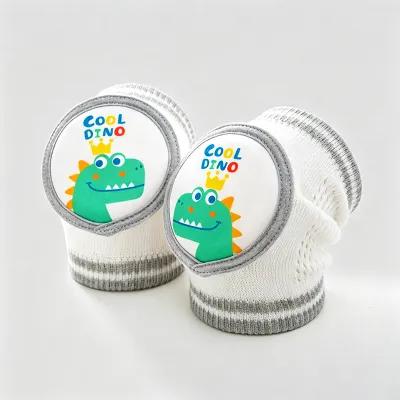
![[LocalStock] 2 pairs of Baby Toddler Knee Protector Knee Pad Anti-Slip Crawling Pad Knee Guard Baby Care](https://img.lazcdn.com/g/p/2d5908c65629fc95f8853dc61ceecdf8.jpg_400x400q80.jpg_.webp)
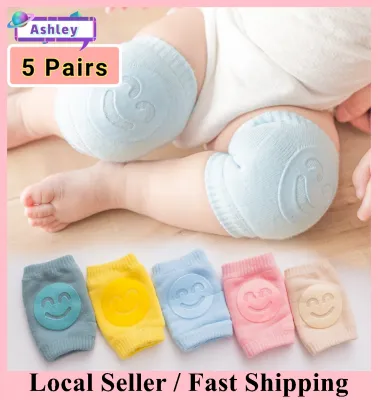

![[SG Ready Stock] SOC006 Baby Boy Girl Crawling Pad Baby Knee Elbow Guard Protectors Socks Safety [Little Gems]](https://img.lazcdn.com/g/p/31442db22fefaf6ef8d3fa9158827a44.jpg_400x400q80.jpg_.webp)

Prices are valid at publication and may change. Please refer to the product page for the latest price.
It is important for parents to distinguish between normal, temporary redness and actual friction burns or skin irritation. Mild redness that fades quickly after your baby stops crawling is generally harmless. However, if you notice persistent red patches, dry chafing, or broken skin, your baby’s knees require protection. Remember that a baby crawling knee pad is designed to enhance comfort and prevent friction; it is never a substitute for active caregiver supervision or maintaining a clean, hazard-free floor.
Key Features to Evaluate Before Buying a Baby Crawling Knee Pad
Selecting the right protective gear requires evaluating several design and material specifications to ensure your baby remains comfortable, safe, and unrestricted in their movements.

Breathability and Climate Suitability
Singapore’s year-round hot and humid climate demands fabrics that prioritize air circulation. Heavy, synthetic materials trap sweat and moisture against your baby’s skin, which can quickly trigger heat rash (miliaria) or friction-induced eczema. Look for knee pads made from high-quality combed cotton, bamboo-derived fabrics, or those featuring open-weave mesh panels behind the knee joint to allow heat to escape.
Padding and Protection Level
The primary purpose of the pad is to absorb impact and eliminate friction. Evaluate the thickness and density of the protective cushion. The padding—often made of soft foam, multi-layered fabric, or flexible silicone—should be thick enough to protect against hard tiles but flexible enough to bend naturally with your baby’s leg. Overly stiff or bulky padding can hinder natural knee flexion and discourage your baby from crawling.
Fit and Elasticity
Knee pads must stay securely in place without restricting blood circulation or leaving deep indentations on your baby’s legs. Look for wide, flat elastic bands rather than thin, tight elastic cords, as wider bands distribute pressure more evenly across the thigh and calf. The fabric should possess excellent multi-directional stretch to accommodate different leg shapes and growth spurts.
Anti-Slip and Grip Features
Polished marble, porcelain, and laminate floors can be incredibly slippery for a baby trying to gain traction. Many quality knee pads feature external silicone grips or textured patterns on the knee area. These anti-slip elements help your baby grip the floor, preventing their legs from sliding outward and helping them maintain a stable hands-and-knees posture.
Reliable Baby Crawling Knee Pad Brands Available in Singapore
Several reputable brands cater to parents in Singapore, offering distinct designs tailored to different crawling environments and baby needs. Below are three reliable brands widely available through local baby boutiques, department stores, and major online marketplaces.
Crawlings
- Best For: Parents seeking premium, stylish, and highly breathable protection for active, daily indoor and outdoor use.
- Key Features: Crawlings knee pads are constructed from a soft, high-quality combed cotton blend (typically 80% cotton) that feels exceptionally gentle on sensitive skin. They feature a generous, flexible center pad decorated with whimsical, child-friendly designs like animals or stars. The breathable fabric weave is specifically designed to stretch comfortably over chubby legs while retaining its shape over time.
- Limitations: These pads sit at a premium price point compared to generic options. The lighter-colored designs can stain easily during outdoor play, requiring prompt spot-cleaning.
- Where to Check: Available at premium local baby specialty boutiques, major department stores in Singapore, or verified online brand stores.
Sevi Baby
- Best For: Babies crawling on exceptionally hard tile, stone, or outdoor patio surfaces that require reinforced, ergonomic cushioning.
- Key Features: Sevi Baby focuses on robust physical protection. Their knee pads often feature a contoured, thicker protective cushion that wraps securely around the knee joint to absorb impacts effectively. The materials are highly durable and engineered to withstand heavy friction against rougher surfaces without tearing.
- Limitations: The thicker padding makes these knee pads slightly bulkier than minimalist designs, which may feel warm in non-air-conditioned rooms or temporarily frustrate babies who prefer completely unrestricted movement.
- Where to Check: Look for them in major baby department stores and local online marketplaces in Singapore.
Babyono
- Best For: Budget-conscious parents looking for a simple, lightweight, and practical everyday solution for indoor use.
- Key Features: These pull-on knee pads are made from a lightweight, elastic cotton blend that slips on easily. They feature integrated silicone anti-slip dots on the outer surface, providing immediate traction on slippery tiled floors. The minimalist design ensures maximum flexibility, allowing your baby to transition easily from crawling to sitting.
- Limitations: The padding is relatively thin, offering basic friction protection rather than heavy impact cushioning. The elastic bands may stretch out faster over time with frequent machine washing.
- Where to Check: Available at local baby pharmacies, specialty baby stores, and major e-commerce platforms.
How to Ensure a Safe Fit and Maintain Hygiene
To keep your baby safe and ensure the knee pads perform effectively, proper usage, regular fit checks, and hygienic maintenance are essential.
Sizing and Fit Verification
Before purchasing, measure your baby’s thigh and calf circumference. Do not rely solely on age recommendations, as babies grow at highly individual rates. When putting the knee pads on, always perform the “two-finger test”: you should be able to slide two fingers comfortably under both the top and bottom elastic bands. If the bands leave deep, dark red rings on your baby’s skin, they are too tight and should be replaced with a larger size.
Safety Boundaries and When to Stop
Knee pads are active play accessories and should only be worn during active crawling sessions. Never allow your baby to wear knee pads while sleeping, as the bands can shift and restrict blood flow or cause localized overheating. Check your baby’s skin every 30 to 60 minutes for signs of redness, sweat buildup, or irritation. If you observe any signs of restricted circulation, skin chafing, or rash, remove the pads immediately and consult a pediatrician if the irritation persists.
Cleaning and Care
Because knee pads constantly contact floor dust, pet hair, and sweat, they must be washed frequently to maintain hygiene. Always check the manufacturer’s care label first. As a general guide, hand wash the pads in cool water with a mild, baby-safe detergent, or place them in a protective laundry mesh bag on a gentle machine cycle. Air dry them flat away from direct heat sources. Avoid using high-heat clothes dryers, as excessive heat can degrade the elastic fibers and damage the silicone anti-slip grips.
Frequently Asked Questions (FAQ)
Do babies really need knee pads for crawling?
While not strictly mandatory for every infant, knee pads are highly beneficial if your home has hard floors like tile or polished wood, or if your baby has sensitive skin prone to friction rashes. They provide a comfortable barrier that encourages hesitant babies to crawl more confidently.
Can I use regular toddler knee pads for my crawling baby?
No, you should not use protective gear designed for older toddlers. Toddler knee pads are engineered for outdoor sports like scooting or cycling; they feature rigid plastic shells and heavy strapping that restrict a crawling infant’s natural joint movement and can cause discomfort or injury.
How long should a baby wear knee pads each day?
Limit wear time to active crawling sessions on hard floors, typically physical play windows of 1 to 2 hours at a time. Remove the pads during rest, naps, feeding times in a high chair, or when your baby is playing on soft, cushioned playmats to allow their skin to breathe and prevent sweat accumulation.
Community discussion
Share your experience or ask a question. Comments are reviewed before publication.